Pharma hikes prices on 350 meds despite Trump's push to lower prescription costs

NEW YORK CITY, NEW YORK: Pharma manufacturers began 2026 by raising list prices on at least 350 branded medications, according to new industry data, moving ahead with widespread increases despite the Trump administration’s public pressure campaign aimed at lowering prescription medication costs.
Data compiled by healthcare research firm 3 Axis Advisors shows the number of price hikes is significantly higher than at the start of last year, when roughly 250 medications saw increases.
While the median hike remains around 4%, the scope of the increases spans widely used treatments, including vaccines for Covid-19, RSV, and shingles, as well as major cancer and chronic disease medications.
Expert warns deals barely dent US medication costs

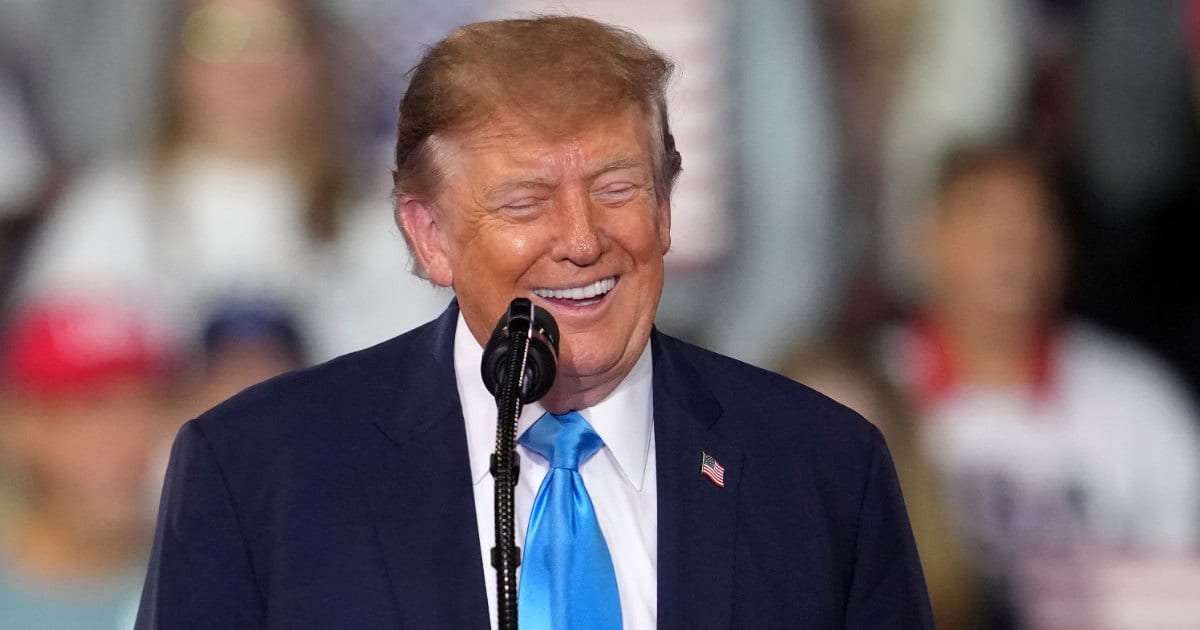
The timing of the increases comes as President Donald Trump highlights agreements with 14 pharmaceutical companies to reduce prices for Medicaid recipients and some cash-paying patients.
Several companies participating in those agreements, including Pfizer, Sanofi, Boehringer Ingelheim, Novartis, and GSK, are among those implementing Thursday, January 1, price hikes.
Dr Benjamin Rome, a health policy researcher at Brigham and Women’s Hospital, said the administration’s deals have limited impact on overall medication pricing.
"These deals are being announced as transformative when, in fact, they really just nibble around the margins in terms of what is really driving high prices for prescription medications in the US," Rome said.
He added that pharma firms often raise list prices while offering confidential rebates to insurers, a structure that leaves US patients paying substantially more than consumers in other developed countries.
Pfizer leads the pack
Pfizer implemented the largest number of increases, raising list prices on about 80 medications. The affected medications include the cancer treatment Ibrance, migraine medication Nurtec, and Covid-19 antiviral Paxlovid.
Most increases remained below 10%, though Pfizer raised the list price of its Covid-19 vaccine Comirnaty by roughly 15%. Some hospital-administered medications, including morphine, reportedly experienced substantially larger increases.
In a statement, Pfizer said that the adjustments were made "below the overall rate of inflation" and were necessary to support ongoing research and development.
The Jardiance exception

A small number of medications are seeing price reductions. Pharma firms plan to lower list prices on roughly nine medications, led by Boehringer Ingelheim’s diabetes medication Jardiance, which is slated for a reduction of more than 40%.
Jardiance was selected by the federal government for Medicare price negotiations, and Boehringer Ingelheim and partner Eli Lilly had already agreed to sharply reduce prices for Medicare patients.
Neither company immediately commented on whether the broader list price cuts were tied to those negotiations.
Inflation vs Innovation
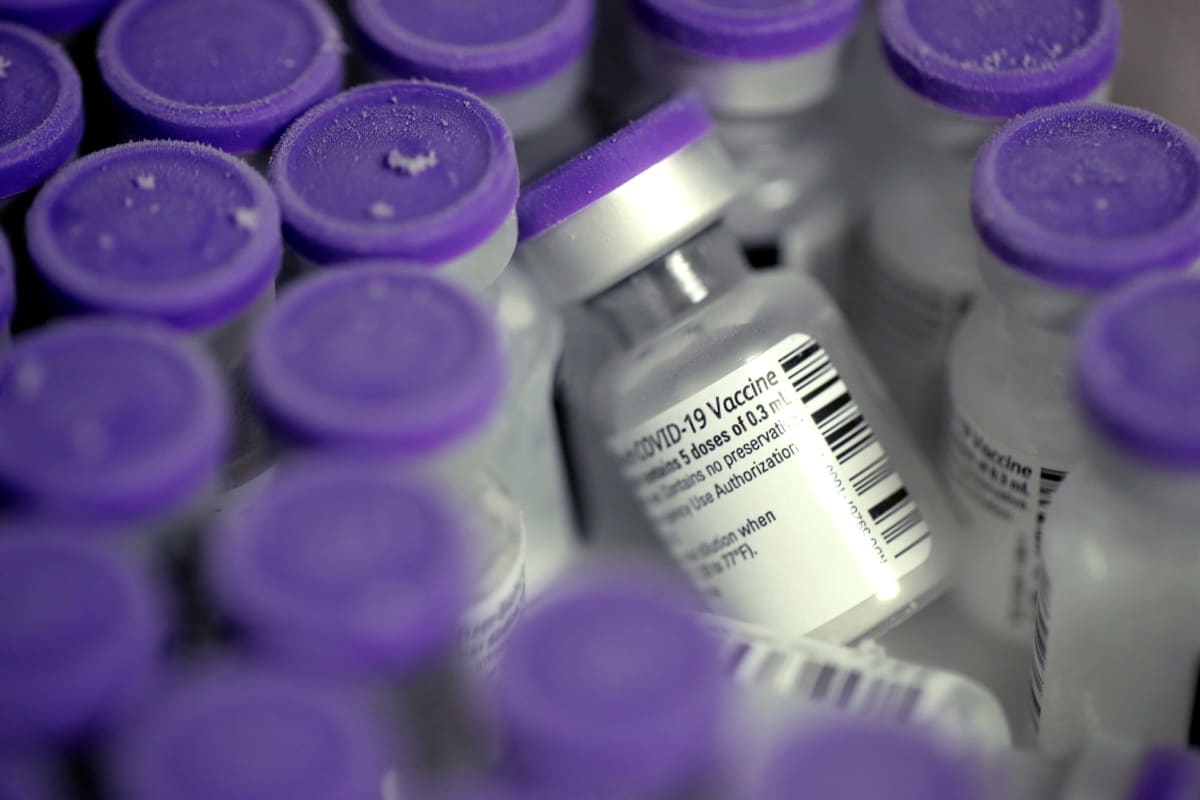
GSK is also raising prices on about 20 medications and vaccines, with increases ranging from 2% to nearly 9%. Like other manufacturers, the company cited the need to fund scientific research and innovation.
Although steep double-digit increases have become less common due to new penalties tied to inflation-based limits, analysts say the growing number of single-digit hikes still adds pressure for patients.
With early January traditionally the peak period for pricing changes, additional increases are expected in the days ahead.