Poll reveals why New Yorkers no longer consider NYC the world's greatest city
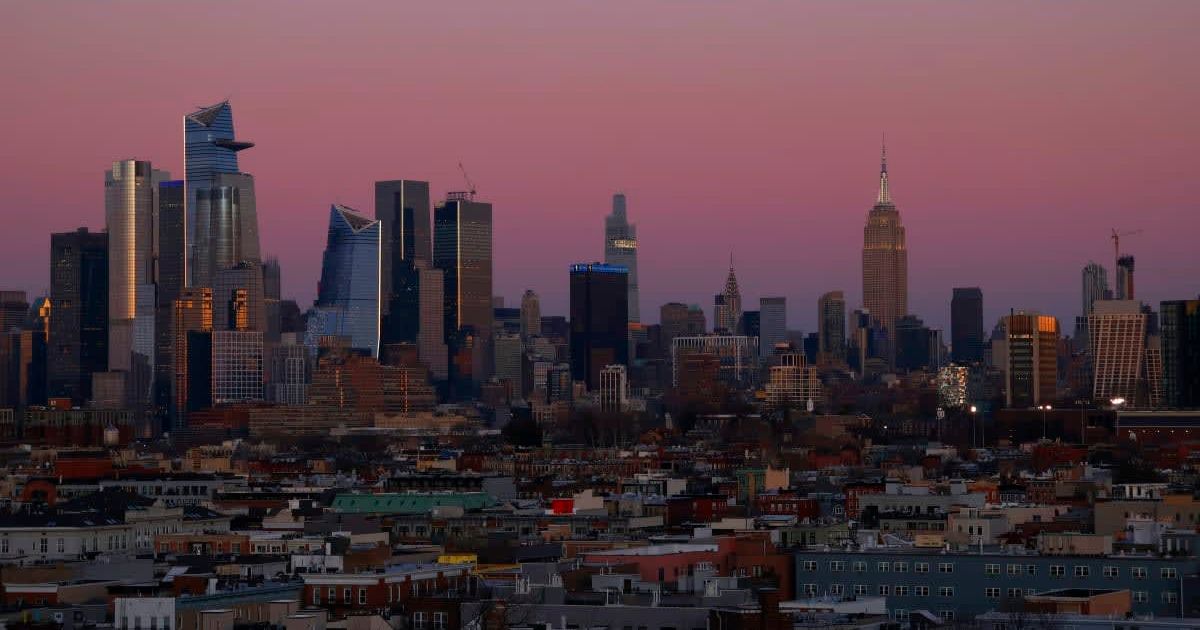
NEW YORK CITY, NEW YORK: New Yorkers may still love their city, but many no longer believe it deserves the title of the greatest city in the world.
A new Honan Strategy Group poll released on Tuesday, June 23, found that 63% of New Yorkers think the Big Apple has lost its standing as the world's top city.
Only 29% said New York still holds that distinction, while 8% said they had no opinion.
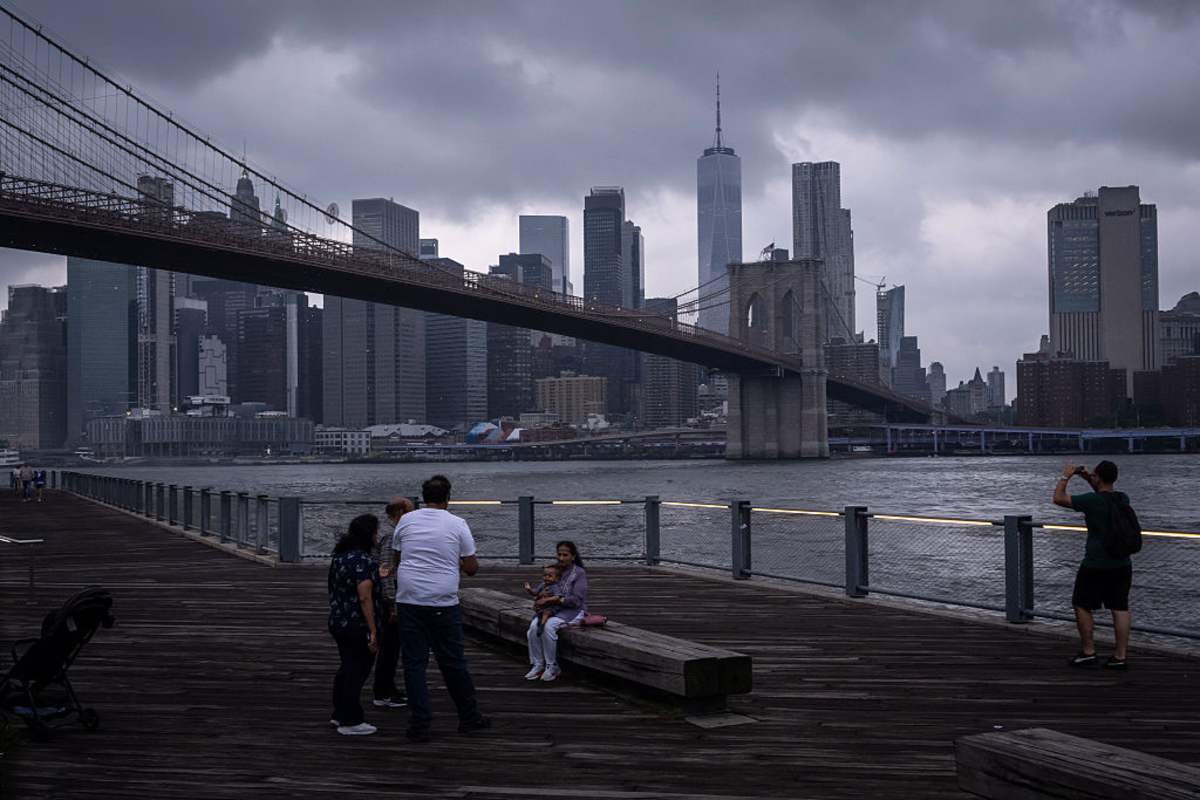
New poll reveals growing dissatisfaction among New York City residents
The Honan Strategy Group's 5 Borough Barometer survey of 614 likely voters painted a complicated picture of how residents currently view life in the city.
According to Bradley Honan, CEO of Honan Strategy Group, the findings reflect deeper frustrations that go beyond politics or civic pride.
"It's not about boosterism," Honan said. "It's a reflection that life in the Big Apple is not what they expected it to be. They are struggling to make ends meet."
He added, "That is a striking signal of civic malaise beneath the surface of a city that still draws millions."
The results surprised observers because much of the polling was conducted after the New York Knicks captured their first basketball championship since 1973, an achievement that generated excitement and celebrations across the city.
Still, many voters appeared more focused on everyday challenges than championship celebrations.
Cost of living emerges as biggest concern for New Yorkers
The survey found that affordability remains the dominant issue facing city residents.
Half of all respondents said cost of living and affordability were the biggest challenges facing New York City, ranking well above concerns such as crime and education.
The poll also showed that 55% of voters are experiencing either a great deal or some level of financial stress. Only 39% reported little or no financial stress.
Many residents said the rising costs have already affected their daily lives.
One-third of respondents said they had delayed a major purchase during the past year because they could not afford it.
Others reported dipping into savings, cutting grocery spending, falling behind on rent or mortgage payments, or postponing mental and dental health appointments.
"The numbers paint a city that's gotten more expensive to live in, and voters know it," Honan said.
Housing costs emerged as a major source of concern. Thirty-four percent of renters and 45% of homeowners said they were struggling to keep up with housing expenses.
"Whether they own or rent, that's 79% of NYC saying they can't keep up with the costs!" Honan said. "Voters feel squeezed from every direction simultaneously."
Quality of life concerns continue despite positive outlook for city
The survey also found that many residents feel their personal situations have worsened over the past year.
Fifty per cent said life in New York feels worse than it did a year ago. Just 17% said life had improved, while 33% felt things had stayed the same.
Meanwhile, 55% said they were dissatisfied with their quality of life in the city, compared with 45% who reported being satisfied.
A majority of respondents also expressed concerns about the direction of their local communities.
Fifty-six per cent said their own borough was on the wrong track, while only 35% believed it was heading in the right direction.
Interestingly, opinions were somewhat more positive when voters looked at the city as a whole.
Nearly half (47%) said New York City was moving in the right direction, while 38% believed it was headed the wrong way.
Political tensions form backdrop to growing voter frustration
The poll arrives amid ongoing tensions within New York City's Democratic Party.
A previous Honan Strategy survey found that many Democratic voters were unhappy with party leadership and incumbents.
The dissatisfaction has created opportunities for challengers, including candidates backed by the Democratic Socialists of America.
Mayor Zohran Mamdani, who campaigned on affordability issues and lowering living costs, has supported several progressive candidates in local races.
The text survey was conducted between June 12 and June 17 among 614 likely voters and carries a margin of error of plus or minus 3.96 percentage points.