Tim Walz torched online after calling SCOTUS trans athlete ruling 'cruel', critics hit back
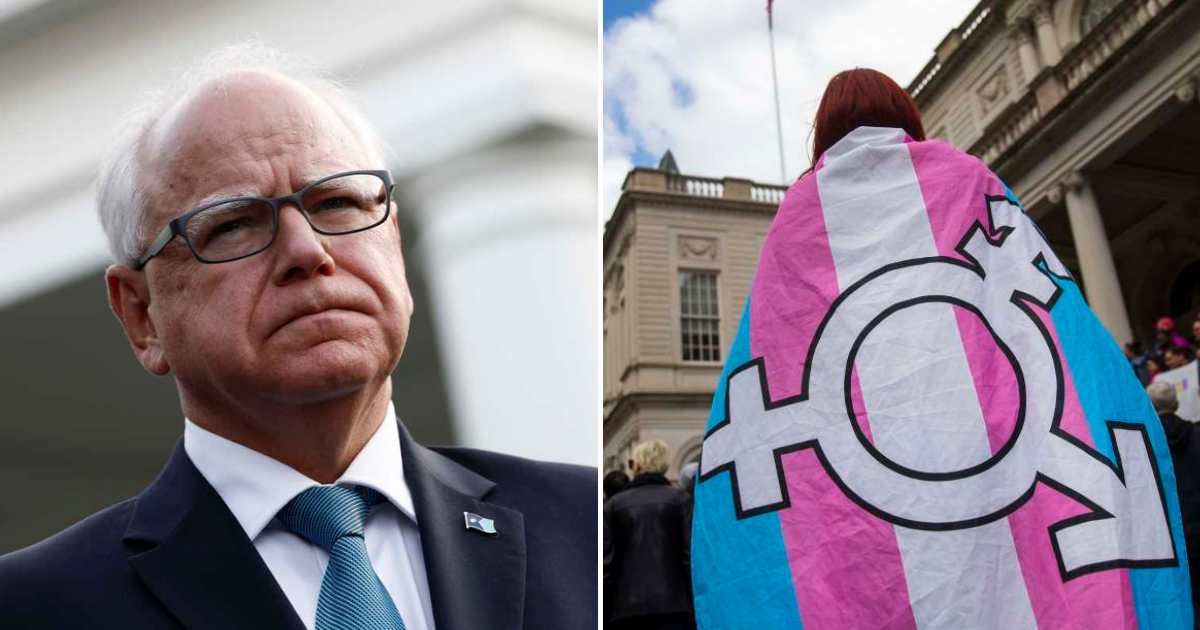
SAINT PAUL, MINNESOTA: Minnesota Governor Tim Walz is facing a wave of criticism online after condemning the Supreme Court’s decision allowing states to bar transgender athletes from competing in girls’ and women’s school sports.
Walz, on Tuesday, June 30 accused the court of permitting states to be “cruel” toward transgender children, but his remarks quickly triggered an avalanche of responses from conservatives, women’s sports advocates and social media users who argued the ruling was about protecting female athletes, not targeting children.
As the Supreme Court says states can be cruel to trans kids, my message is clear:
— Governor Tim Walz (@GovTimWalz) June 30, 2026
Here in Minnesota, we stand with and value our trans neighbors and youth.
Tim Walz's post ignites fresh controversy
Shortly after the Supreme Court upheld state laws restricting transgender athletes from competing in female school sports, Walz posted a message on X defending transgender youth in Minnesota.
“As the Supreme Court says states can be cruel to trans kids, my message is clear: Here in Minnesota, we stand with and value our trans neighbors and youth,” Walz wrote.
The governor’s statement immediately became a flashpoint in the ongoing national debate over transgender participation in women’s athletics.
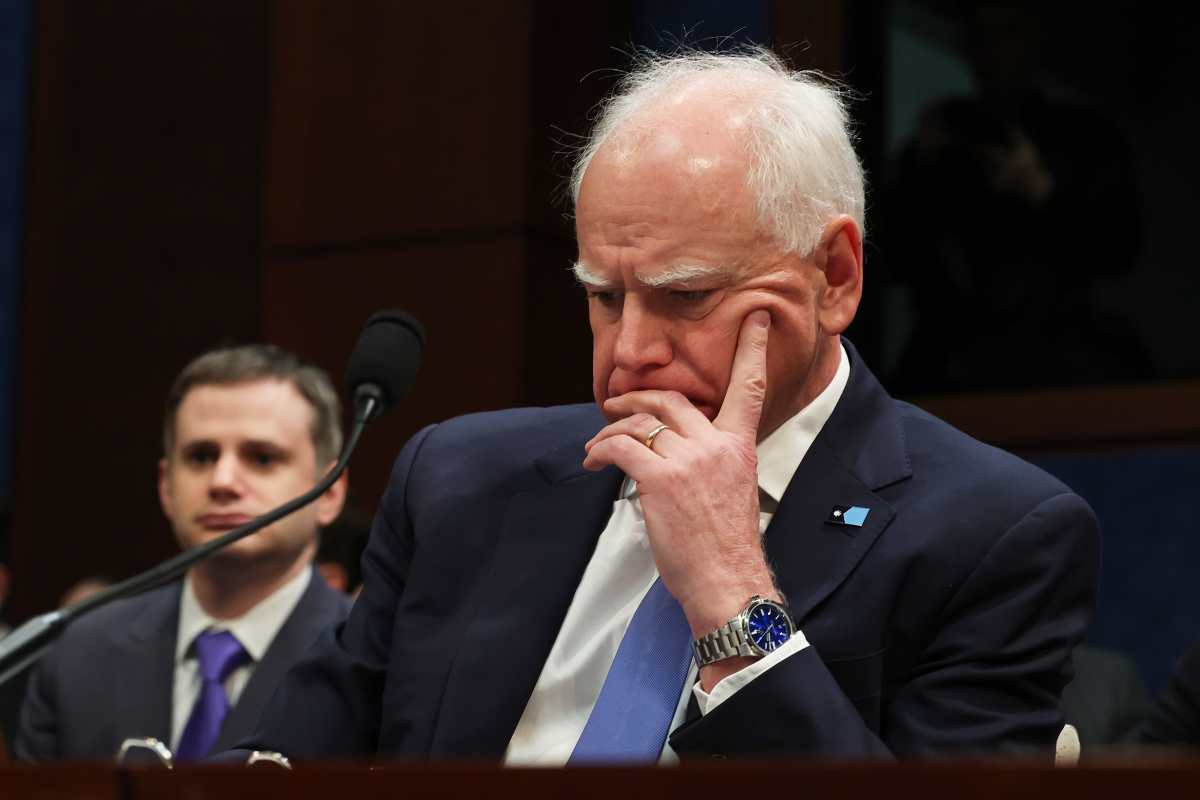
Many conservatives argued that Walz’s characterization of the decision ignored what the justices actually ruled.
Critics blast Tim Walz for 'misrepresentation'
One social media user pushed back directly, writing: “That isn't what it says. It says girls and women deserve equal protection and opportunity. There is no cruelty anywhere.”
That isn't what it says. It says girls and women deserve equal protection and opportunity. There is no cruelty anywhere.
— Jennifer Sey (@JenniferSey) July 1, 2026
Another widely shared response argued that protecting female sports should not be portrayed as discrimination.
“They can still play with their biological s*x. Don't push hate. It should be allowed for women to have a space,” the commentator wrote.
They can still play with their biological sex. Don't push hate. It should be allowed for women to have a space not invaded by mentally ill men.
— Bettilda Kimose (@KimOhSee) July 1, 2026
Others questioned why Walz continued to prioritize transgender participation over what they described as fairness for girls' athletics.
They wrote, "But it’s ok to be cruel to girls, right? Your ideology is so warped it’s laughable. Just to pander for votes. Pathetic."
But it’s ok to be cruel to girls, right? Your ideology is so warped it’s laughable. Just to pander for votes. Pathetic.
— Steve Baines (@stevebainz) July 1, 2026
Another wrote, "Then make a trans league for all sports."
One user asked, “Why do you hate our daughters, Tim?”
As Walz’s post spread across X, criticism became increasingly fierce.
Another commenter claimed Walz was ignoring federal law and warned that Minnesota could face legal challenges if state policies conflict with the Supreme Court’s ruling, adding that "parents and coaches will start suing."
Once again you disregard the laws of America. You don't support women's rights. You don't stand for anything .You are the face of everything that is wrong with the Democratic party. So at this point your opinion means nothing. Parents and coaches will start suing.And the DOJ will…
— John Nagel for Congress MN-5 (@Nagel4Congress) June 30, 2026
The backlash quickly turned Walz’s post into one of the most discussed political reactions following the court's decision.
The controversy follows a landmark Supreme Court ruling that upheld state bans preventing transgender girls from participating on girls’ and women’s school sports teams.
BREAKING: The Supreme Court has ruled states can prohibit transgender athletes from competing on girls' and women's sports teams, a decision that delivers the latest setback for transgender rights.
— CBS News (@CBSNews) June 30, 2026
Justice Brett Kavanaugh authored the opinion for the majority, writing that under… pic.twitter.com/4mEdH1u5wk
In a 6-3 decision, the court ruled that states may restrict eligibility based on biological identity without violating the Equal Protection Clause.
The ruling effectively leaves in place laws enacted in states such as Idaho and West Virginia while strengthening similar measures adopted across more than two dozen Republican-led states.
This article contains remarks made on the Internet by individual people and organizations. MEAWW cannot confirm them independently and does not support claims or opinions being made online.