US Supreme Court upholds state bans on transgender girls in women’s school sports
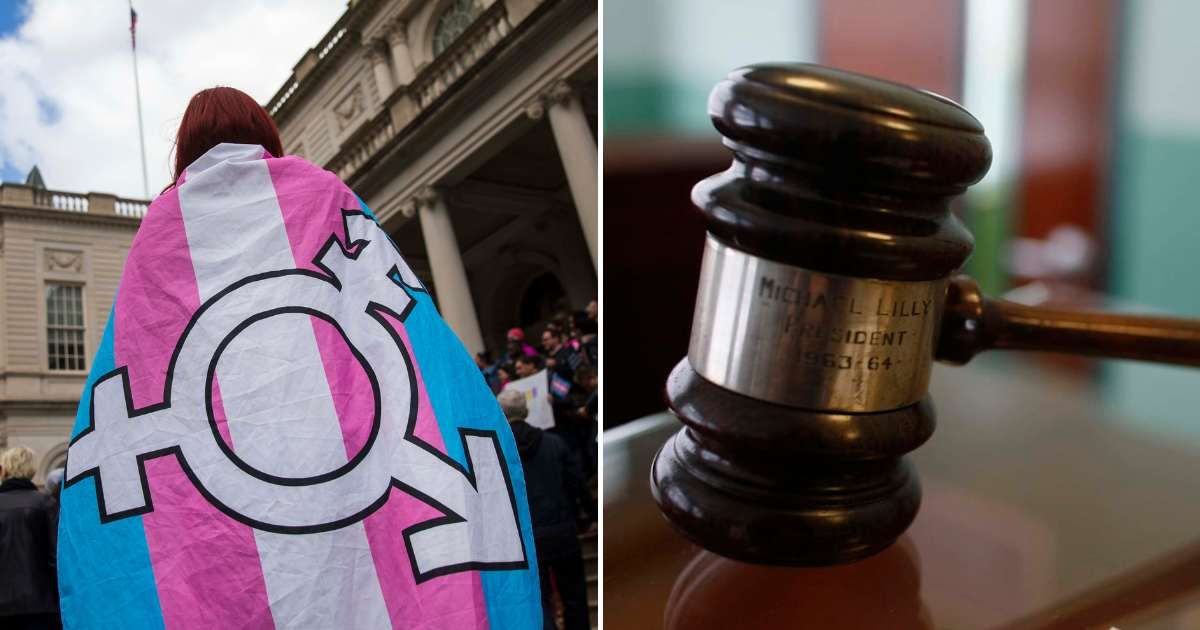
WASHINGTON,DC: The US Supreme Court on Tuesday, June 30, handed states sweeping authority to restrict transgender girls from competing on girls' and women's school sports teams, delivering one of the most consequential rulings yet in the country's ongoing debate over transgender rights.
The decision not only upholds laws in Idaho and West Virginia but also strengthens similar measures already adopted across much of the United States, marking a significant legal victory for policies championed by President Donald Trump and many Republican-led states. US President Donald Trump welcomed the ruling calling it a 'big win'.
BIG WIN: The United States Supreme Court just RULED AGAINST MEN PLAYING IN WOMEN’S SPORTS. Wow! That takes that ridiculous situation off the table!!! President DONALD J. TRUMP
— Commentary Donald J. Trump Truth Social Posts On X (@TrumpTruthOnX) June 30, 2026
( TS: Jun 30 2026, 10:46 AM ET )… pic.twitter.com/50yOZa6XiM
SCOTUS backs transgender athlete bans
At the heart of the dispute was a fundamental question: can states decide who competes in female school athletics by relying on biological sex rather than gender identity?
The Supreme Court answered that question with a clear yes.
Writing for the majority, Justice Brett Kavanaugh rejected arguments that the state laws violate constitutional protections or federal anti-discrimination law.
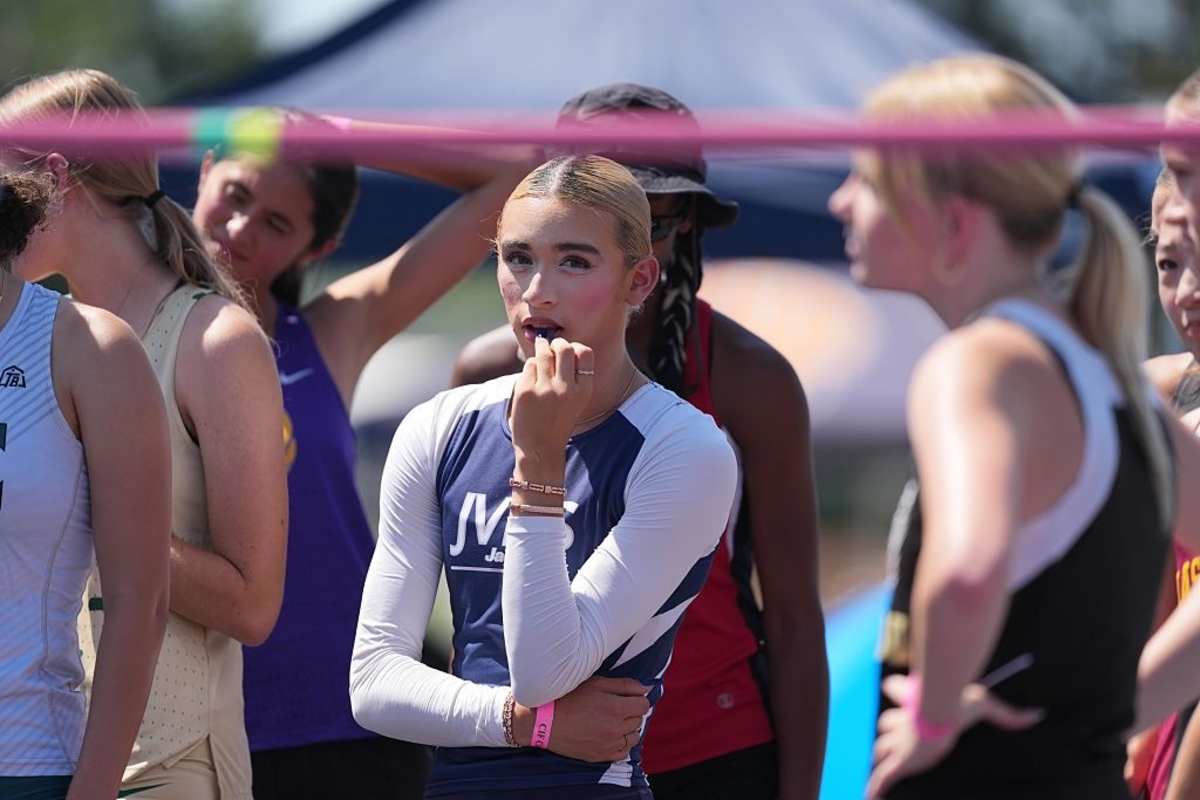
"In other words, may schools determine eligibility for women's and girls' sports based on biological sex? The answer is yes," Kavanaugh wrote.
The majority concluded that the Constitution does not prevent states from adopting such eligibility standards, allowing Idaho and West Virginia to continue enforcing their respective laws.
The ruling immediately establishes a powerful legal precedent that is expected to influence similar disputes across the country.
BREAKING: The Supreme Court just handed states a major victory in one of the country's most closely watched culture battles: protecting girls' and women's sports.
— Fox News (@FoxNews) June 30, 2026
In a 6-3 ruling along ideological lines, the court upheld laws in Idaho and West Virginia banning transgender… pic.twitter.com/MsF4AQJUDv
Decision has nationwide implication
Although the lawsuits originated in Idaho and West Virginia, Tuesday's ruling carries national implications.
More than two dozen states have enacted laws limiting participation in girls' and women's sports to biological females.
Many of those measures have faced legal challenges, with lower courts reaching differing conclusions.
The Supreme Court's decision now gives those states stronger legal footing while making future constitutional challenges significantly more difficult.
Supporters of the restrictions argue they are necessary to preserve fairness and competitive opportunities for biological female athletes.

Opponents, however, say the ruling permits discrimination against transgender students and could exclude young athletes from school activities solely because of their gender identity.
In Idaho, Lindsay Hecox challenged the state's 2020 law after seeking to compete on Boise State University's women's cross-country and track teams.
By the time the case reached the Supreme Court, Hecox had indicated there were no longer plans to compete and urged the justices to dismiss the case.
Idaho nevertheless continued defending its law before the nation's highest court.
The second challenge came from West Virginia, where student athlete Becky Pepper-Jackson fought the state's sports ban.
Pepper-Jackson, who has publicly identified as female since childhood, competes in shot put and discus and recently captured a state championship in girls' shot put.
Civil rights organizations argued that both athletes were being unfairly excluded from school athletics because they are transgender.