Pope Leo XIV diagnosed with lung cancer after successful surgery to remove lower right lung lobe
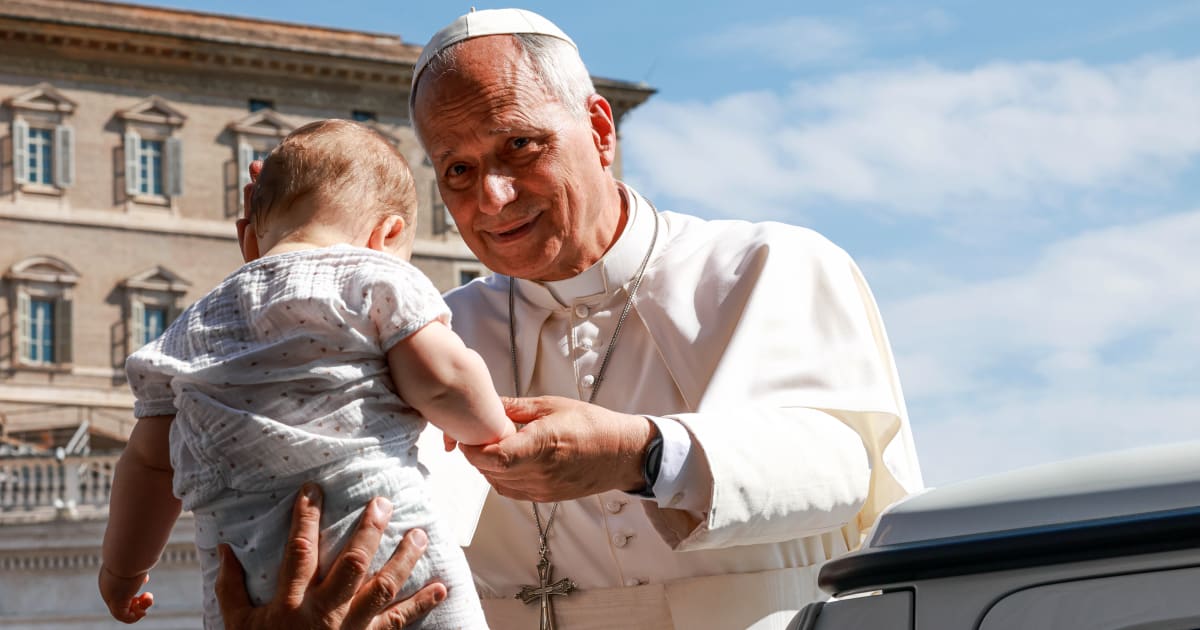
ROME, ITALY: Pope Leo XIV has been diagnosed with lung cancer after surgeons removed the lower lobe of his right lung on Tuesday, October 13.
The Vatican confirmed that the operation was successful and had no complications, but further tests were being carried out to determine whether the cancer had spread.
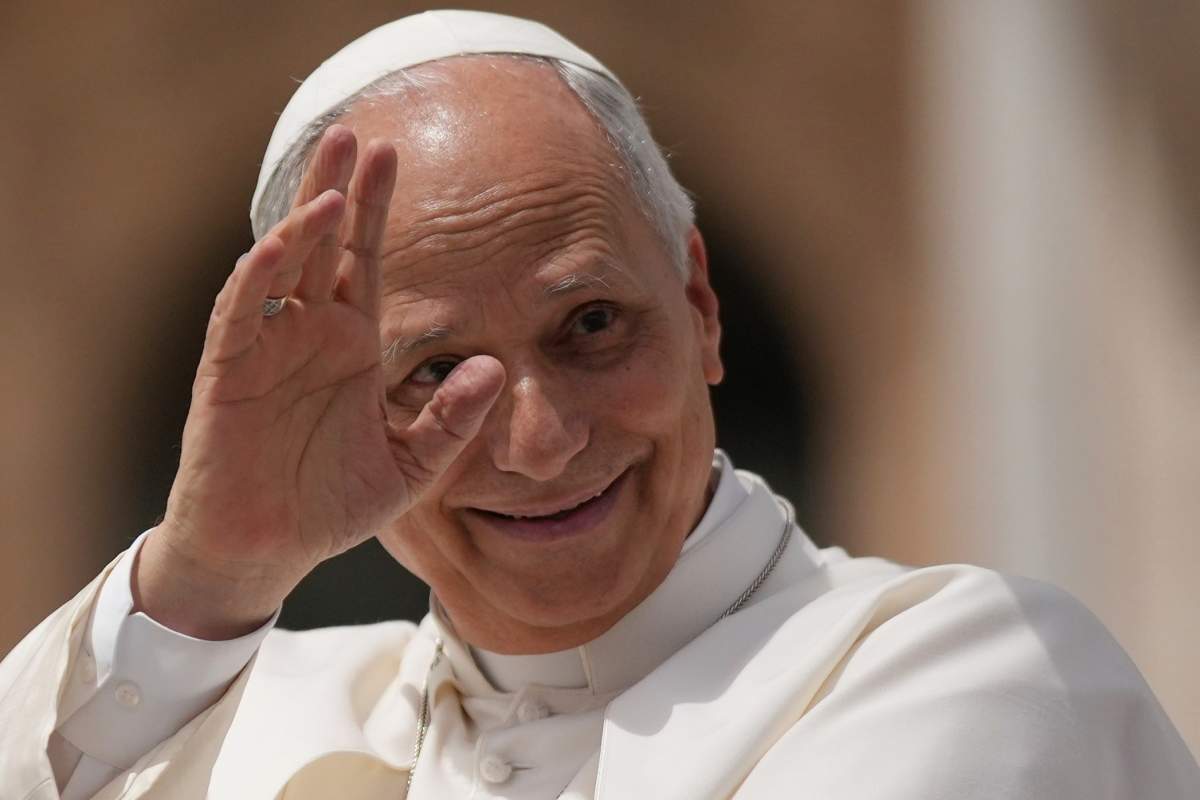
Pope Leo XIV diagnosed with lung cancer after successful surgery
Pope Leo XIV, 71, underwent surgery at Rome's Gemelli Hospital after a lung nodule was discovered during routine checks. Tests carried out during the procedure confirmed lung adenocarcinoma, a common form of lung cancer.
According to the medical statement issued by Dr Luigi Carbone and Professor Stefano Margaritora, the operation lasted around 90 minutes, while the Pope spent approximately three hours in the operating theatre.
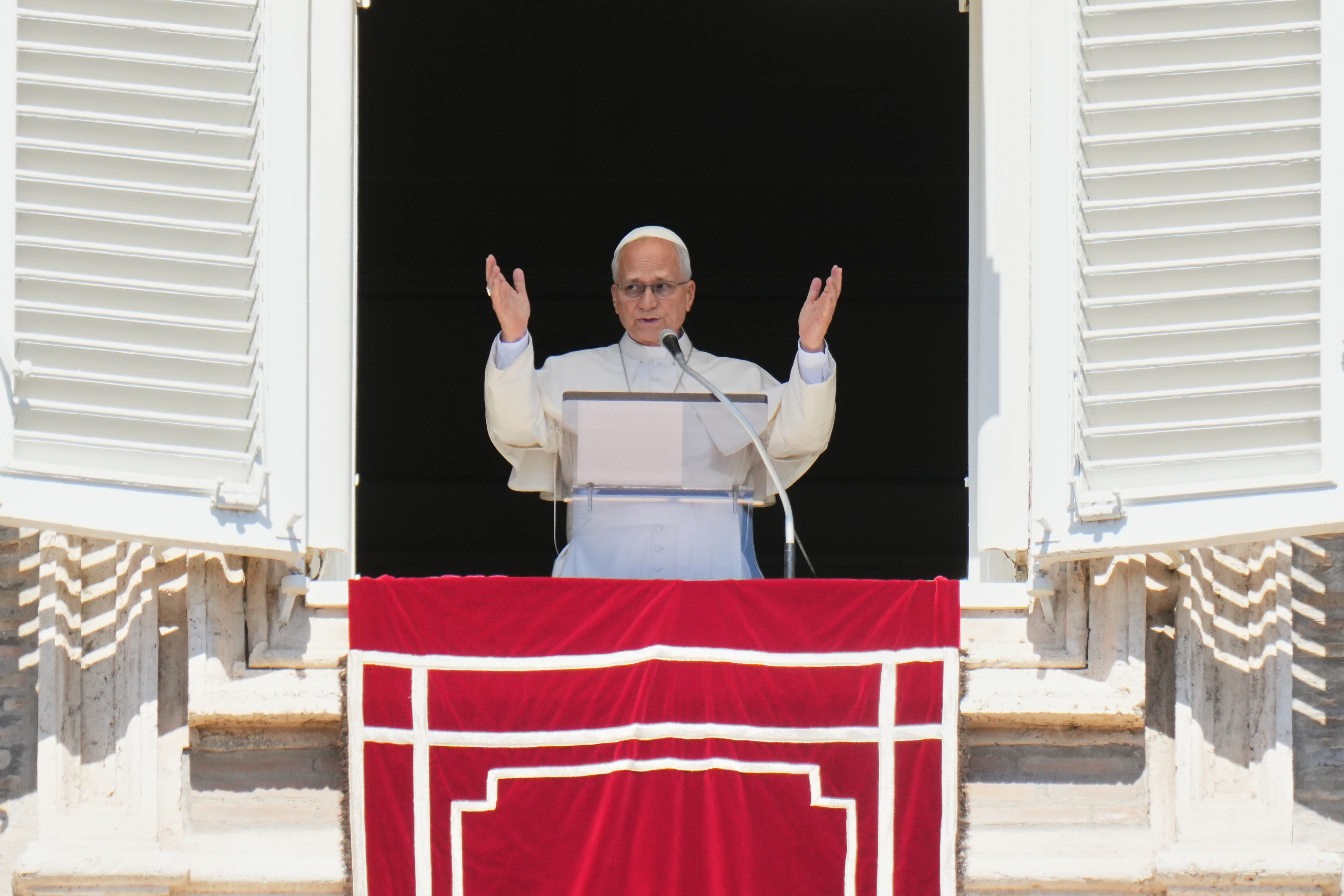
The statement confirmed that the lower lobe of his right lung was removed using a video-assisted technique. The surgery was successful, with no complications reported.
"Following the operation, the Pope woke up normally and, after a brief period of observation, returned to his room on the tenth floor," the statement said.
The diagnosis has raised concerns about the Pope's health, although the results of further tests will help determine whether the cancer has spread beyond the affected area. The Vatican has cancelled all of Leo's audiences through October 20, and he is expected to remain in hospital for about a week.
Vatican confirms Pope Leo XIV's cancer diagnosis after routine checks
The discovery of the lung nodule came to light after routine medical checks. Pope Leo had spoken about the finding during his Sunday noon prayer, telling those gathered that surgery had already been scheduled.
"The surgery is already scheduled for the coming days. Thank you for your spiritual support, and I entrust myself to your prayers," he said.
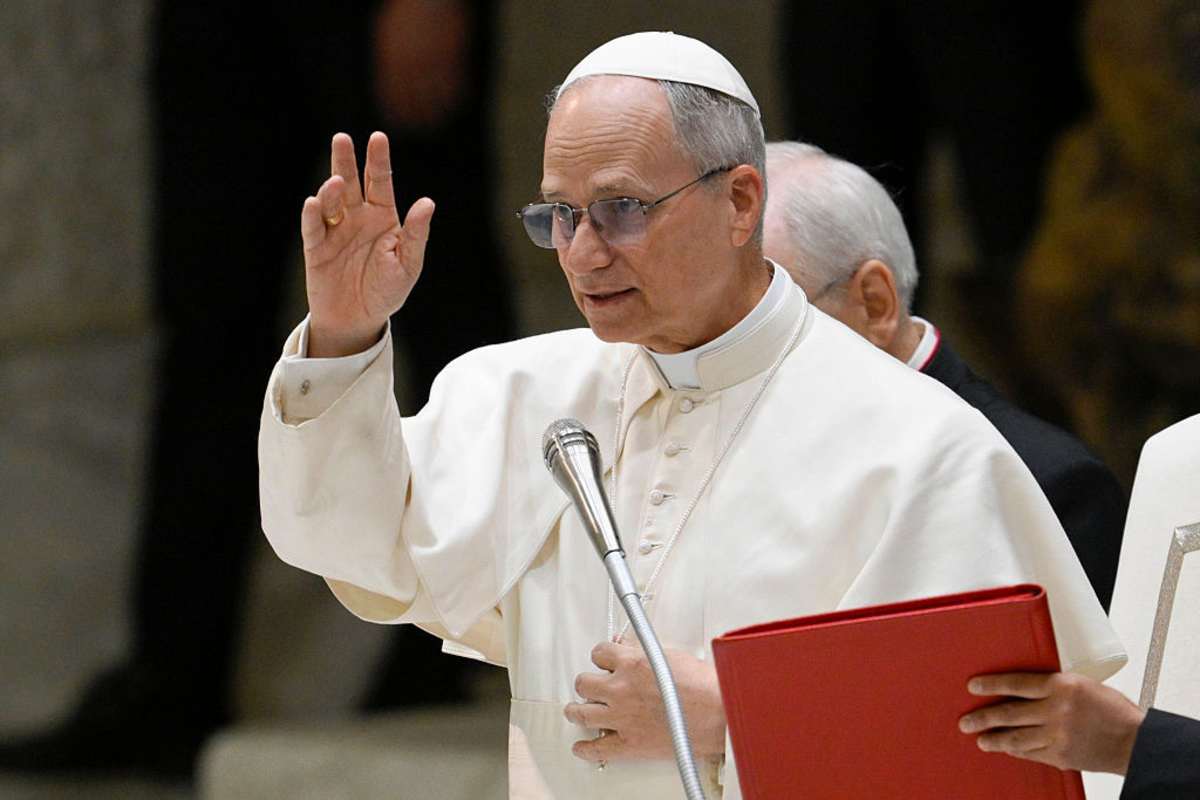
The American-born pontiff has been unusually open about the health issue, which marks the first publicly disclosed major health problem of his papacy.
Before the operation, experts said the outlook could be excellent if the nodule proved cancerous but had been detected and removed at an early stage. However, further tests are needed before the extent of the disease can be established.
A lung nodule is a small abnormal area that can be either benign or malignant. Removing it can help doctors determine whether cancer is present and treat the disease while it remains localised.
Adenocarcinoma is the most common form of non-small cell lung cancer and can also occur in people who do not smoke.
Pope Leo XIV's lung cancer diagnosis raises questions over November trip
Despite the diagnosis, Pope Leo had been hoping to continue with his upcoming international commitments.
Tokyo Cardinal Tarcisio Isao Kikuchi Tsutomu, who met him on Monday, said the Pope had told him he felt fine and wanted to undergo surgery promptly rather than change his travel plans.
Leo is scheduled to visit Uruguay, Argentina and Peru from November 6 to November 17. The trip is expected to be the longest of his papacy so far, involving more than 31,000 kilometres of travel, a dozen flights and two helicopter rides.
His recovery will be an important factor in determining whether the visit can go ahead as planned.
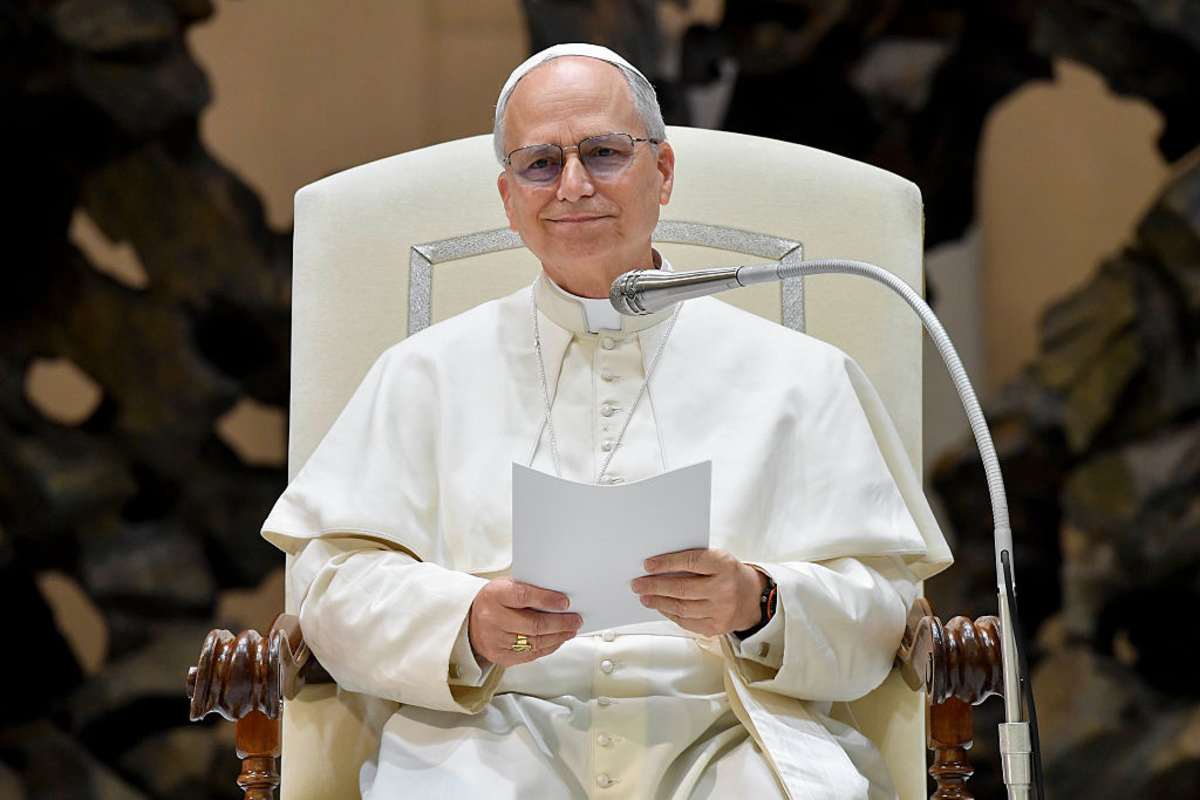
The European Institute of Oncology advises patients not to fly for three weeks after surgery, leaving a limited recovery window before the Pope's scheduled departure.
Dr Spaggiari of the institute said he believed the Pope was receiving excellent care at Gemelli Hospital.
"I think the Holy Father is in excellent hands at Gemelli," he said. "They have everything needed to keep the Holy Father alive for a long time."
Pope Leo's diagnosis comes after a difficult period for the Vatican following the death of Pope Francis in April last year, aged 88. Francis died after suffering a stroke, following a prolonged hospital stay for double pneumonia.