Rand Paul defends Trump on Iran as Republican hawks raise concerns over deal
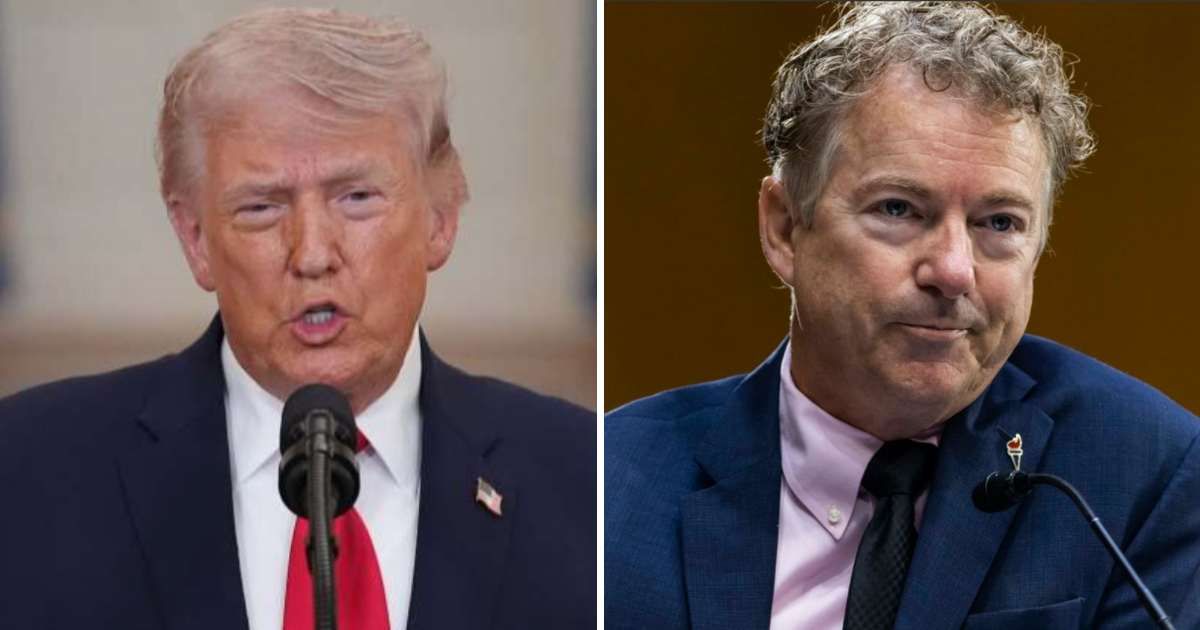
WASHINGTON, DC: Sen Rand Paul is pushing back against Republican criticism of an emerging Trump administration deal aimed at ending the war with Iran, arguing that negotiations are the natural conclusion to military conflict.
Paul, who has repeatedly opposed deeper US military involvement overseas, defended President Donald Trump amid backlash from hawkish conservatives questioning the terms of the tentative agreement.
“War virtually always ends with negotiations,” Paul wrote on X. “Critics of President Trump’s peace negotiations should give President Trump the space to find an American First solution.”
The senator’s remarks reflect widening ideological divides within the Republican Party as Trump attempts to balance his “America First” approach with pressure from GOP national security hardliners demanding a tougher posture toward Tehran.

Trump signals breakthrough in Iran talks
Trump on Saturday claimed the United States was nearing a deal with Iran that could end hostilities and reopen the strategically critical Strait of Hormuz.
“Final aspects and details of the Deal are currently being discussed, and will be announced shortly,” Trump wrote on Truth Social. “In addition to many other elements of the Agreement, the Strait of Hormuz will be opened.”
The Strait of Hormuz, a vital global oil shipping route has been effectively paralyzed by the conflict, contributing to rising energy prices and renewed fears of economic disruption worldwide.
Any reopening of the waterway would mark a major diplomatic and economic breakthrough for the administration, which has faced mounting pressure over the global fallout from the war.
GOP hawks warn against concessions
Despite Trump’s optimism, several prominent Republicans publicly voiced concerns that a deal could embolden Iran or fail to secure meaningful strategic gains.
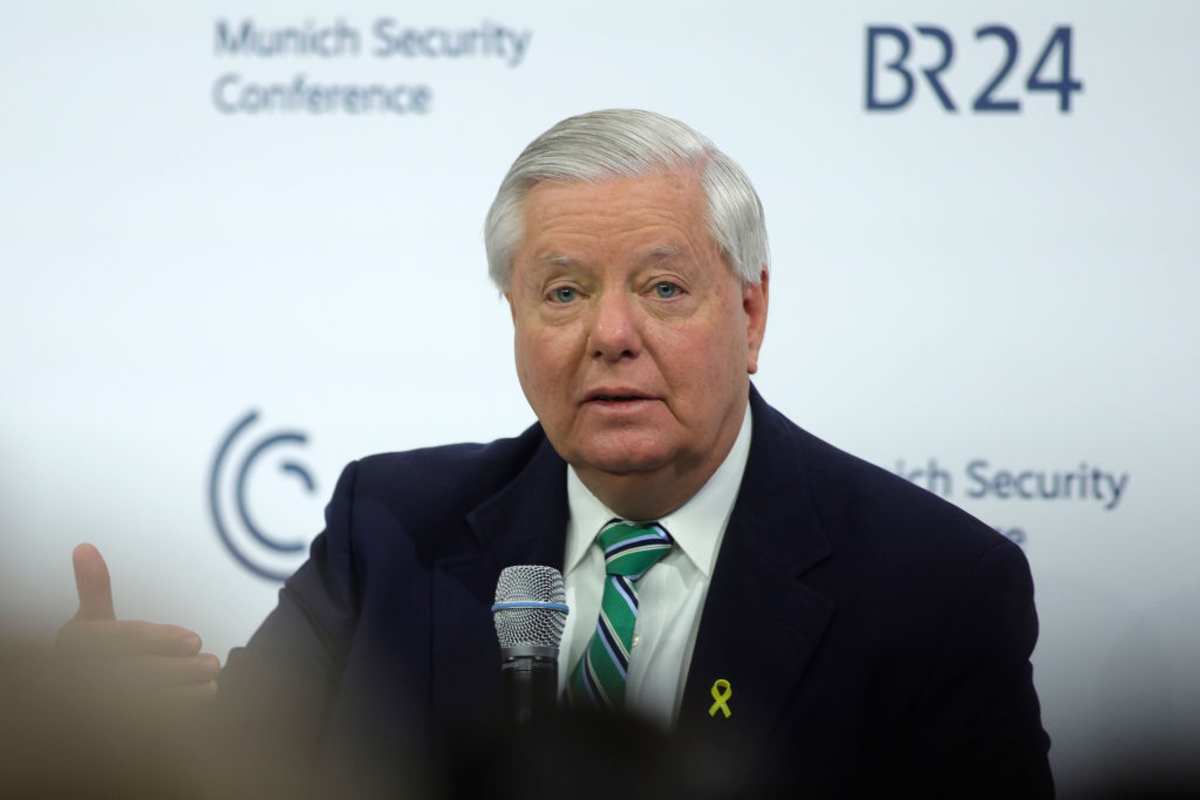
Sen Lindsey Graham warned that if the agreement leaves Iran capable of threatening Gulf infrastructure or controlling access to the Strait, Tehran could emerge as the dominant regional power.
Senate Armed Services Committee Chairman Roger Wicker also urged the administration not to accept a settlement that would undermine the justification for the war effort.
Meanwhile, Sen Ted Cruz has expressed skepticism over the peace talks, reflecting broader unease among conservative foreign policy hawks.
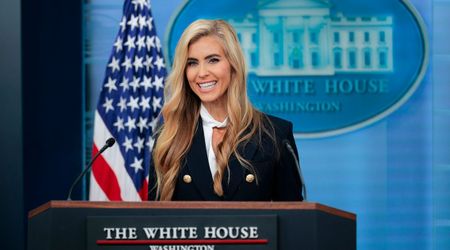
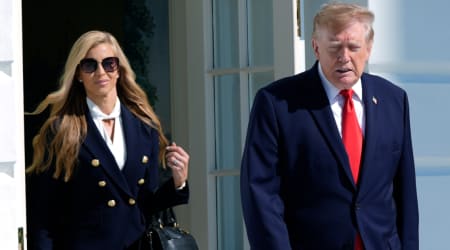
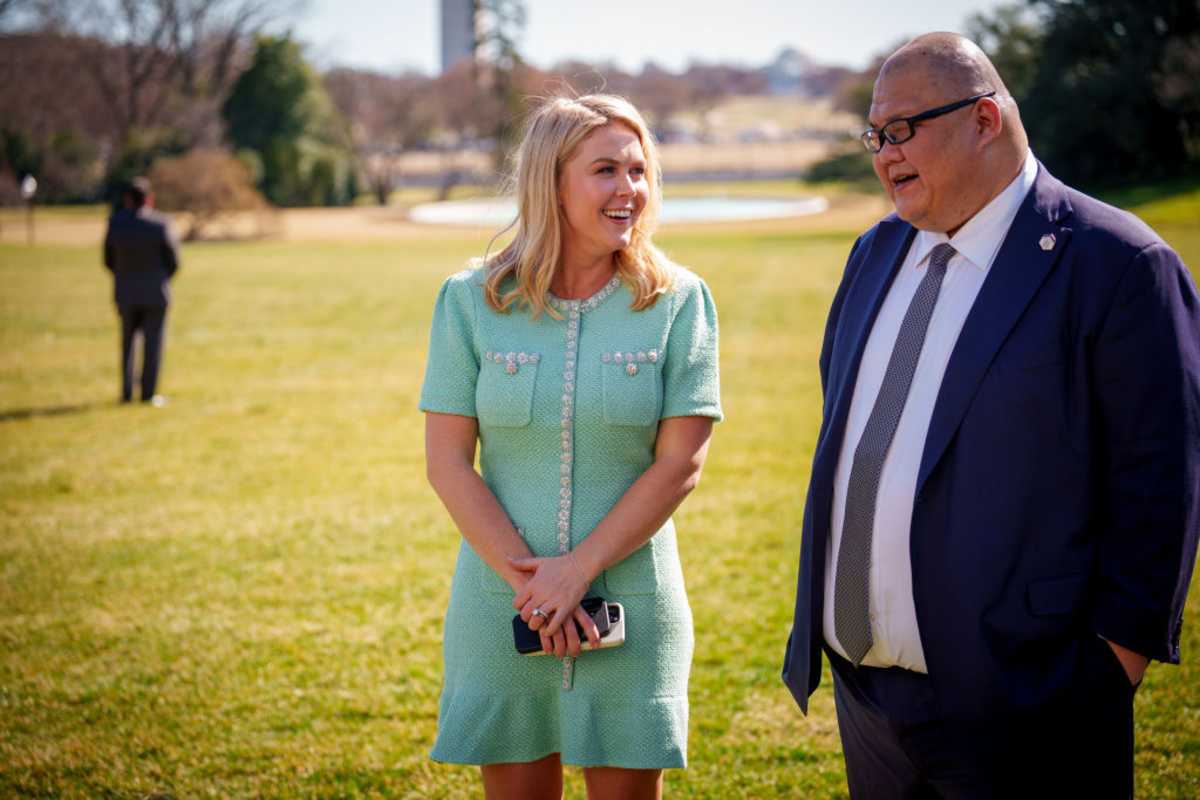 Press Secretary Karoline Leavitt and Communications Director Steven Cheung speak during an event on the South Lawn of the White House on March 11, 2025 in Washington, DC (Andrew Harnik/Getty Images)
White House hits back at critics
The White House responded aggressively to criticism from within Republican circles.
Communications Director Stephen Cheung sharply attacked former Secretary of State Mike Pompeo over his public objections to the developing agreement.
Iran has indicated negotiations are progressing but insists it will not surrender sovereignty over the Strait of Hormuz, suggesting major sticking points remain unresolved despite signs of diplomatic momentum.