Rand Paul slams Congress over Trump’s Iran operation: ‘They don't check the president’
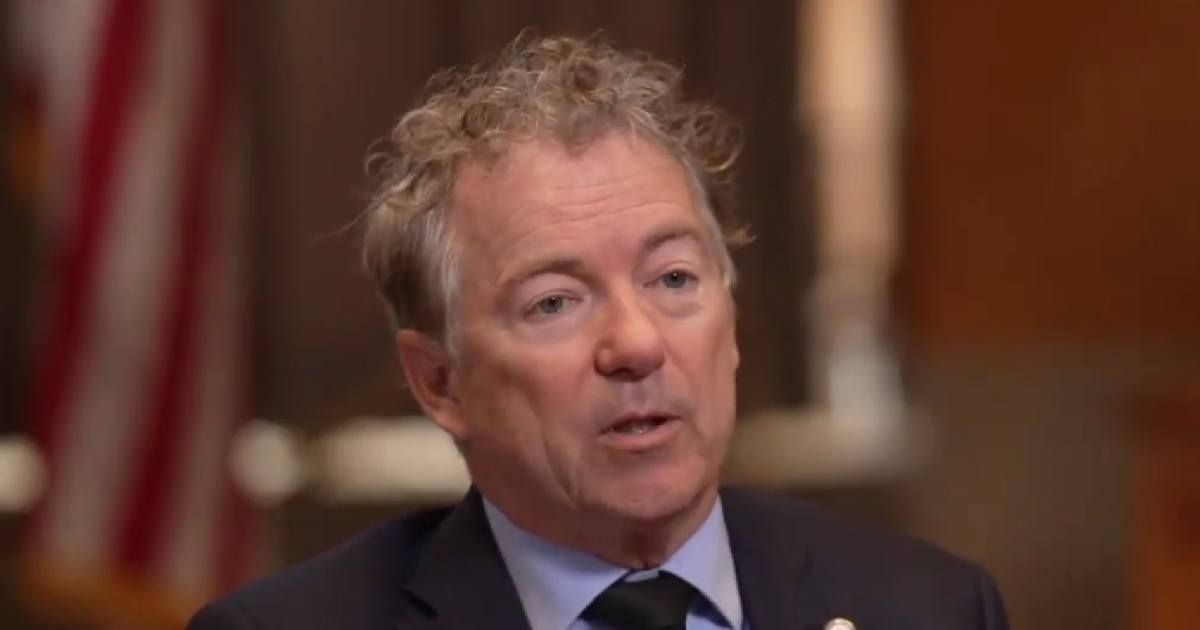
You can like President Trump and still support @massieforKY. Thomas stands for a lot of the same principles as the President, but brings an independent spirit we should want in every legislator. pic.twitter.com/sJILgeTnEb
— Rand Paul (@RandPaul) March 29, 2026
WASHINGTON, DC: Sen. Rand Paul has emerged as the lone Republican opposing President Donald Trump’s decision to launch strikes on Iran, creating a sharp divide within the Senate GOP. While most Republicans have backed the president’s move, Paul has publicly challenged both the legality and constitutional basis of the action.
The operation, launched jointly with Israel on February 28, targeted Iran’s political and military establishment following the collapse of negotiations over its nuclear enrichment program. The Trump administration has stated that negotiations between the two countries are currently in progress.
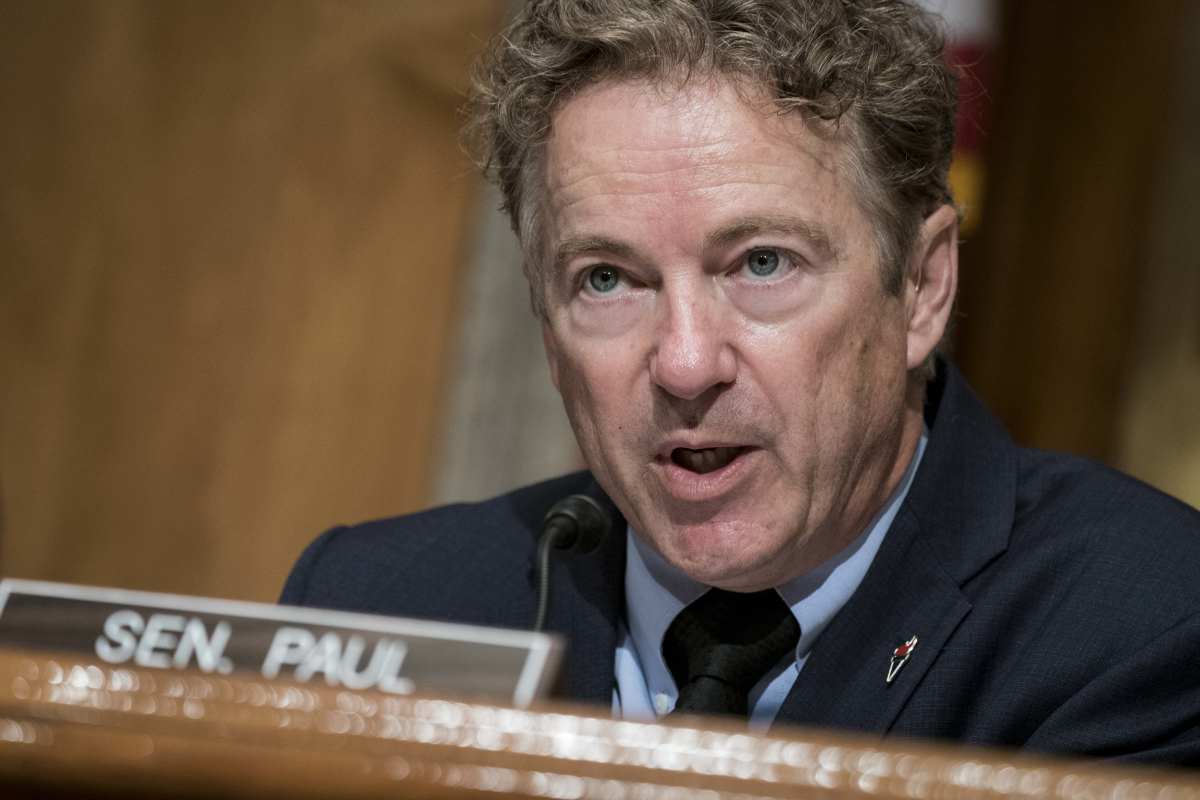
Rand Paul challenges Trump over Iran operation
Paul framed the issue as a broader constitutional test, questioning whether a Republican-controlled Congress would assert its authority as intended by the country’s founding principles. He referenced the vision of former President James Madison.
He said, "Madison said that we would give the legislature certain powers and the president certain powers. And as each tried to grasp for the power, they would check and balance each other, I don't think our founders ever imagined our current Congress that is completely lacking in ambition. They don't check the president."
Paul further added, "I think he was misled by some of the more aggressive people, basic instincts have been for less war."
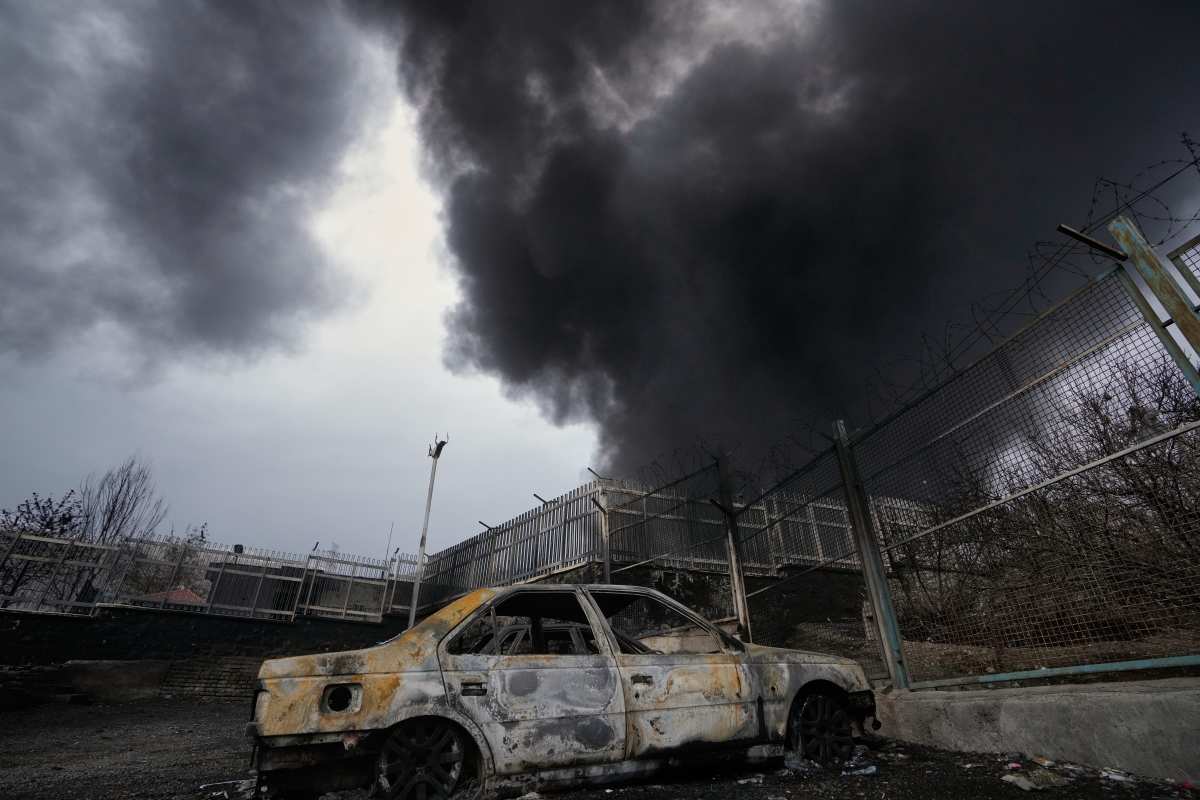
Should the Iran war escalate and continue, Paul warned that the political and economic costs could be significant. "On the political landscape, I think the longer this goes on, the less likely Republicans are able to hold onto the House and Senate," said the senator.
He also added that congressional Republicans may soon face another reckoning as the Trump administration seeks an additional $200 billion in funding for the war. Paul stated that he would oppose the supplemental funding, citing his desire to end the war.
"Most people will accept the argument and say, 'Oh, you can't quit funding 'em. They're over there, But, actually, if they weren't funded, they'd be brought home," he said of soldiers overseas.
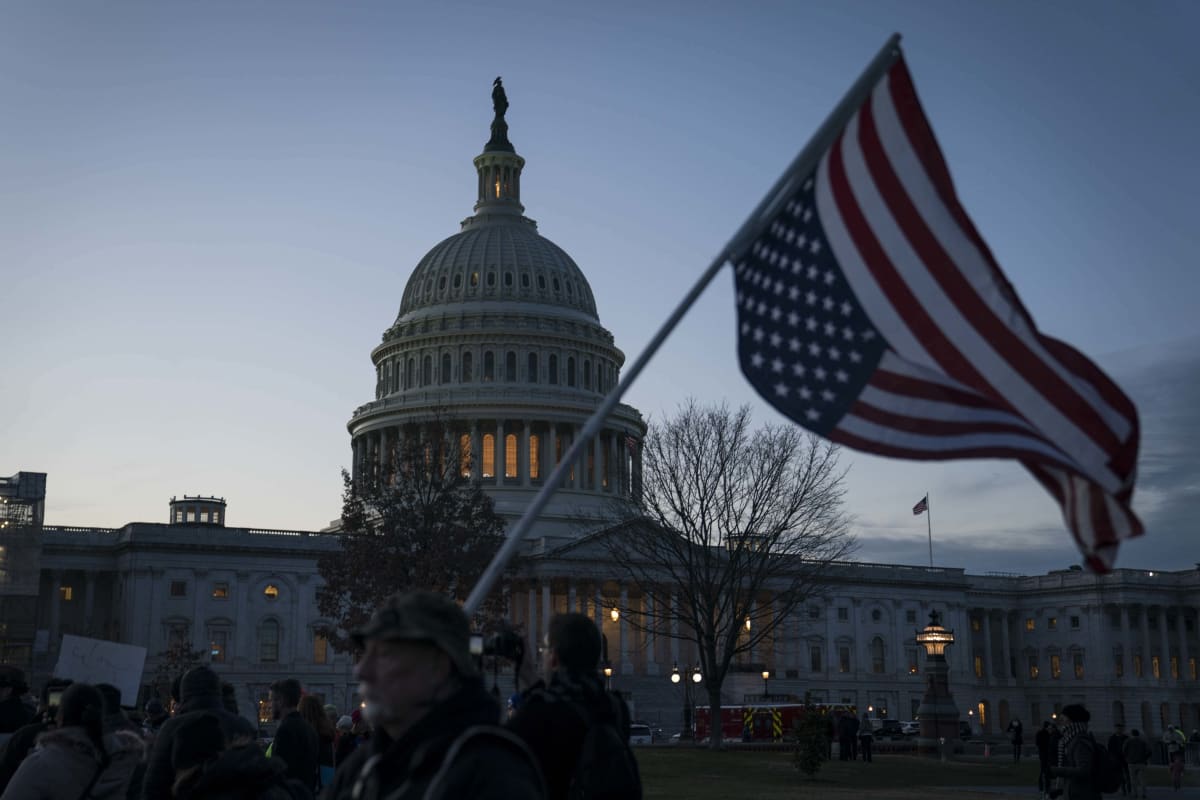
Rand Paul raises concerns amid shutdown and DHS funding dispute
Alongside the Iran issue, Paul also addressed domestic challenges, particularly the ongoing partial government shutdown linked to funding for the Department of Homeland Security. The funding impasse has disrupted air travel and left Transportation Security Administration workers unpaid for over a month.
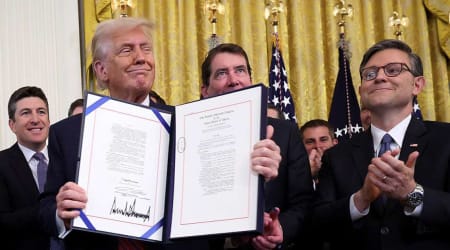
Trump recently signed an executive order to compensate these workers using funds from previously approved legislation, referred to as the “One Big Beautiful Bill.” However, Paul indicated that such fiscal confrontations are likely to continue, suggesting persistent instability in government funding processes.
Paul said, "We're going to have another one of these in six months, you know? The spending will expire come the end of September, So, I'm not against the fight. In fact, I want to make the fight such that we're fighting over the increases and not the salaries."
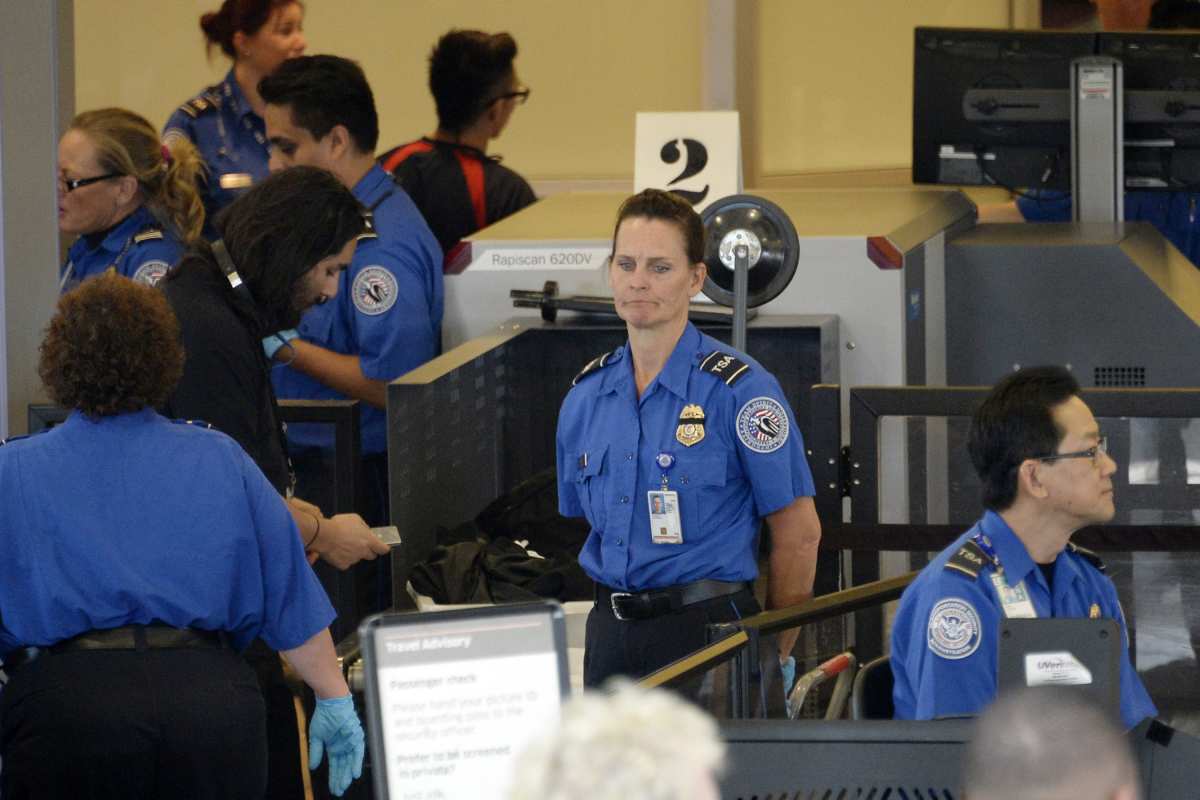
He also opposed the nomination of Markwayne Mullin, Trump’s new pick to lead the DHS citing concerns about his character and response to a 2017 incident in which Paul was assaulted. Mullin addressed his conflict with Paul in his opening statement after being sworn in as secretary, saying he "won't back down from a challenge" and will also admit when he's wrong.
As the 2028 election draws nearer, the senator said he has not ruled out launching another campaign, "We're thinking about it, and I would say 50/50, But I'm not going to do it just to do it. It would be, one, because we need to have a free market wing. We need to have a free trade wing in the party. And we need to have a wing of the party who's not eager for war and tries to at least explore diplomacy as an option to war."