Republican senators question Trump’s affordability agenda ahead of 2026 elections
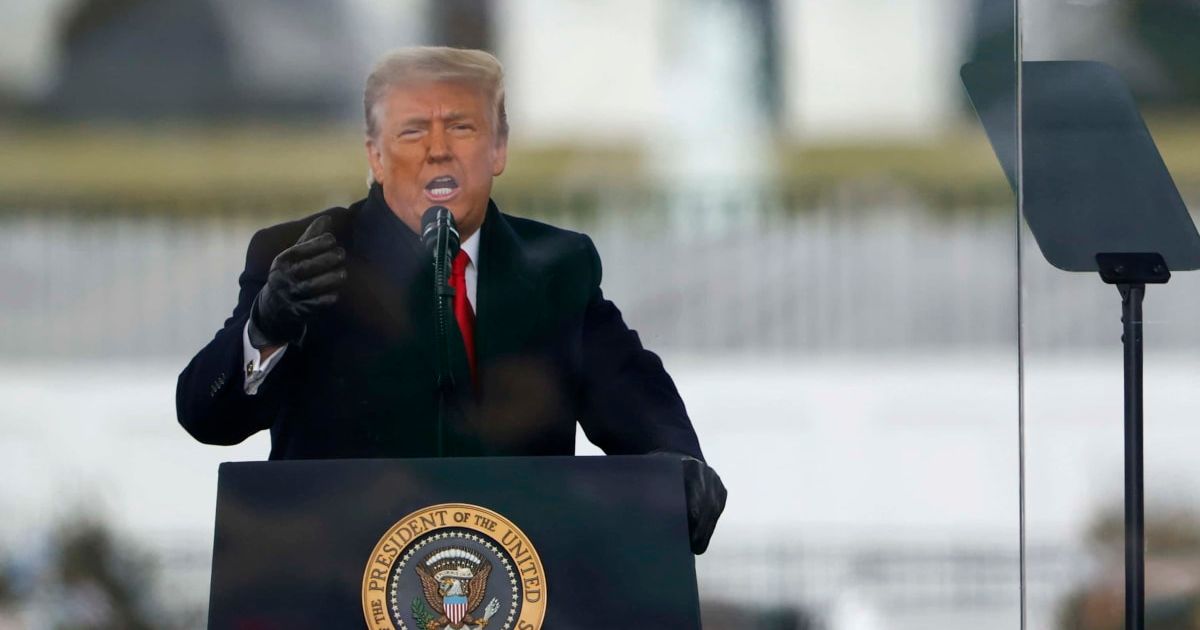
WASHINGTON, DC: Republican senators are responding to Democratic attacks on affordability by reviewing President Trump's latest economic proposals on Monday, December 1, as the party prepares for the 2026 midterm elections.
While the stock market has reportedly hit multiple all-time highs throughout 2025, GOP lawmakers are analyzing how specific measures regarding mortgages and tariffs will impact the broader economy.
Data from the American Farm Bureau Federation indicates that a classic Thanksgiving dinner is now about five percent cheaper than it was during former President Biden's final year in office.
Despite this improvement, lawmakers acknowledge that high prices remain a central topic for voters.

Rand Paul warns of market correction
Senator Rand Paul (R-Ky) expressed caution regarding the future of the economy despite market successes.
"I get the feeling that there is concern about there," Paul stated as per The Hill regarding the economic outlook.
He added, "I still worry that there is a giddiness of the stock market... I am concerned there is a possibility of a severe correction."
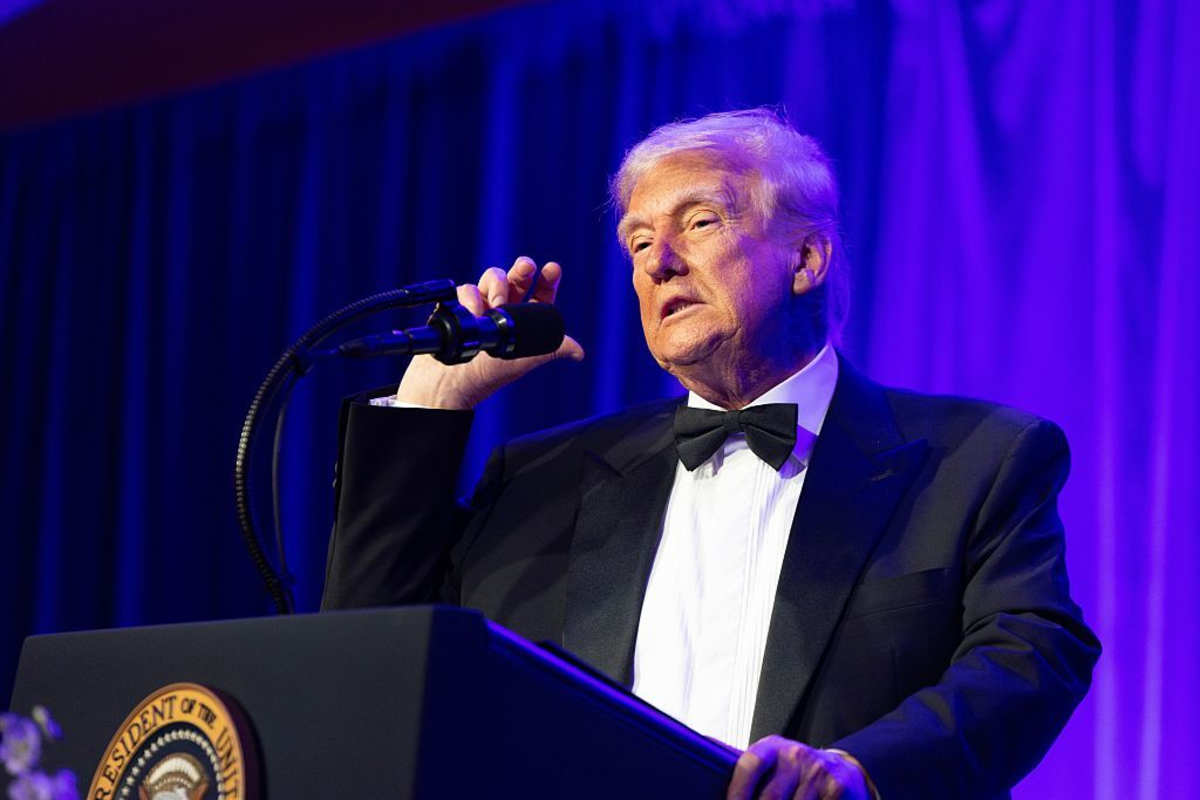
Paul suggested that tariffs could play a role in market fluctuations and emphasized the need to work hard ahead of what could be a difficult midterm cycle.
He noted that the party needs a 'very good answer' for helping people with health insurance moving forward.

Senators question 50-year mortgage plan
One of the proposals under discussion is the introduction of 50-year mortgages aimed at helping Americans cope with interest rates.
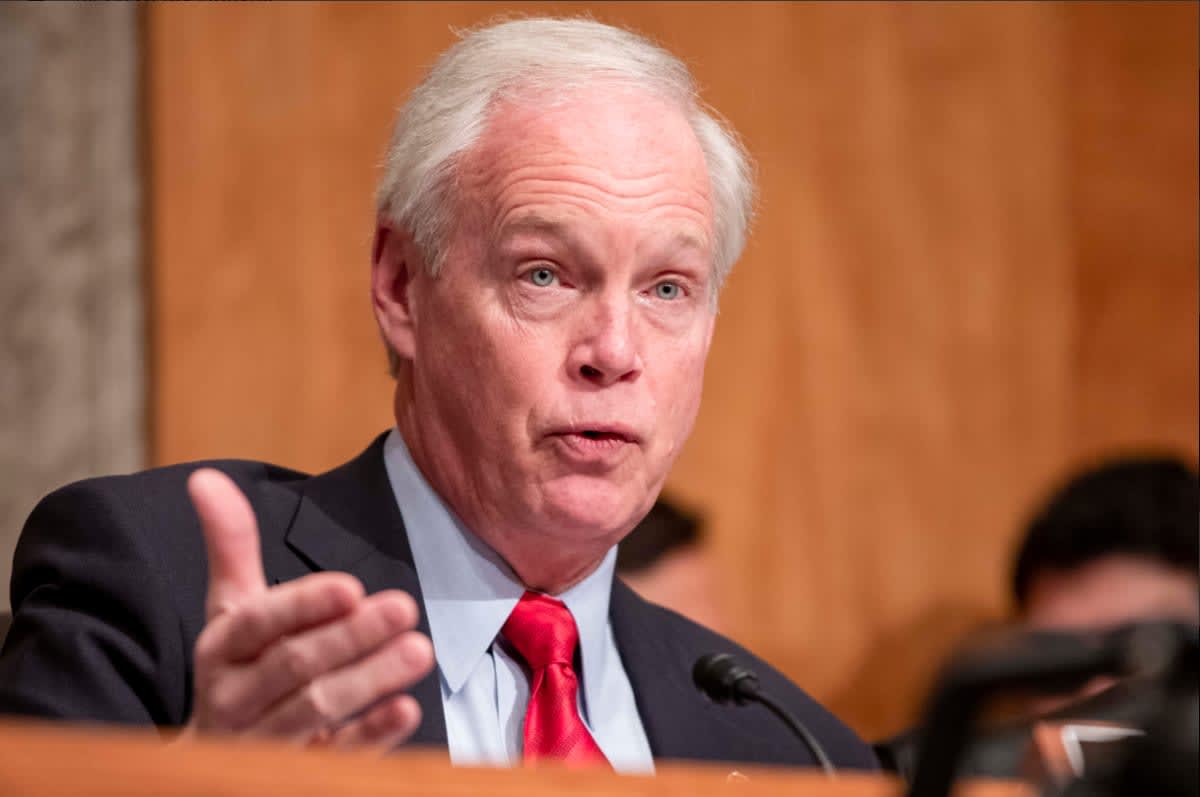
Senator Ron Johnson (R-Wis) took a fiscally conservative stance on the idea of extending loan terms.
"I would not take one out. It is not a good idea," Johnson remarked regarding the half-century commitment.
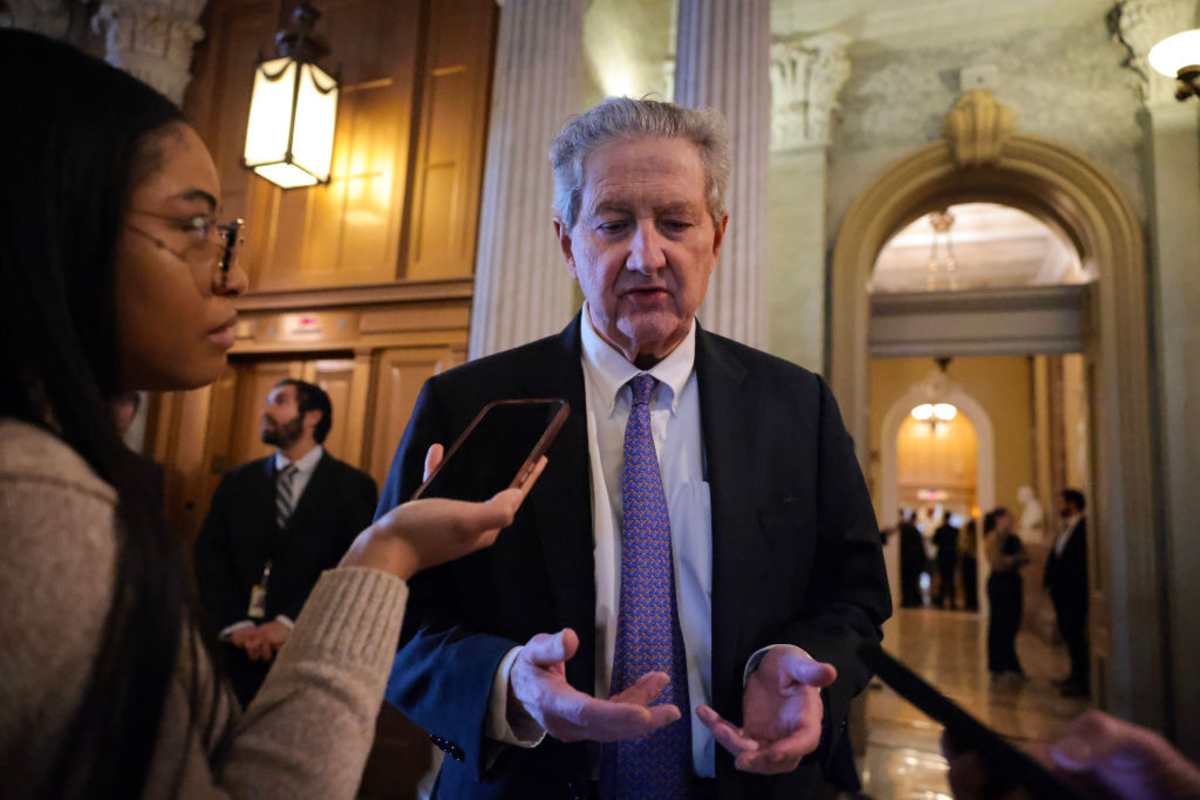
Senator John Kennedy (R-La) suggested that the Banking Committee should hold hearings to weigh the pros and cons.
"There are some advantages of it in terms of lowering the cost of owning a home, but there are some disadvantages, too," Kennedy noted.
He pointed out the significant extra interest that would accrue over such a long period compared to a traditional 30-year loan.
Focus remains on deficit reduction
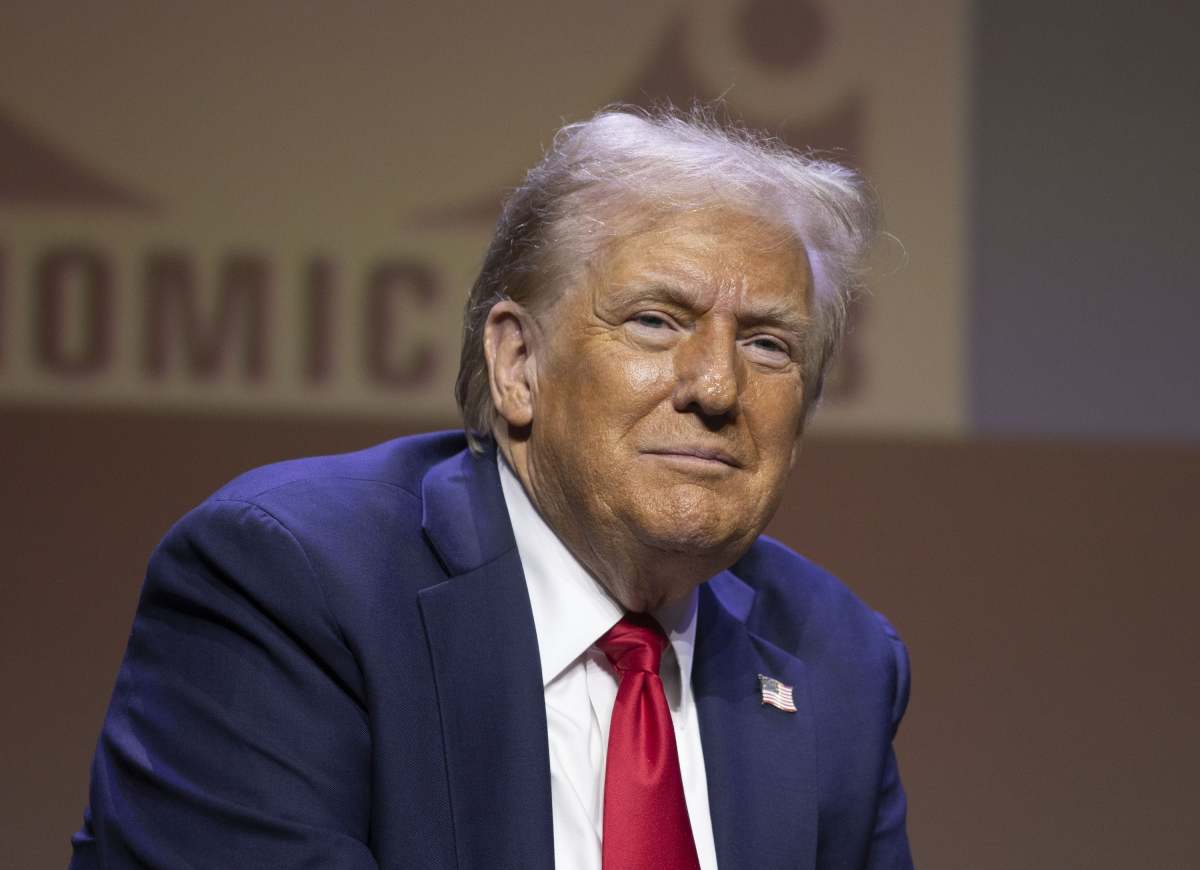
Another topic of conversation is the president's plan to distribute $2,000 tariff 'dividend' checks to millions of Americans.
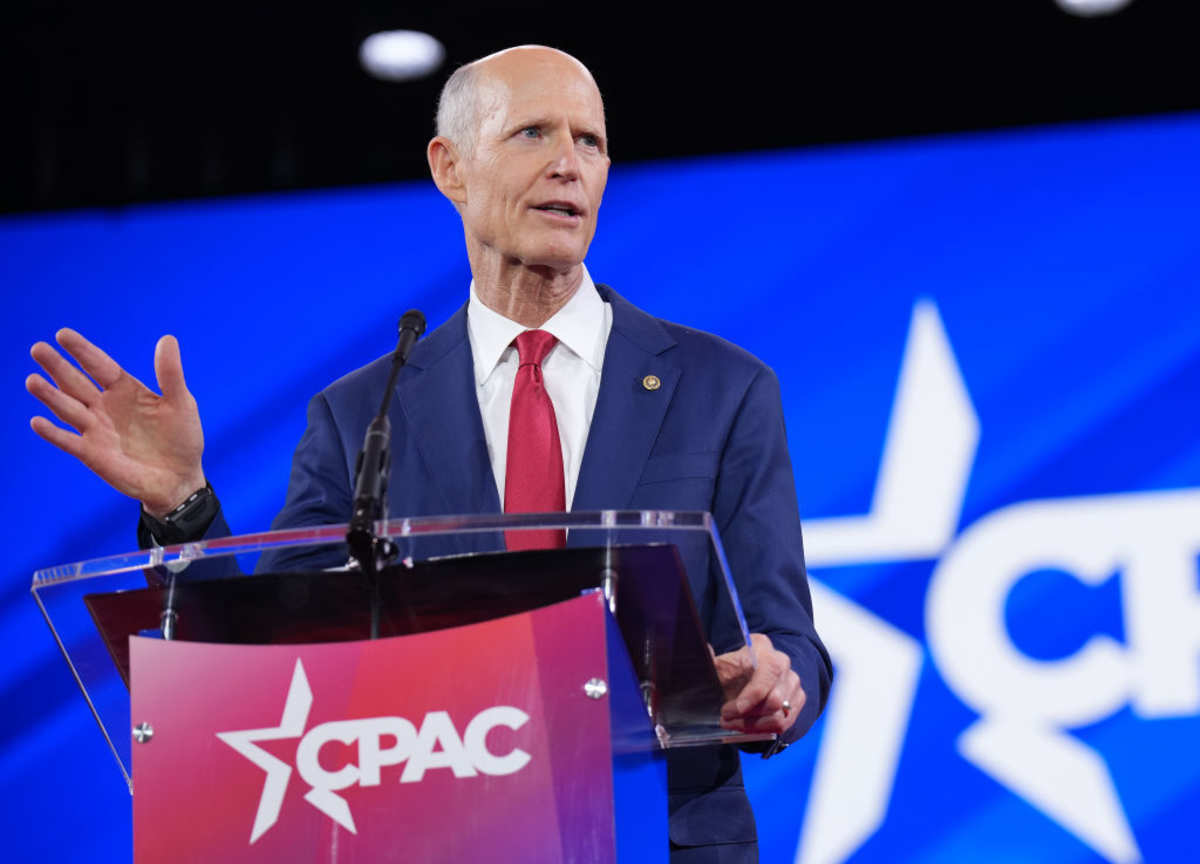
Senator Rick Scott (R-Fla) argued that increased revenue should be prioritized for deficit reduction rather than immediate rebates.
"I do not know the details, but I would rather pay down the debt," Scott said, adding, "I worry about inflation every day."
Senator James Lankford (R-Okla) echoed these sentiments, noting that higher tariff revenues are currently helping to keep deficits in check.
He observed that any dividend paid out would potentially add to the national debt.
Lawmakers dismiss rumors of revolt
Despite the debates over specific policy mechanics, Republican leadership emphasizes that this discourse is part of a healthy legislative process rather than a sign of division.
Senator Thom Tillis (R-NC) clarified that pushing back on ideas is simply a way to provide "respectful feedback" to the president based on constituent needs.
"I do not view it as much as a defection or a disagreement with the president but saying, Look, these are serious issues that we need to address in a way that best positions us for re-election next year," Tillis explained.
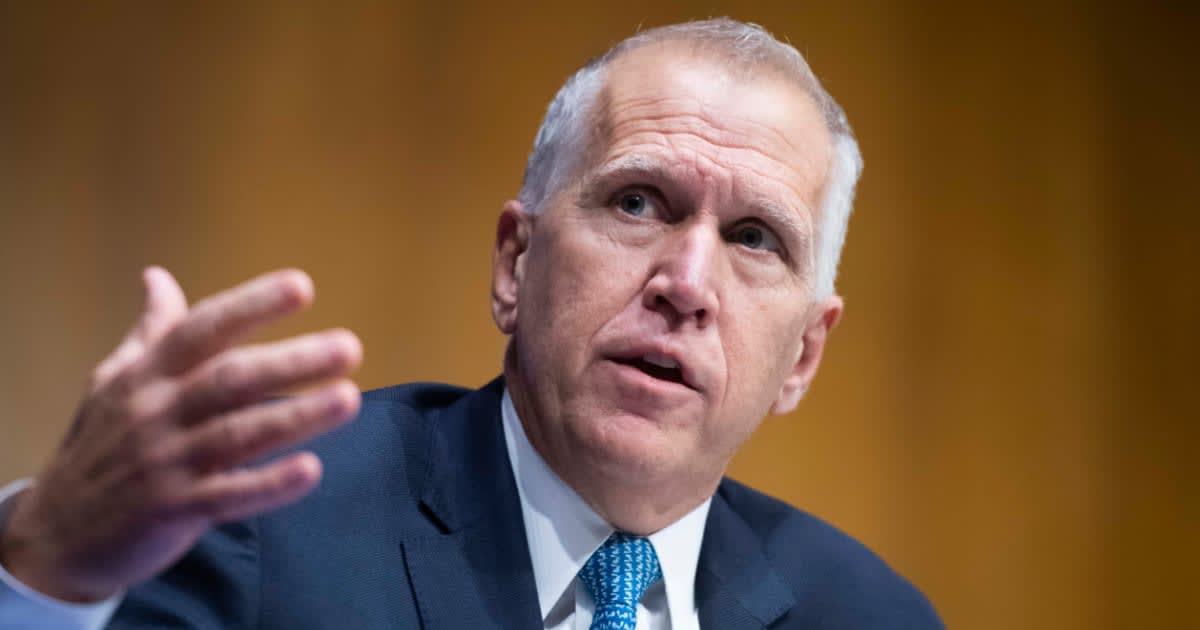
He dismissed narratives suggesting internal conflict, stating, "Some people are trying to paint the picture that this is the beginning of a revolt. I think that is nonsense."
GOP lawmakers remain optimistic that voter sentiment regarding the economy will continue to improve in 2026.
The party anticipates benefits from the One Big, Beautiful Bill Act, which Trump signed in July, along with potential interest rate cuts by the Federal Reserve.