Russia sanctions bill could hand Trump sweeping new tariff powers
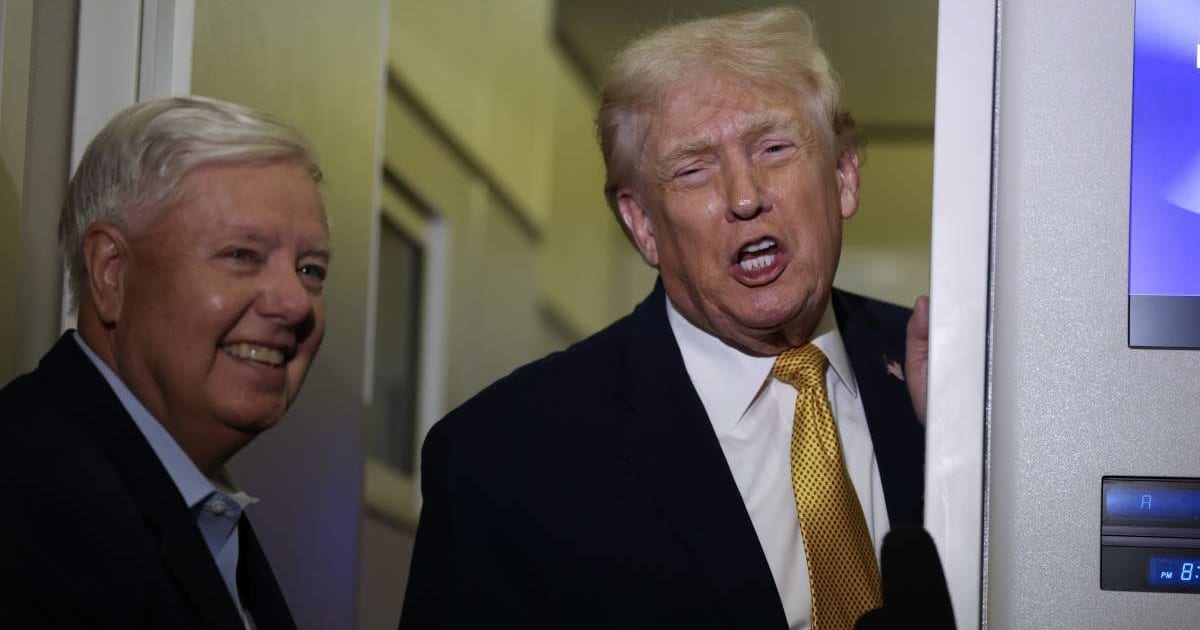
WASHINGTON, DC: A Russia sanctions bill that overwhelmingly cleared the Senate is drawing fresh attention over a provision critics say could significantly expand President Donald Trump's authority to impose tariffs, shifting debate beyond Moscow and toward the future of US trade policy.
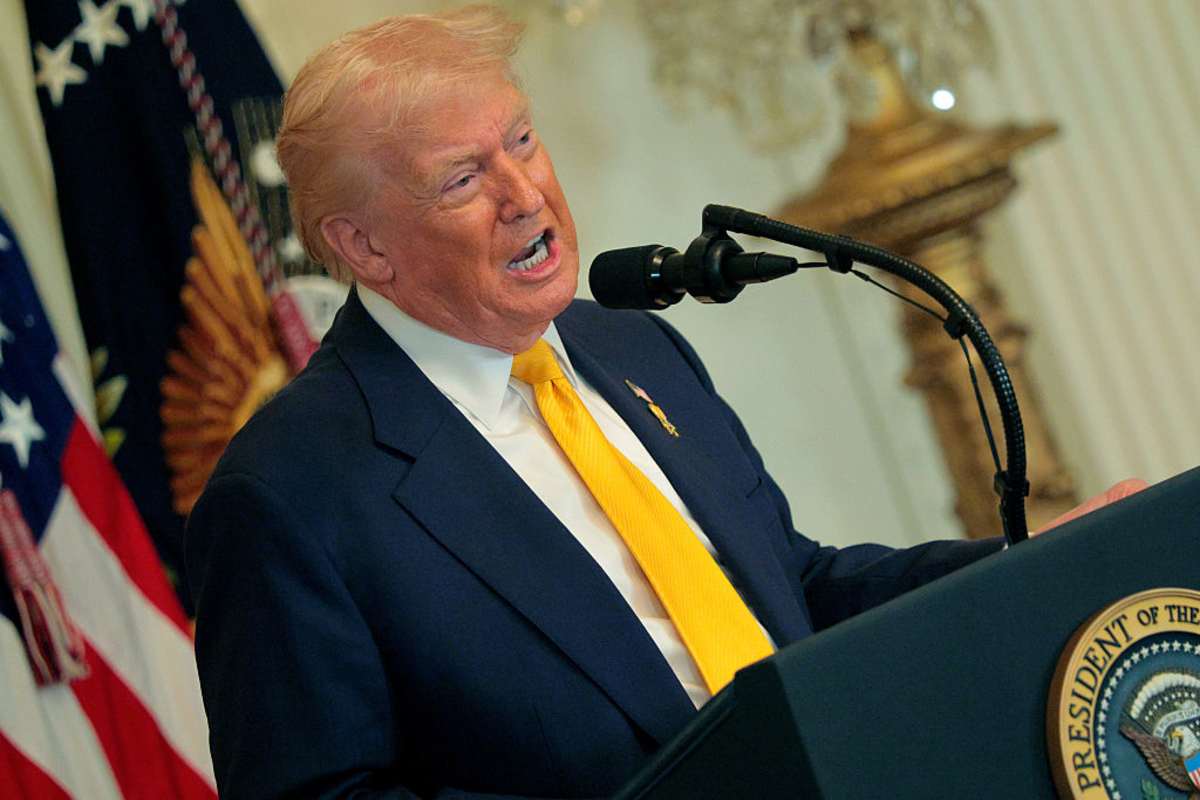
The Lindsey O. Graham Sanctioning Russia Act passed the Senate in an 86-11 vote before lawmakers left for the August recess. While the legislation is primarily aimed at increasing economic pressure on Russia over its war in Ukraine, a separate tariff provision has prompted objections from both Republican and Democratic lawmakers, who argue Congress could be granting the president broader powers over international trade.
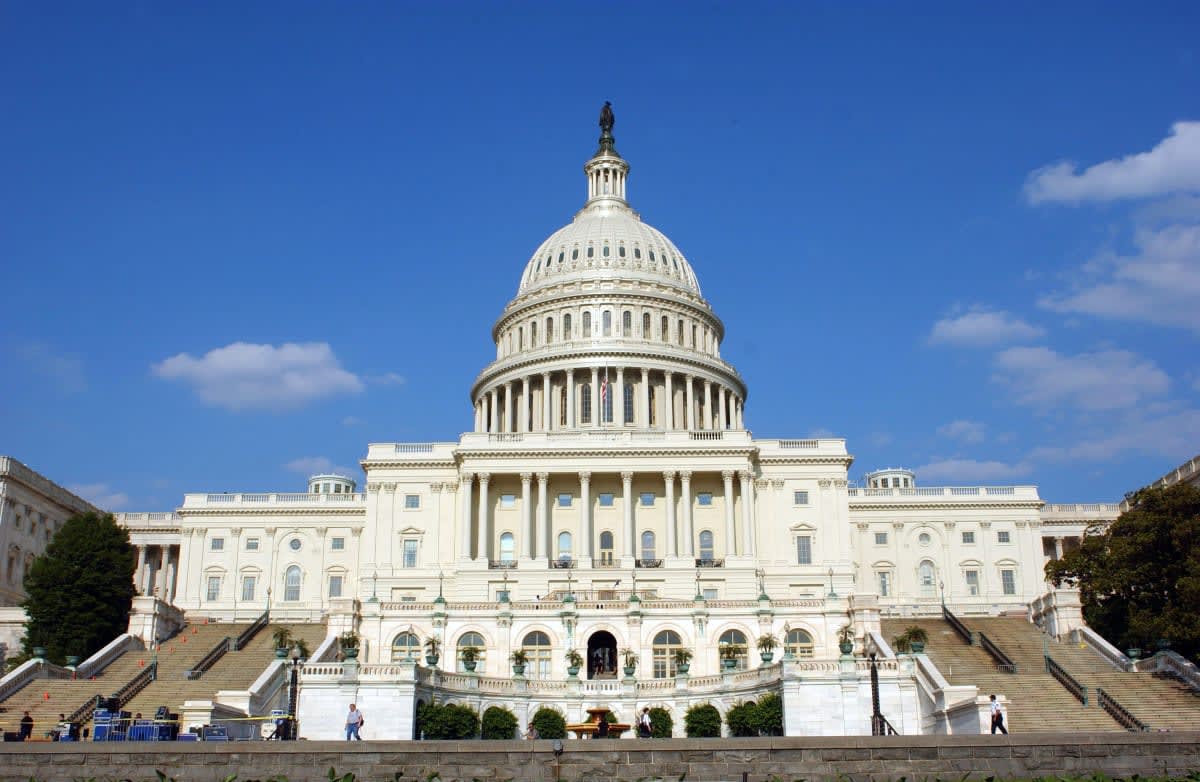
The legislation now heads to the House, where the tariff language is expected to face closer scrutiny.
Tariff provision draws fresh scrutiny
Much of the debate has centered on language that would allow the president to impose steep tariffs on countries that continue purchasing Russian energy.
Critics argue the provision could extend beyond Russia policy by giving the White House wider discretion to use tariffs against other countries.
Sen. Rand Paul unsuccessfully sought to remove the tariff language before final passage, arguing Congress was delegating one of its constitutional responsibilities.
"What sort of feckless Congress gives away their power?" Paul said during Senate debate.
Several Democrats also voiced concerns, warning the legislation could further expand presidential authority over trade policy at a time when tariff powers have already become the subject of legal and political disputes.
Supporters cite safeguards
Despite those concerns, most senators ultimately backed the legislation, arguing the sanctions package remained too important to derail over disagreements about the tariff provision.

According to Reuters, US Trade Representative Jamieson Greer assured lawmakers the administration would follow guardrails governing the use of the new tariff authority, helping secure broader bipartisan support for the measure.
Supporters also argued the legislation is designed to pressure countries that continue importing Russian energy rather than create an unrestricted new trade tool.
The sanctions package passed with overwhelming bipartisan support despite the objections raised during debate.
House battle could reshape bill
With Senate approval secured, attention now shifts to the House, where lawmakers are expected to closely examine the tariff language before considering final passage.
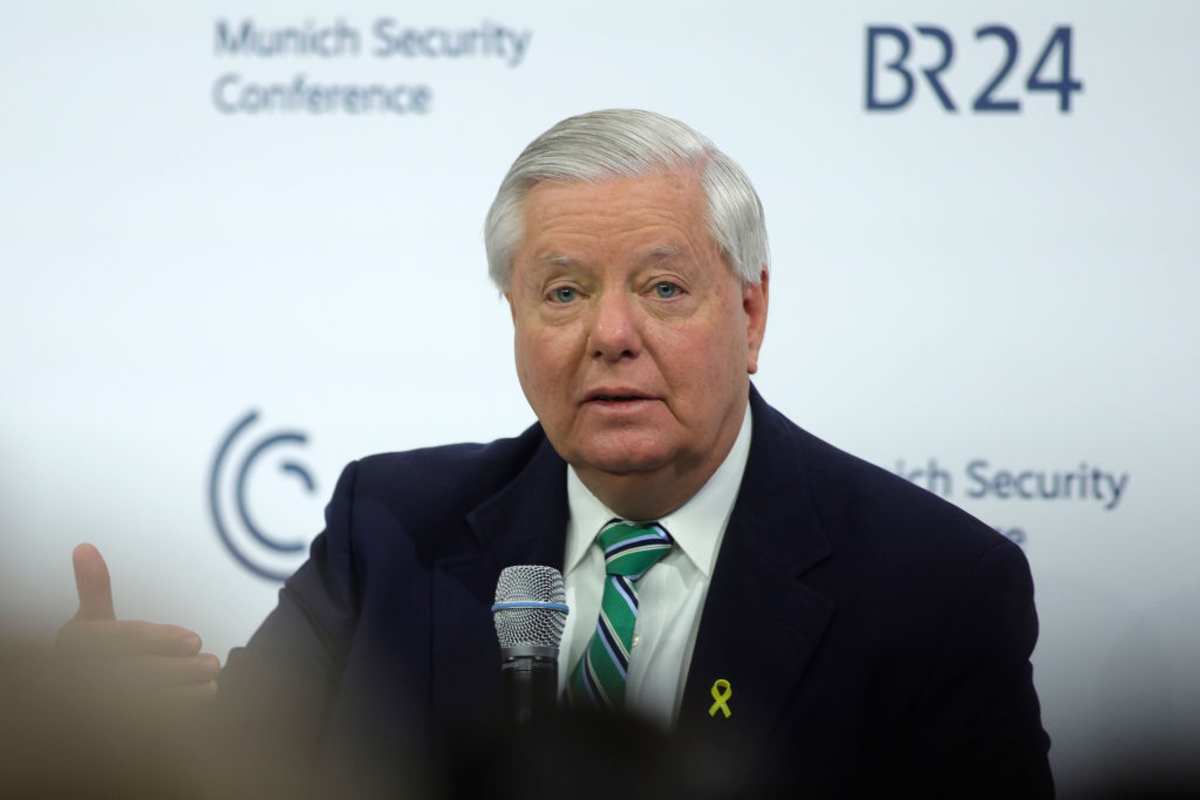
Some lawmakers have indicated they want changes to the provision, arguing Congress should preserve its oversight role over trade policy while maintaining pressure on Russia.
The debate is expected to focus less on the sanctions themselves, which enjoy broad bipartisan backing, and more on whether the bill grants the executive branch broader tariff authority than Congress intended.
If House lawmakers amend the tariff provision, the legislation would need to return to the Senate before it could reach Trump's desk.