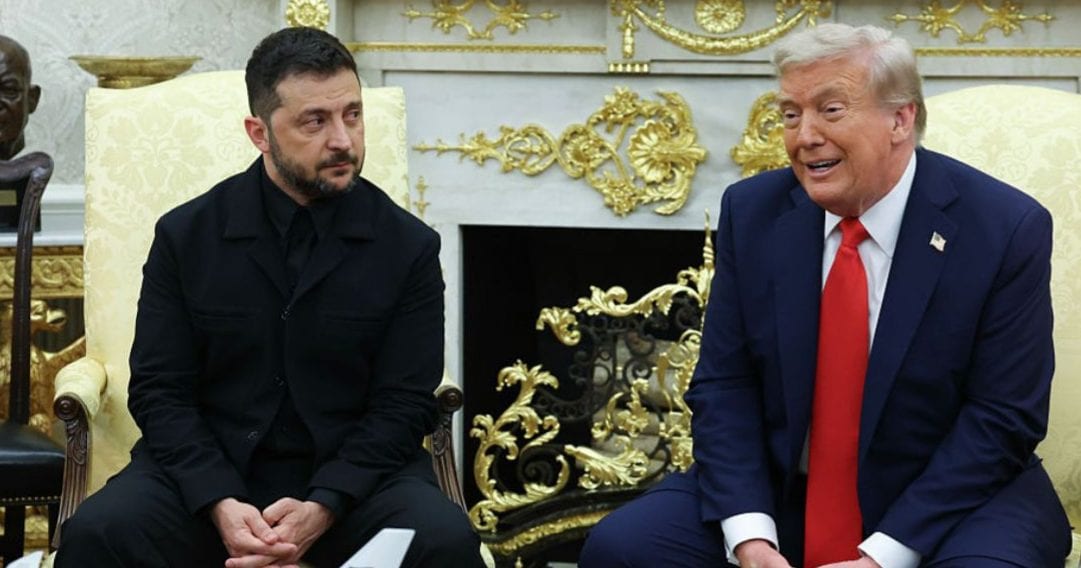
Senate confirms Trump's pick Jay Clayton as top spy despite concerns over 2020 election testimony
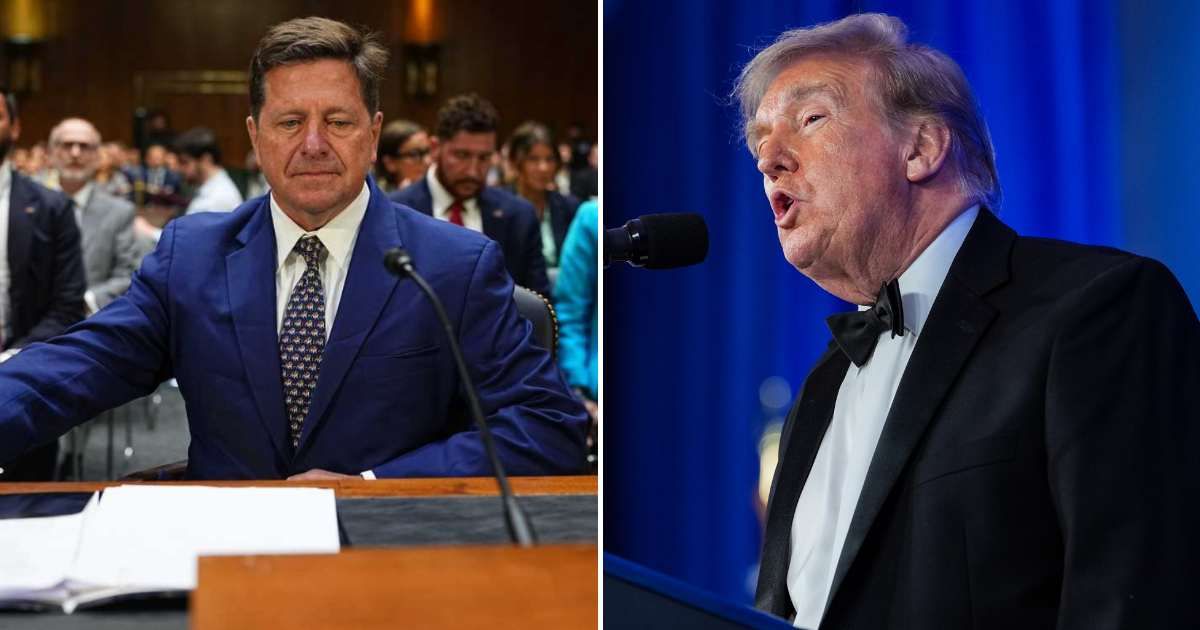
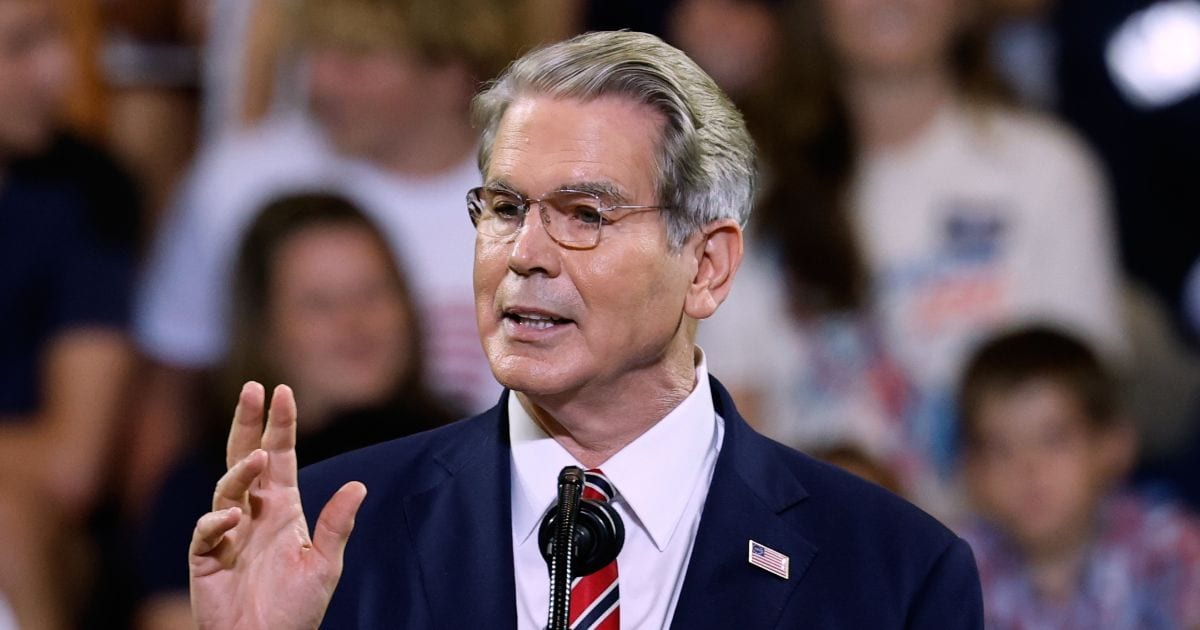
WASHINGTON, DC: The US Senate on Tuesday, July 28, confirmed President Donald Trump's nominee, Jay Clayton, as Director of National Intelligence (DNI), approving him in a 51-47 party-line vote.
Clayton, currently serving as US attorney for the Southern District of New York and a former Securities and Exchange Commission chairman, will oversee the nation's 18 intelligence agencies. His confirmation followed weeks of partisan debate over his qualifications, testimony during his confirmation hearing, and the future direction of the intelligence community.
Jay Clayton confirmed after contentious confirmation process
Clayton succeeds former Director of National Intelligence Tulsi Gabbard, who stepped down in June, and will oversee the nation's 18 intelligence agencies, coordinate intelligence operations, and deliver the president's daily intelligence briefing.
His confirmation process drew sharp scrutiny from Democrats during a contentious hearing earlier this month, where they repeatedly pressed him on the 2020 presidential election. Clayton denied being an election denier but stopped short of saying Joe Biden won, instead stating that Biden was "certified" as president and received "the most electoral votes."
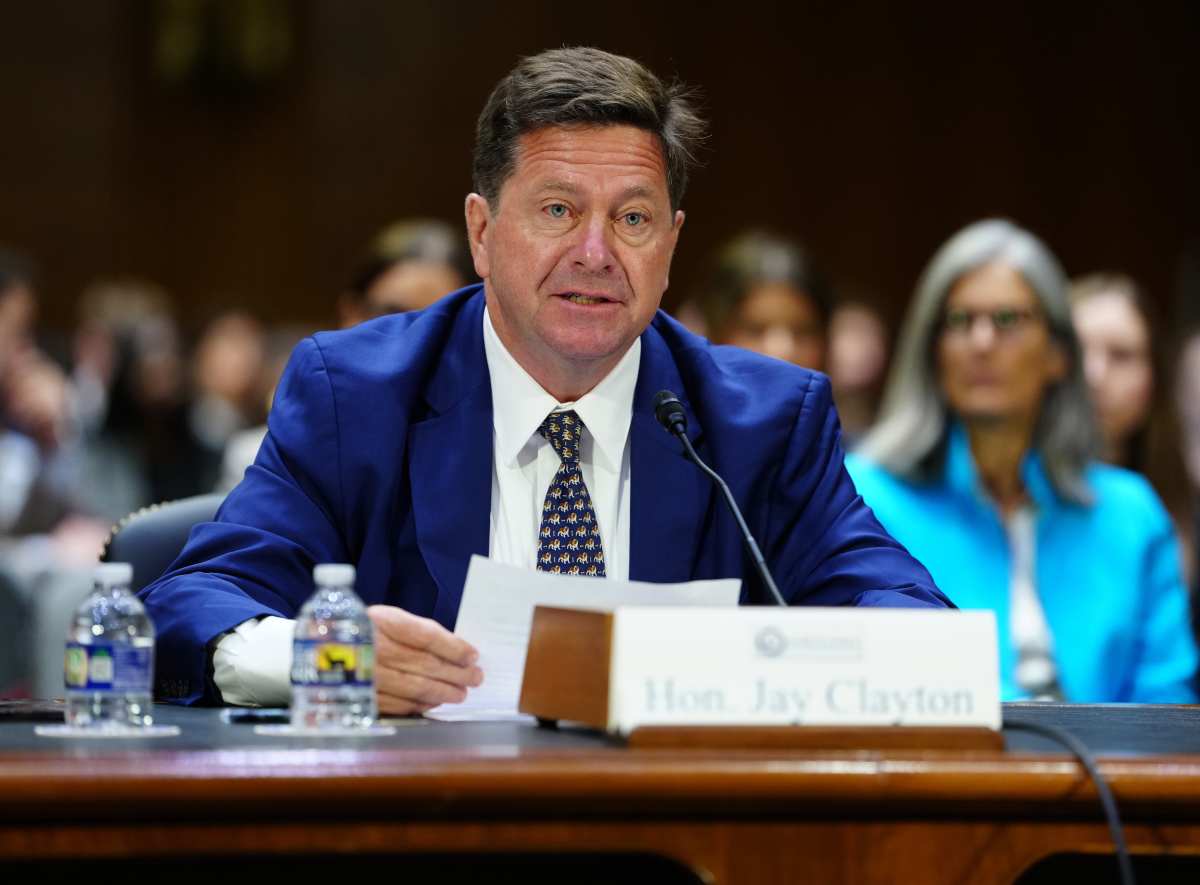
Lawmakers also questioned Clayton over subpoenas seeking testimony from New York Times journalists who reported on security concerns involving Trump's Qatari-donated Air Force One. The Justice Department later withdrew the subpoenas after a federal judge raised concerns about the investigation.
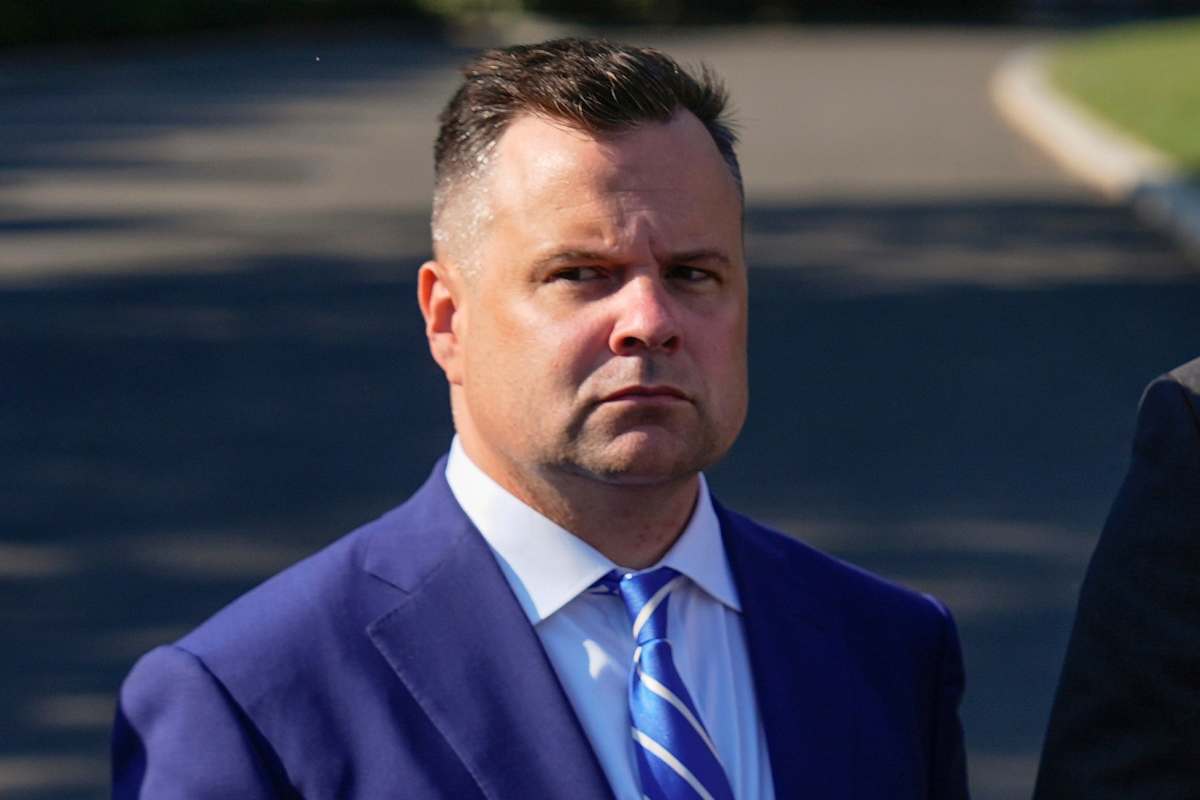
Clayton's nomination was also briefly delayed in June after Trump asked Senate Republicans to postpone his confirmation while Congress considered election-related legislation. During that period, Federal Housing Finance Agency Director Bill Pulte served as acting DNI, overseeing staff reductions across the Office of the Director of National Intelligence.
Mark Warner, Adam Schiff voice concerns as Republicans back nominee
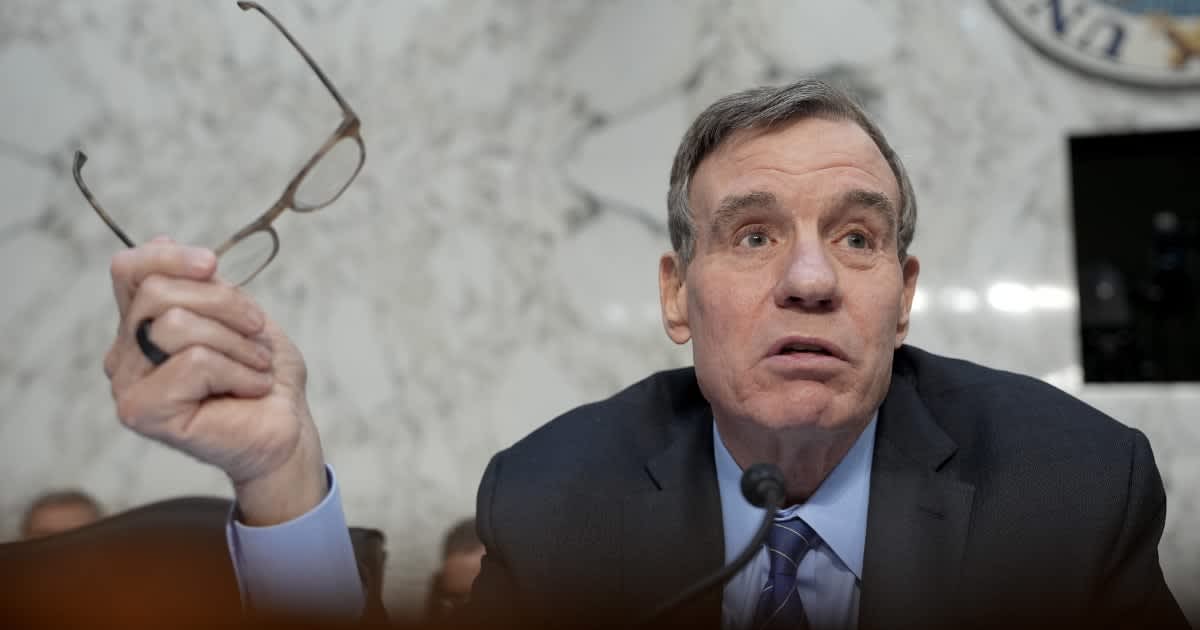
Following the vote, Senate Intelligence Committee Vice Chairman Mark Warner said he had initially viewed Clayton's nomination positively but changed his assessment during the confirmation process.
"Having known and worked with Jay for years, I was encouraged when he was first nominated for the position of DNI," Warner said. "Unfortunately, I came away from his confirmation process with serious reservations about whether he would be willing to stand up to political pressure when it matters most."
Senator Adam Schiff also opposed the nomination, arguing Clayton lacked the national security experience required for the role. "When Congress created the position of the DNI after the 9/11 attacks, the law laid out a simple qualification for the position: that the DNI 'shall have extensive national security expertise.' Jay Clayton fails that foundational, statutory test," Schiff said.
When the position of the DNI was created by Congress after the 9/11 attacks, the law laid out a simple qualification for the position: that the DNI “shall have extensive national security expertise.” Jay Clayton fails that foundational, statutory test. 🧵
— Senator Adam Schiff (@SenAdamSchiff) July 28, 2026
Schiff further argued that Clayton's responses during his confirmation hearing raised broader concerns about the independence of the intelligence community. "Not only does Jay Clayton lack the expertise to lead the Intelligence Community, but he has also shown an unwillingness to speak truth to power," Schiff said.
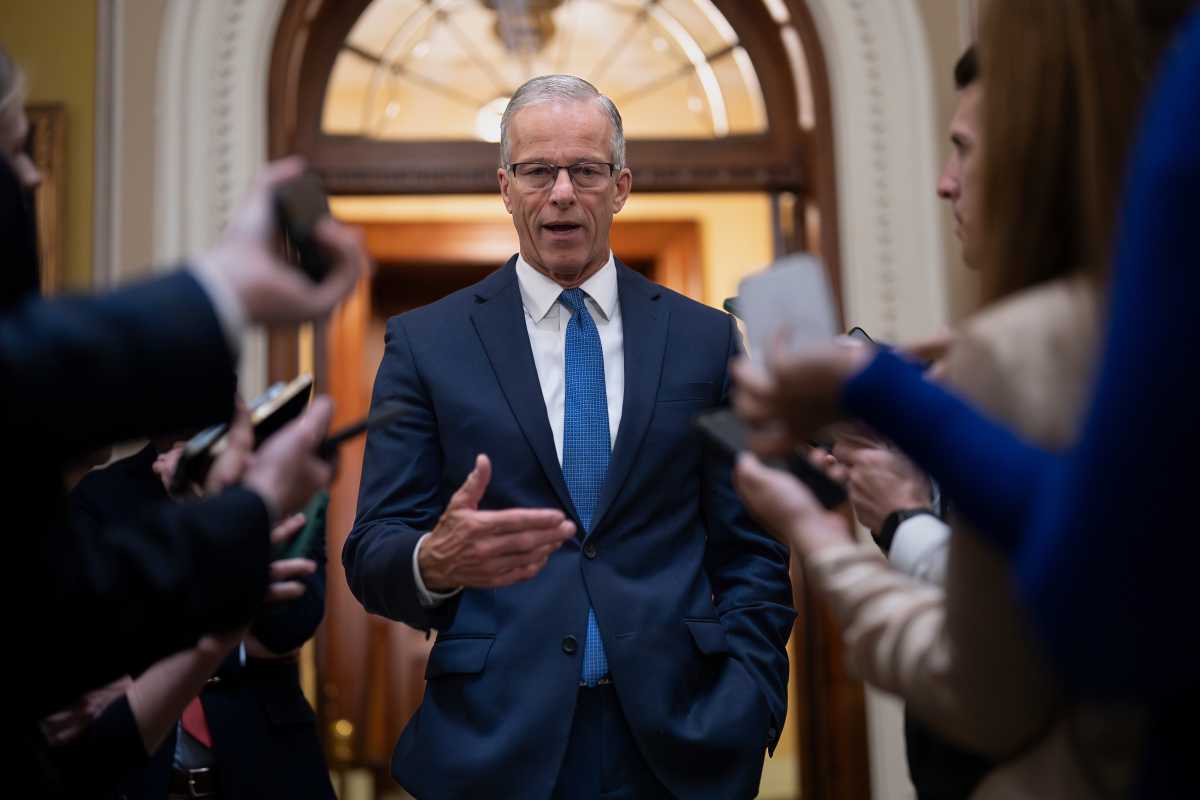
Republicans defended Clayton's nomination, with Senate Majority Leader John Thune calling him "a proven leader" and Senate Intelligence Committee Chairman Tom Cotton describing him as "a highly qualified nominee" with national security experience.
Clayton takes office as lawmakers continue debating the renewal of Section 702 of the Foreign Intelligence Surveillance Act, which expired in June and remains stalled in the Senate.