Senate fast-tracks 'Rotor Act' in response to fatal DC air tragedy in January
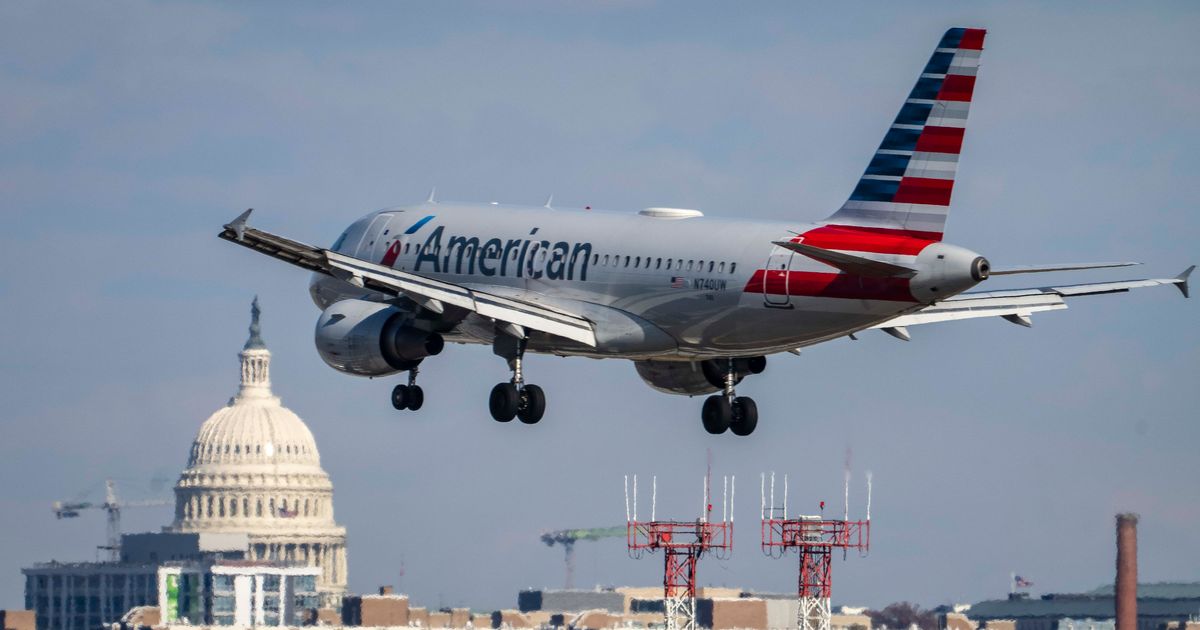
GOOD NEWS: The Senate Commerce Committee has advanced the ROTOR Act.
— Senator Jerry Moran (@JerryMoran) October 21, 2025
This legislation will improve aviation safety and address vulnerabilities in the airspace that contributed to the tragic crash between American Airlines Flight 5342 and an Army Blackhawk helicopter on Jan. 29. pic.twitter.com/IPabH1hys2
WASHINGTON, DC: The Senate on Wednesday, December 17, passed the bipartisan 'ROTOR Act' through a fast-track unanimous consent process, marking the first major piece of legislation to advance in response to January’s deadly midair collision near Ronald Reagan Washington National Airport.
The bill cleared the upper chamber after lawmakers from both parties objected to separate language in the National Defense Authorization Act (NDAA) that critics said could weaken aviation safety standards around Washington.
The January crash between a regional jet and an Army Black Hawk helicopter killed 67 people, making it the deadliest US aviation disaster in more than two decades.
Ted Cruz optimistic about signing the 'ROTOR Act' into law
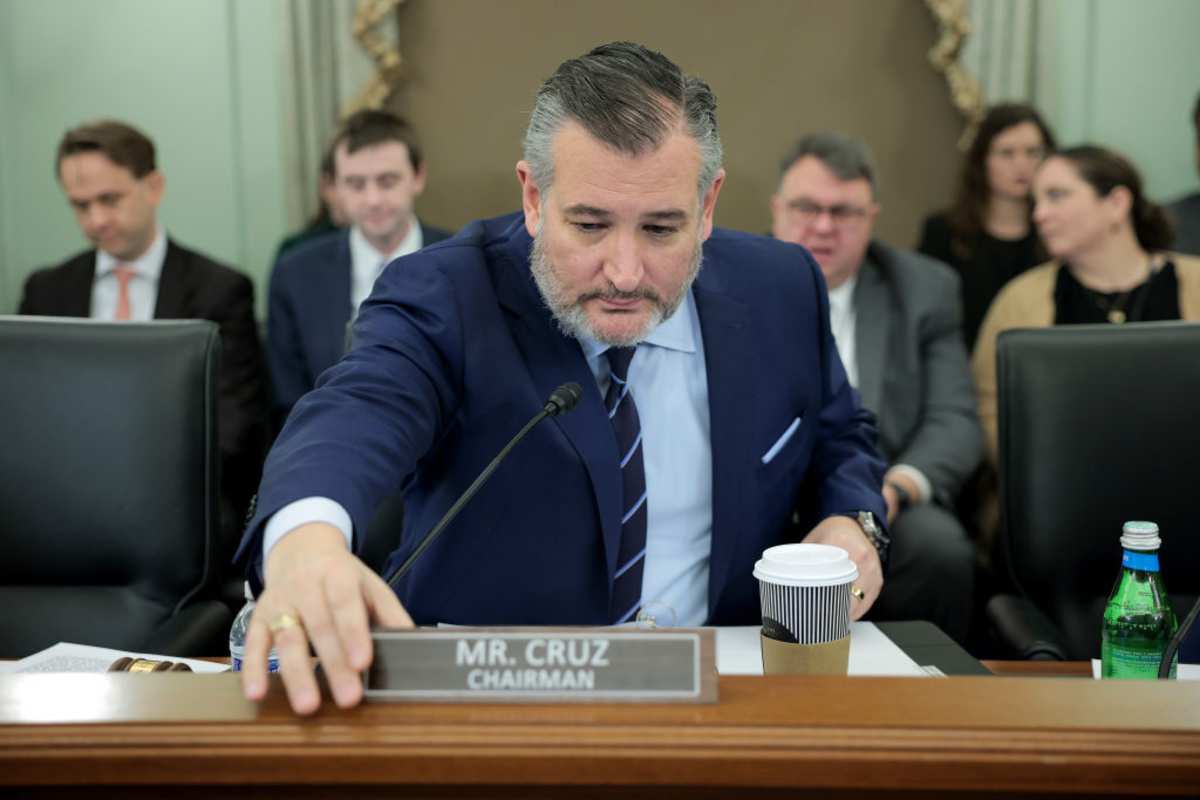
Commerce Committee Chairman Sen Ted Cruz (R-Texas) said that the Senate acted quickly to ensure the safety-focused measure could move forward independently.
“We still have a few small outstanding issues, but I’m optimistic that we’re going to get this done and signed into law as soon as next month,” Cruz said on the Senate floor after the bill passed.
The 'ROTOR Act' had initially been targeted for inclusion in the must-pass NDAA, but that effort collapsed after Cruz and Sen Maria Cantwell (D-Wash), the ranking member of the Commerce Committee, raised alarms about a separate NDAA provision tied to military aviation operations around Washington.
That provision, they argued, risked rolling back safeguards put in place after the January crash.
Bipartisan pushback over NDAA air safety language
Cruz and Cantwell publicly criticized the NDAA language, saying that it could allow certain military helicopters operating in the Washington region to disable Automatic Dependent Broadcast-Out (ADS-B Out), a key location-transmitting technology used to prevent midair collisions.
National Transportation Safety Board Chair Jennifer Homendy echoed those concerns, warning that the NDAA language could undermine air safety by permitting aircraft to fly without the technology active.
Nearly 3 decades. You read that right; 3 decades! That's how long @NTSB has been advocating for implementation of ADS-B In. In 2010, when the FAA issued its rulemaking on ADS-B Out, we stated, "The Safety Board is very concerned that the FAA does not plan to require ADS-B In…
— Jennifer Homendy (@JenniferHomendy) December 17, 2025
Both senators filed amendments to strip the provision and replace it with the ROTOR Act, but neither amendment received a vote as the Senate rushed to pass the NDAA before the holiday recess.
The defense bill ultimately passed 77-20, with Cruz voting in favor and Cantwell opposing it.
'ROTOR Act' advances separately with Pentagon support
Following the failed NDAA effort, Cruz moved to advance the 'ROTOR Act' as a standalone measure.
A person familiar with the negotiations said Cruz’s office reached an agreement with Senate leaders, including Majority Leader John Thune, to pass the bill by unanimous consent.
“We ask Congress, strike this provision and replace it with ROTOR” @famofflight5342 speak out against section 373 of NDAA pic.twitter.com/171sSOiHdQ
— Senate Commerce, Science, Transportation Committee (@commercedems) December 17, 2025
The 'ROTOR Act' was revised to remove the disputed NDAA language and adjusted further to address Pentagon concerns. While the final legislative text was not immediately released, the Defense Department signaled its backing.
Pentagon spokesperson Sean Parnell said that the department supports the legislation and looks forward to continuing discussions with Cruz’s committee to finalize the bill and move it toward enactment.
Key safety provisions tied to January crash
The 'ROTOR Act' would, among other provisions, limit the Army’s ability to turn off ADS-B Out on helicopters nationwide.
The technology was not engaged on the Black Hawk involved in the January crash, and Homendy previously said that it had not transmitted data for months prior to the incident.

After the collision, the Federal Aviation Administration required nearly all aircraft operating near Reagan National to broadcast via ADS-B Out, allowing only very limited exceptions.
Cantwell called the bill a meaningful step forward, saying on the Senate floor, “This bill represents real progress. We will work with our House colleagues to continue to strengthen this.”
A companion measure, introduced by Rep Bob Onder (R-Mo), is now pending in the House as lawmakers look to finalize Congress’s response to the tragedy.