Supreme Court restores cheaper TV ad rates ahead of midterms in major win for GOP
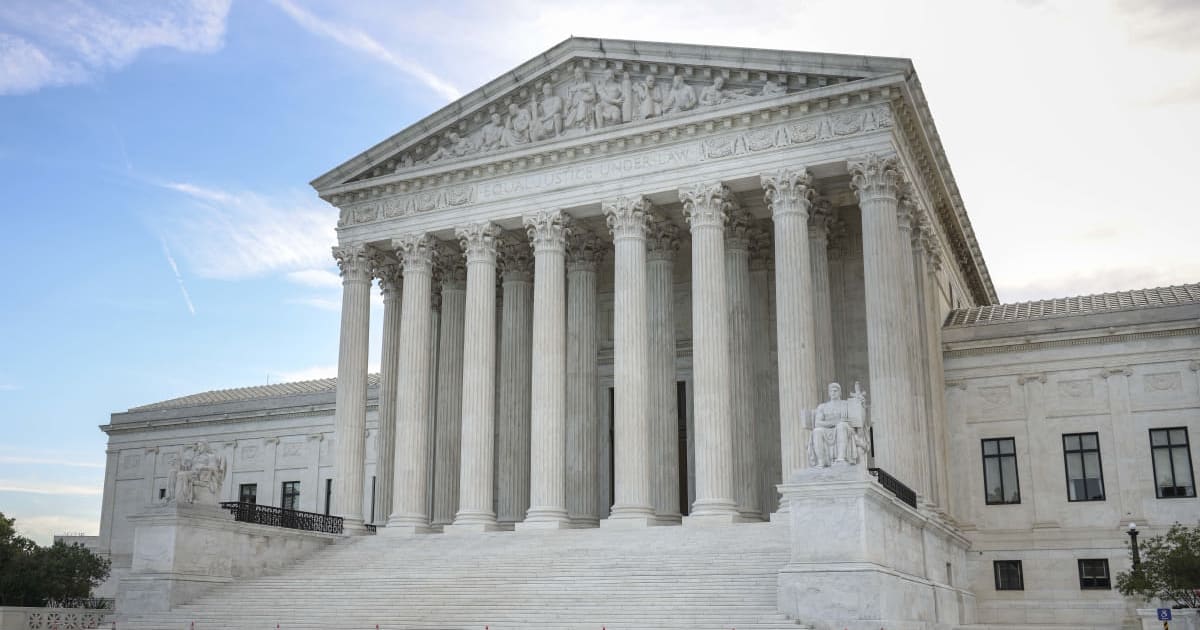
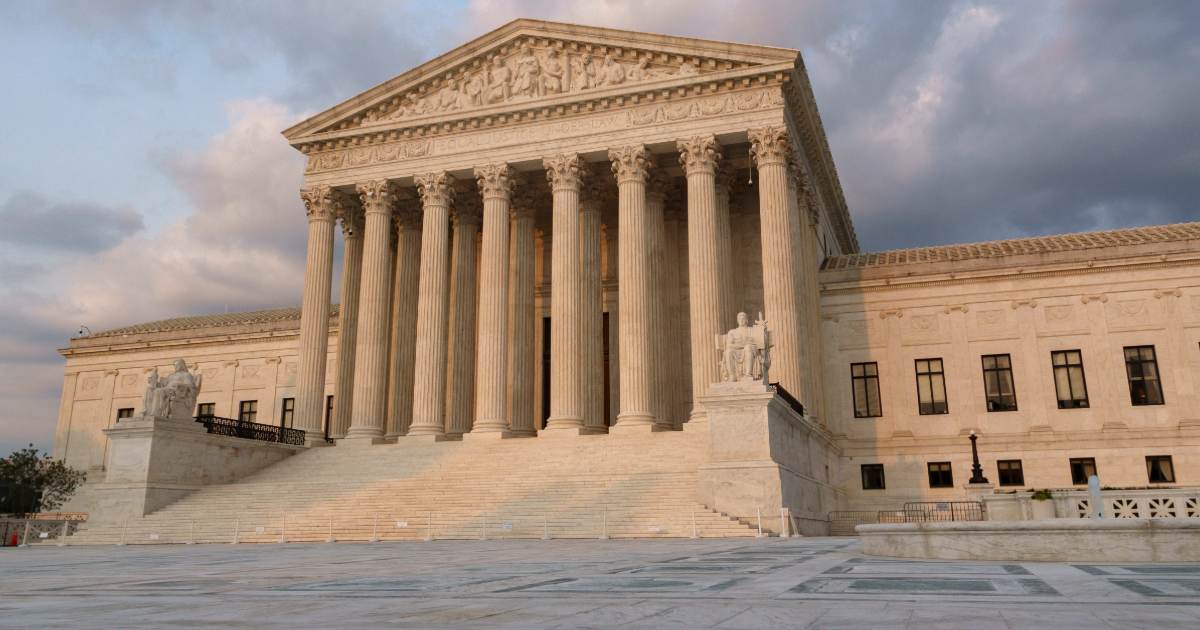
WASHINGTON, DC: The Supreme Court on Friday, September 4, sided with Republican campaign committees in a fight over discounted television advertising rates ahead of the upcoming November midterm elections.
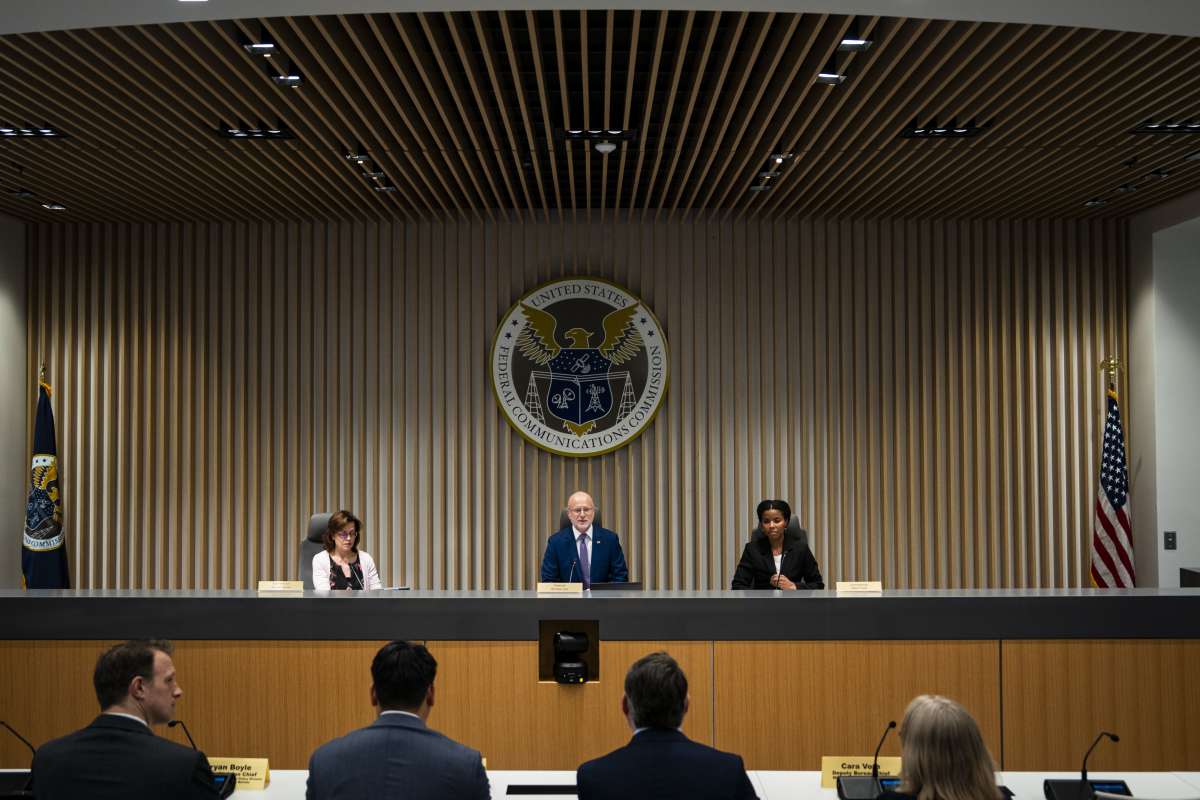
The justices halted a lower-court ruling that had blocked political parties from receiving the same favorable broadcast rates available to candidates. The decision restores Federal Communications Commission (FCC) guidance allowing parties and joint fundraising committees to receive those lower rates when their ads are coordinated with candidates.
Supreme Court restores FCC policy as ad wars approach
The dispute centers on the “lowest unit charge,” or LUC, rates that television stations must offer qualified political candidates during the 60 days before a general election. Those rates are typically lower than what political parties, super PACs and other outside groups pay for comparable advertising time.
In March, an FCC component issued guidance directing broadcasters to extend the discounted rates to political parties and joint fundraising committees purchasing ads in coordination with candidates.
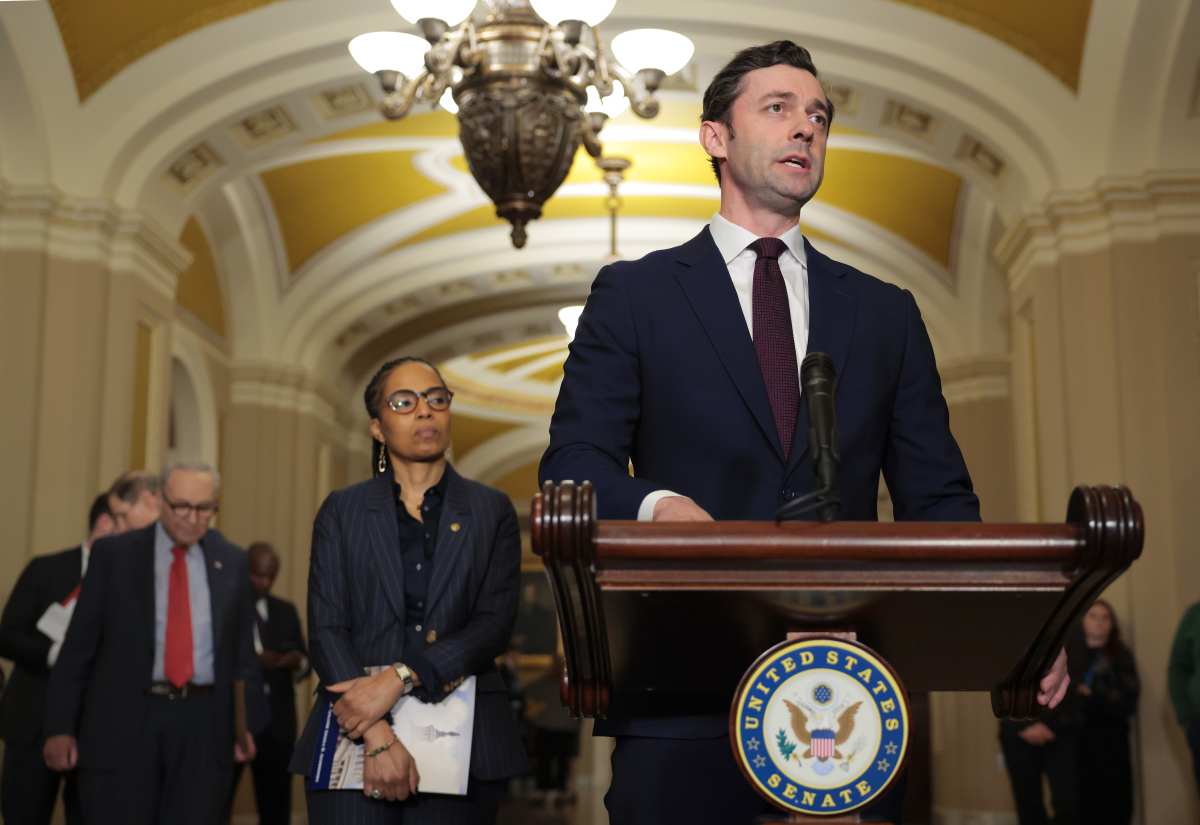
However, four Democratic candidates, Sen Jon Ossoff, Rep Kristen McDonald Rivet, former Sen Sherrod Brown, and former North Carolina Gov Roy Cooper, had challenged that guidance.
The 4th US Circuit Court of Appeals ruled 2-1 last month that the guidance was unlawful, finding that the lower rates applied to candidates and their campaign committees, not political parties or joint fundraising committees.
🚨 In a 2-1 ruling, the Fourth Circuit sided with Democratic Senate candidates and blocked an FCC policy that would have let political parties buy coordinated broadcast campaign ads at the same discounted rates reserved for candidates. pic.twitter.com/JWjwT4kpXc
— SCOTUS Wire (@scotus_wire) August 26, 2026
The National Republican Congressional Committee (NRCC) had then requested the Supreme Court to intervene, arguing that the appeals court had improperly reviewed a staff-level guidance document and that broadcasters were already rescinding discounted rates because of the ruling.

The Supreme Court, in an unsigned order, said the 4th Circuit likely lacked jurisdiction to hear the Democrats’ challenge. The justices also found that Republican committees were likely being harmed by the lower court’s decision.
🚨 In a likely 8-1 vote, the Supreme Court has restored, for now, an FCC policy that could magnify Republicans’ party-level cash advantage by letting parties and certain joint fundraising committees get discounted broadcast ad rates for ads coordinated with candidates. pic.twitter.com/9aPBY9iP0W
— SCOTUS Wire (@scotus_wire) September 4, 2026
“Current and future recissions will require the party committees to pay more for advertising space, thereby hampering their efforts to reach the electorate in the critical weeks leading up to the midterms,” the Supreme Court said. “That injury, which implicates their First Amendment rights to speak and coordinate their political activities freely, cannot be remedied after the fact through refunds or reimbursements.”
GOP moves to capitalize as midterm advertising ramps up
The ruling comes as political advertising enters a critical period ahead of November. Republican committees had told the Supreme Court they had budgeted “tens of millions of dollars” for advertising at the discounted rates. They argued that losing access to those rates would force them to spend substantially more to reach voters.
The Trump administration and FCC backed the Republican committees. Solicitor General D John Sauer argued that the FCC policy applies equally to both parties and does not give Republicans preferential treatment.
“The notice does not grant favored treatment to one side or the other; instead, the notice's interpretation offers the same benefit to all sides, including the challengers themselves and the committees and parties supporting them,” Sauer said.
Democratic lawyers argued that extending the lower rates to party committees would dilute the benefit available to candidates and force campaigns to spend more to compete for limited television advertising space.