Appeals court blocks GOP bid for discounted TV campaign ad rates ahead of 2026 midterms
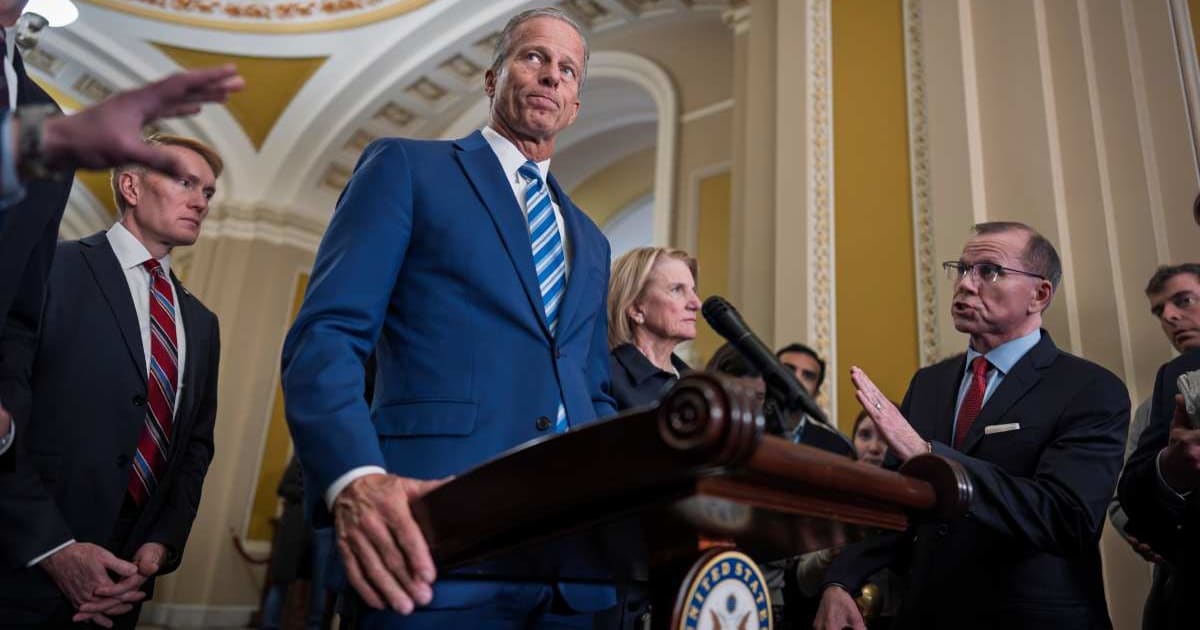
WASHINGTON, DC: A federal appeals court on Tuesday, August 25, ruled that political parties cannot receive the discounted television advertising rates reserved for political candidates, potentially disrupting a Republican strategy for the 2026 midterm elections.
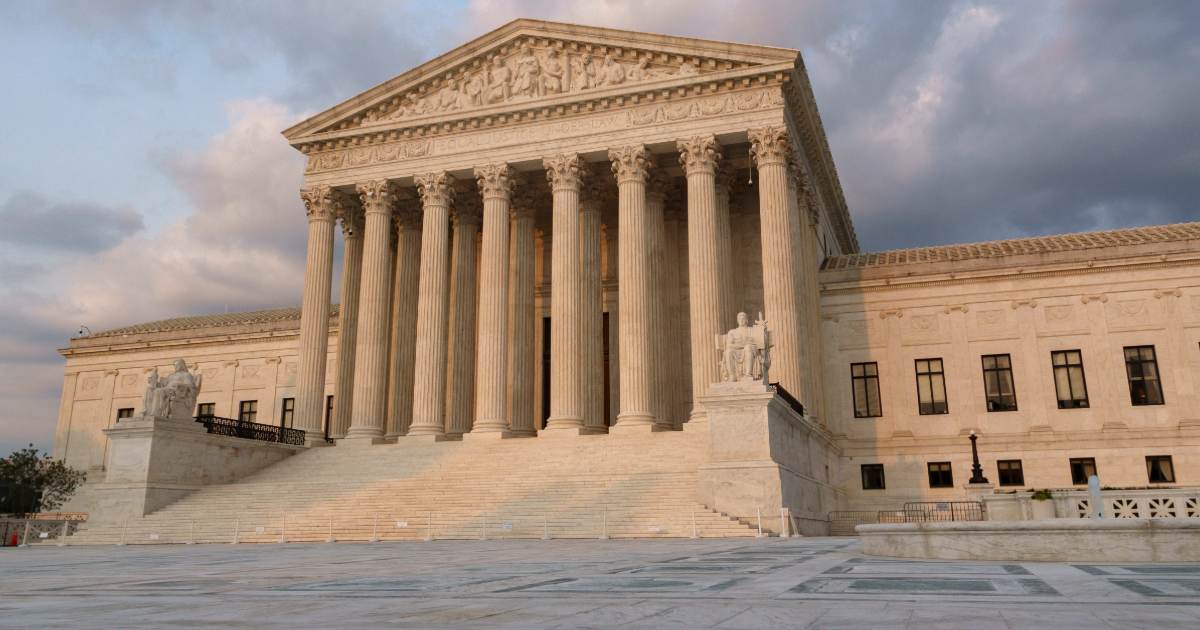
The 2-1 decision from the US Court of Appeals for the Fourth Circuit comes weeks after the Supreme Court removed limits on how much party committees can spend in coordination with candidates. Republicans had hoped to use that expanded spending ability alongside lower advertising rates to make their party funds go further.
Court blocks parties from accessing candidates’ lowest ad rates
The dispute centers on the Federal Communications Commission’s (FCC) guidance that allows political parties and joint fundraising committees to access the “lowest unit charge,” or LUC, that television stations must offer political candidates for advertising during an election period.
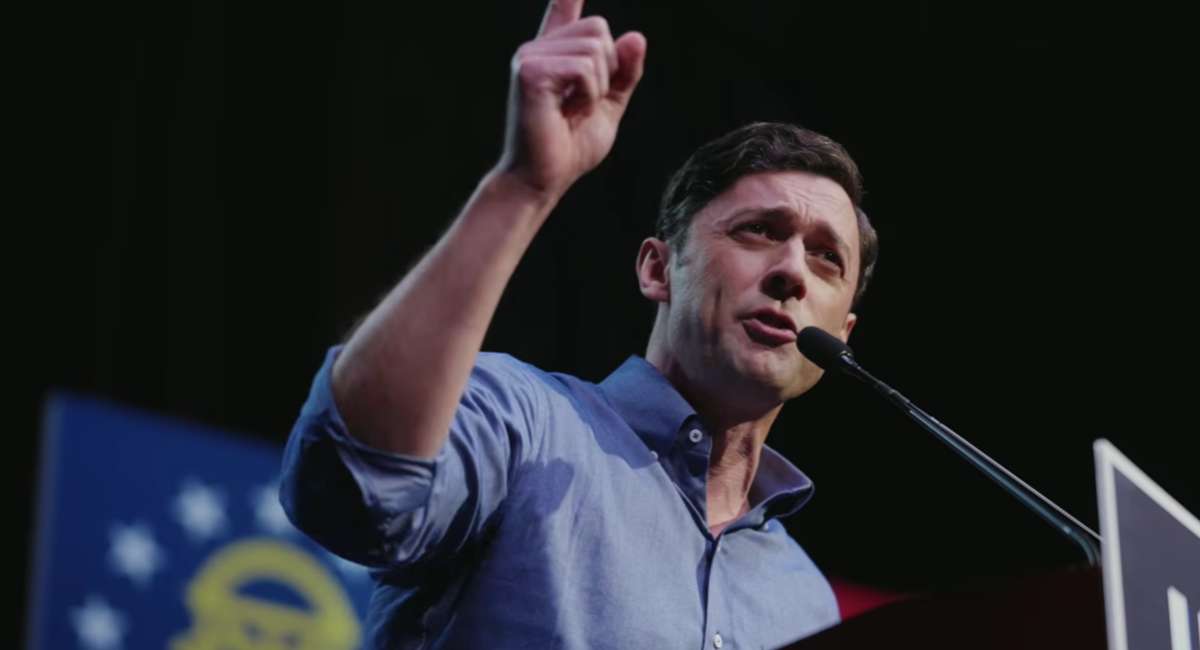
Four Democratic candidates, Senator Jon Ossoff, former Senator Sherrod Brown, former North Carolina Governor Roy Cooper and Rep Kristen McDonald Rivet, had challenged that FCC guidance.
The Fourth Circuit sided with the candidates in a 2-1 decision, stating that the rate should not be available to political parties simply because their advertisements are coordinated with candidates. Judge Robert B King, a Bill Clinton appointee, wrote the majority opinion with Judge James Wynn, an Obama appointee.
🚨 In a 2-1 ruling, the Fourth Circuit sided with Democratic Senate candidates and blocked an FCC policy that would have let political parties buy coordinated broadcast campaign ads at the same discounted rates reserved for candidates. pic.twitter.com/JWjwT4kpXc
— SCOTUS Wire (@scotus_wire) August 26, 2026
“The (lowest unit charge) requirement and campaign finance statutes are clear that neither political parties nor joint fundraising committees with non-candidate members can be entitled to the LUC,” the majority opinion said. Judge J Harvie Wilkinson III, appointed by former President Ronald Reagan, dissented.
Judge Wilkinson dissented, arguing a lack of jurisdiction until the full FCC acted. On the merits, he said coordinated ads can still be a candidate's “use” and warned that denying them the discount may unlawfully burden protected candidate-party political speech after NRSC.
— SCOTUS Wire (@scotus_wire) August 26, 2026
That costing difference can become a substantial hurdle for political parties during the midterms. Under FCC guidance, coordinated party ads could have accessed the lower rates available to candidates, but Tuesday’s ruling blocks that arrangement.
As a result, parties, super PACs and other outside groups would face generally higher rates for the same broadcast time, particularly during a high- demand period, and across multiple competitive House and Senate races, that difference could add up to tens of millions of dollars.
GOP’s party cash advantage faces new hurdle before November
The ruling could have a significant effect on Republican advertising plans because GOP committees have thus far accumulated larger cash reserves than their Democratic counterparts.
Republicans had hoped that the Supreme Court’s June decision, which removed limits on coordinated party spending, would allow those committees to spend heavily alongside candidates while also taking advantage of candidate-level advertising rates.
Big midterms development tonight: Appeals court finds that political parties and JFCs shouldn't get the candidate rate for ads. That's big because candidates get lower rates -- and more bang for their buck
— Burgess Everett (@burgessev) August 25, 2026
-This could be big for Dems, whose candidates typically raise more money…
However, Republicans are mostly expected to appeal the decision to the Supreme Court. The National Republican Senatorial Committee communications director (NRSC), Joanna Rodriguez, said, “This was an incorrect ruling that ignores decades of precedent. We plan on appealing and this is the first word not the last.”
HUGE news: using party committee money for lowest unit charge ads is the fundamental advantage that Republicans sought to cut down with the 441ad case. Statement from DSCC ED Devan Barber + DCCC ED Julie Merz ⬇️ https://t.co/oU5mty2qQ4 pic.twitter.com/rZIDkFlqn7
— Maeve Coyle (@maevemcoyle) August 25, 2026
However, Democratic Congressional Campaign Committee executive directors, Julie Merz and Devan Barber, welcomed the ruling, saying the “lowest unit rate is an exclusive right given to candidates and incumbent campaigns and that is the law of the land.”