Thomas Massie demands full release of Epstein files as DOJ signals possible delay
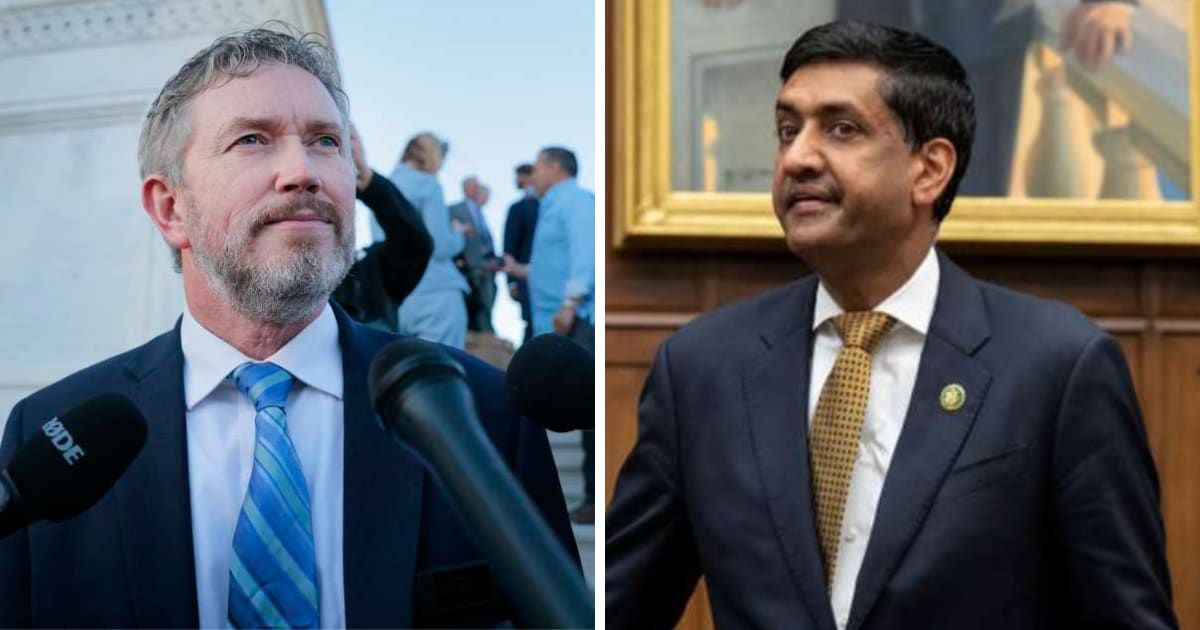
WASHINGTON, DC: Rep Thomas Massie (R-Ky) pushed back on Friday, December 19, after Deputy Attorney General Todd Blanche warned that the Justice Department might not release the full set of Epstein files by the end of the day, despite a statutory deadline set by Congress.
Blanche’s remarks raised immediate concerns among lawmakers who sponsored the 'Epstein Files Transparency Act', which mandates the public release of unclassified records within a fixed timeline.
DOJ warns deadline may not be met
Speaking earlier on Friday, Blanche said that the department was still reviewing materials and suggested that it might not be able to complete the full release before the deadline expired.
The warning came as pressure mounted on the Justice Department to comply with the law’s requirements without delay.
These comments marked the first public acknowledgment from senior DOJ leadership that the department could fall short of the deadline outlined in the bipartisan legislation.

Thomas Massie responds with the statute
Thomas Massie responded publicly by posting a copy of the 'Epstein Files Transparency Act', and highlighting two key phrases in yellow: ‘30 days’ and ‘all’ records.
The statute requires the attorney general to make all unclassified Epstein-related records publicly available within 30 days of enactment.
Rep Ro Khanna (D-Calif), a Democratic co-sponsor of the 'Epstein Files Transparency Act', also issued a warning to the Justice Department, cautioning that any “tampering” or excessive redaction of the court-ordered Epstein records could result in criminal consequences.

In a post on X, he said, “Let me be very clear. We need a full release. Anyone who tampers with these documents or conceals documents or engages in excessive redaction will be prosecuted because of obstruction of justice.”
“We will prosecute individuals regardless of whether they’re the attorney general or a career or political appointee,” he continued, adding that transparency was essential to restoring public trust.
Bipartisan pressure behind the release
Thomas Massie co-sponsored the legislation alongside Ro Khanna, bypassing House leadership last month to force a floor vote that ultimately led to the bill’s passage.

Supporters of the law argue that any failure to meet the deadline would undermine congressional authority and raise questions about executive compliance with binding statutes.