Trump admin weighs pre-emptive military action over Cuba drone buildup after Venezuela regime ouster
WASHINGTON, DC: The Trump administration is actively reviewing plans for potential pre-emptive military action against Cuba after classified intelligence revealed that Havana has amassed a massive fleet of more than 300 military attack drones.
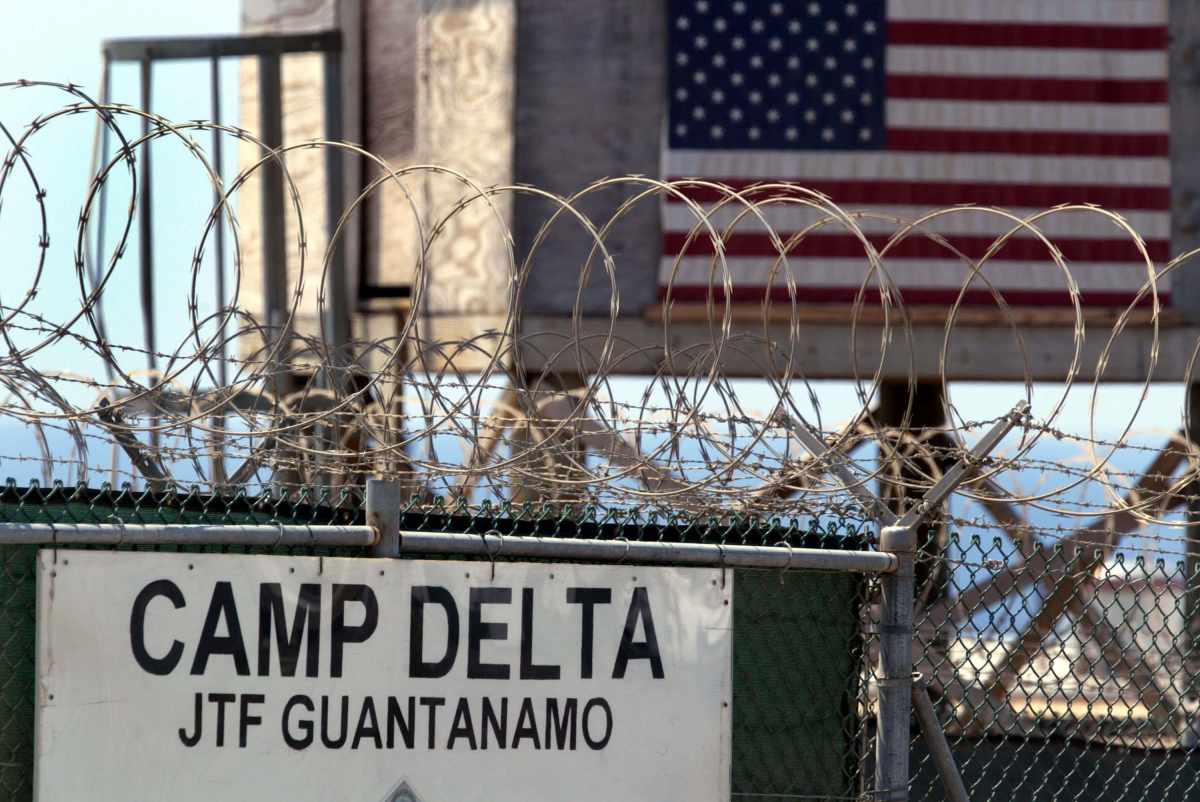
According to an Axios exclusive on Sunday, May 17, top-secret intercepts shared within the intelligence community indicate that Cuban military officials have held advanced discussions to utilize these unmanned aircraft to launch coordinated strikes against the US naval base at Guantanamo Bay, American military vessels, and potentially Key West, Florida, located just 90 miles north of Havana.
The escalating crisis unfolds under a shadow of deep historical animosity and aggressive regional maneuvers by the United States.
Tensions have surged since January 3, when US special operations forces successfully ousted Venezuela’s Nicolás Maduro from power during a high-profile raid.
Since Maduro's removal, Washington has begun normalizing relations with Caracas, a shift that unexpectedly allowed intelligence agencies to unearth the true scope of Cuba's covert drone program.
The Marxist regime in Havana, historically viewed by Washington hawks as the "head of the snake" responsible for exporting revolutionary militancy across Latin America, now finds itself entirely isolated and heavily vulnerable due to crippling US sanctions and systemic financial mismanagement.
John Ratcliffe delivers blunt warning in Havana
Driving the immediate diplomatic confrontation, CIA Director John Ratcliffe took the extraordinary step of secretly traveling directly to Cuba on Thursday.
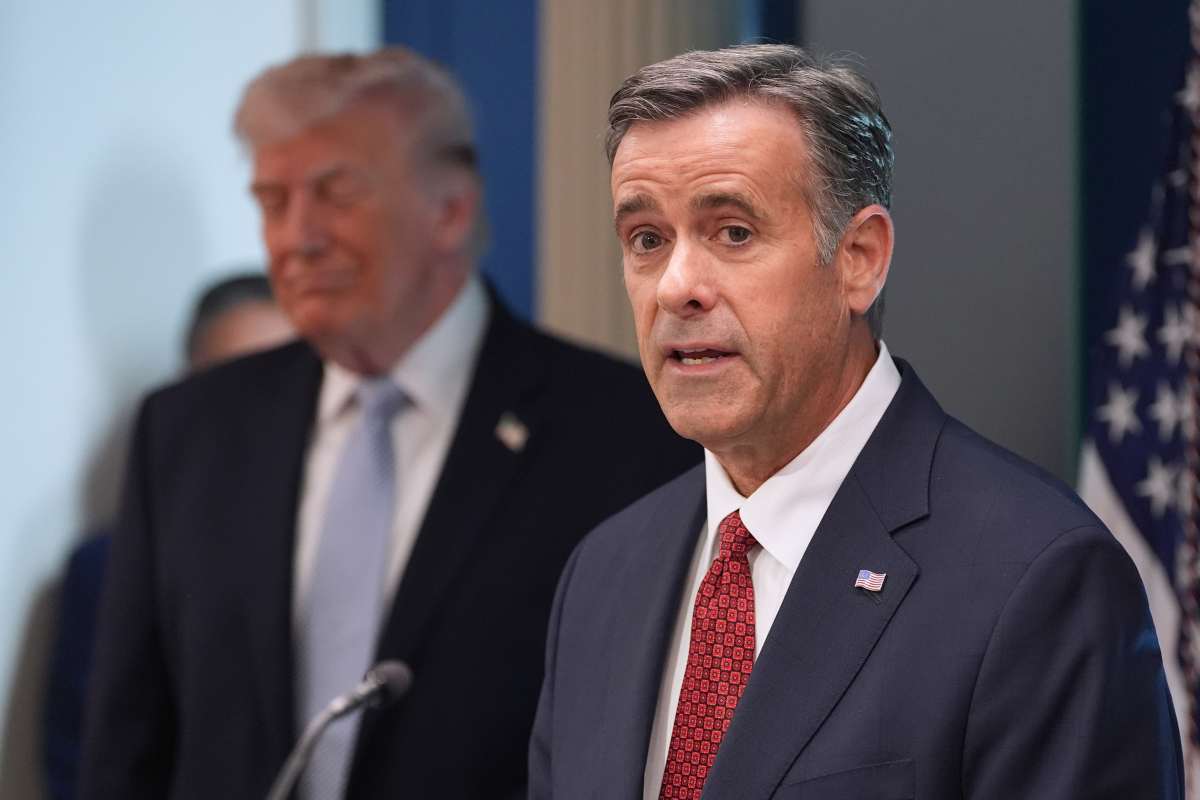
A senior CIA official confirmed that Ratcliffe delivered a blunt, uncompromising ultimatum to Cuban authorities, warning them against initiating any form of maritime or aerial hostilities against American assets.
Ratcliffe explicitly urged the regime to dismantle its totalitarian system entirely if it wishes to survive the current economic blockade.
"Director Ratcliffe made clear that Cuba can no longer serve as a platform for adversaries to advance hostile agendas in our hemisphere," a CIA official stated. "The Western Hemisphere cannot be our adversaries' playground."

The administration has grown increasingly alarmed by the physical presence of Iranian military advisers in Havana.
US officials are highly sensitive to these tactics given how Iran recently deployed similar unmanned aircraft to damage American bases in the Middle East and effectively seize control of the Strait of Hormuz during the regional conflicts that erupted on February 28.
Justice Department unseals historic Castro indictment
The intelligence community's administrative pressure campaign will expand into the federal legal arena this Wednesday. The Department of Justice is scheduled to unseal a historic criminal indictment against Cuba’s long-time de facto leader Raúl Castro.
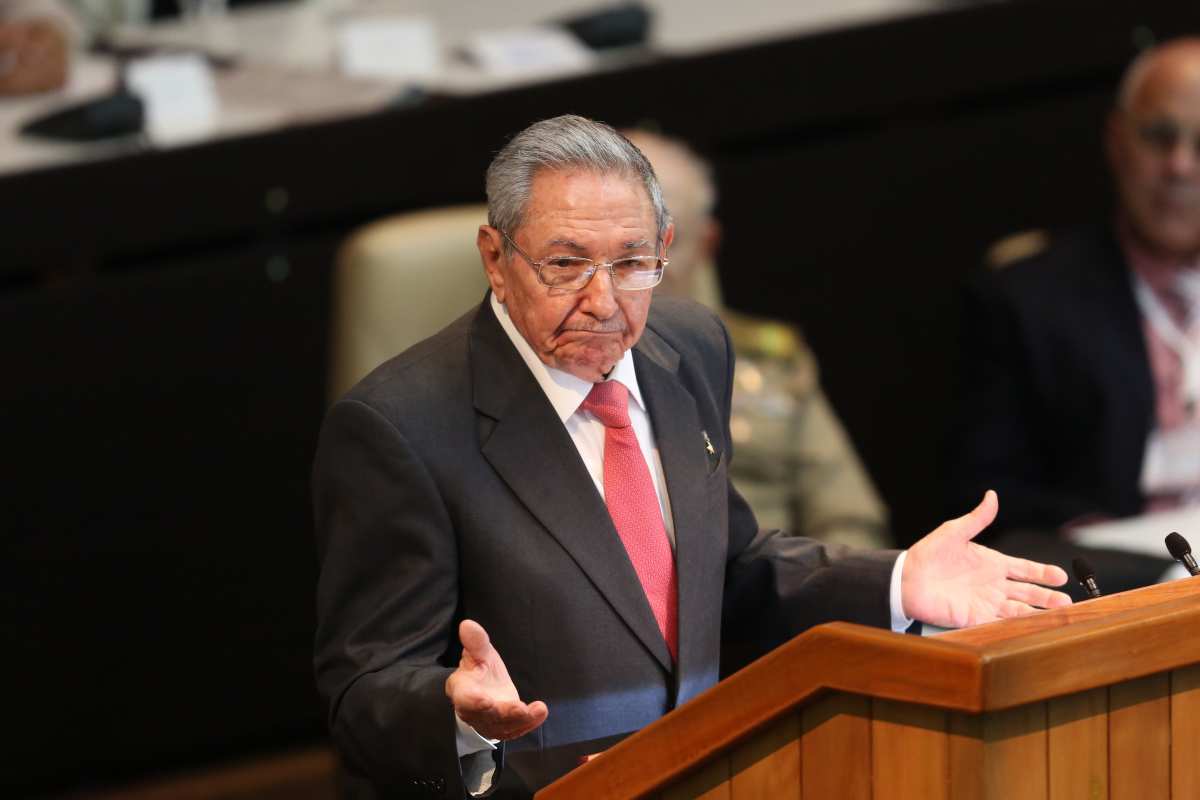
The criminal charges allege that Castro personally ordered the fatal 1996 downing of two unarmed civilian aircraft flown by the Miami-based humanitarian aid group Brothers to the Rescue.
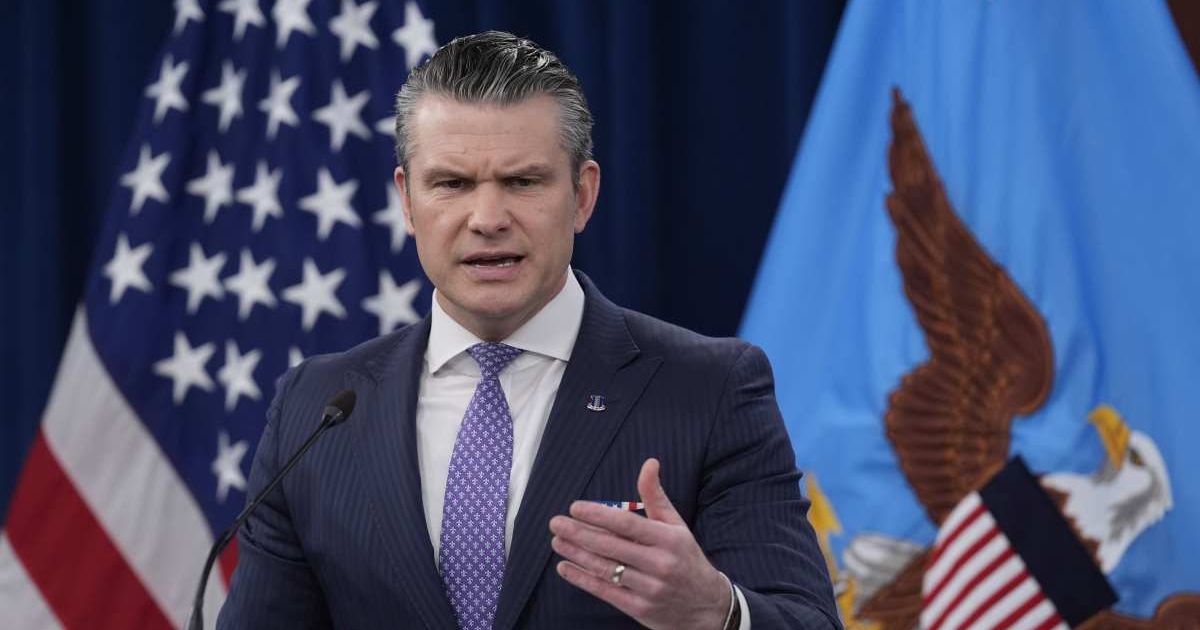
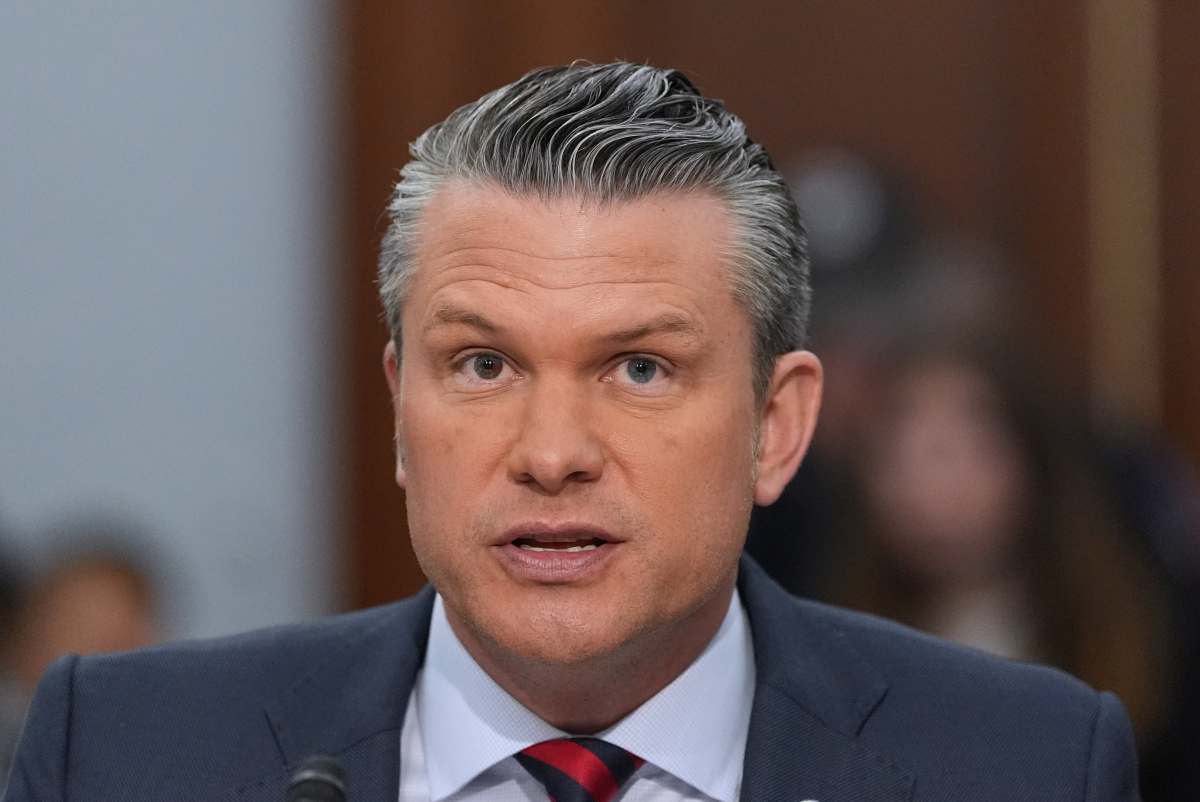
Defense Secretary Pete Hegseth explicitly confirmed Castro’s direct complicity in the decades-old shootdown during a heated congressional hearing on Tuesday.
Responding to questions from Representative Mario Diaz-Balart, a prominent Miami Republican, Hegseth noted that a foreign adversary operating advanced espionage and drone technologies so close to American shores is highly problematic.
Beyond the pending legal indictment, the White House is prepared to announce an entirely new round of crushing economic sanctions later this week to further squeeze the regime.
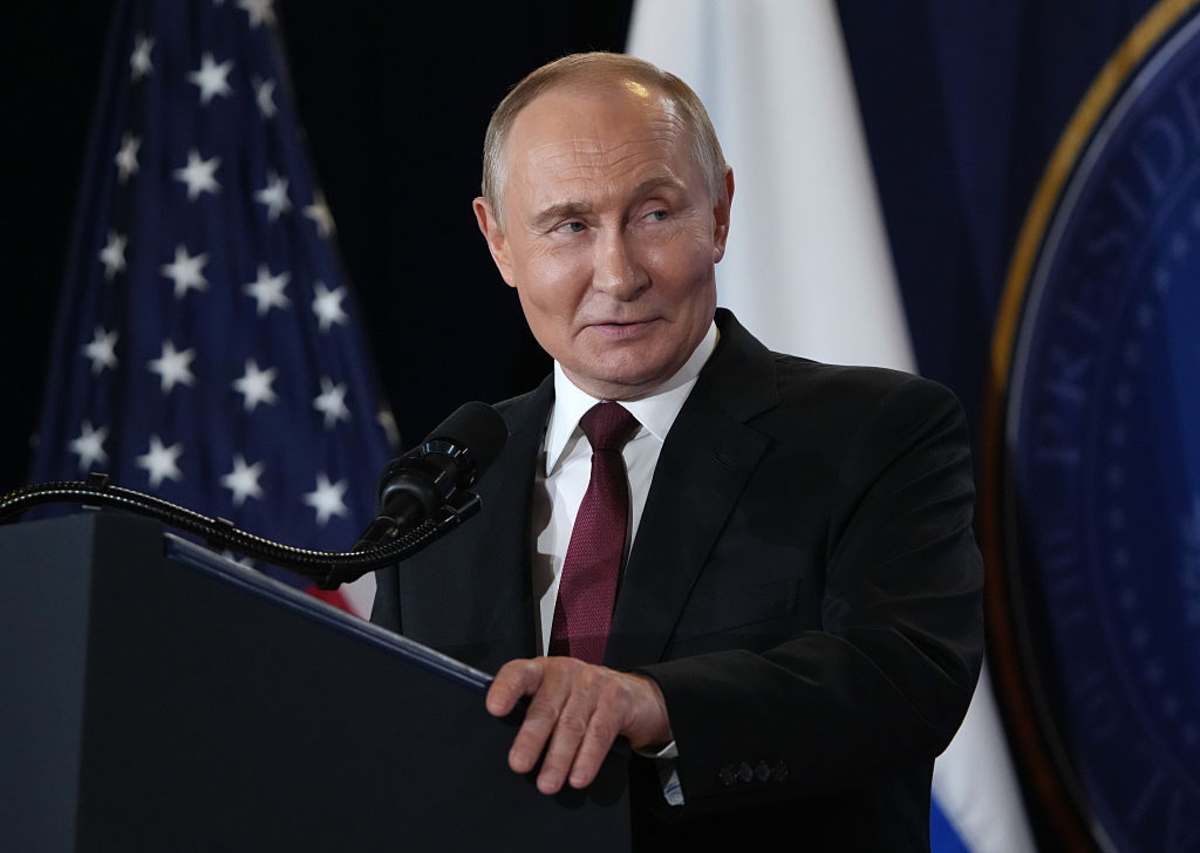
Vladimir Putin's 'meat grinder' trains Cuban soldiers
Intelligence analysts trace the origin of the current drone threat directly to the battlefields of Eastern Europe.
US officials estimate that as many as 5,000 Cuban mercenary soldiers have been deployed to fight for Russia in its invasion of Ukraine, with Moscow compensating the Havana government roughly $25,000 for every individual soldier sent to the front lines.
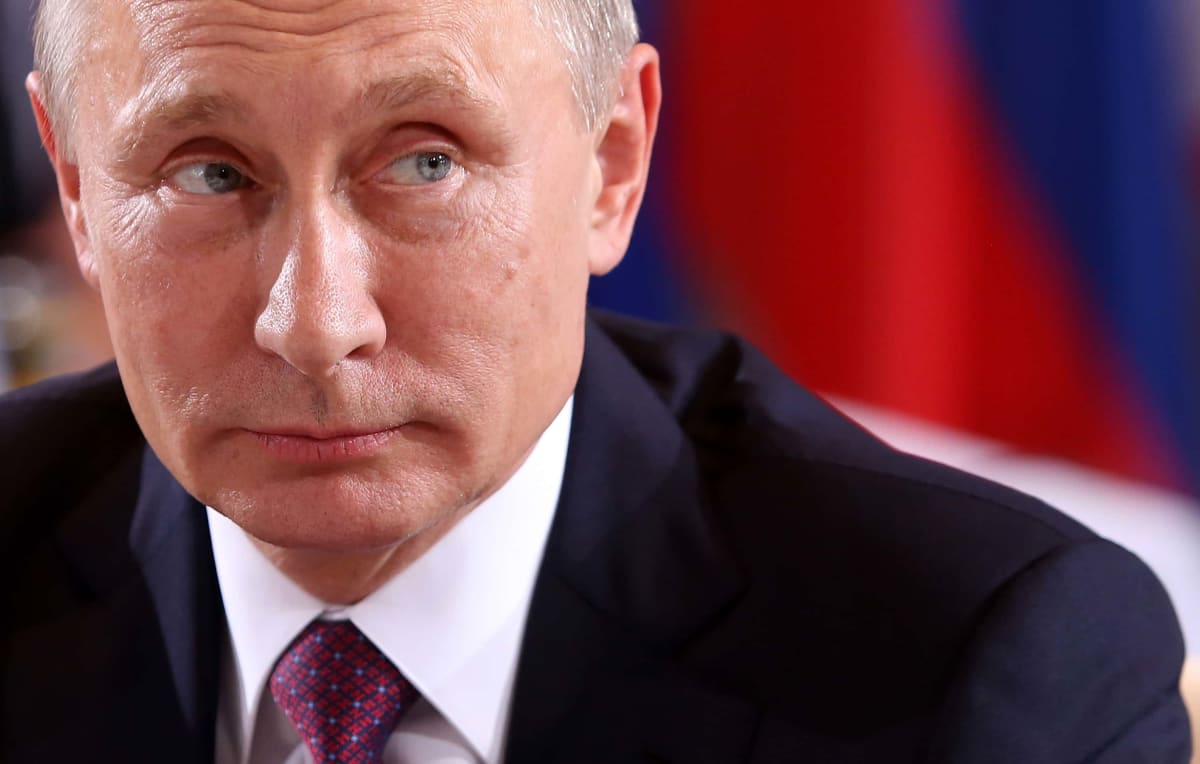
Senior administration officials note that these surviving fighters are returning to Cuba with advanced operational knowledge, acting as a direct conduit for modern drone warfare tactics.
"They're part of the Putin meat grinder. They're learning about Iranian tactics. It's something we have to plan for," a senior US official warned.
While intelligence agencies clarify that Cuba does not pose an imminent threat of an immediate surprise strike, the intercepts prove that Havana has stashed drones of varying capabilities across strategic locations on the island.
The military officials have been actively drafting contingency plans to target US assets in the event that diplomatic relations continue to deteriorate.
While the regime lacks the conventional fighter jets or navy to challenge the US military as it did during the 1962 Cuban Missile Crisis, the 90-mile proximity of automated attack drones represents a reality the White House refuses to tolerate.