Trump and Xi play up friendship in Beijing even as US-China tensions deepen
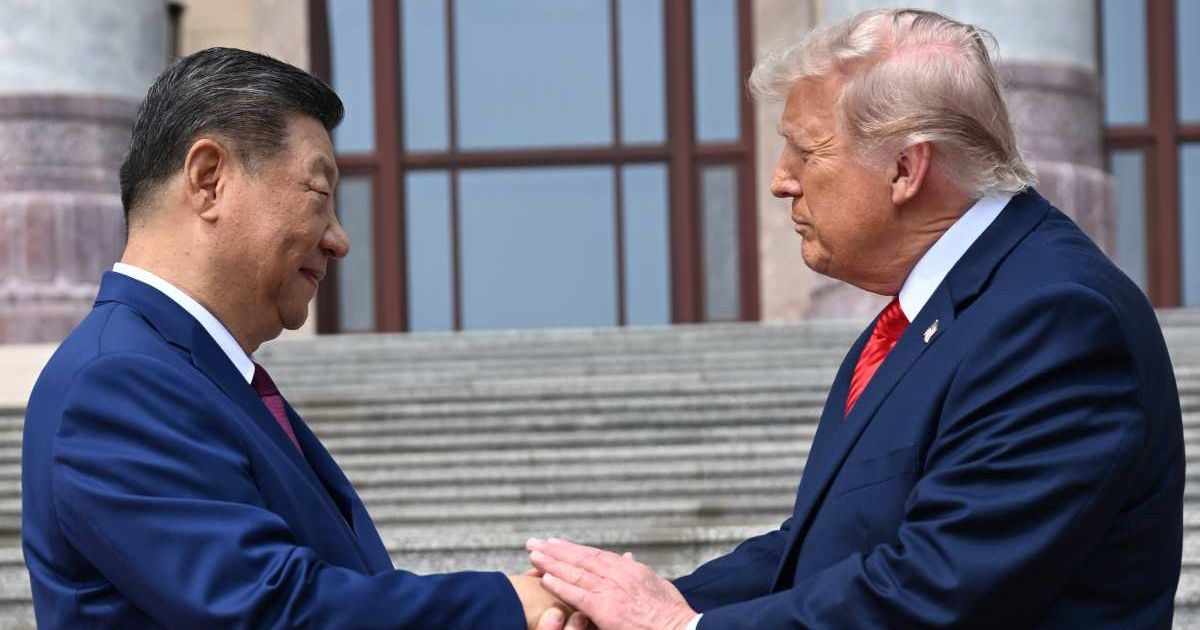
BEIJING: Amidst a climate of deepening geopolitical friction, President Donald J Trump and Chinese President Xi Jinping concluded a high-stakes summit on Friday, May 15, with a meticulously staged show of personal rapport.
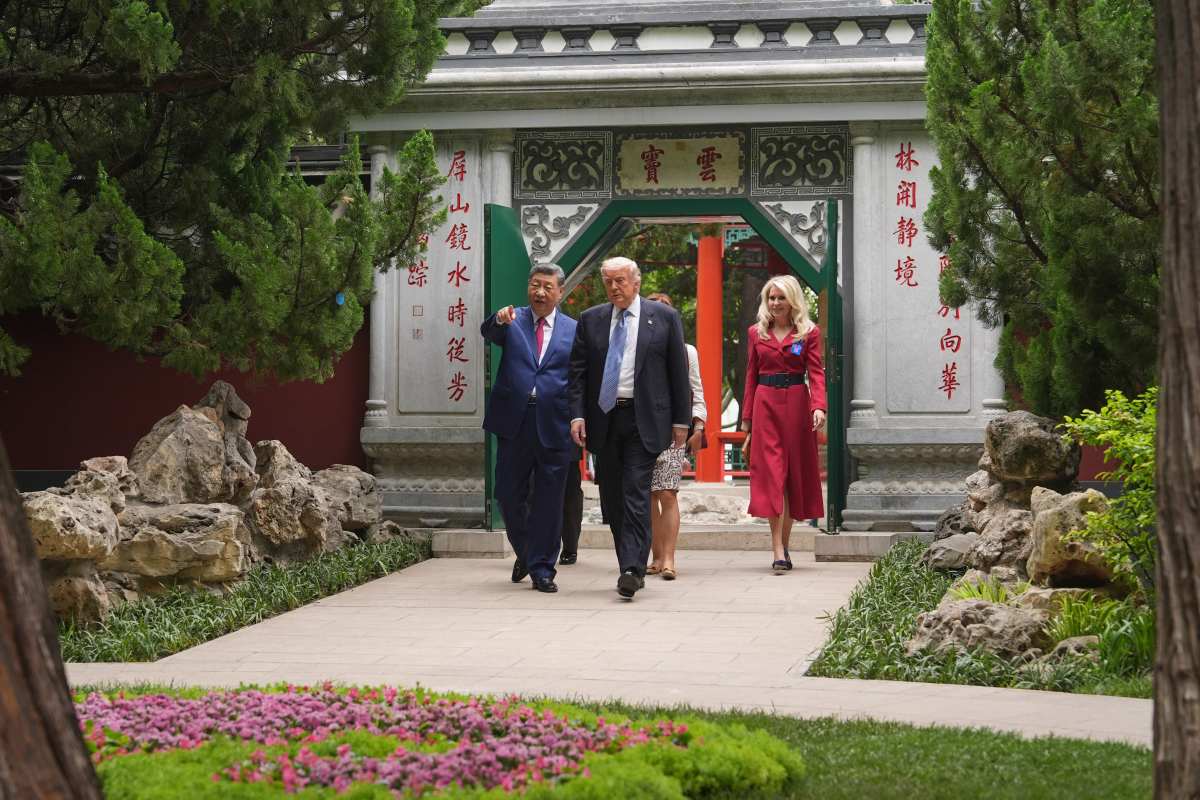
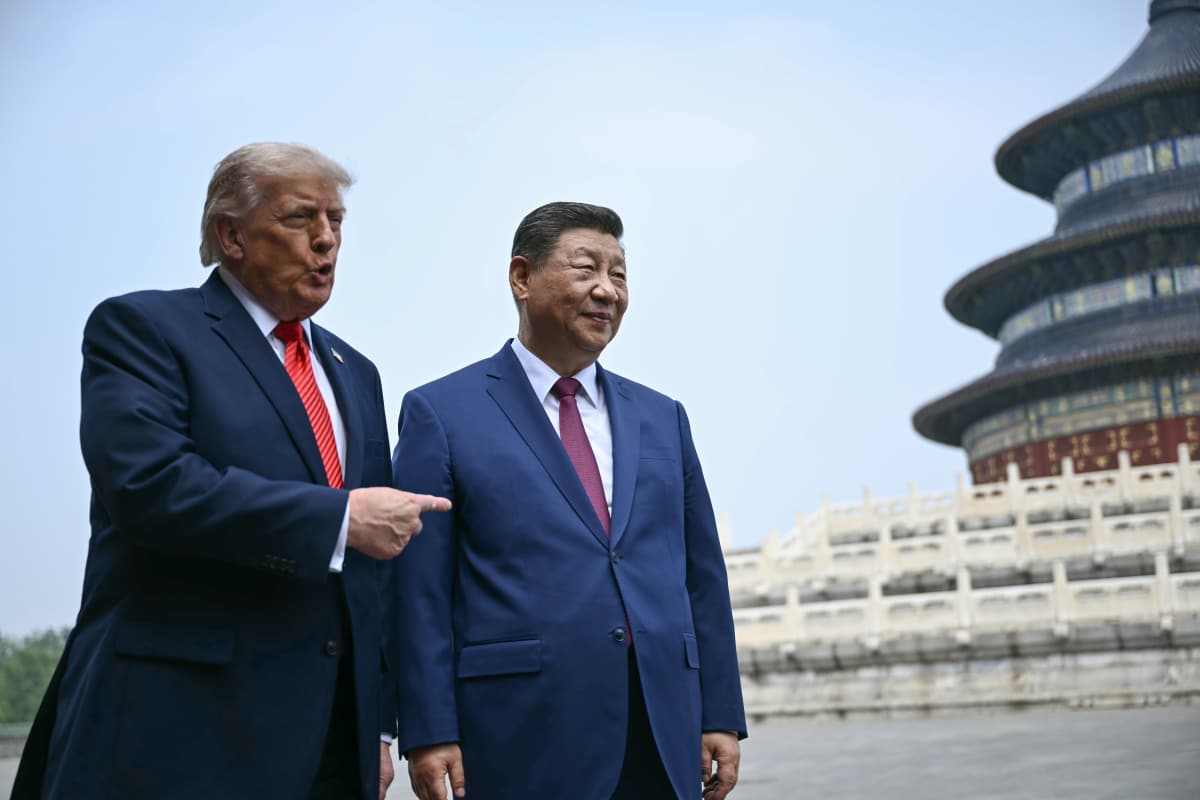
The visit, which took place against the backdrop of the ongoing US-Israeli conflict with Iran and a decade of economic decoupling, finished with an exclusive tour of Zhongnanhai, the secretive leadership compound of the Chinese Communist Party.
Strolling through the private gardens, President Trump remarked that the surroundings featured "the most beautiful roses anyone has ever seen," prompting a promise from President Xi to send seeds back to Washington.
This public choreography of "reunited friends" was designed to project stability, even as the two governments remain locked in a fierce rivalry for military and technological dominance.
While Trump pitched a return to closer ties, the reality on the ground suggests that the forces pulling the two nations apart are stronger than ever.
Trump claims major deals despite sparse details
The summit appeared to yield a package of modest economic commitments, though specific details remain scarce. President Trump claimed to have secured "fantastic trade deals," including a commitment from Beijing to purchase 200 Boeing jets.
US Trade Representative Jamieson Greer added that the administration expects China to commit to at least $10 billion in annual agricultural purchases.
However, the Chinese government has yet to officially comment on these figures.
.@POTUS on his meeting with President Xi: "We talked about a lot of things... we had a very good meeting. We want things from them. One thing he agreed to today, he's going to order 200 jets... that's a lot of jobs—that's a lot. Boeing wanted 150, he got 200." pic.twitter.com/Y6E7XOrqNo
— Rapid Response 47 (@RapidResponse47) May 14, 2026
Furthermore, the two sides are reportedly negotiating a joint 'Board of Trade' intended to facilitate $30 billion in transactions for non-sensitive goods. Despite these overtures, the issue of Iran loomed large over the discussions.
Trump admitted that while Xi promised not to supply Tehran with arms, China remains a primary purchaser of sanctioned Iranian oil, a practice Beijing intends to continue. This economic lifeline for Iran remains a primary point of contention for China hawks within the Trump administration.
Sanctions and security alerts cloud summit
Even as the leaders exchanged pleasantries, the machinery of the US government continued its aggressive stance toward Beijing.
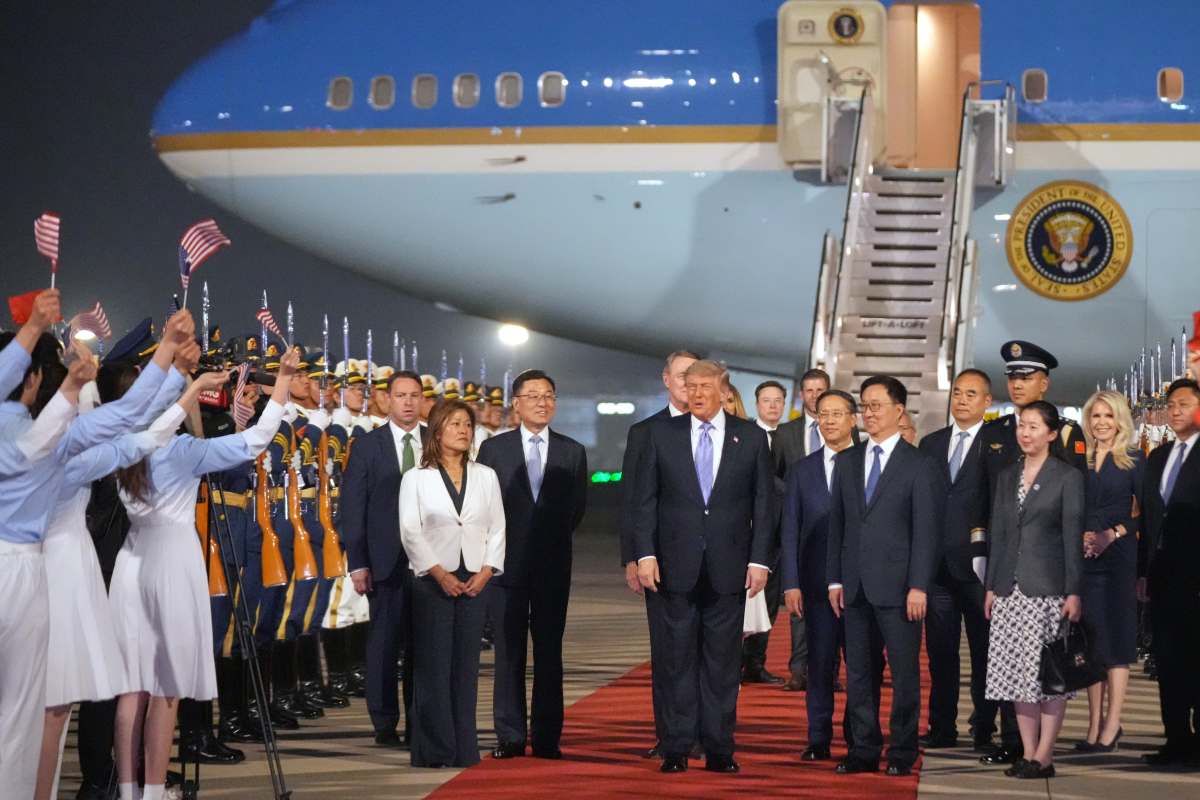
Just 48 hours before Air Force One touched down, federal prosecutors unsealed charges against the mayor of Arcadia, California, for acting as an illegal agent of China.
Simultaneously, the State Department sanctioned three Chinese firms for providing satellite imagery used by Iran to target US forces in the Middle East.
Internal leaks have painted a far more hostile picture of the relationship than the public smiles suggest. A US intelligence assessment recently warned that China is exploiting the war in Iran to gain diplomatic and military ground over the United States.
Further complicating the "friendship" are reports of clandestine arms sales from Chinese companies to Iran, routed through third countries to evade detection.
Within the White House, science advisers have also accused Chinese entities of "industrial-scale" campaigns to steal frontier AI technology from American firms.
Strategic stability masks deep nationalistic goals
Both leaders appear to have incentives to maintain a temporary truce. For Trump, avoiding further election-year economic shocks is paramount, especially following last year’s crippling Chinese ban on rare earth mineral exports.
For Xi, "strategic stability" provides the breathing room necessary to advance the "great rejuvenation" of China, which involves modernizing its military and securing high-tech dominance. During a state banquet, Xi suggested that his vision for China and Trump’s 'Make America Great Again' could go "hand in hand."
.@SecScottBessent on meeting with the Chinese Vice Premier: "We’re going to talk about forming a board of trade for the bilateral trade between the U.S. and China, and we’re going to talk about a board of investment that will be responsible for investment in nonsensitive areas." pic.twitter.com/jnYYrsCZJ9
— Rapid Response 47 (@RapidResponse47) May 14, 2026
Nevertheless, the underlying economic reality is one of collapse. Chinese investment in the US has plummeted from $45 billion in 2016 to less than $3 billion last year.
Treasury Secretary Scott Bessent noted that any future framework for investment will be strictly constrained to non-sensitive sectors, illustrating how deeply national security fears have paralyzed traditional commerce.