Trump blocks housing bill signature, holds affordable housing hostage over election fight
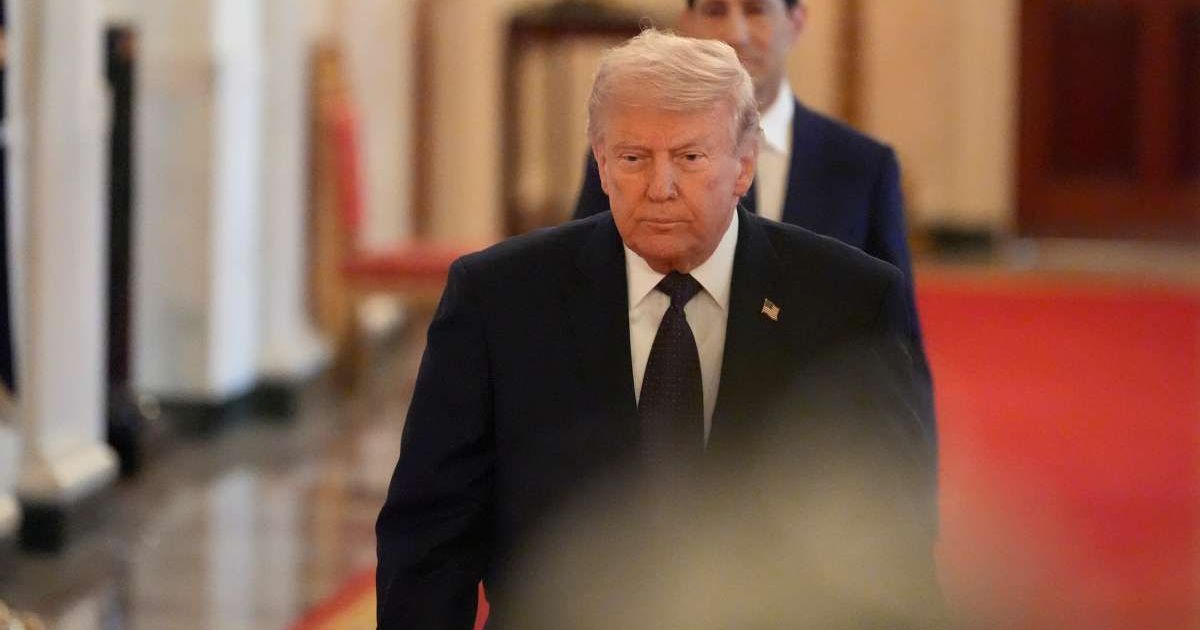
WASHINGTON, DC: President Donald Trump said on Friday, July 10, that he will refuse to sign a bipartisan housing bill aimed at tackling America's affordability crisis, using the legislation to intensify pressure on Senate Republicans to pass his election overhaul proposal, the SAVE America Act.
Although the housing measure is set to become law automatically at midnight without presidential action, Trump framed his decision as a protest against what he called the Senate's failure to advance election reform.
The move marks an unusual use of the Constitution's 10-day rule, which allows legislation to become law without a president's signature if Congress remains in session.
Trump has repeatedly argued that election security legislation deserves higher priority than other bipartisan measures awaiting his approval.
Trump links housing to elections
In a Truth Social post, Trump declared that he would not sign the housing bill "in PROTEST" over the Senate's inability to pass the SAVE America Act.
The president again urged Senate Republicans to eliminate the legislative filibuster, arguing that Democrats would do the same if they regained control of the chamber.
He also maintained that voter ID requirements and broader election reforms should take precedence over other domestic policy initiatives.
Trump had signaled his position weeks earlier, describing the housing package as "so unimportant" compared with election legislation.
He also canceled a planned White House signing ceremony after indicating he would withhold approval unless the Senate moved forward with the SAVE America Act.
Bill still becomes law
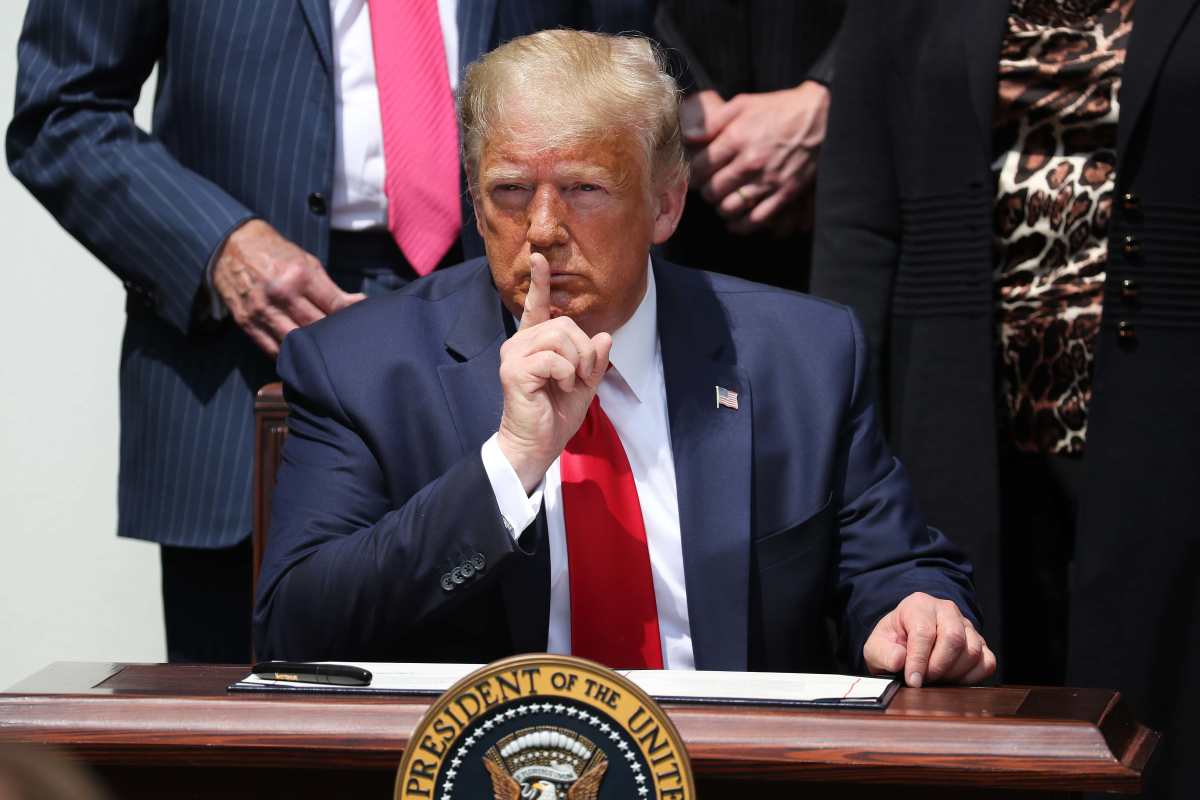
Despite Trump's refusal to sign it, the housing legislation will still take effect under constitutional procedures because it was approved by both chambers of Congress and delivered to the White House while Congress remains in session.
House Speaker Mike Johnson transmitted the bill late last month, triggering the 10-day review period.
The measure seeks to address the nation's housing affordability challenges primarily by encouraging increased housing supply and expanding development incentives.
While Trump's decision will not block the legislation from becoming law, it underscores his determination to use high-profile legislative moments to keep pressure on Senate Republicans as he pursues one of his top domestic priorities.
The standoff also highlights the growing emphasis his administration has placed on election policy, even when unrelated bipartisan legislation is moving through Congress.