Trump confirms rescued F-15E pilots are in 'very good condition' after recovery operation
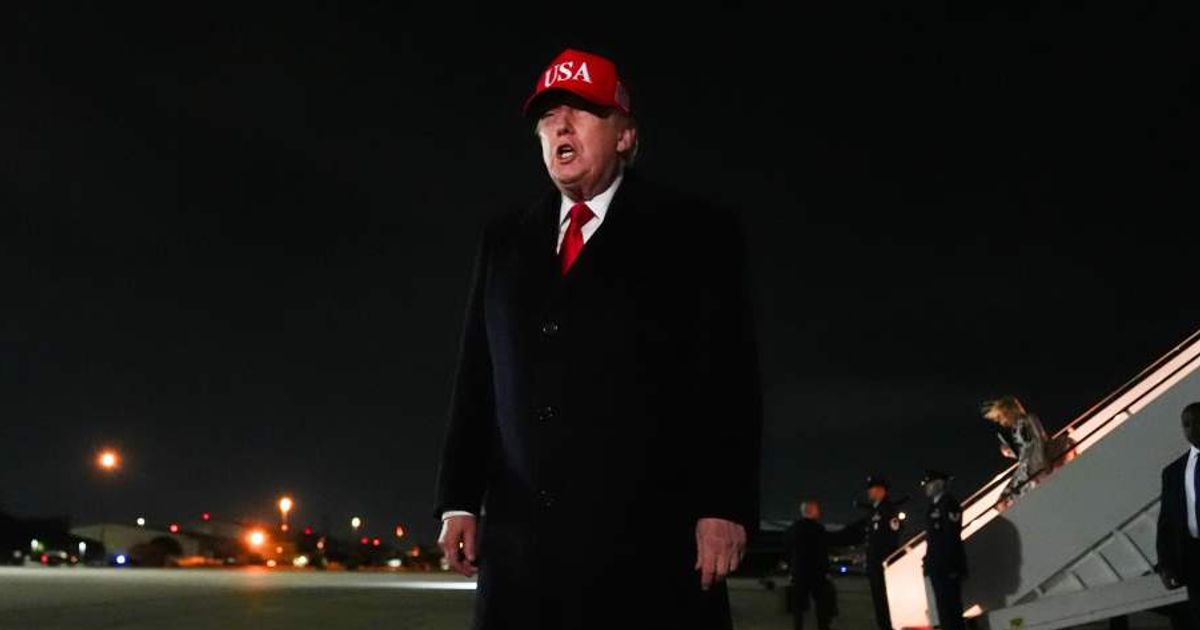
Reporter: Can you give us an update on the two F-16E pilots that went down in Iran?
— RedWave Press (@RedWavePress) April 13, 2026
President Trump: “They are in very good shape and we’re very proud of them. The two pilots.” pic.twitter.com/zOGNon27V8
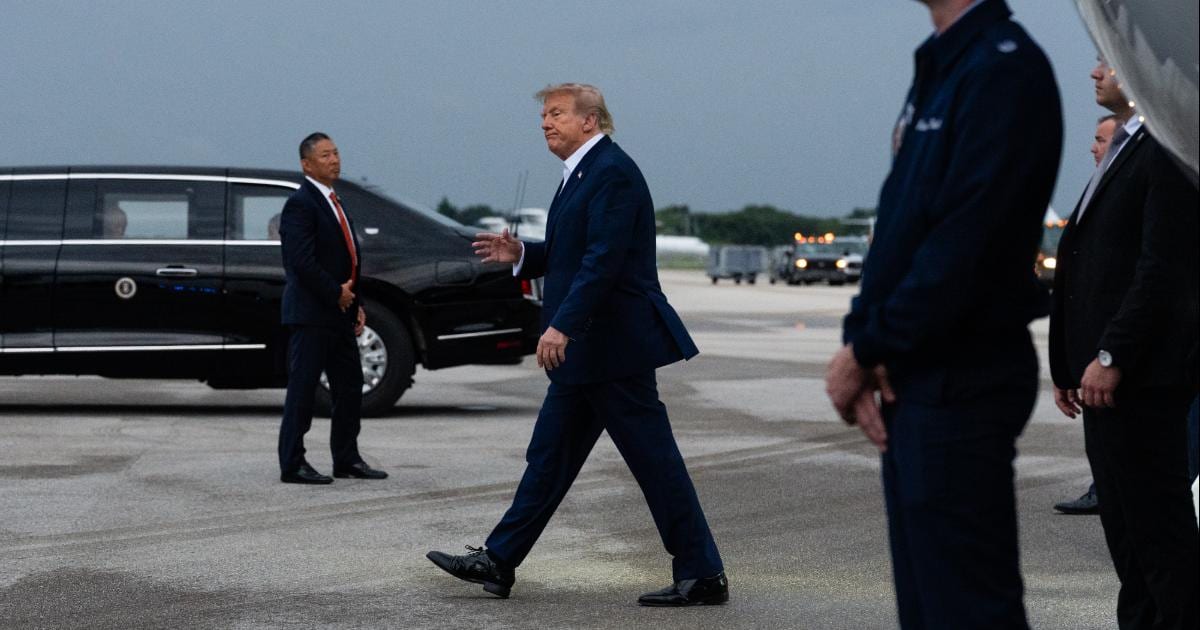
WASHINGTON, DC: President Donald Trump spoke on the condition of fighter jet pilots involved in a recent F-15E incident amid escalating tensions between the United States and Iran. The remarks came during a press interaction at Joint Base Andrews on Sunday, April 12, where he also expressed support for the pilots’ actions.
The developments occurred amid a fragile ceasefire after six weeks of intense fighting, as the US and Israel launched coordinated strikes on February 28 targeting Iran’s political and military leadership following the collapse of negotiations over its nuclear program.
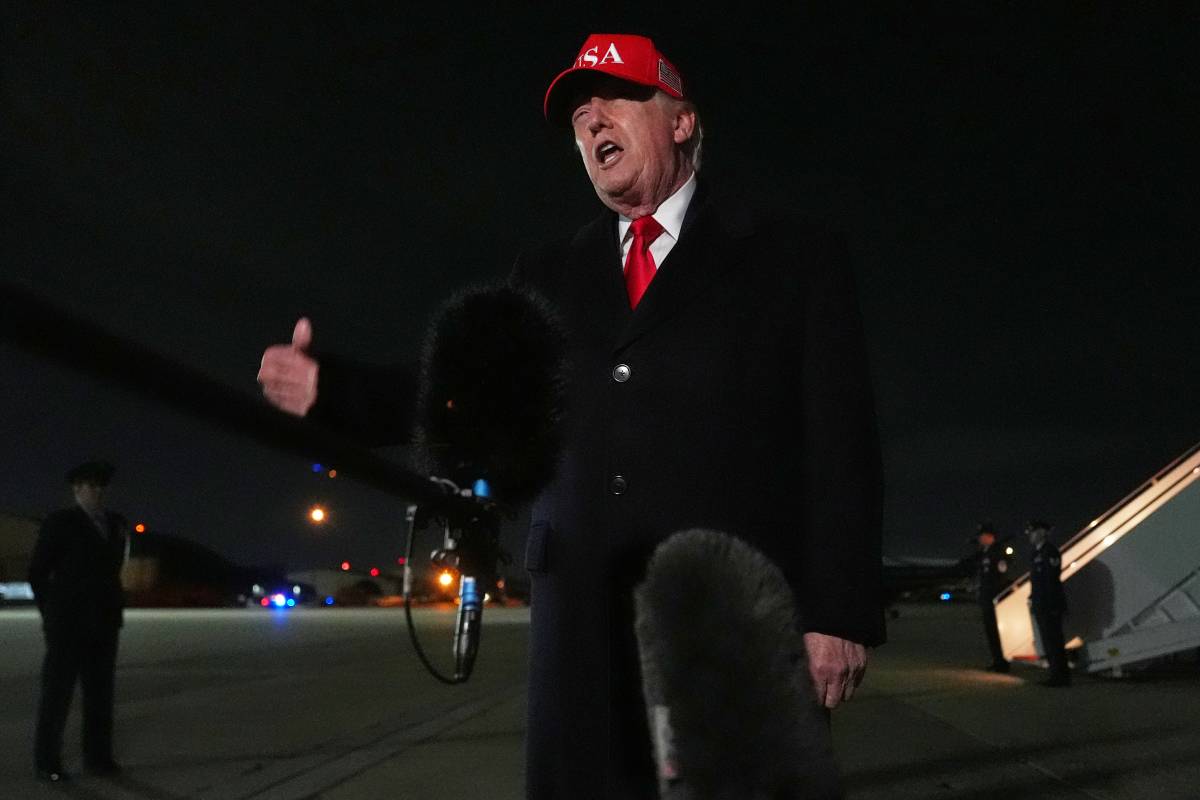
Trump says F-15E pilots in good condition
Trump stated in response to a reporter’s question regarding the pilots’ condition, “They are in very good shape and we're very proud of them, the two pilots, yeah.” He previously described the rescue effort as “one of the most daring Search and Rescue Operations” in US history, adding that the officer is “now SAFE and SOUND!” though he later said the officer had been “seriously wounded.”
The two airmen were aboard an F-15E fighter jet that was shot down earlier this month amid Iran’s targeting of US military assets, as well as civilian and strategic infrastructure in neighboring countries since the conflict began. Both were later recovered in separate rescue missions.
Iranian officials later confirmed that the warplane was shot down by its air defense system.
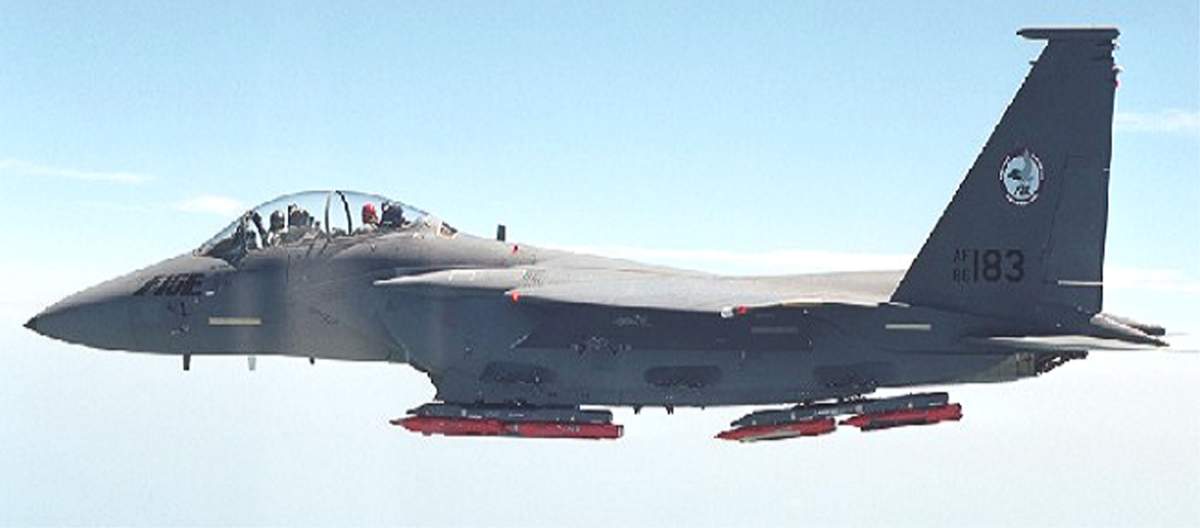
The rescue operation was described as a highly complex combat search and rescue (CSAR) mission, involving dozens of special operations forces personnel. According to reports, Trump paused other operations in Iran to prioritize the mission, which was reported to involve extensive military coordination.
A CIA deception campaign was reportedly launched inside Iran, claiming US forces had already found the airman and were transporting him out. A official said the Agency used its capabilities to locate the airman “inside a mountain crevice.” The CIA then alerted the Pentagon and White House, and Trump ordered an immediate rescue mission executed with support from real-time intelligence.
Iranian armed forces and the Islamic Revolutionary Guard Corps claimed multiple US aircraft were destroyed during the rescue operation. Iran’s Khatam al-Anbiya Central Headquarters said two US Black Hawk helicopters and a C-130 transport aircraft were destroyed.
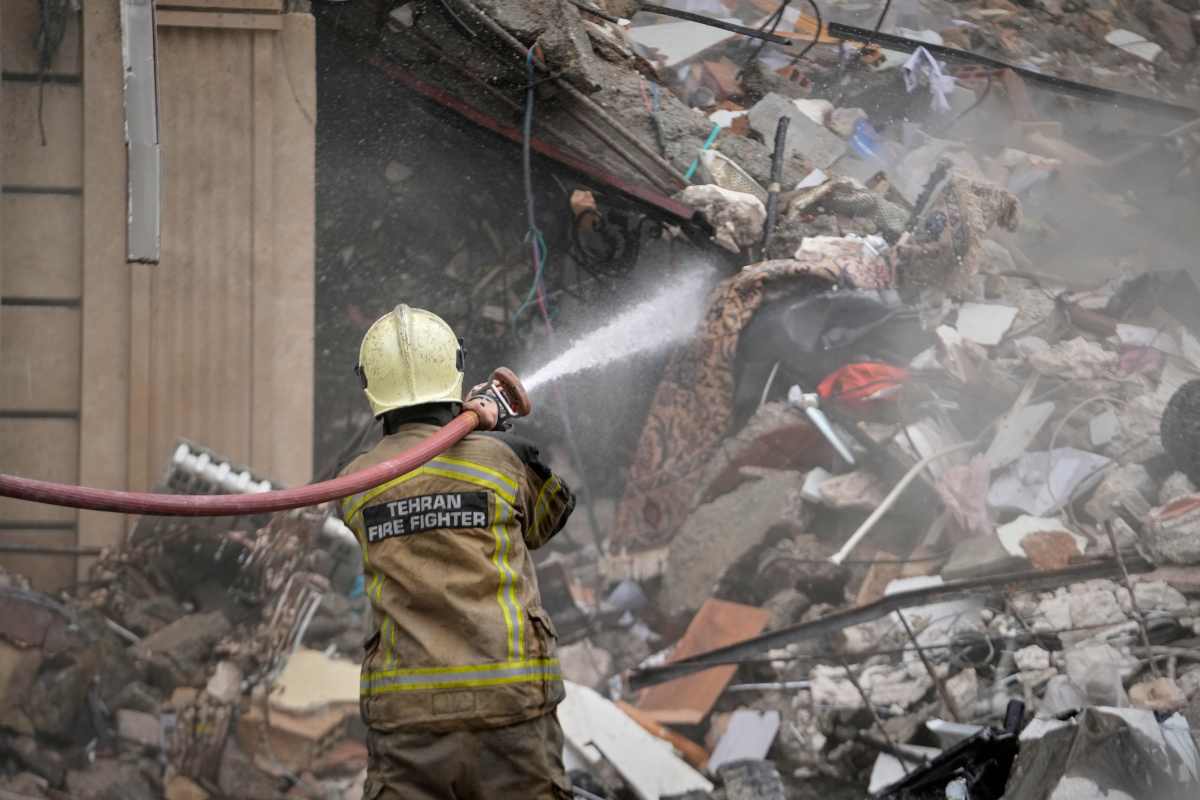
Diplomatic breakdown, military escalation, and economic impact
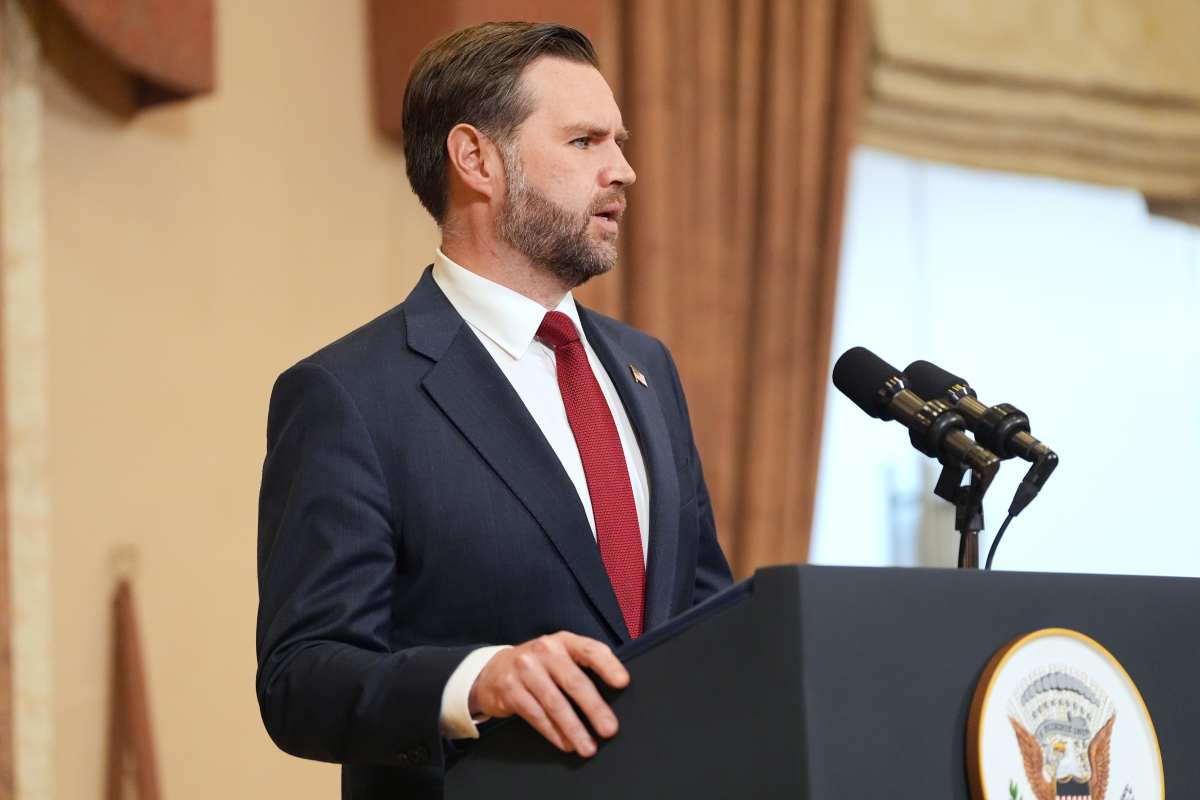
At the diplomatic level, Vice President JD Vance led a delegation in negotiations in Pakistan, where Iran reportedly refused to accept US terms after 21 hours of talks. The discussions, which followed six weeks of war, were described as tense and ultimately unsuccessful, with Iran maintaining a hardline stance.
Iran’s Foreign Minister Seyed Abbas Araghchi said Iran engaged “in good faith” but encountered “maximalism, shifting goalposts, and blockade.” He added, “Zero lessons learned. Goodwill begets goodwill. Enmity begets enmity.”
Meanwhile, the US Central Command (CENTCOM) announced that American forces would begin implementing a maritime blockade of Iranian ports starting April 13 at 10 am. The blockade was said to apply to all maritime traffic entering and exiting Iranian ports, including those in the Arabian Gulf and Gulf of Oman, while maintaining freedom of navigation for non-Iranian shipping through the Strait of Hormuz.
CENTCOM also advised mariners to monitor official broadcasts and maintain communication on Channel 16 while transiting the region. The escalation impacted global markets, with oil prices rising sharply. US crude oil increased 8% to $104.24 per barrel, while Brent crude rose 7% to $102.29 per barrel.
Prices had already fluctuated significantly during the conflict, reaching as high as $119 per barrel after earlier military strikes and rising tensions.