Trump hits out at NATO for failing to support US amid Iran war: 'They weren't there for us'
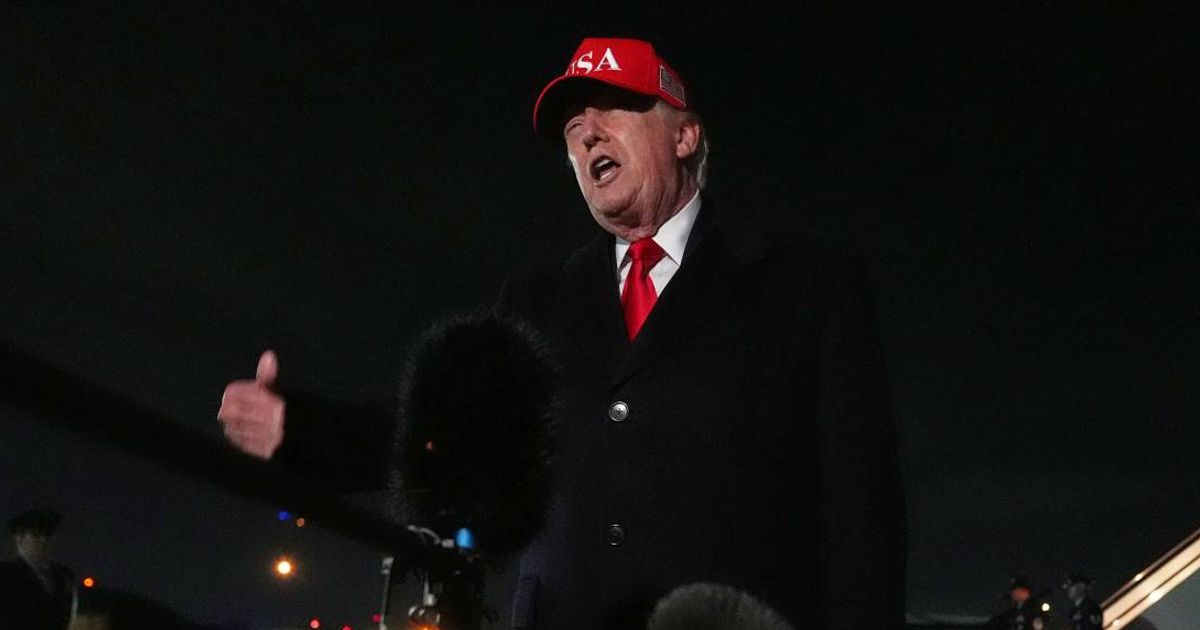
.@POTUS: "I'm very disappointed in NATO. They weren't there for us. We pay trillions of dollars for NATO and they weren't there for us... I think that's going to be under very serious examination." pic.twitter.com/DQucB5gGTh
— Rapid Response 47 (@RapidResponse47) April 13, 2026
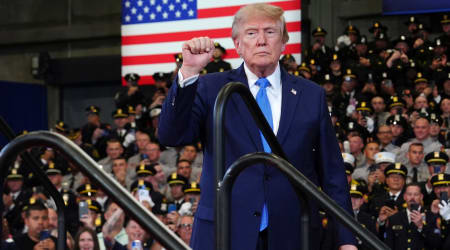
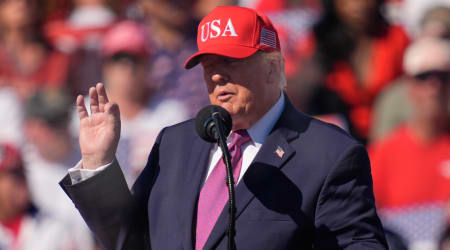
WASHINGTON, DC: Amid escalating tensions with Iran, President Donald Trump has sharply criticized NATO’s response to the ongoing conflict. Speaking during a press interaction at Joint Base Andrews on Sunday, April 12, Trump expressed disappointment over the alliance’s lack of involvement.
The developments occurred amid a fragile ceasefire after six weeks of intense fighting, as the US and Israel launched coordinated strikes on February 28 targeting Iran’s political and military leadership following the collapse of negotiations over its nuclear program.
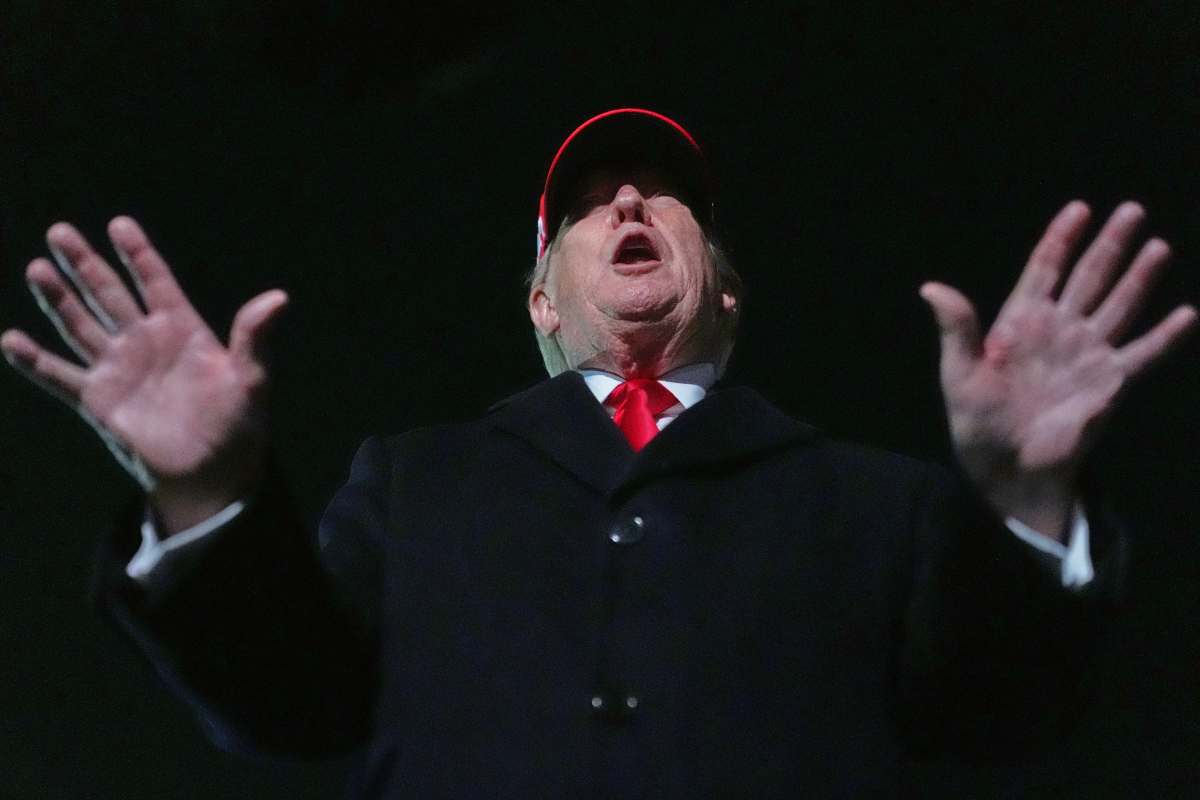
Trump wants everyone to remember 'NATO was not there'
Trump voiced strong dissatisfaction with NATO, stating, "They're going to be coming up, but I'm very disappointed in NATO. They didn't do this. They weren't there for us." He continued, "We pay trillions of dollars for NATO and they weren't there for us. Remember what I said, NATO was not there. Now they want to come up, but there's no real threat anymore."
He reiterated his call for a reassessment of the relationship, emphasizing concerns over long-standing defense commitments. “When you think of it, we're guarding against Russia. And I've long thought it was a little ridiculous, but we spent trillions of dollars doing it. And I think that's going to be under very serious examination,” the commander-in-chief said.
Trump's criticism followed a recent White House meeting with NATO Secretary General Mark Rutte, which he described as “very frank” and “very open.”
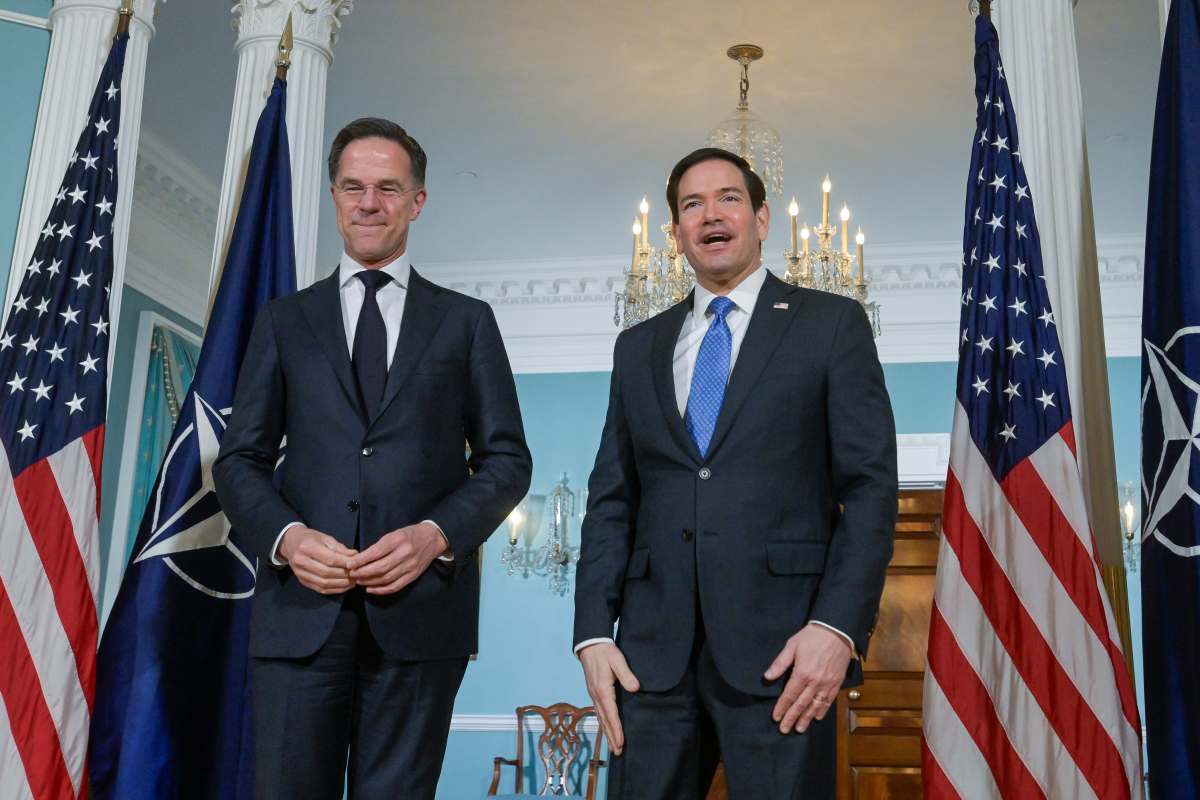
Despite disagreements, Rutte noted that many European nations had provided logistical and operational support, including basing and overflight assistance, calling the situation “a nuanced picture.” But Trump shared a post on Truth Social after the meeting, asserting that NATO failed to support the US when it was needed and would likely fall short again in future situations.
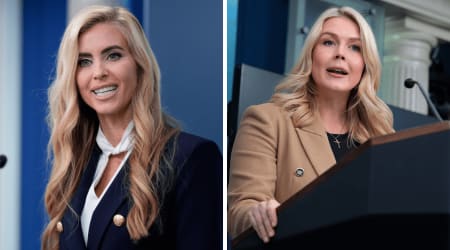
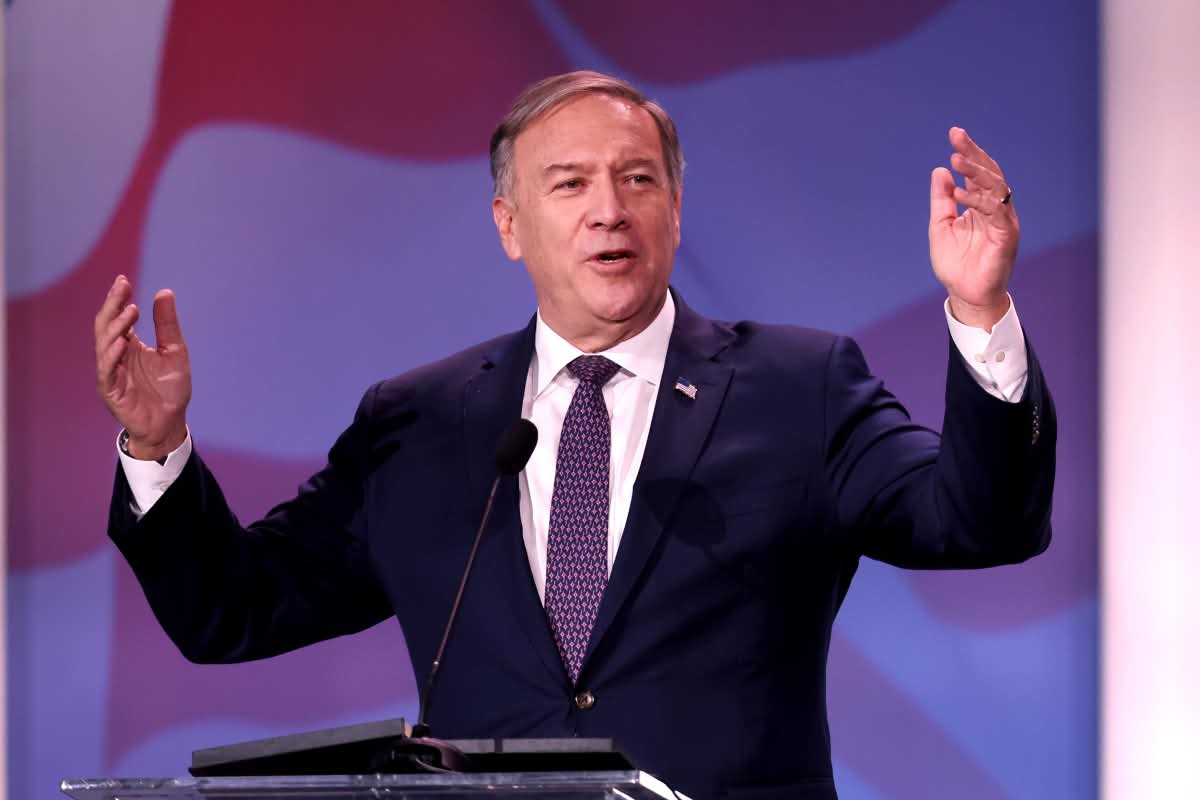
White House press secretary Karoline Leavitt echoed this sentiment, stating that NATO was “tested and they failed,” and accused member countries of turning their backs on the American people. On Sunday, former Secretary of State Mike Pompeo reinforced these concerns, saying NATO and key European allies were “failing to meet the moment.”
He argued that their citizens face similar risks from Iran but have chosen to “sit this one out.” Pompeo further criticized some countries for not providing even minimal support, describing the situation as the US doing its “dirty work.”
Negotiations stall as military and economic pressure intensifies
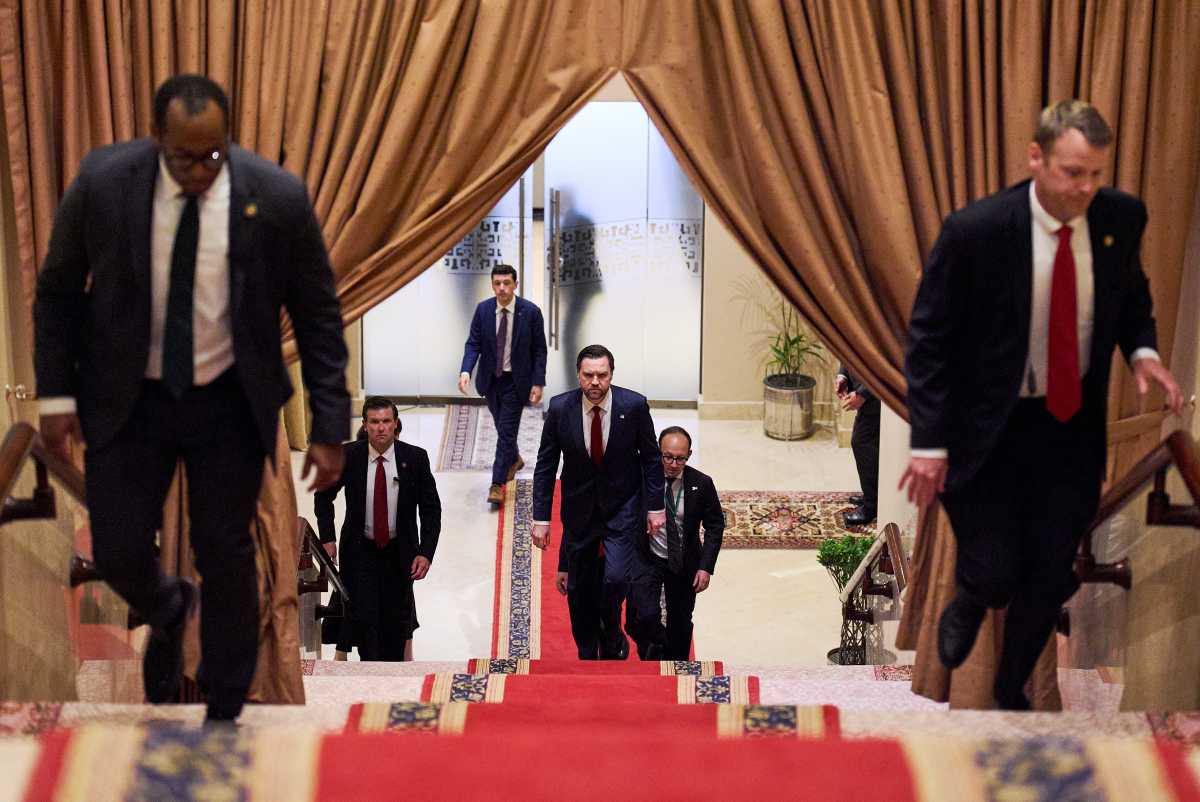
The criticism of NATO comes as diplomatic efforts with Iran falter. Vice President JD Vance led a delegation in Islamabad, where 21 hours of negotiations failed after Tehran refused to accept Washington’s terms. The talks ended without agreement, reflecting Iran’s continued hardline stance.
Despite the continuing developments, Trump stated that a ceasefire is “holding well,” while claiming Iran’s military capabilities have been severely weakened, including the destruction of its navy and the loss of 158 ships.
Trump also confirmed that a US blockade of the Strait of Hormuz would take effect, aimed at restricting Iran’s oil exports. He described the move as “very effective,” noting that other nations are working to ensure Iran cannot sell oil.
He added that ships would be prevented from passing through the strait, emphasizing US energy independence through increased domestic production.
Meanwhile, Iran’s President Masoud Pezeshkian signaled that an agreement remains possible if the US changes its approach. He stated that if Washington “abandons its totalitarianism and respects the rights of the Iranian nation,” a deal could still be reached.
Pezeshkian also praised members of Iran’s negotiating team, including Mohammad Bagher Qalibaf, for their efforts during the talks.