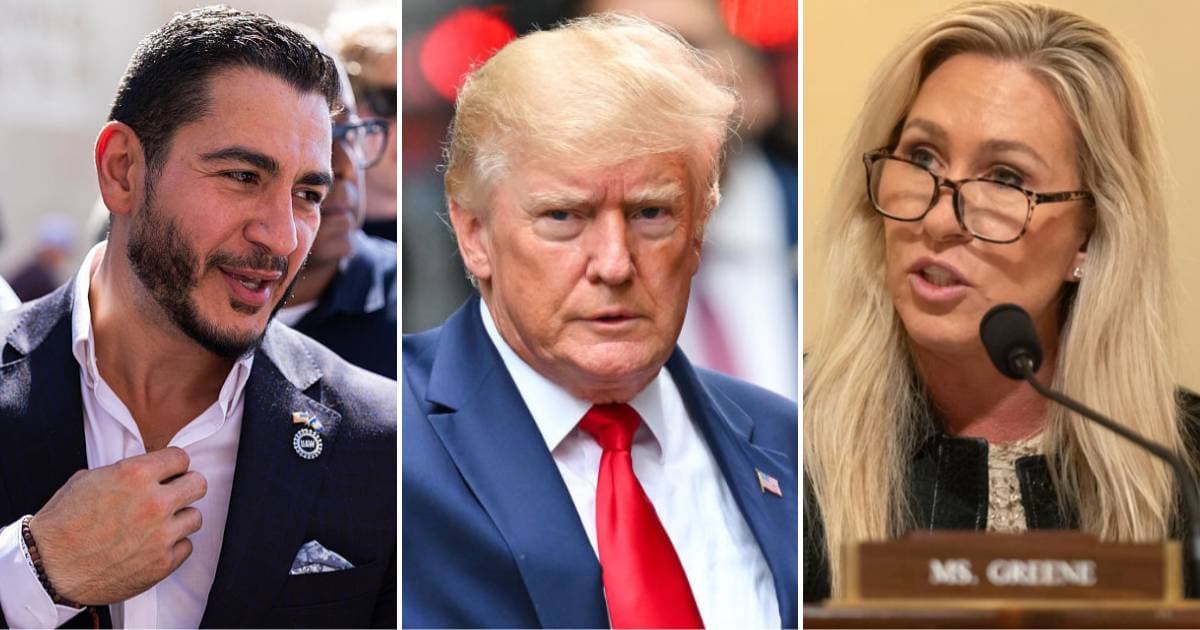
Trump explains why he regrets his own justices as he hails Democratic appointees' loyalty
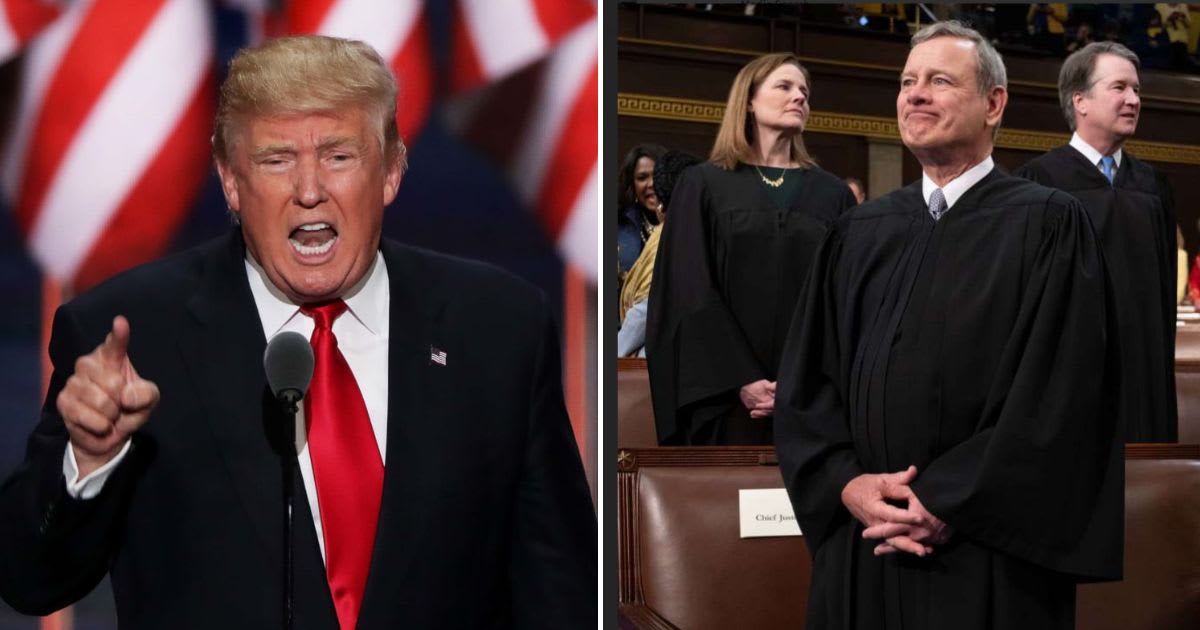
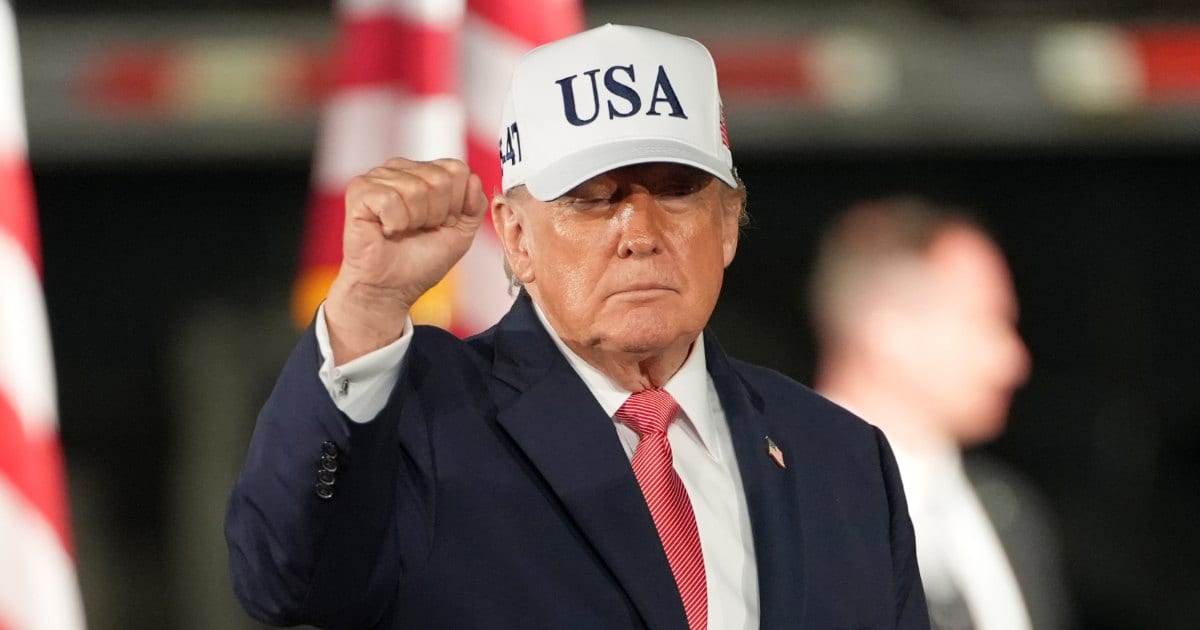
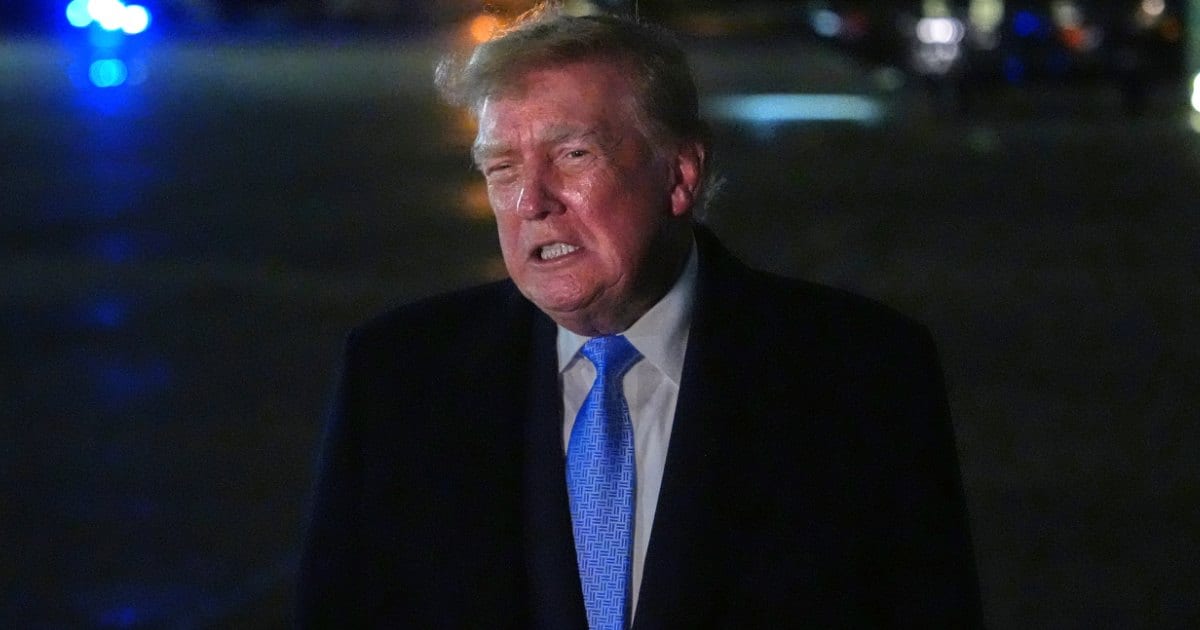
WASHINGTON, DC: In an interview, President Donald Trump acknowledged that he regrets his three Supreme Court justice picks, who have often voted against him.
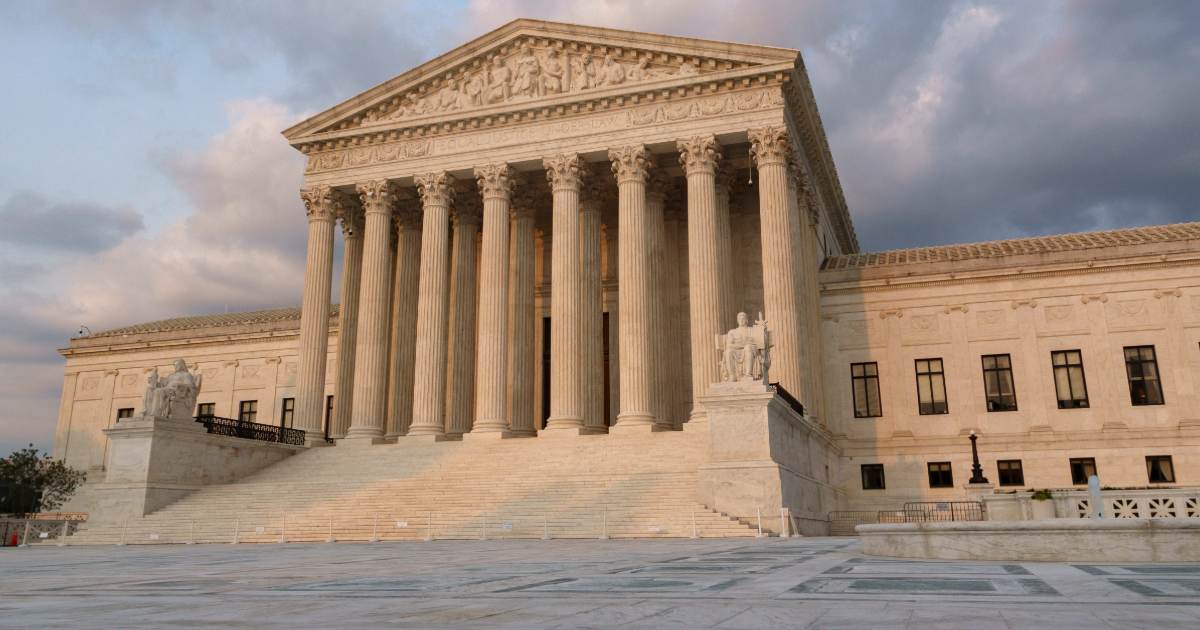
Trump’s SCOTUS picks, Neil Gorsuch, Brett Kavanaugh, and Amy Coney Barrett, whom he said have opposed him “too often,” voted against him in several legal disputes such as tariffs, mail-in ballots, birthright citizenship, and foreign aid restrictions.
Trump regrets his picks and admires liberal bloc's loyalty
Trump made the admission during his wide-ranging interview with Time magazine, where he was asked about his three Supreme Court picks and their rulings against his administration. The interview was conducted at the White House on September 28 and published on Thursday, October 1.
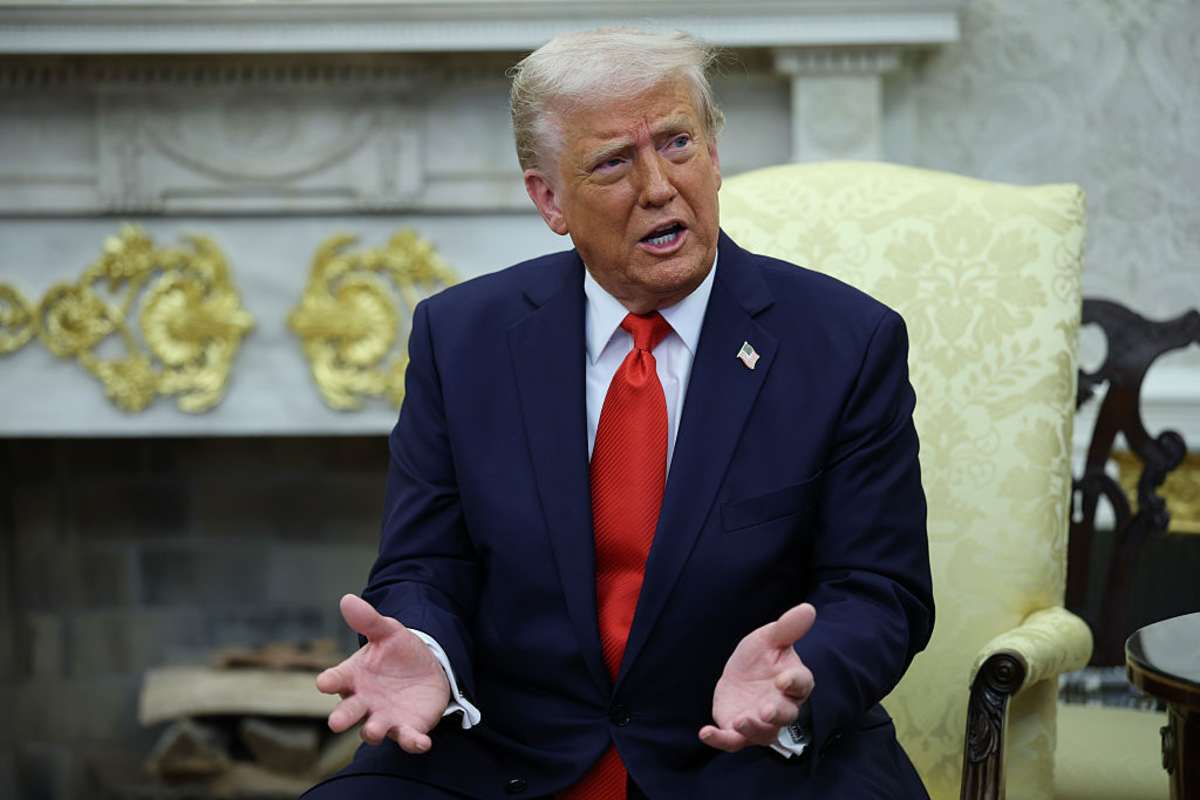
While the justices have backed Trump on several matters, they have also opposed or limited many of his policies and executive orders.
“Yeah. Yeah. What can I do? I put them in. They voted against me too often,” Trump said. “I gave them the position of a lifetime, and they vote against me often. They vote for me too.”
Trump contrasted them with the court's three Democratic-appointed justices, saying that while he dislikes that they vote as a bloc, he admires their loyalty.
“The Democrats stick like glue - those three, they virtually never vary,” he said. “You can come up with the worst thing in the world and they’ll vote as a group. And while I don’t like it, there’s something I admire about it: there’s loyalty.”

He said that they are loyal to former Presidents Barack Obama and Joe Biden, "even though Biden doesn't even know who the hell they are."
“And me, I gave them the chance of a lifetime, and it’s unfortunate what they did,” Trump again said about his SCOTUS picks.
Where Trump's picks broke with him
Trump’s remarks come after Supreme Court justices nominated by him voted against the executive orders issued by his administration.
In February, the court ruled 6-3 that the International Emergency Economic Powers Act did not give Trump authority to impose his sweeping emergency tariffs. Gorsuch and Barrett joined the controlling opinion, while Kavanaugh dissented.
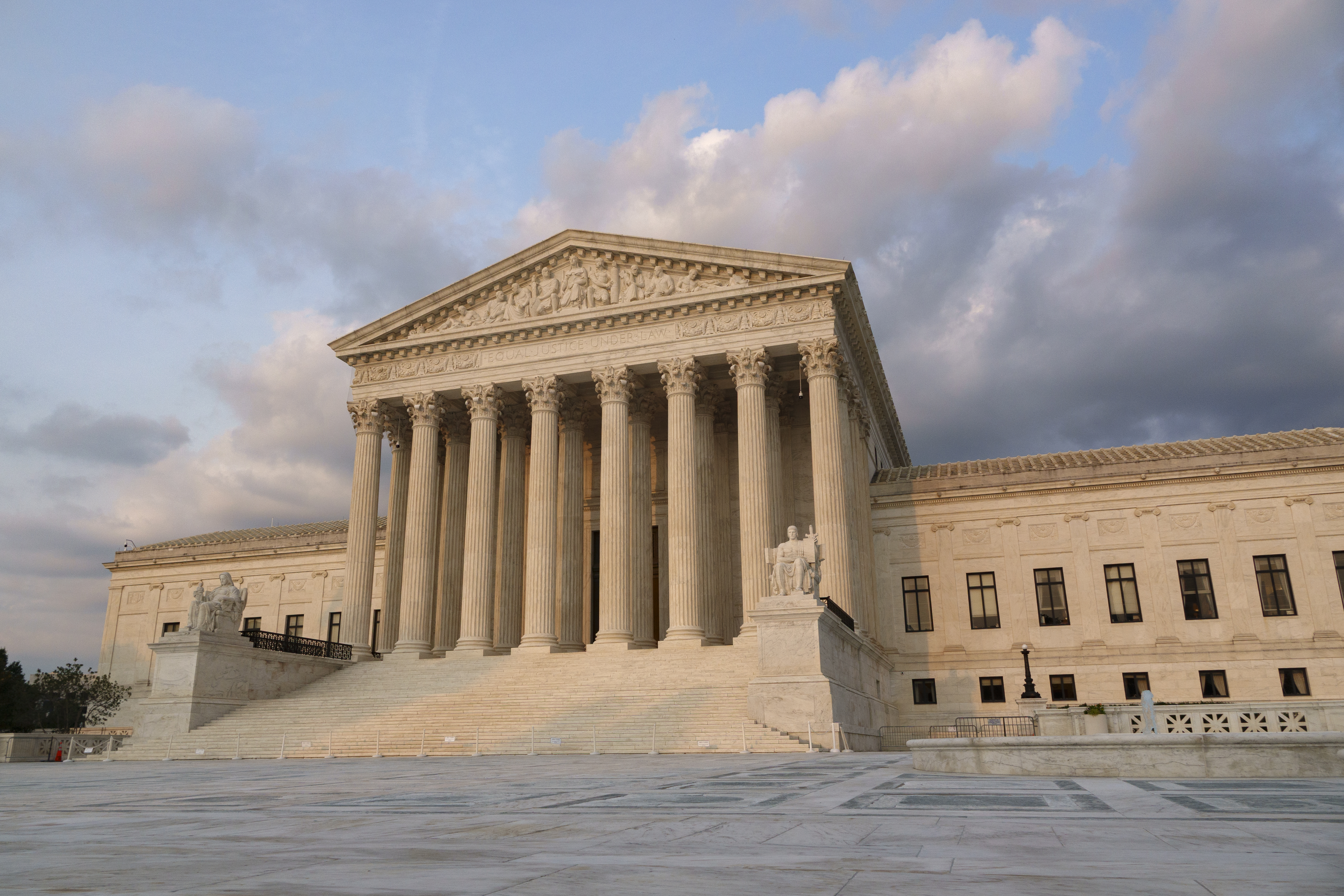
Gorsuch, Kavanaugh, and Barrett - all three were part of the majority - when the court blocked the Trump administration’s attempt to place strict limitations on mail-in ballots ahead of the midterm elections.
The trio participated in decisions limiting or halting administration efforts regarding rapid deportations under the Alien Enemies Act, birthright citizenship orders, and foreign aid restrictions.
Conservative Justice Amy Coney Barrett broke ranks and joined part of a dissent by the liberal justices when the court let the deportations proceed while requiring that detainees get notice and a chance to challenge their removal.
In March 2025, Barrett and Roberts joined the liberal justices in a 5-4 order rejecting the administration's request to withhold nearly $2 billion in payments for completed foreign aid work, drawing fire from Trump allies.
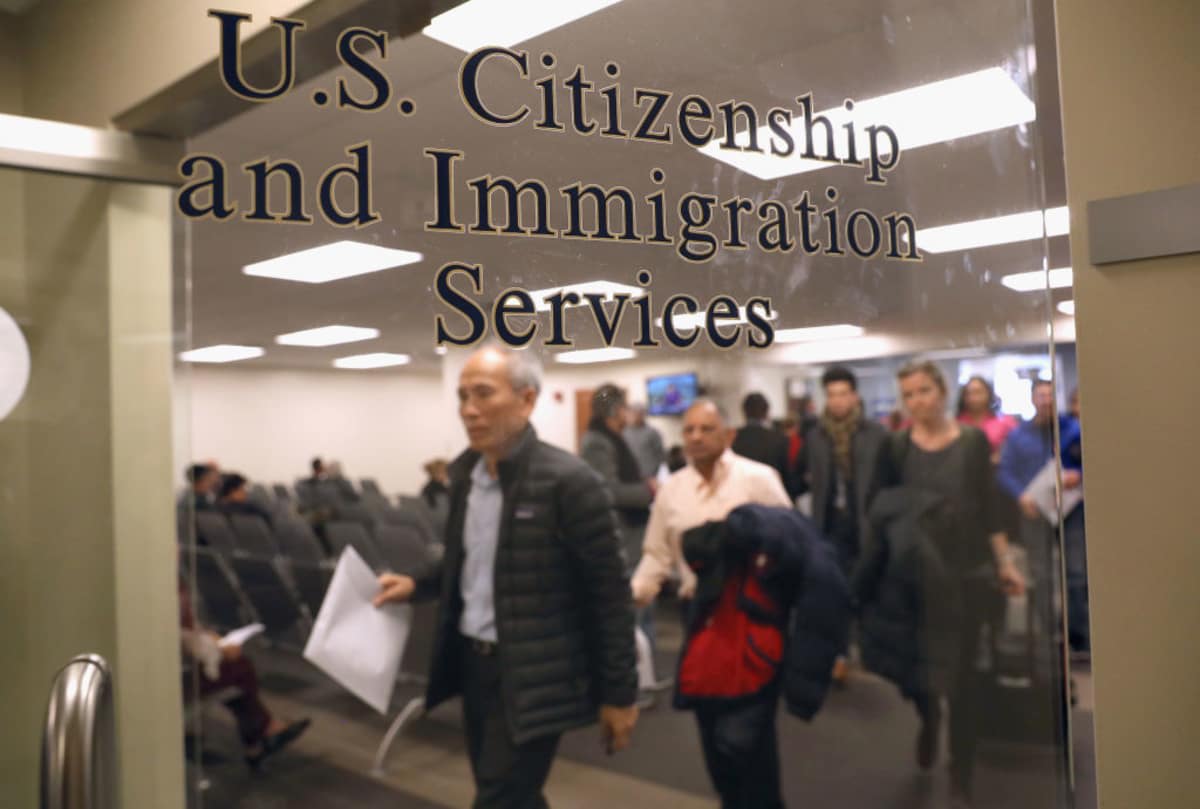
In the June 30 birthright ruling, Barrett joined the majority holding that the 14th Amendment guarantees birthright citizenship, while Kavanaugh agreed on statutory grounds. Gorsuch dissented.
At least one of the three justices participated in several other decisions against Trump in cases like congressional subpoenas demanding financial and tax records and federal appointments.