Trump mulls giving Stephen Miller major role in overseeing Venezuela: Report
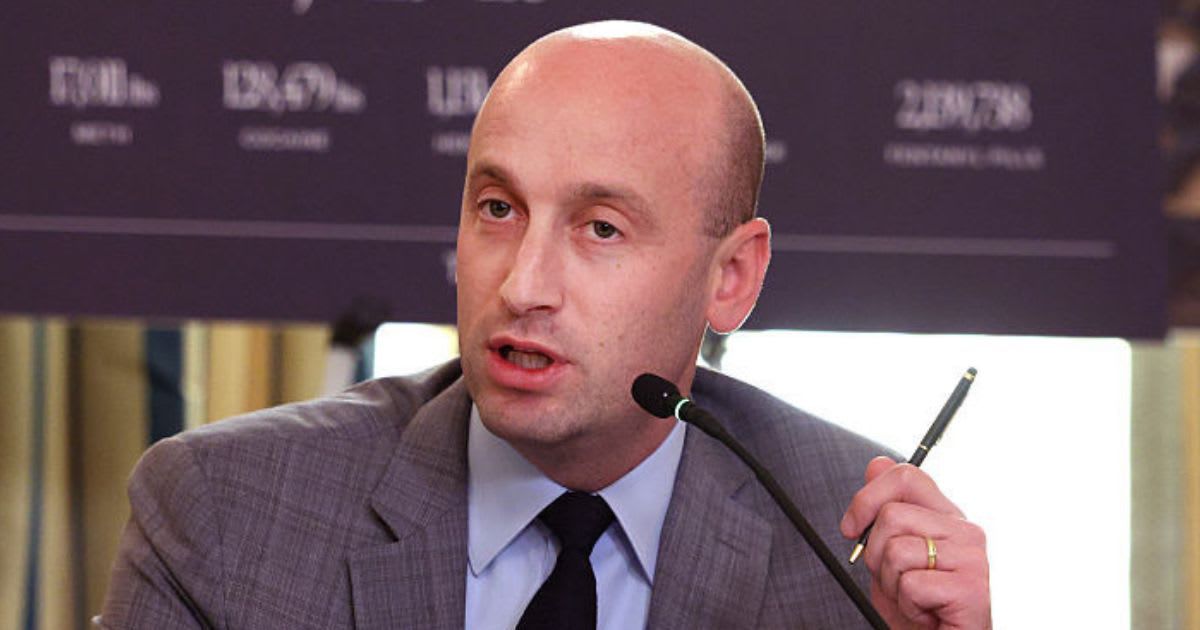
WASHINGTON, DC: After the capture of Venezuelan President Nicolas Maduro, the White House is considering a surprising choice to oversee US involvement in the country.
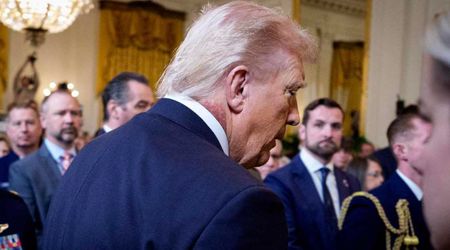
Reports indicate President Donald Trump is "weighing" Deputy Chief of Staff Stephen Miller for a leading role in managing Venezuela, according to The Washington Post.
As Trump claims control over Venezuela’s vast oil reserves, the largest in the world, he has also signaled sweeping ambitions, telling reporters the US plans to “run” the country.
What did the reports say about Stephen Miller’s new position?
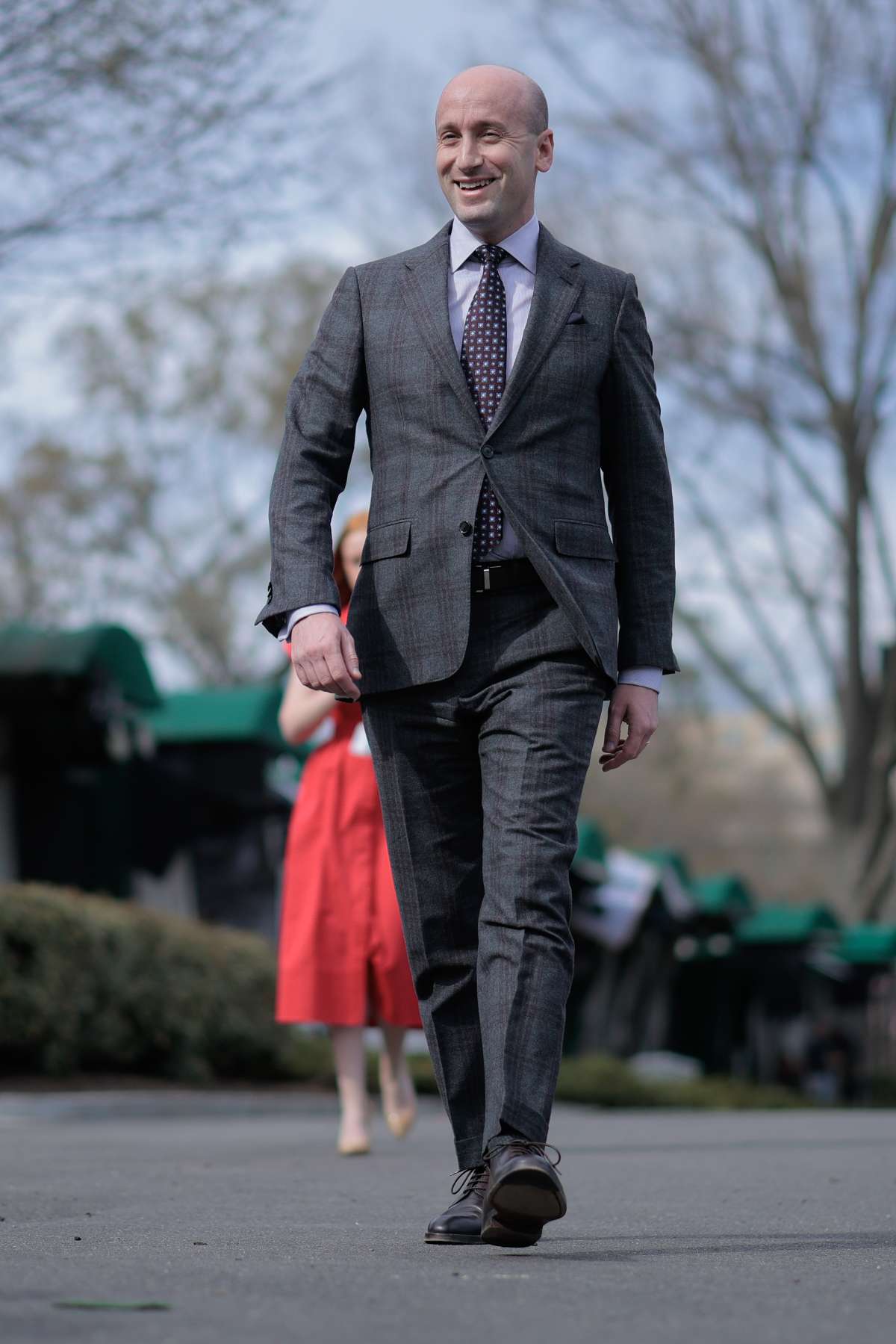
The White House is considering giving Stephen Miller a major role in overseeing Venezuela after President Nicolas Maduro’s removal. It remains unclear how any US official could realistically “run” a country of 30 million people. Still, Trump has said he is willing to put troops on the ground if needed.
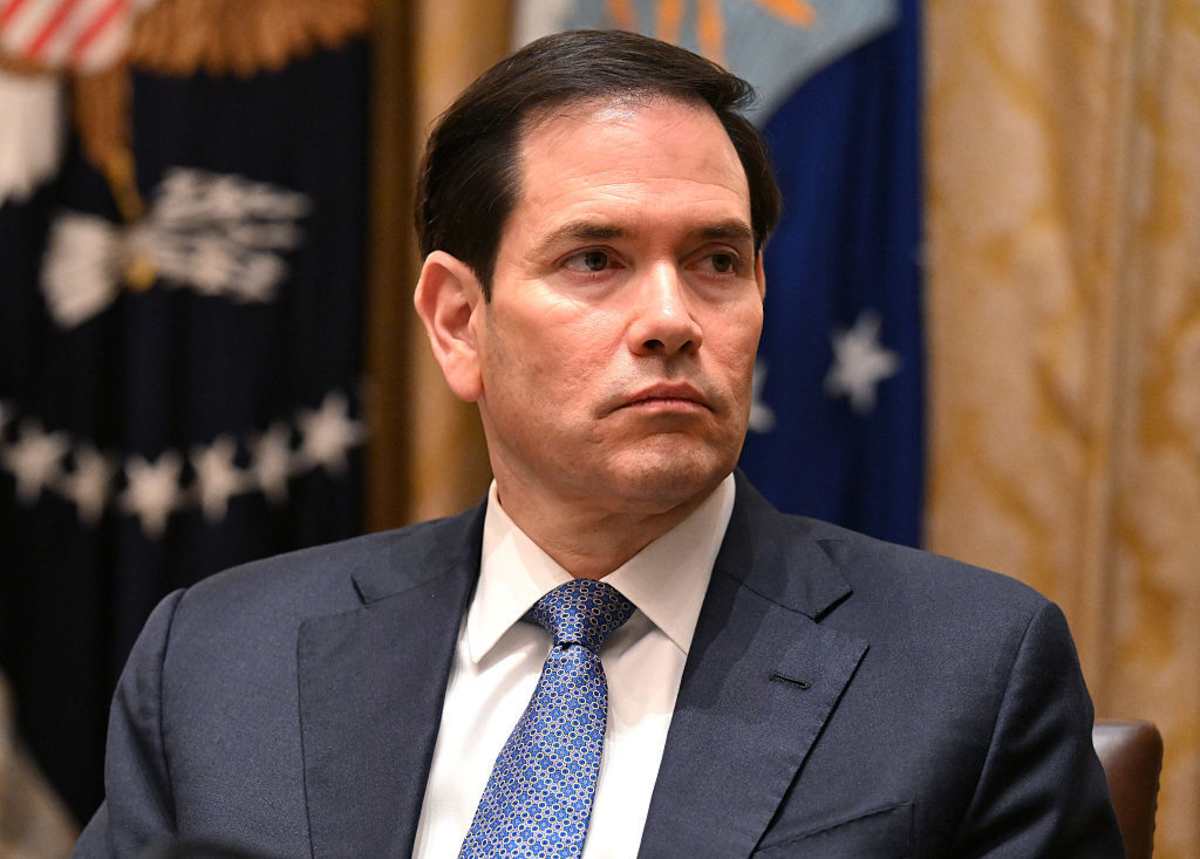
Reportedly, many see Secretary of State Marco Rubio as the more natural choice since he has spent years pushing a tough stance on Venezuela and has become the public face of the effort.
However, Rubio already holds several major roles, including top diplomat, acting head of USAID, and acting national archivist. Because of that workload, day-to-day oversight of Venezuela could fall to Miller, who is best known for leading the administration’s mass deportation policies.
Reports did not explain what the job would involve or why Miller would be suited for it.
Notably, Rubio and Miller led the administration’s growing pressure campaign against Maduro, which included deadly strikes on suspected drug-smuggling boats in the Caribbean and Eastern Pacific, as well as a CIA drone strike on a Venezuelan docking facility.
Despite these actions, officials appeared to give little thought to what would come next. Maduro’s allies remain in control in Caracas, with Vice President Delcy Rodriguez stepping in as interim president.
Trump, however, said on Sunday, January 4, that the US now controls the situation. He demanded “total access” from Rodriguez and warned that she would face severe consequences, possibly worse than Maduro, if she failed to “do what’s right.”
Stephen Miller rants on empire as Marco Rubio sidesteps questions on US role in Venezuela
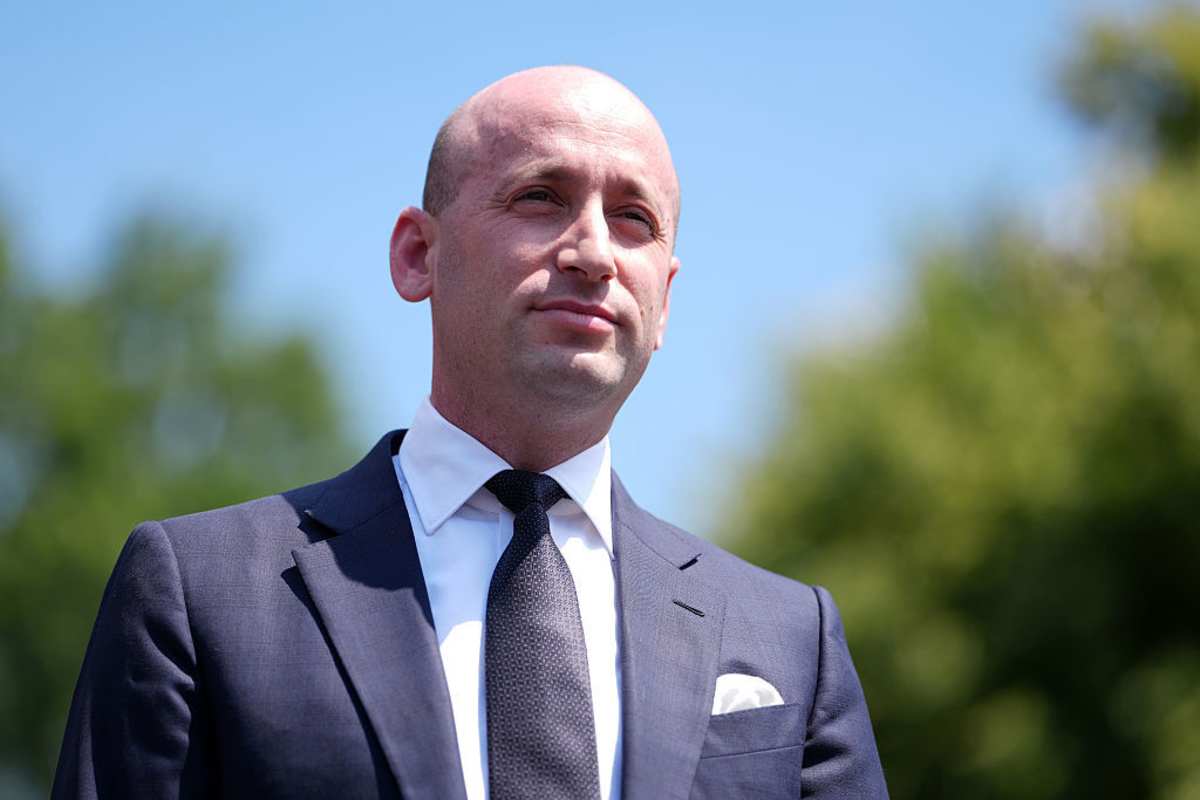
On Sunday, Stephen Miller offered a glimpse of what he might bring to the role by posting a historically inaccurate pro-empire rant on social media.
Not long after World War II the West dissolved its empires and colonies and began sending colossal sums of taxpayer-funded aid to these former territories (despite have already made them far wealthier and more successful). The West opened its borders, a kind of reverse…
— Stephen Miller (@StephenM) January 5, 2026
He claimed, "Not long after World War II the West dissolved its empires and colonies and began sending colossal sums of taxpayer-funded aid to these former territories (despite have already made them far wealthier and more successful)."
He added, "The West opened its borders, a kind of reverse colonization, providing welfare and thus remittances, while extending to these newcomers and their families not only the full franchise but preferential legal and financial treatment over the native citizenry."
Miller concluded, "The neoliberal experiment, at its core, has been a long self-punishment of the places and peoples that built the modern world."
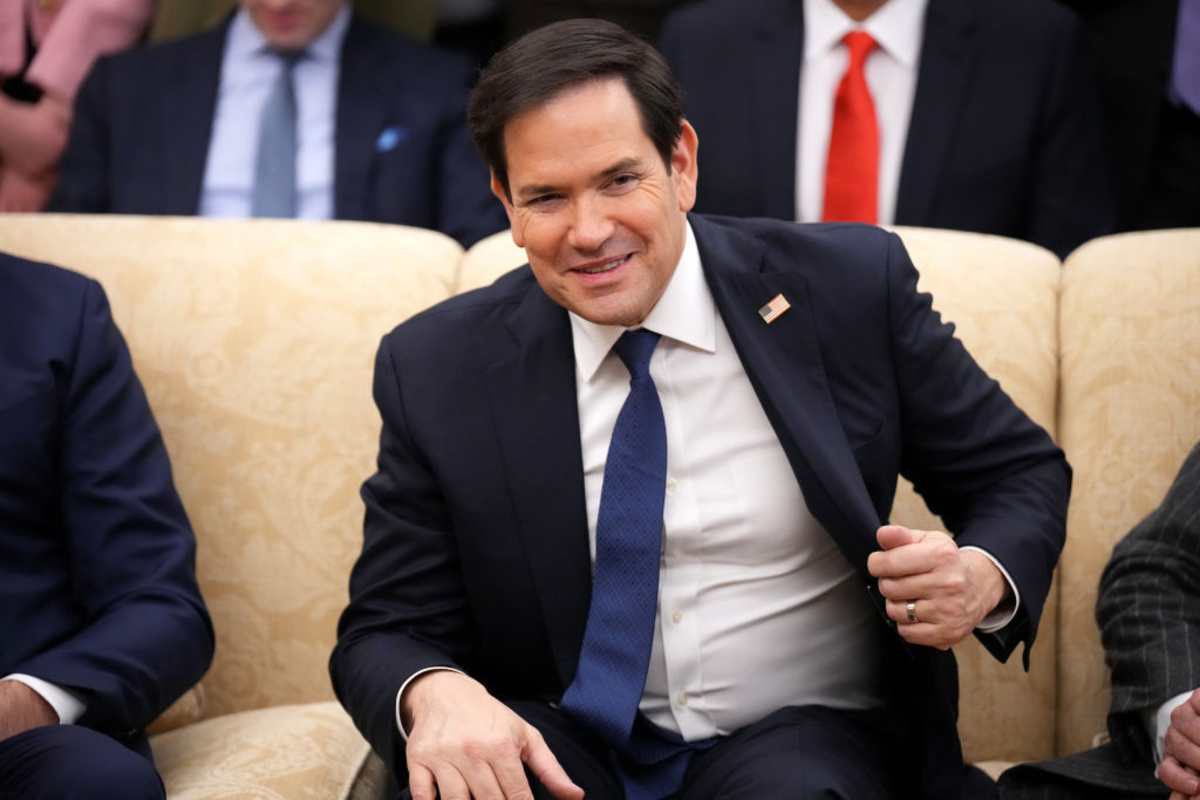
Meanwhile, Rubio avoided directly answering a question about US control over Venezuela.
Marco Rubio: I assure you the people left behind in Venezuela, in charge of the police and everyone else, I assure you they'll be more compliant than maduro was as a result of this.
— Lucas Sanders 👊🏽🔥🇺🇸 (@LucasSa56947288) January 4, 2026
pic.twitter.com/T1jybWtyLW
When NBC’s Kristen Welker asked if he was running the country, he deflected, saying, “People keep fixating on that. Here’s the bottom line on it: We expect to see changes in Venezuela. Changes of all kinds, long-term, short-term."
"We’d love to see all kinds of changes. But the most immediate changes are the ones that are in the national interest to the United States. That’s why we’re involved here," he concluded.