Trump-Netanyahu call sparks confusion as insider denies meltdown, cites 'hard to defend'
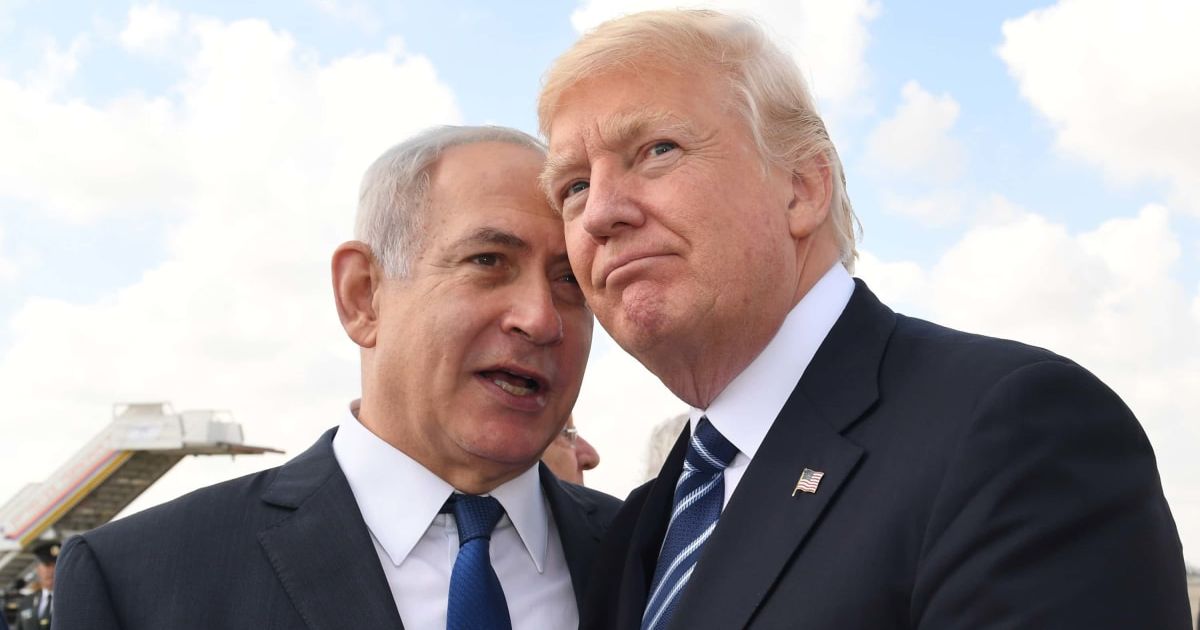
WASHINGTON, DC: Conflicting accounts have emerged about a recent phone conversation between President Donald Trump and Israeli Prime Minister Benjamin Netanyahu, creating fresh uncertainty over what was said behind closed doors.
While one report portrayed the exchange as a heated confrontation, a senior Israeli official has now disputed several of the most dramatic claims.
However, the official acknowledged that Trump did deliver a blunt message about Israel's international standing, saying the country is becoming increasingly difficult to defend on the global stage.
EXCLUSIVE: According to a very senior official on the PM’s team on the late-night Netanyahu-Trump call, the Axios report is inaccurate. Trump did not make personal remarks about jail or claim Netanyahu is hated globally.
— Amit Segal (@AmitSegal) June 2, 2026
Instead, the tense call focused on conflicting social…
Clashing accounts of Trump-Netanyahu call
Questions surrounding the call intensified after an Axios report published on Monday, June 1, suggested Trump sharply criticized Netanyahu during discussions about ongoing tensions in the Middle East.
The report painted the conversation as an unusually hostile exchange, alleging that Trump expressed deep frustration with Israel's recent actions and the impact they were having on diplomatic efforts.
But that version of events was later challenged by Israeli journalist Amit Segal, who cited a senior member of Netanyahu's team familiar with the discussion.
According to the official, the conversation was tense but did not include some of the personal remarks attributed to Trump.
Segal reported that Trump "did not make personal remarks" about Netanyahu and did not claim that the Israeli leader was broadly disliked around the world, contradicting portions of the earlier account.
Instead, the source said the disagreement centered on public messaging surrounding the conflict.
Trump reportedly believed that Netanyahu's public statements gave the impression that military operations were continuing at full force, while Netanyahu felt Trump's comments suggested a complete ceasefire had already taken effect.
Despite disputing key details, the Israeli official confirmed that Trump voiced concerns about the challenges Israel faces internationally.
"Trump did note that defending Israel's global position is difficult and breeds hatred," Segal wrote, citing the senior official.
Ceasefire tensions linger
The acknowledgment suggests there was genuine concern expressed during the call about how Israel's actions are being perceived abroad, even if the characterization of the conversation remains disputed.
The official also said the discussion ultimately ended on a constructive note.
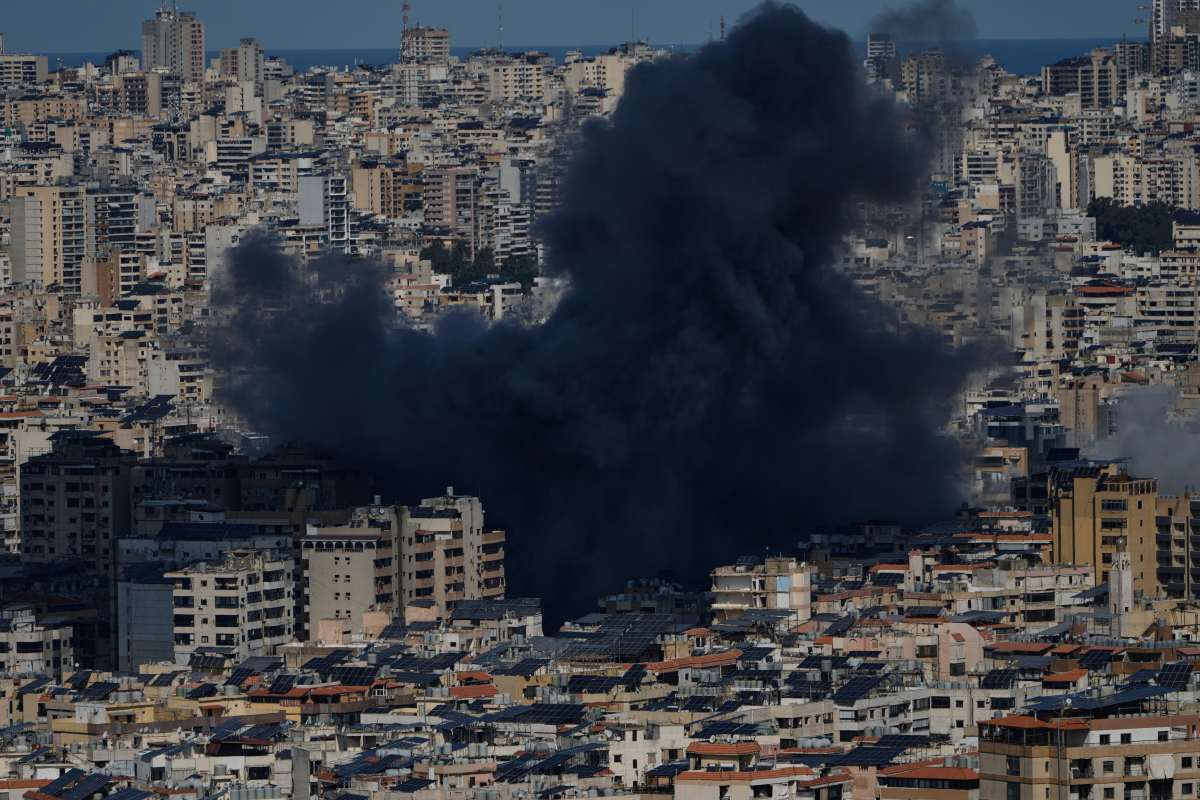
According to the account, both sides reached an understanding that Israel would refrain from striking Beirut unless attacks were launched against Israeli territory.
The controversy comes against the backdrop of fragile diplomatic efforts involving the United States, Israel and Iran.
In recent weeks, Washington has been attempting to preserve a temporary ceasefire framework while encouraging negotiations aimed at preventing a wider regional conflict.
However, disagreements over military operations and competing interpretations of ceasefire terms have repeatedly threatened to derail those efforts.
Reports of friction between Trump and Netanyahu immediately attracted attention because of the close relationship the two leaders have maintained over the years.
The competing narratives have now left observers with two very different pictures of what occurred.
One portrays an angry president venting frustration at a longtime ally.
The other describes a difficult but ultimately pragmatic conversation focused on public messaging, military restraint and international perception.