Trump offers $1M reward for voter fraud tips days before 2026 midterm elections
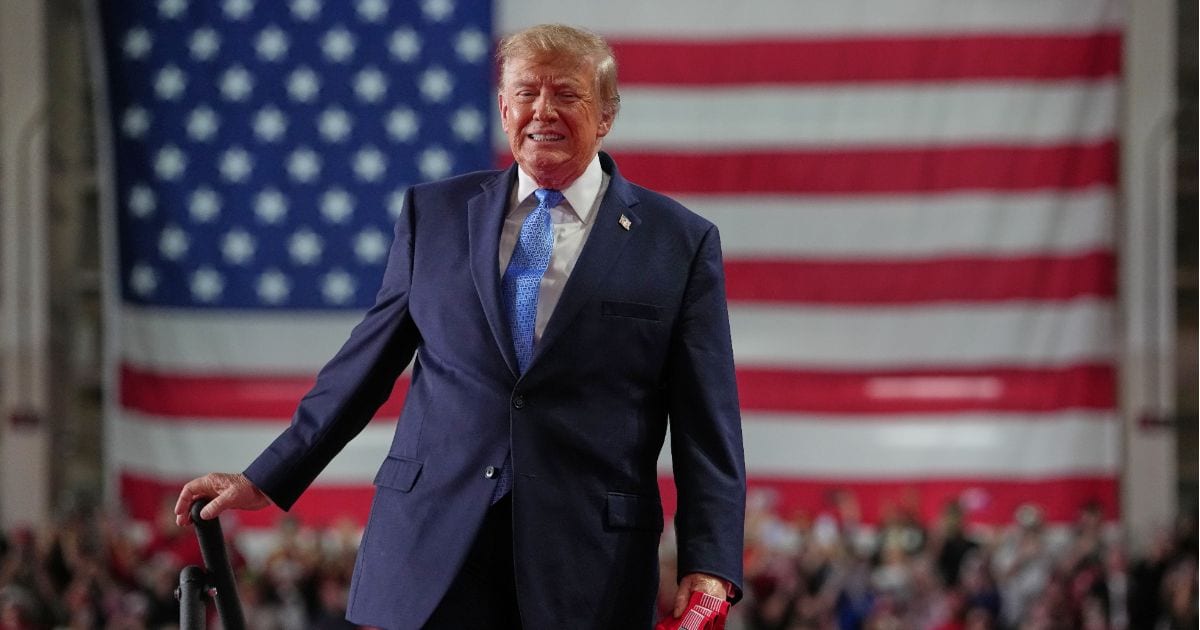
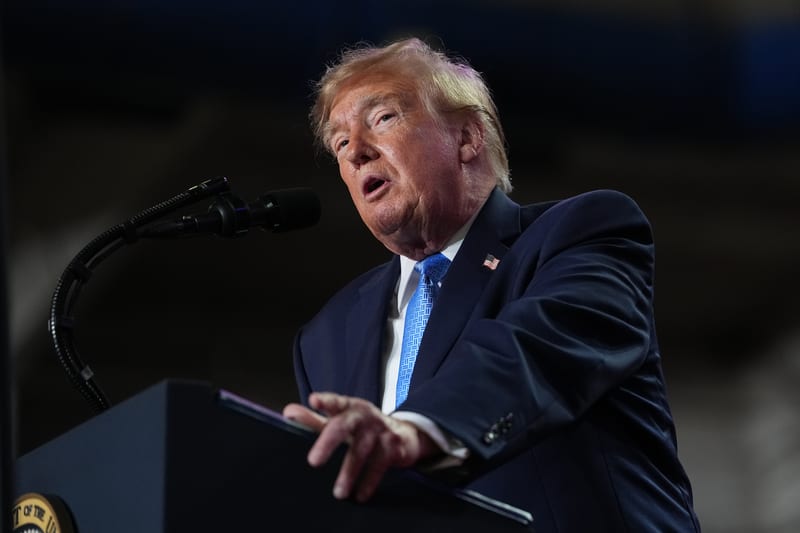
WASHINGTON, DC: President Donald Trump has found a new way to root out alleged voter fraud by offering Americans a financial incentive to help his administration track down election-related wrongdoing.
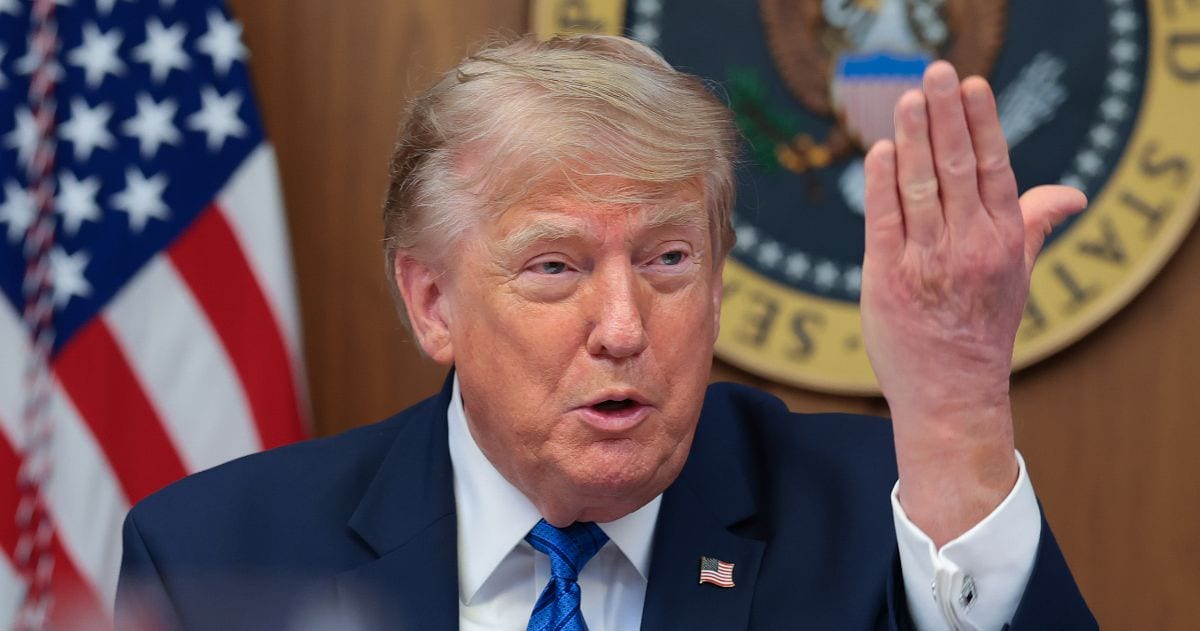
The 80-year-old president has announced that he will offer a $1 million reward to anyone who reports voter fraud in past elections or the upcoming midterm elections, provided the information leads to an arrest and conviction.
Trump and his administration have repeatedly made unfounded claims that widespread voter fraud occurred in past elections.
Trump offers $1 million reward for voter fraud tips
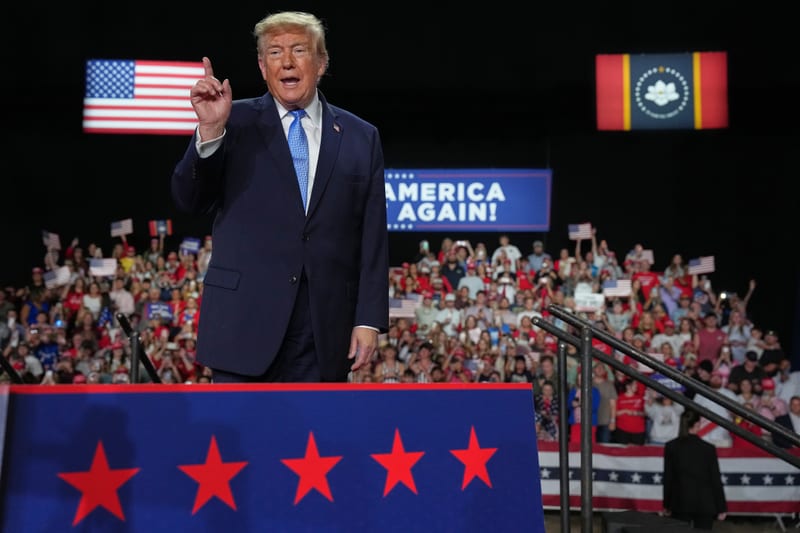
Shortly before departing the White House for a pre-midterm rally in Mississippi, the commander-in-chief took to Truth Social to announce the offer, saying, “Anybody reporting Voter Fraud in the past Elections, or the upcoming 2026 Midterm Election, will be paid $1,000,000 upon the arrest and conviction of those that created the Fraud!”
Anybody reporting Voter Fraud in the past Elections, or the upcoming 2026 Midterm Election, will be paid $1,000,000 upon the arrest and conviction of those that created the Fraud! Thank you for your attention to this matter. President DONALD J. TRUMP ( TS: Oct 26 2026, 3:31 PM ET )
— Commentary Donald J. Trump Truth Social Posts On X (@TrumpTruthOnX) October 26, 2026
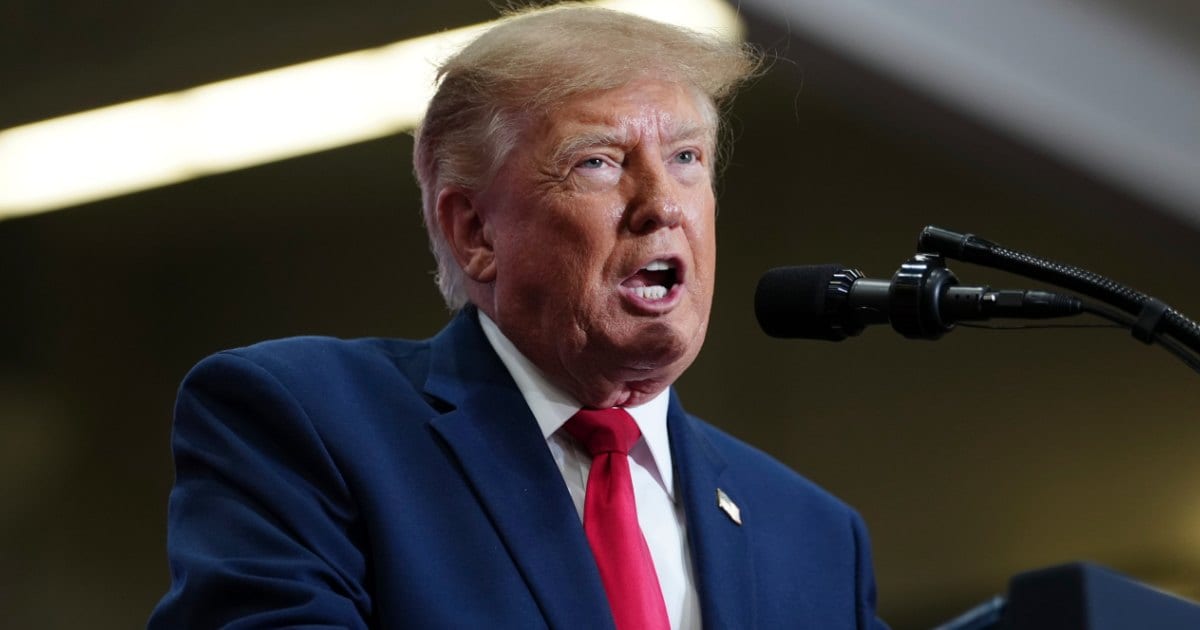
Moments later, he reiterated his offer in front of reporters, saying, “going to be issuing a million-dollar bonus or reward or whatever you want to call it for anybody that reports voter fraud leading to the arrest and conviction of somebody.”
“We give you, that person, a million dollars,” he added while standing beneath the wing of Air Force One.
Trump also raised questions about Brazil's latest election, in which President Luiz Inacio Lula da Silva secured a fourth term in an upset victory after pledging government handouts.
He described the vote as having “looked so corrupt, so terrible” and called a two-hour extension of voting hours “very strange.”
Lula, widely known by his first name, defeated conservative Flavio Bolsonaro by more than 4 million votes.
In 2023, a mob alleging election fraud stormed and ransacked Brazil’s legislature after Flavio’s father, former president Jair Bolsonaro, lost to Lula by a narrower margin.
US voter fraud cases and Trump’s election crackdown
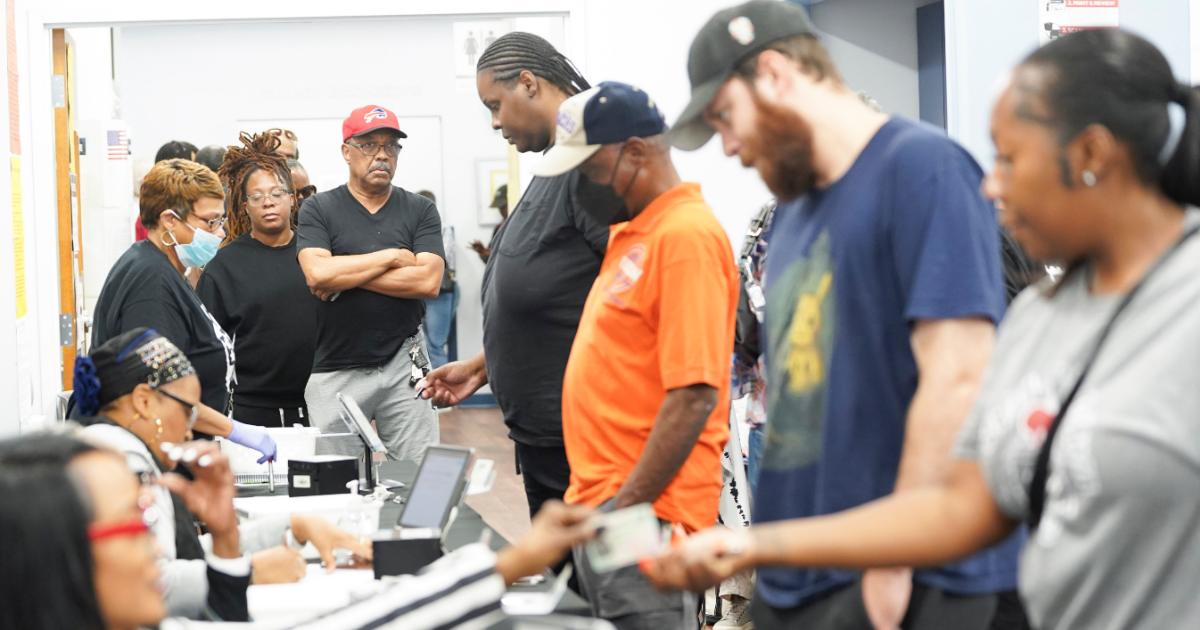
Voter fraud cases do occur in the United States, although they are rare. In a few instances, people have filled out ballots on behalf of recently deceased relatives or lied on mail-in ballot applications, and they are usually caught.
A tracker maintained by the conservative Heritage Foundation has documented more than 1,600 incidents of voter fraud over 40 years, representing a tiny fraction of the total votes cast during that period.
Last week, the Justice Department charged 28 green card holders in California with voter fraud.
Federal officials alleged that the individuals illegally registered to vote and that “most of them cast illegal and fraudulently obtained ballots.”
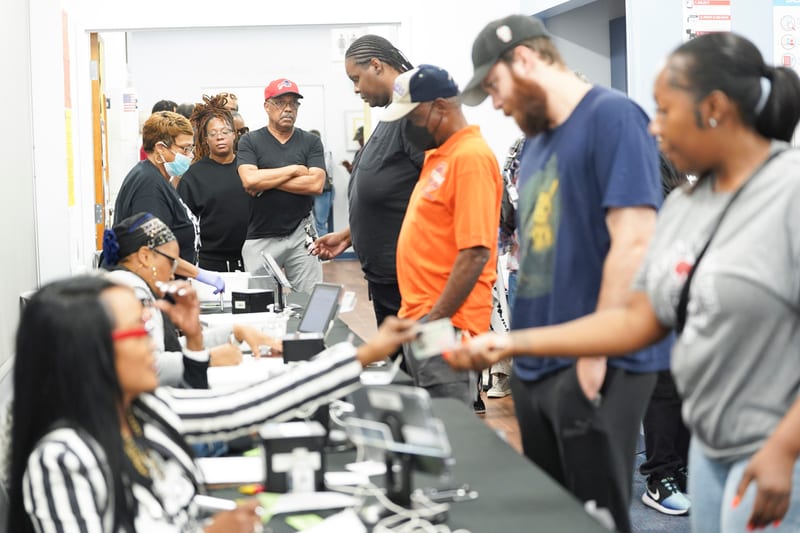
Trump’s latest offer marks another attempt by the president to expand his influence over the midterm elections.
His administration has devoted substantial resources to identifying noncitizens on state voter rolls, despite studies showing that noncitizen voting is rare.
The Justice Department has sued California officials, seeking to force the segregation of mail ballots that it claims may have been sent to potential noncitizens.
Last week, at Trump’s request, the department also sued Alaska officials in an effort to prevent the certification of the US Senate race if Republican Sen Dan Sullivan loses.
The proposed voter fraud reward follows Trump’s announcement of a separate $25 million government fraud whistleblower program. He told reporters that he would personally decide who deserved the prize.
The president has also made other financial promises while campaigning for Republicans ahead of the midterms, including a pledge to pay Americans $5,000 if his party retains control of Congress.
As with the whistleblower program, Trump has yet to explain where the money for those payments would come from.