Trump picked the videos, DHS paid the bill, taxpayers spent $2.5M on White House ads
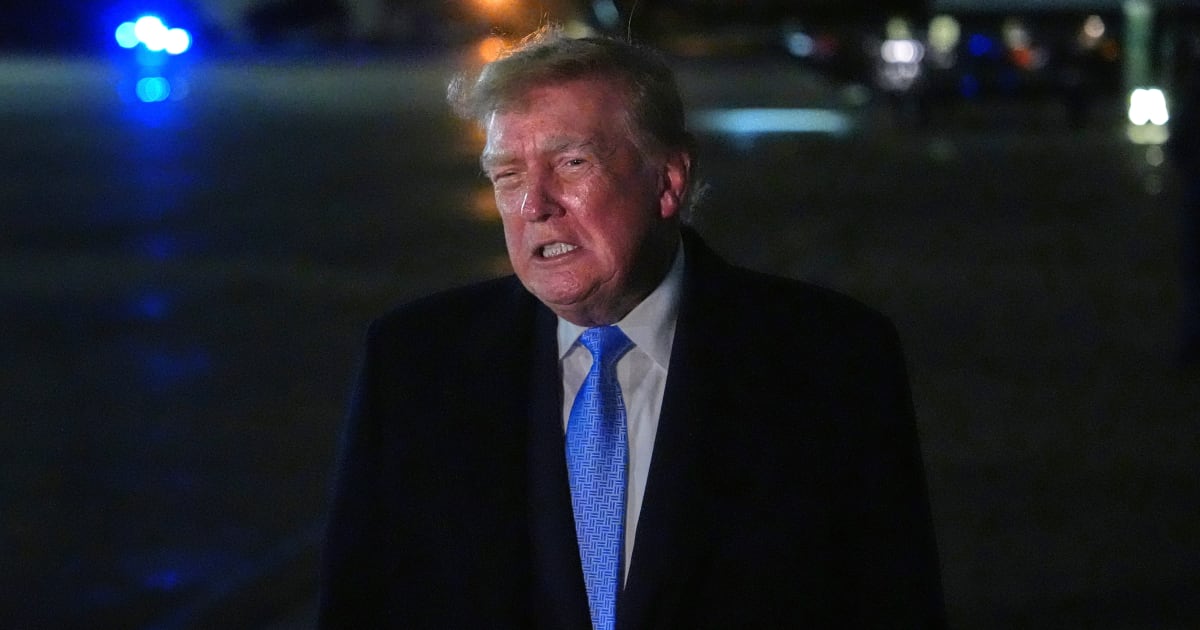
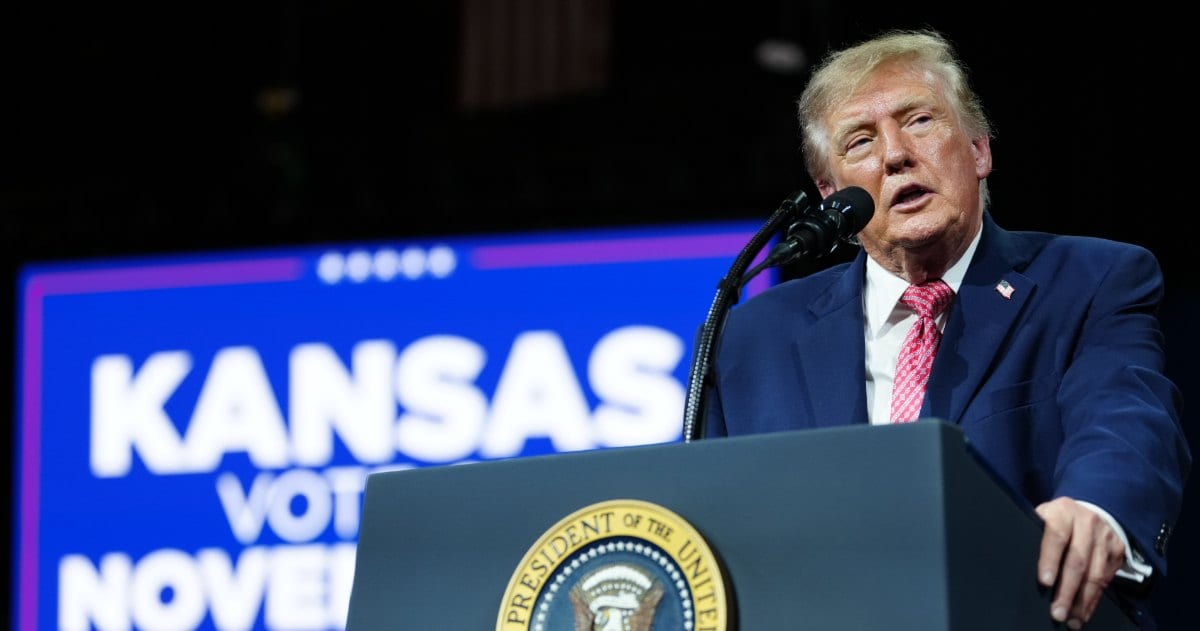
WASHINGTON, DC: President Donald Trump is personally selecting which White House-produced videos become taxpayer-funded television advertisements, with the administration preparing to expand the campaign weeks before the November midterms, Axios reported Tuesday, September 29.
At least $2.5 million has already been spent on the spots, which began airing September 23, while an administration official told Axios, “This is just the beginning.”
“Paid for by the U.S. Government”: The Trump administration is airing a taxpayer-funded, pro-Trump ad on Fox News and Newsmax featuring Trump declaring: “America will never be a communist country,” while on-screen text touts the “largest tax cuts in history.”
— Republicans against Trump (@RpsAgainstTrump) September 26, 2026
The White House… pic.twitter.com/jEh12XrHch
The ads are being funded through an existing Department of Homeland Security budget and are described by the White House as public-service announcements rather than political advertising.
Trump picks videos for TV
The campaign began with videos created by the White House digital operation and posted on Trump’s Truth Social account.
Trump then selected the material he wanted moved onto television, according to Axios.
Three ads have highlighted Trump’s record and echoed themes from his campaign rhetoric, including warnings about “communism, socialism and Marxism.”
Trump is now using taxpayer money to run his 2024 campaign ad, but changes his campaign logo at the end to “PAID FOR BY THE U.S. GOVERNMENT” pic.twitter.com/dsFCCPrKll
— Headquarters (@HQNewsNow) September 28, 2026
One closely resembles a 2024 Trump campaign advertisement attacking the “deep state,” “globalists” and “warmongers,” but the new version carries a “Paid for by the US Government” disclaimer.
The government has purchased more than 2,000 broadcast airings and more than 50 cable spots, according to AdImpact data cited by Axios.
Here is the Trump ad paid for by your tax dollars running on Sunday NFL games. It originally ran during the 2024 campaign. https://t.co/DOCBw7Cm7F pic.twitter.com/GtEePWjcQW
— Jamie Dupree (@jamiedupree) September 27, 2026
The largest single program buy involved Fox’s NFL coverage, with 340 airings.
The White House says the messaging is patriotic and aimed at the country rather than a candidate or ballot measure.
GOP voices question taxpayer spending
The spending has produced an unusual divide inside Republican ranks.
Senate Majority Leader John Thune, R-S.D., has praised the message but said the advertisements “shouldn’t be paid for with taxpayer dollars.”
Thune on Government Funded Trump Ads: I like the message, but it shouldn't be paid for with taxpayer dollars. pic.twitter.com/iUvq9cru6i
— Acyn (@Acyn) September 28, 2026
Democrats have gone further, arguing that the spots amount to government-funded political messaging and should be removed.
The White House rejects that characterization and points to public-service advertising used by previous administrations.
Federal rules do place limits on how appropriated money can be used for publicity and propaganda.
Presidential Public Service Announcements Are Nothing New
— White House Press Pool Reports (@WHPressPool) September 25, 2026
FOR IMMEDIATE RELEASE
The attacks on President Donald J. Trump’s public service announcements are highly dishonest. The announcements are very clearly not campaign ads; President Trump is not on the ballot and there is… pic.twitter.com/mT3rQr47on
The Government Accountability Office has said agencies may communicate their policies and activities, but has identified purely partisan communications, self-aggrandizing material and covert messaging as restricted categories.
It has also found that government-produced television material must clearly disclose its government source.
The current advertisements do identify their government sponsorship, but whether their content crosses any separate legal boundary would depend on the applicable rules and facts.
TV push reaches American households
The timing puts the government campaign directly into the final stretch before the November 3 midterms, when political organizations are already spending heavily on television.
Earlier reports from this month stated that roughly $390 million in Senate campaign advertising was headed toward voters across television, streaming and digital platforms.
The controversy now centers on where government information ends and partisan messaging begins, a distinction that matters whenever taxpayer-funded communications reach voters during an election season.