Trump says tankers moving to US to ‘load up’ as Strait of Hormuz disruptions grow
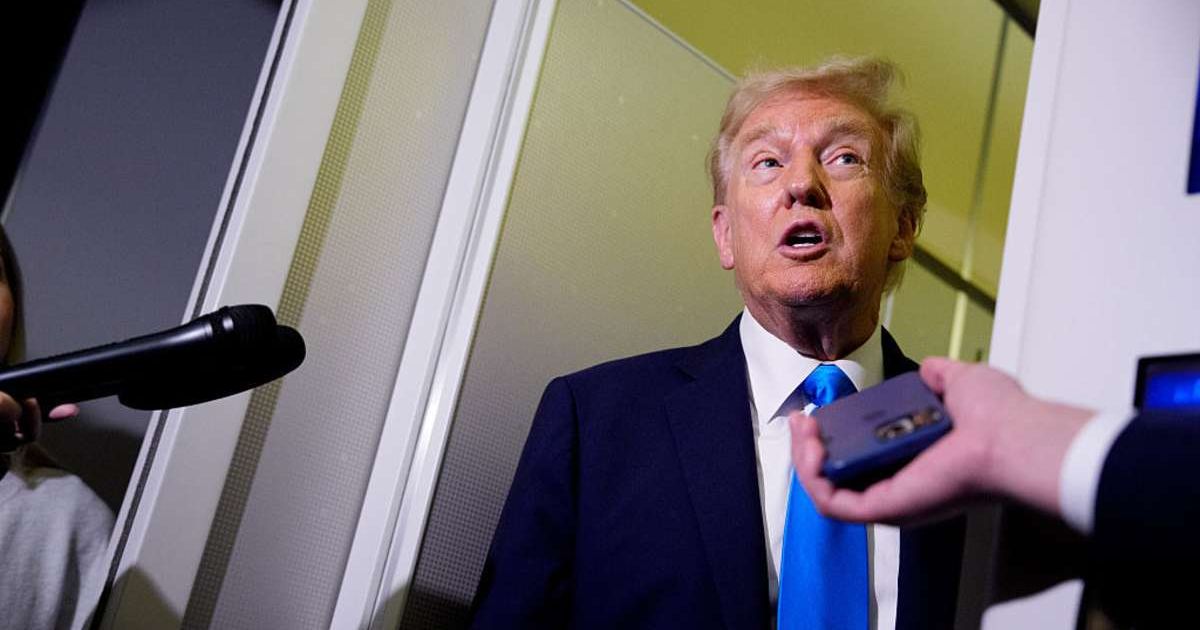
WASHINGTON, DC: US President Donald Trump on Saturday, April 11, claimed that a wave of empty oil tankers is heading toward the United States to load crude oil and natural gas, signaling a potential shift in global energy flows amid ongoing tensions in the Gulf.
In a post on Truth Social, Trump said “massive numbers” of tankers, including some of the largest vessels in operation globally, are currently en route to American ports to take on supplies.
He described US crude as the “best and sweetest” available, underscoring what he framed as the country’s growing importance in meeting global energy demand.

Energy pitch amid global supply concerns
Trump’s remarks appear aimed at positioning the United States as a reliable supplier at a time when traditional shipping routes in the Middle East remain disrupted.
While the US is already one of the world’s top oil producers, the majority of its output is consumed domestically, limiting export volumes under normal circumstances.
However, the current geopolitical climate, marked by restricted flows through critical maritime chokepoints, has heightened interest in alternative supply sources, including US energy exports.
Strait of Hormuz bottleneck persists
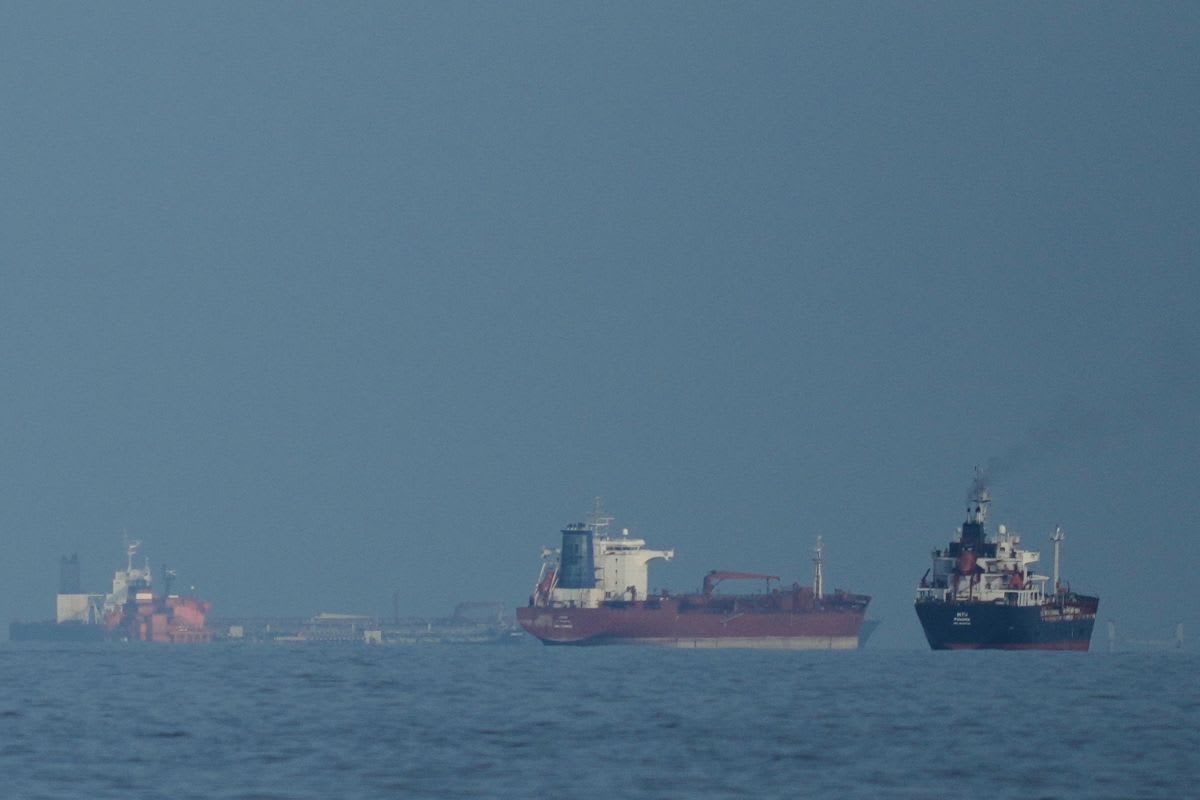
The comments come against the backdrop of continued disruption in the Strait of Hormuz, a vital artery for global oil shipments. Despite a ceasefire agreement between Washington and Tehran, maritime traffic through the strait remains significantly below normal levels.
Only a handful of vessels have transited the waterway in recent days, reflecting ongoing security concerns, logistical bottlenecks, and unresolved disputes over navigation conditions.
GREAT!!!
— Commentary: Trump Truth Social Posts On X (@TrumpTruthOnX) April 11, 2026
(TS: 11 Apr 00:01 ET) pic.twitter.com/cs7vJIgx0c
Trump sharply criticised Iran for what he described as a failure to uphold its commitments under the ceasefire deal. He accused Tehran of doing a “very poor job” in reopening the Strait of Hormuz to full commercial traffic, raising doubts over the durability of the agreement.
The slowdown in shipping has had immediate repercussions in global energy markets, contributing to renewed volatility and an uptick in oil prices as traders react to constrained supply routes.
With one of the world’s most critical oil corridors operating at reduced capacity, concerns over supply disruptions have resurfaced. Analysts warn that prolonged restrictions could tighten global inventories and sustain upward pressure on crude prices.
The situation has also led shipping companies and insurers to adopt a cautious approach, further limiting the number of vessels willing to navigate the region despite the nominal ceasefire.

US energy dominance narrative intensifies
Against this backdrop, Trump reiterated his long-standing claim of American energy supremacy, asserting that the United States possesses more oil than the next two largest oil-producing economies combined, along with superior quality reserves.
“We are waiting for you,” he said, in what appeared to be a direct appeal to global buyers seeking stable and secure energy supplies outside the conflict-hit Gulf region.