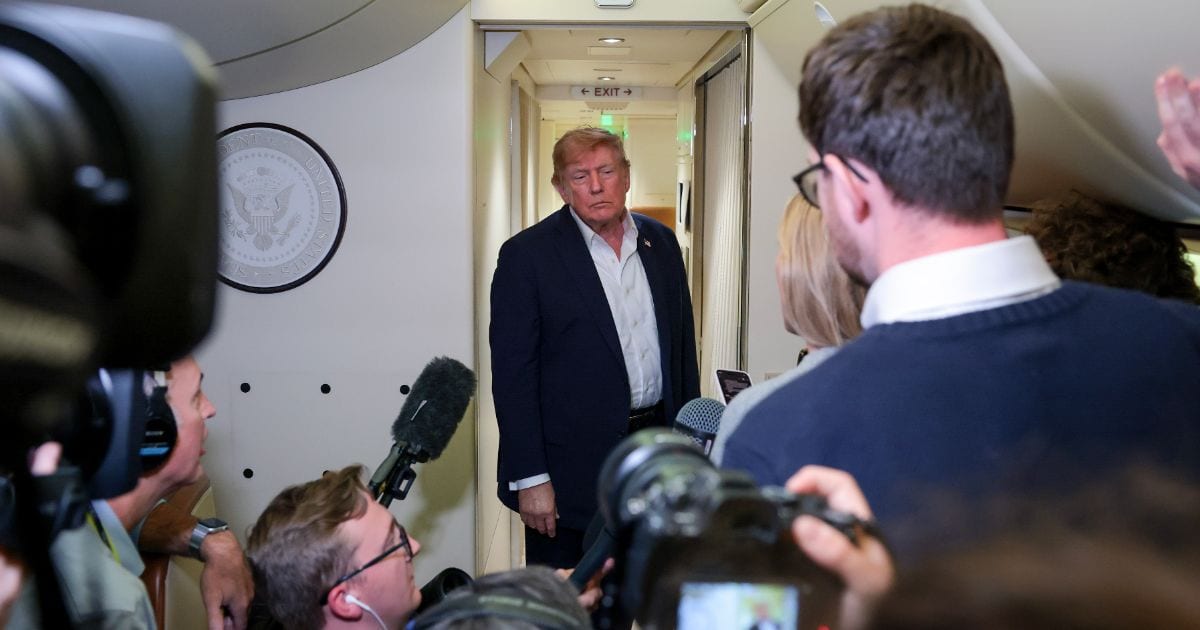
Trump secures new 'Most Favored Nation' deals with 9 global pharmaceutical companies
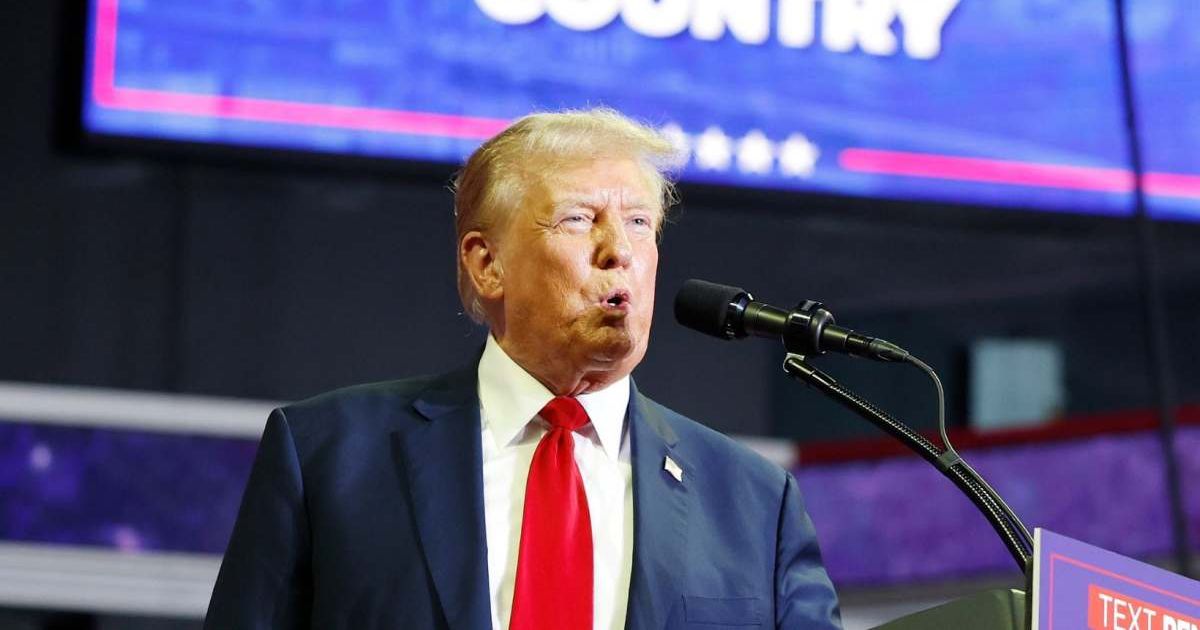
.@POTUS: "The companies assembled in this room have agreed to offer all of their drugs to Medicaid at Most Favored Nation pricing... and they will list their most popular drugs at https://t.co/zuvcoQ69Ub." pic.twitter.com/5Fg5HmzXo8
— Rapid Response 47 (@RapidResponse47) December 19, 2025
WASHINGTON, DC: President Donald Trump announced on Friday, December 19, that his administration has reached 'Most Favored Nation' (MFN) pricing agreements with nine pharmaceutical companies, expanding an initiative aimed at reducing medication prices for American patients.
The voluntary deals follow similar agreements reached earlier this year with five companies. Under the MFN framework, participating companies agree to price certain medications sold in the United States at the lowest rates offered in comparable countries.
Administration officials say the expansion marks significant momentum for a central pillar of Trump's health care agenda.

Multiple pharma giants join 'MFN' pricing initiative
The companies newly joining the 'MFN' initiatives are Amgen, Boehringer Ingelheim, Bristol Myers,Squibb, Genentech, Gilead Sciences, GSK, Merck and Co, Novartis and Sanofi.
A senior administration official said that the companies' medications are used by hundreds of millions of Americans to treat conditions including cancer, diabetes, cardiovascular disease and autoimmune disorders.
Under the terms of the agreements, the nine pharma firms have committed to selling medications to Medicaid at MFN prices and launching new medications in the US at that pricing benchmark.
"We'll slash the cost of prescription drugs, and we will bring fairness to America. Drug prices will come down. We're gonna cut out the middlemen and facilitate the direct sale of drugs at the most favored nation price directly to the American citizen." –President Trump pic.twitter.com/lHmuHlJWfy
— The White House (@WhiteHouse) May 12, 2025
The companies will also offer select primary care and specialty medications through 'TrumpRx', which is expected to become operational in January.
The 'TrumpRx' website will direct consumers to manufacturers' purchasing portals, allowing individuals who pay cash and do not use insurance to access discounted prices.
Injectable and infusion medications will not be available on the platform, as administration officials said that such products require clinical oversight.

In addition, the companies agreed to invest more than $150 billion collectively in US-based manufacturing and research and development projects. In exchange, they will receive a three-year reprieve from certain pharmaceutical import tariffs.
Companies have also agreed to donate active pharmaceutical ingredients (APIs) for critical medications to a national emergency stockpile originally created during Trump's first term.
Merck will provide six months' worth of broad-spectrum antibiotic, Bristol Myers Squibb will donate six months' worth of apixaban, commonly known as Eliquis and GSK will supply six months' worth of albuterol.

Expert skepticism and consumer impact
While the White House has framed the agreements as a breakthrough in lowering prescription medication costs, health policy experts remain cautious about their real-world impact.
The deals cover a limited subset of medications, and many Americans already receive lower prices through insurance negotiations.
Chris Meekins, managing director of health policy research at Raymond James, said companies may view the agreements as "largely inconsequential," to their bottom lines.

He added that most insured patients are unlikely to benefit from direct-to-consumer pricing.
The exception may be weight loss medications as Wegovy and Zepbound, which are not widely covered by insurance plans.
Under earlier MFN agreements, some GLP-1 medications could be available for as little as $149 per month for cash-paying consumers, compared with list prices exceeding $1,000.