Trump slams energy secretary as ‘totally wrong!’ amid $4 gas, ‘maximum pressure’ rift
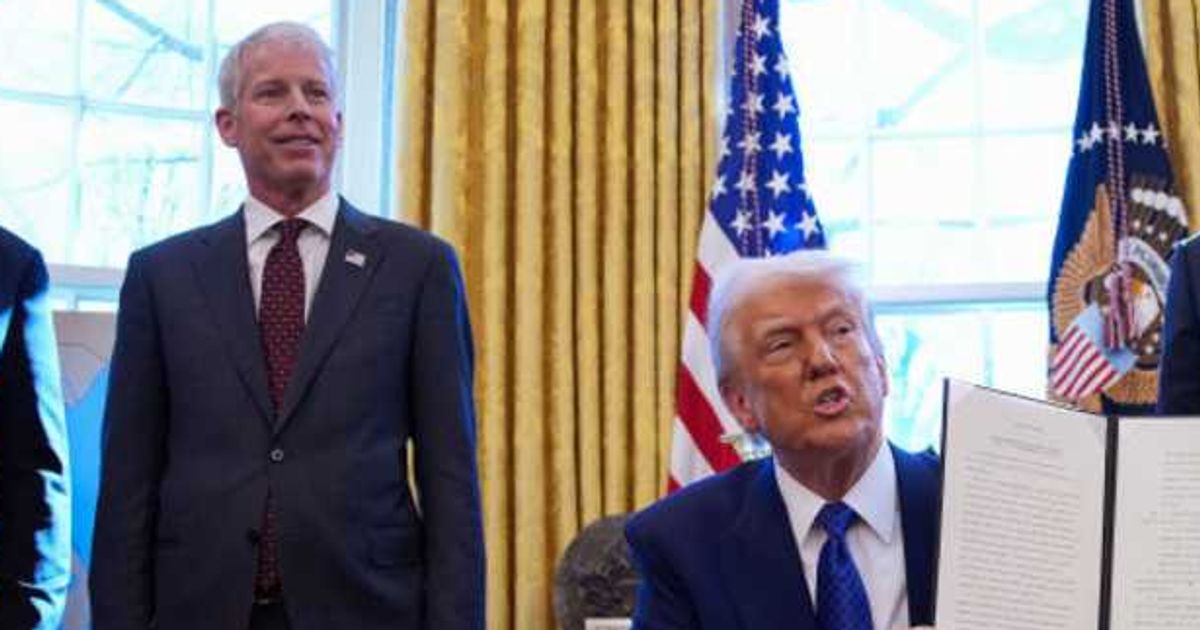
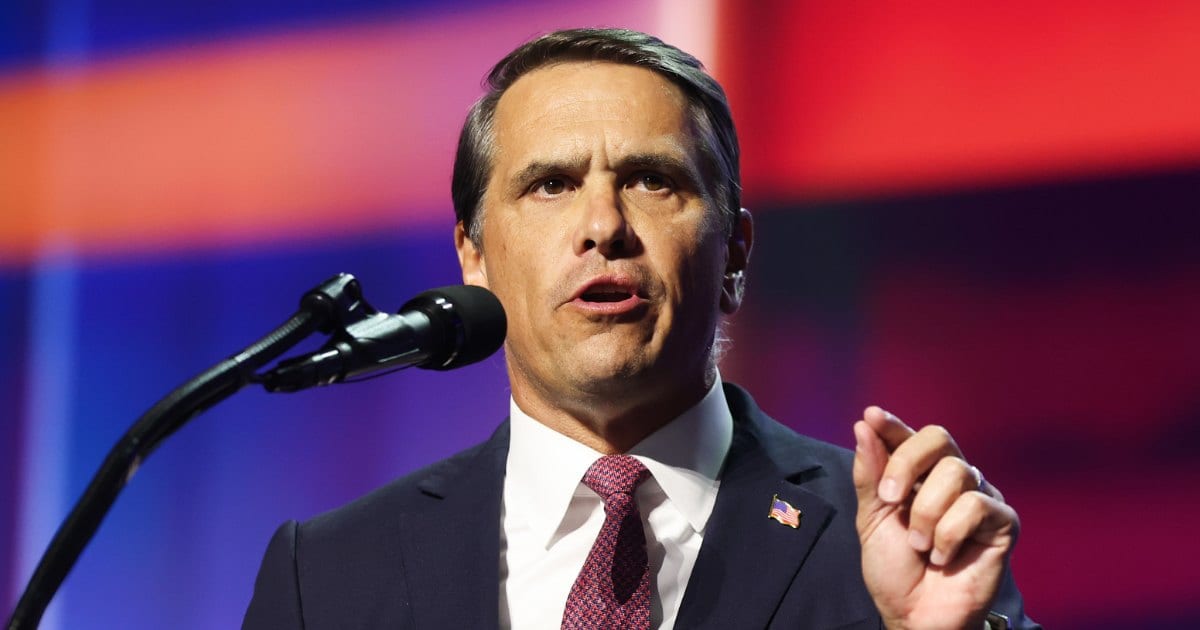
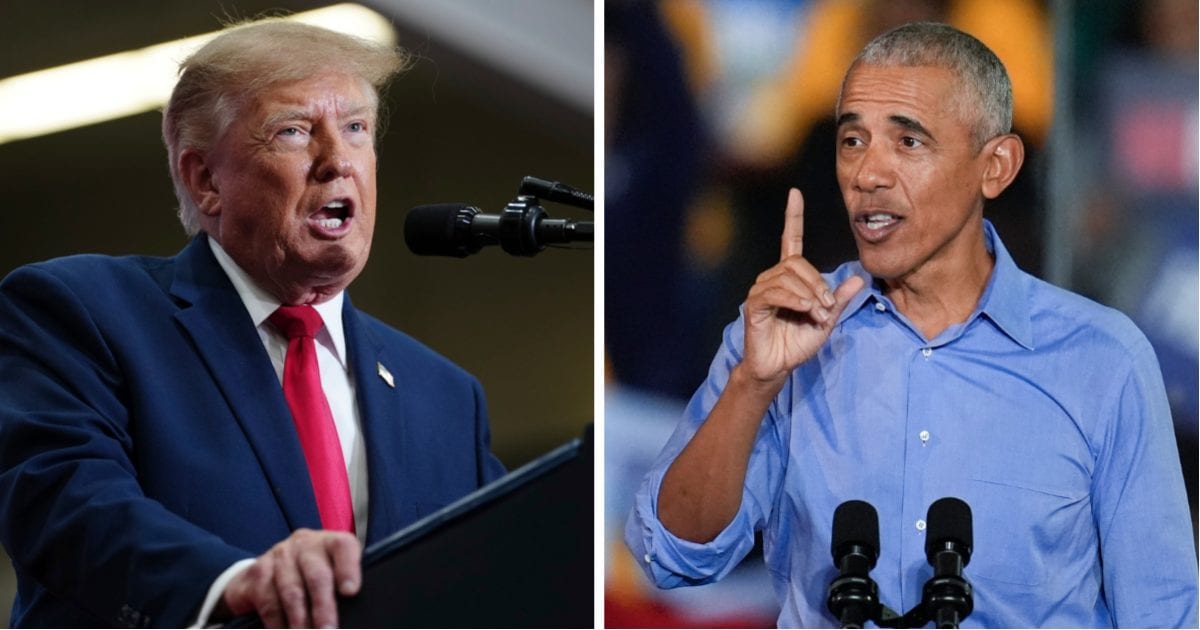
WASHINGTON, DC: A sharp divide has surfaced within the Trump administration over the trajectory of US gas prices, with President Donald J. Trump publicly rejecting his Energy Secretary Chris Wright’s projection that prices may not fall below $3 per gallon until 2027.
The disagreement comes as the administration navigates the eighth week of the Iran conflict, which began on February 28 and has contributed to sustained volatility in global energy markets.
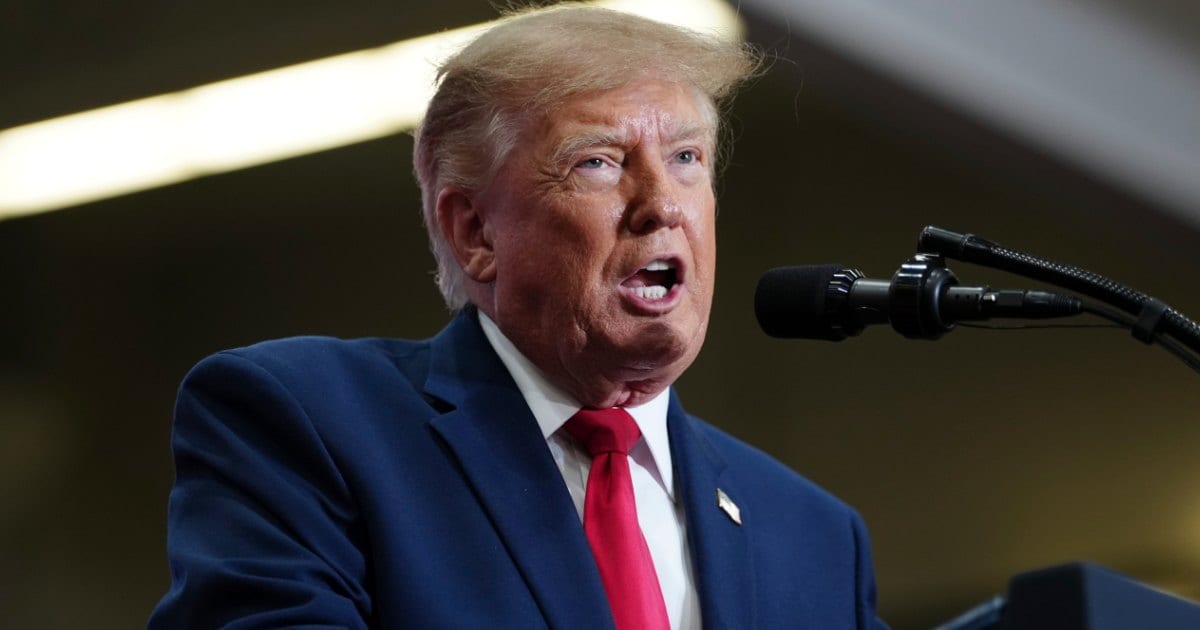
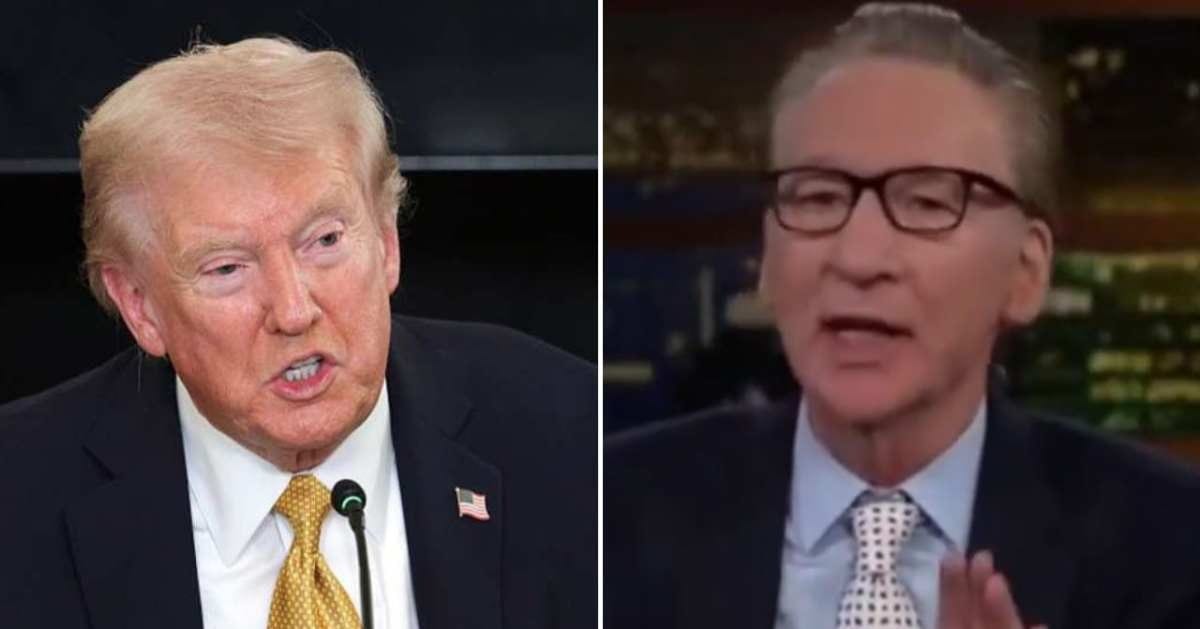
Speaking in a phone interview with The Hill, Trump dismissed Wright’s timeline as “totally wrong,” signaling a clear split in messaging at a critical moment for both domestic policy and ongoing diplomatic efforts.
The exchange underscores mounting pressure on the administration as national average gas prices hover near $4.00 per gallon.
NEWS: President Trump just told me over the phone that he disagrees with Energy Secretary Chris Wright's assessment that gas prices may not drop until next year.
— Julia Manchester (@JuliaManch) April 20, 2026
“No, I think he’s wrong on that. Totally wrong," Trump said.
Wright’s ‘next year’ forecast triggers White House fury
The tension follows Wright’s Sunday appearance on CNN, where he was asked when Americans could expect gas prices to drop below $3.
“I don’t know… that might not happen ’til next year,” Wright said, adding uncertainty to earlier projections. The comment marked a shift from his March 8 statement, when he suggested prices could ease within “weeks, not months.”
CNN’s Jake Tapper: “When do you think it’s realistic for Americans to expect that gas will go back under $3 a gallon?”
— RedWave Press (@RedWavePress) April 19, 2026
Energy Secretary Chris Wright: “I don’t know, that could happen later this year. That might not happen until next year, but prices have likely peaked, and… pic.twitter.com/fUBF07M6cG
Wright noted that prices have “likely peaked” and could begin to decline once the Iran conflict is resolved.
However, the revised timeline drew a swift response from the President, who has tied energy relief closely to the outcome of ongoing negotiations.
When asked directly about his expectations, Trump said prices would fall “as soon as this ends,” linking any significant drop to a resolution of the conflict and the reopening of key global supply routes.
‘Very gig’ price drops promised before midterms
The President has recently sharpened his public messaging on energy costs. On April 12, he acknowledged that prices could remain “the same” or move “a little bit higher.”
By April 14, however, he projected a more aggressive timeline, stating that gasoline prices would come down “very soon and very big.”
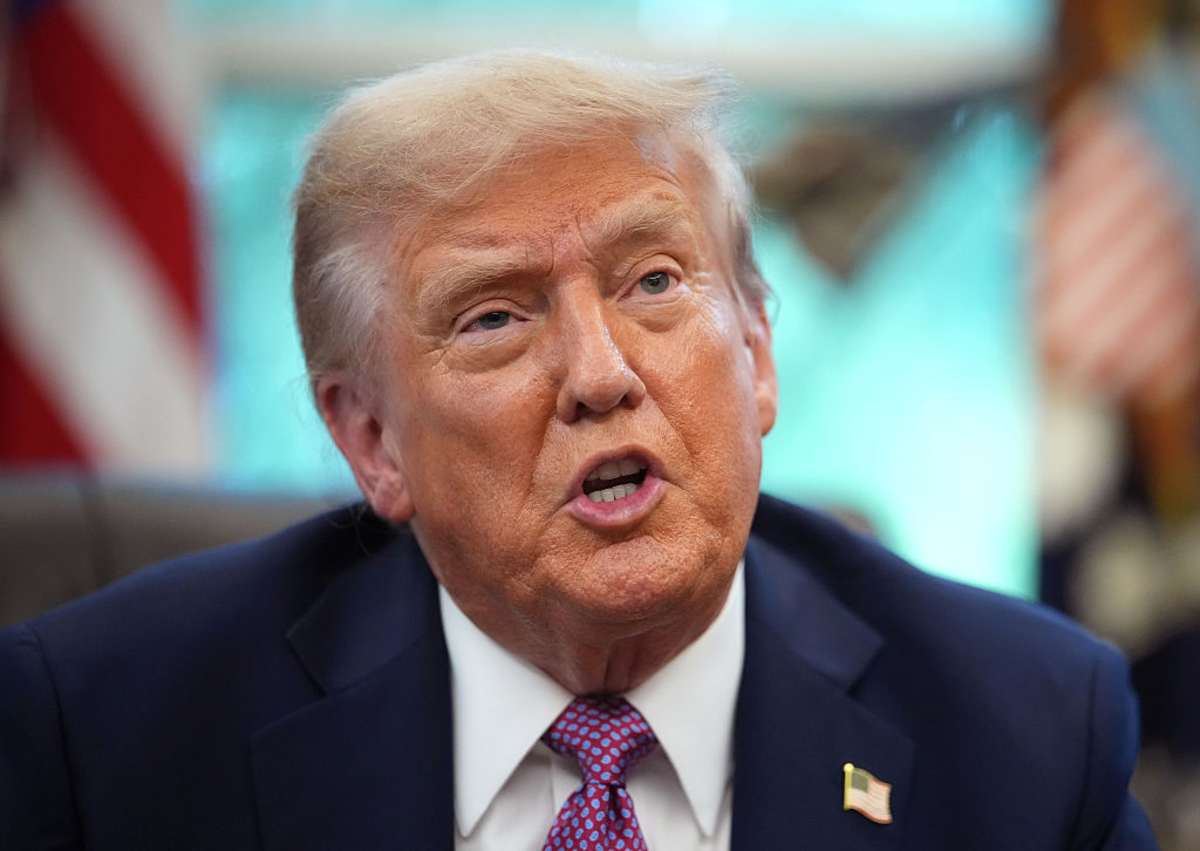
Trump also indicated that prices could be “much lower” before the 2026 midterm elections, placing added emphasis on the administration’s diplomatic and military strategy in the Middle East.
The linkage between foreign policy outcomes and domestic fuel costs has become a central theme in recent statements.
With the national average approaching $4.00 per gallon, energy prices remain a key economic pressure point.
Administration officials have pointed to supply disruptions linked to the Strait of Hormuz, through which nearly 20% of global oil supply passes, as a major factor driving price instability.
Strategic disarray in the ‘steel ring’
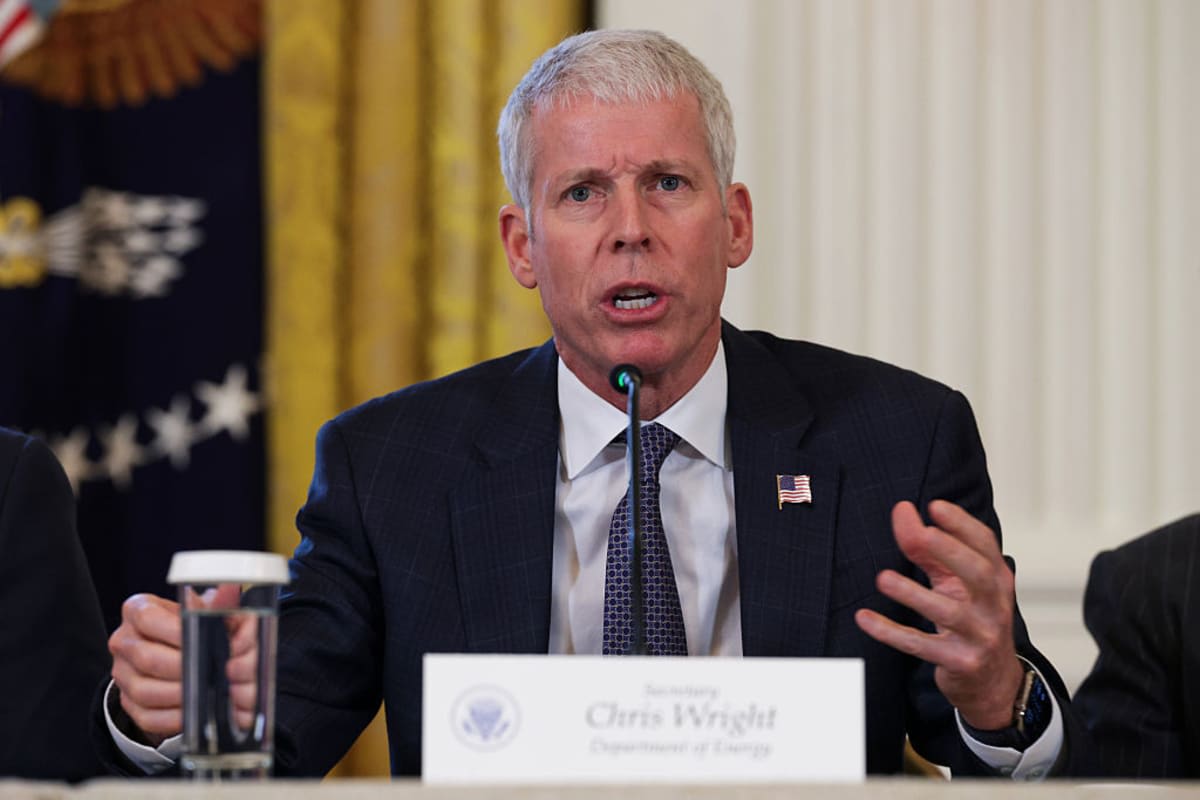
The public disagreement between Trump and Wright highlights differing assessments within the administration regarding the pace of recovery in energy markets.
While Wright has emphasized structural factors such as supply chains and geopolitical uncertainty, Trump has focused on the potential for rapid shifts following a diplomatic breakthrough.
The divergence comes as negotiations continue in Islamabad, where US officials are working toward a potential agreement tied to the April ceasefire deadline.
The outcome of those talks is expected to play a significant role in determining near-term energy trends.