Trump slams Obama’s Iran nuclear deal as ‘worst deal ever done as a country’
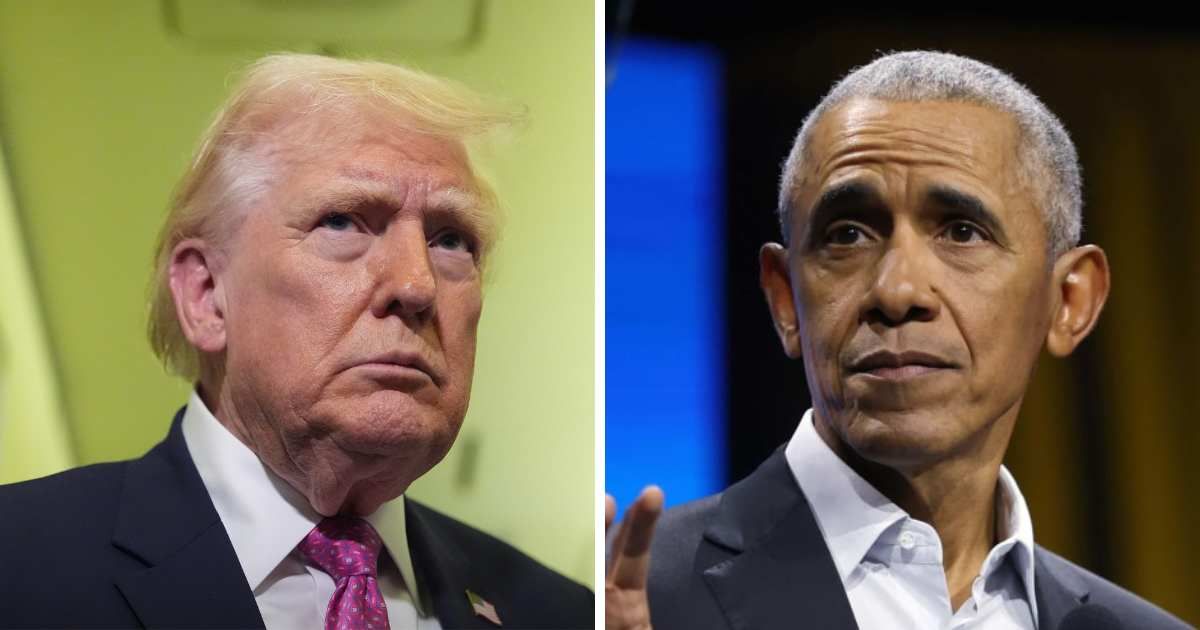
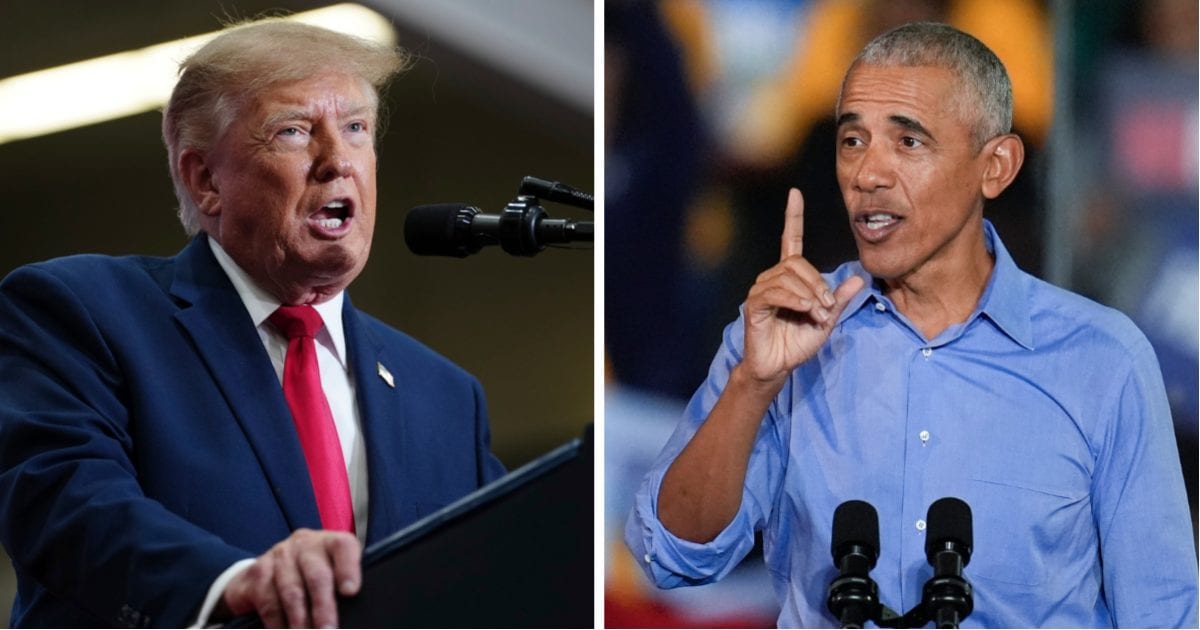
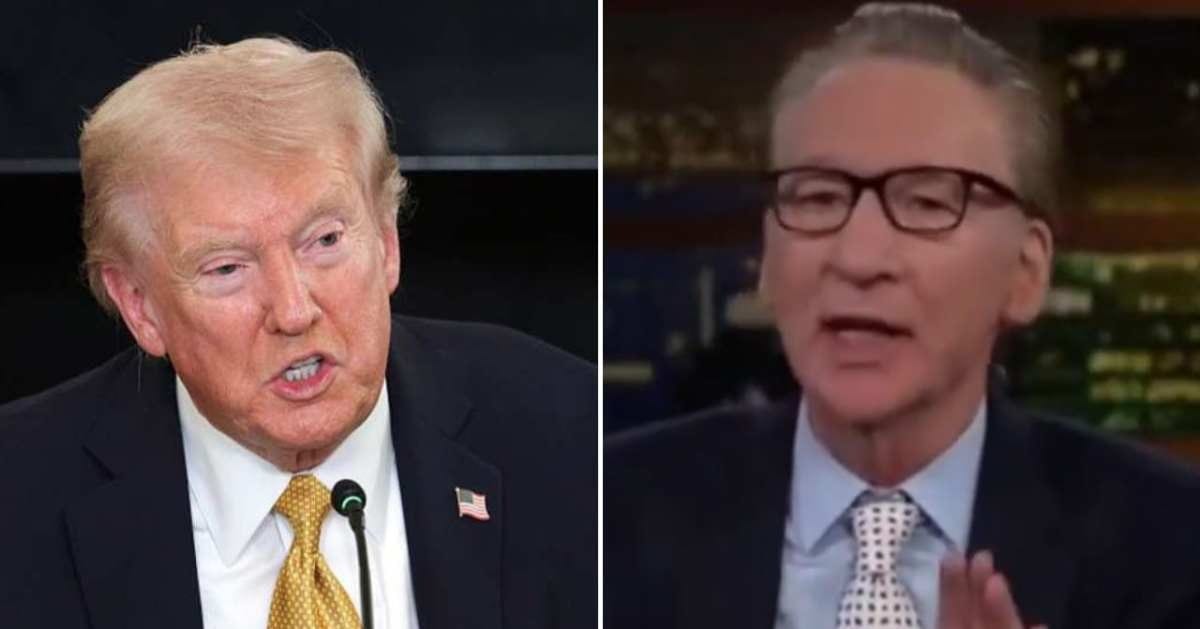
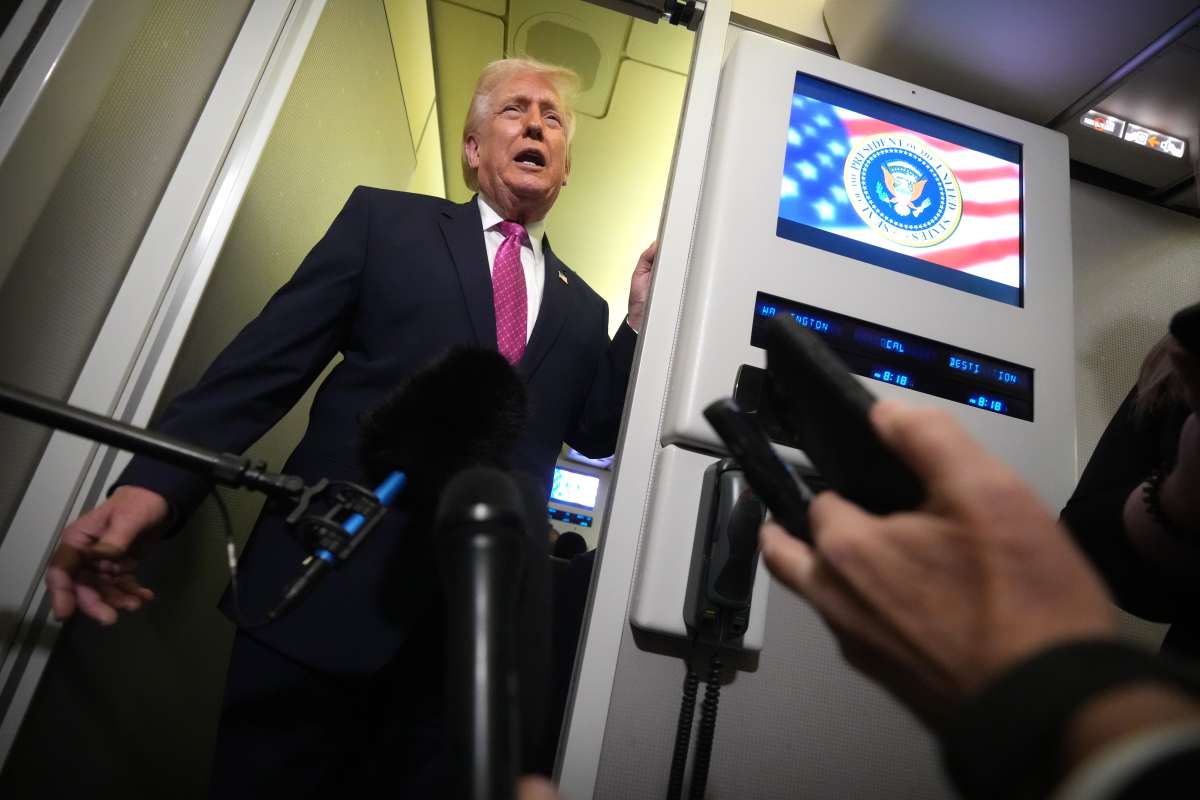
WASHINGTON, DC: President Donald Trump criticised former President Barack Obama over his administration’s nuclear pact with Iran during remarks to the press aboard Air Force One en route to Joint Base Andrews on Sunday, March 29.
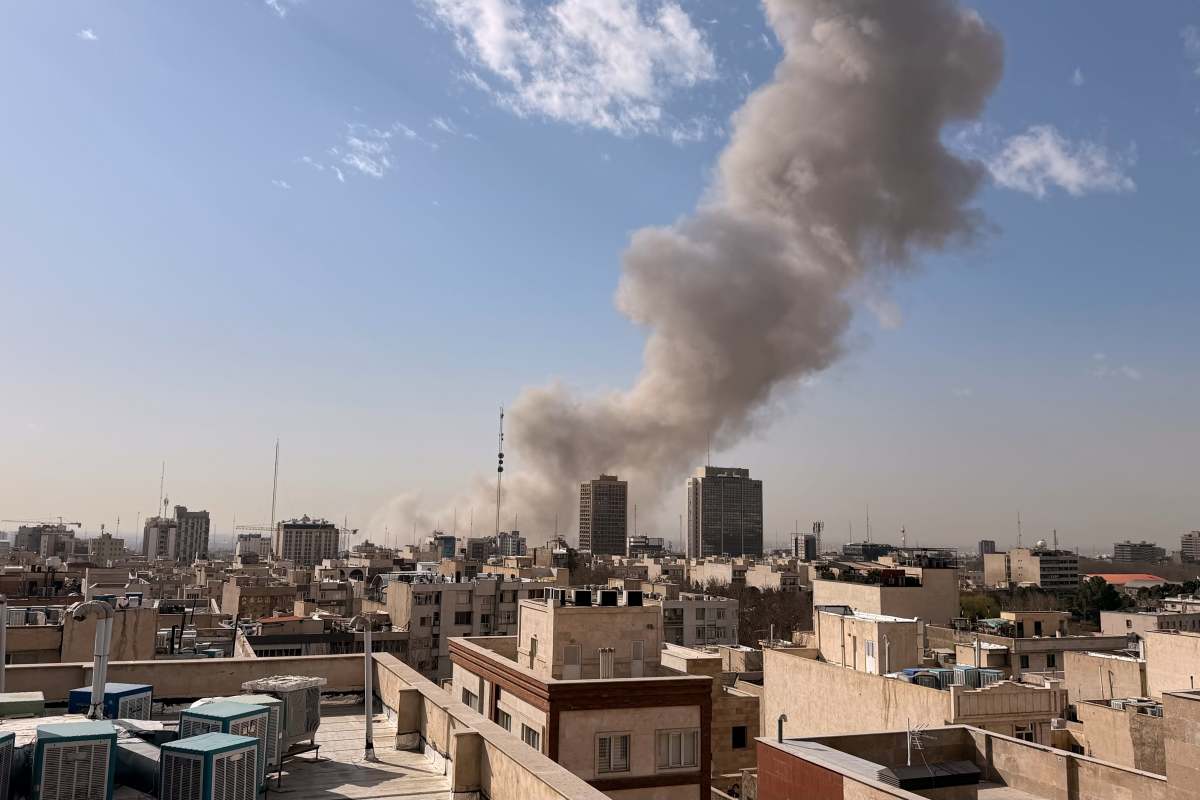
His comments came as tensions in the Middle East continued to escalate following a joint US-Israel military operation launched on February 28 targeting Iran’s political and military establishment after negotiations over its nuclear enrichment programme failed.
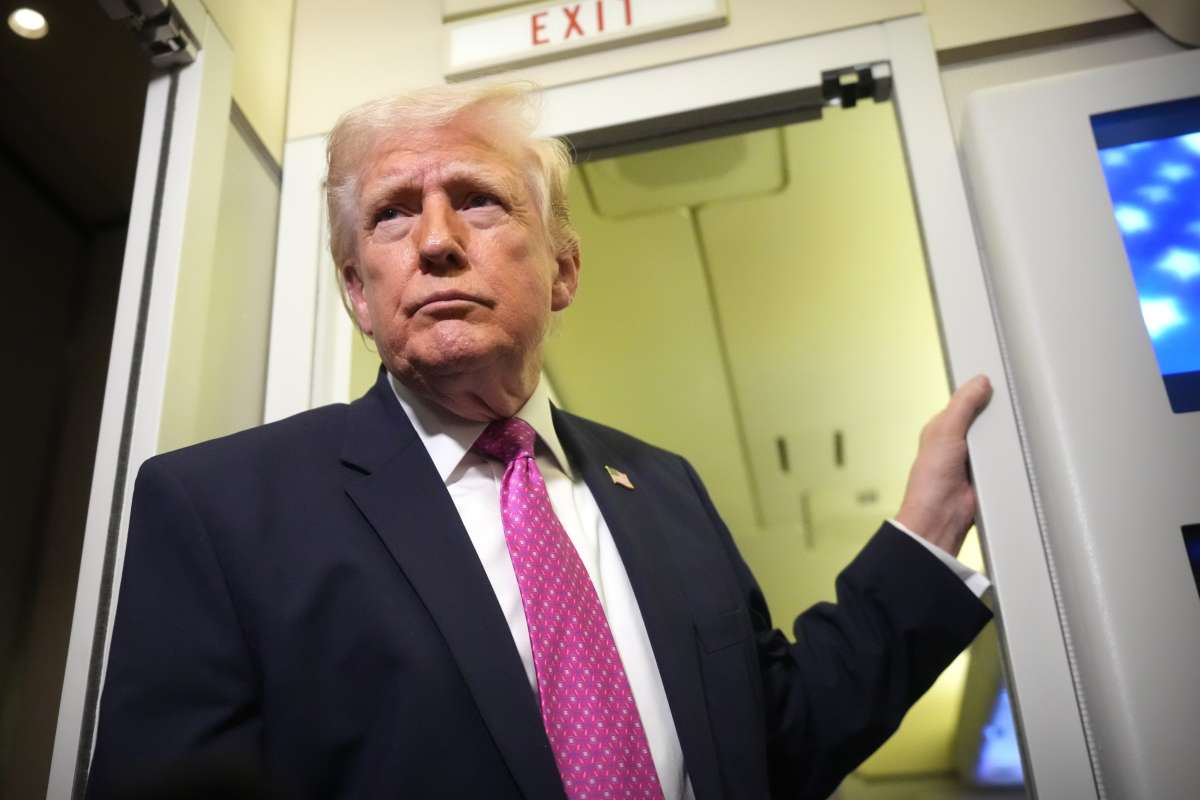
Trump slams Obama-era Iran nuclear deal while discussing negotiations with Tehran
Trump spoke about ongoing efforts to negotiate an end to the conflict, stating, “we're doing extremely well in that negotiation,” while adding uncertainty about Iran’s position. He remarked that negotiations with Iran often lead to military action.
Trump then referenced the use of B-2 bombers and his decision to terminate the Iran nuclear deal negotiated under Obama, calling it “probably the worst deal we've ever done as a country.”
He asserted that his withdrawal from the agreement prevented Iran from acquiring nuclear weapons and claimed that subsequent military actions had halted its nuclear ambitions.
He further stated that the situation in Iran had effectively resulted in “regime change,” describing multiple leadership groups as “decimated” or “dead,” and noting that the current group appeared “much more reasonable.”
He reiterated that such a shift was “imperative” and had occurred “automatically.” The president has consistently argued that the 2015 agreement enabled Iran’s path to nuclear capability.
In multiple statements throughout March, he maintained that if the United States had not withdrawn from the deal in 2018, Iran would already possess nuclear weapons, potentially using them against Israel and other countries. He characterised the agreement as granting Iran “the right to have the path to a nuclear weapon” and criticised its expiration provisions.
What the 2015 Iran nuclear deal included and why critics opposed it
The 2015 Joint Comprehensive Plan of Action (JCPOA), negotiated under Obama, imposed strict limits on Iran’s nuclear programme. At the time, Iran operated two enrichment facilities Natanz and Fordo with nearly 20,000 centrifuges.
Under the agreement, Iran was restricted to 5,060 older centrifuges at Natanz until 2026, while its enriched uranium stockpile was reduced by 98% to 300 kilograms and capped at an enrichment level of 3.67% until 2031.
The deal also prohibited enrichment at Fordo until 2031, converting it into a research facility, and limited research and development activities to Natanz until 2024.

Despite these restrictions, critics argued that the agreement’s “sunset provisions” would only delay Iran’s nuclear ambitions rather than eliminate them. Concerns were also raised that lifting sanctions weakened US leverage on broader security issues, including Iran’s missile programme and regional activities.
In May 2018, Trump formally withdrew the US from the JCPOA and reinstated sanctions. By July 2019, Iran had exceeded the agreement’s uranium stockpile limits and announced plans to enrich uranium beyond the permitted levels, citing opposition to sanctions relief conditions.
Obama had defended the deal in 2015 as a choice between "diplomacy and war." Meanwhile, Ben Rhodes, a key figure in negotiating the agreement, criticised the Trump administration following the strikes on Iran, stating that Trump and Israeli leadership appeared unconcerned about the human cost of the conflict. He described Trump’s second term as a “worst case scenario” in a post on social media.