Trump turns to the Supreme Court to rescue his $1B ballroom project
ALERT: Trump Admin files appeal with Supreme Court, arguing to move forward with Trump Ballroom
— Scott MacFarlane (@MacFarlaneNews) August 14, 2026
"The project is critical for ensuring that the White House can serve as a secure location for the gathering of the President, gathering of senior government officials.."
BUT NOTE… pic.twitter.com/Cxg0ximgwo
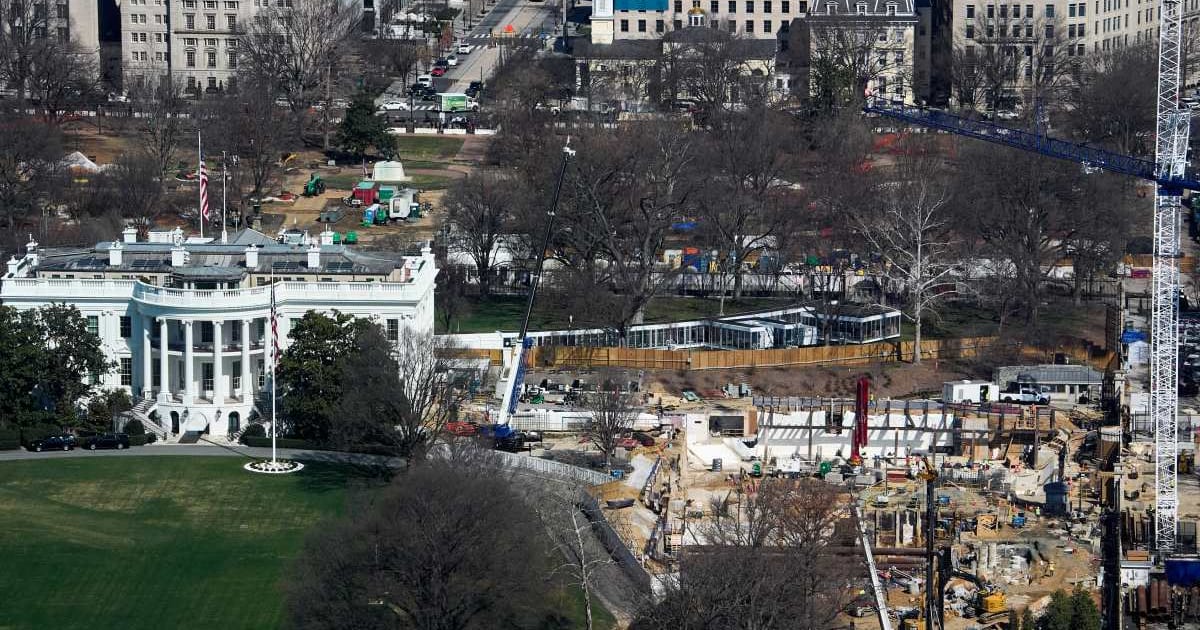
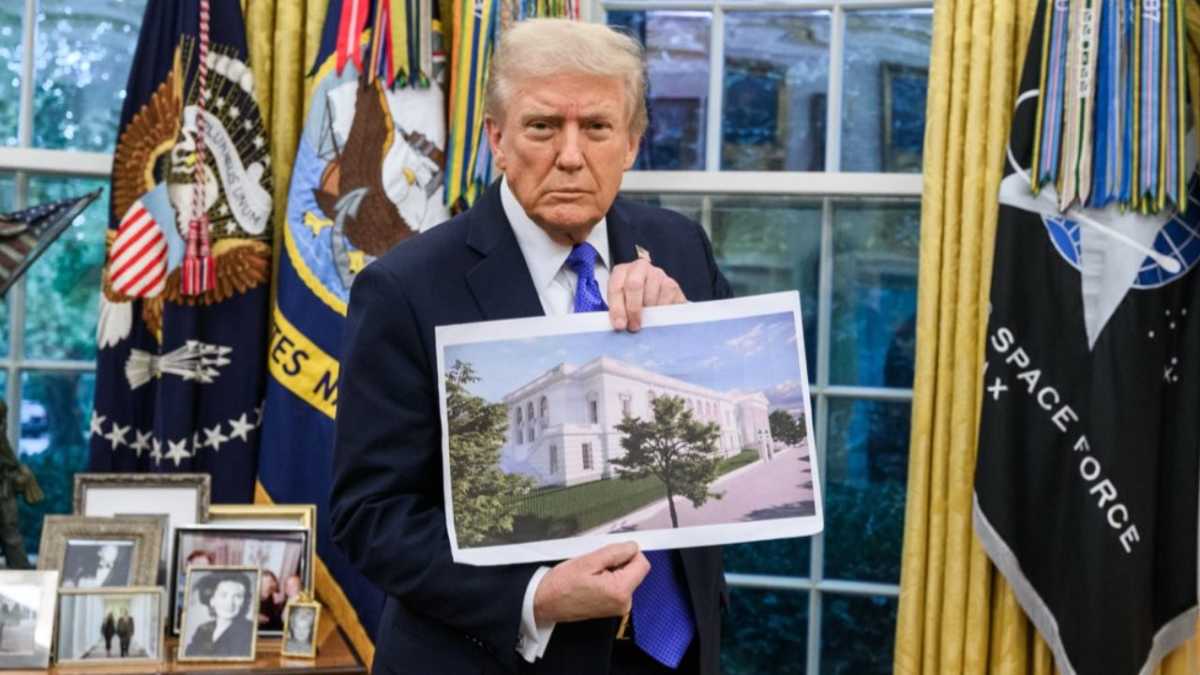
WASHINGTON, DC: President Donald Trump's effort to build a new White House ballroom has reached the Supreme Court after his administration filed an emergency appeal seeking to overturn lower court rulings that halted construction.
The administration argues the project is essential for presidential operations and national security, while opponents maintain such a major alteration to the White House complex cannot proceed without congressional approval.
The filing asks the Supreme Court to temporarily lift the injunction blocking above-ground construction until the underlying lawsuit is resolved.
Administration seeks emergency relief
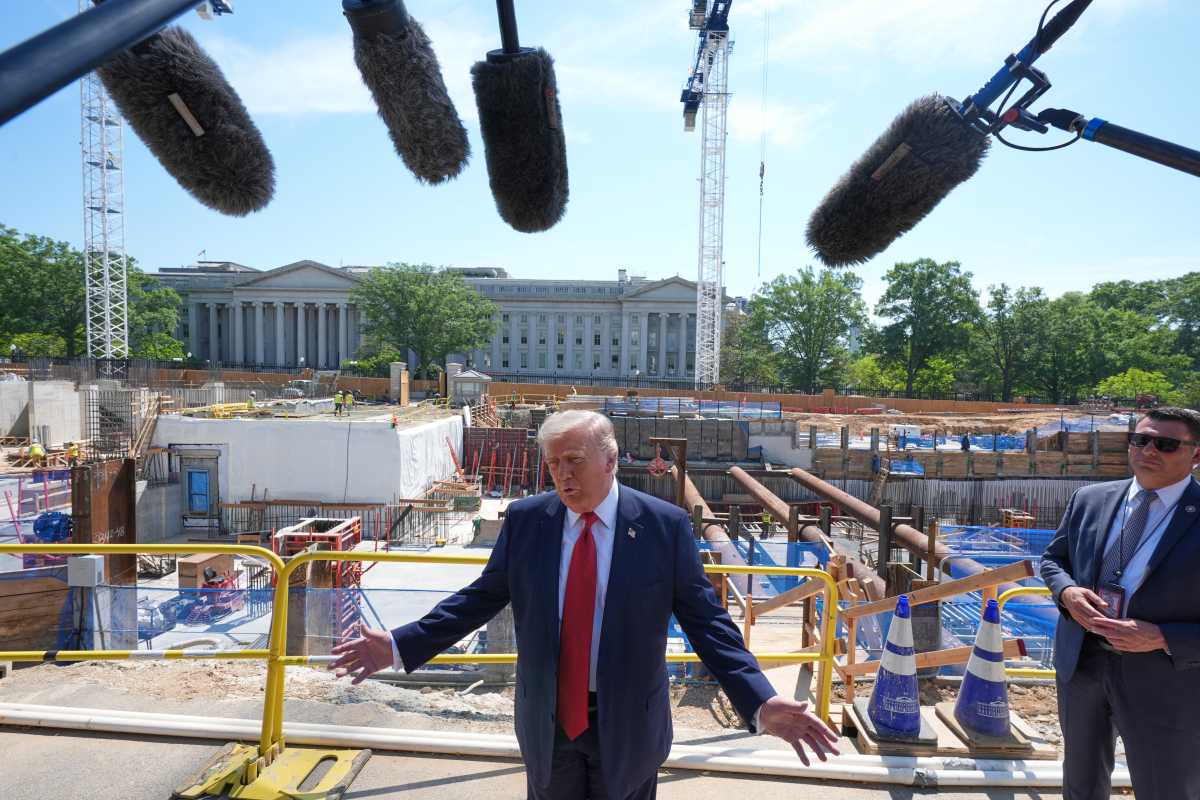
The Justice Department filed its appeal after the US Court of Appeals for the DC Circuit upheld a lower court order preventing most above-ground construction on the ballroom project.
According to the administration, the project is already about 65% complete, and delaying construction would create security risks and make it difficult to complete work that has progressed beyond the stage where significant design changes are practical.
The administration also argues that presidents have long possessed authority to renovate, secure and maintain the White House complex without obtaining additional congressional approval for every project, making the courts' intervention an improper limitation on executive authority.
Courts question legal authority
The legal challenge was brought by the National Trust for Historic Preservation, which argues that a project of this scale requires congressional authorization and could permanently alter the historic character of the White House.
Both the district court and the appeals court agreed that the administration had not shown it could bypass Congress before proceeding with major above-ground construction.
Although the courts allowed work tied to underground security infrastructure, including bunkers and other protective facilities, they concluded that the administration had not demonstrated legal authority to continue the larger ballroom project while litigation remains pending.

Ballroom's purpose and private funding
Trump has long advocated constructing a permanent ballroom at the White House, arguing it would provide a secure venue for state dinners and major presidential events instead of relying on temporary structures for large gatherings.
The administration says the project is being funded through private donations.

The Supreme Court has not yet acted on the emergency application seeking to allow above-ground construction to resume while the legal challenge remains pending.