Trump vows simple solution to UN financial crisis amid collapse warnings
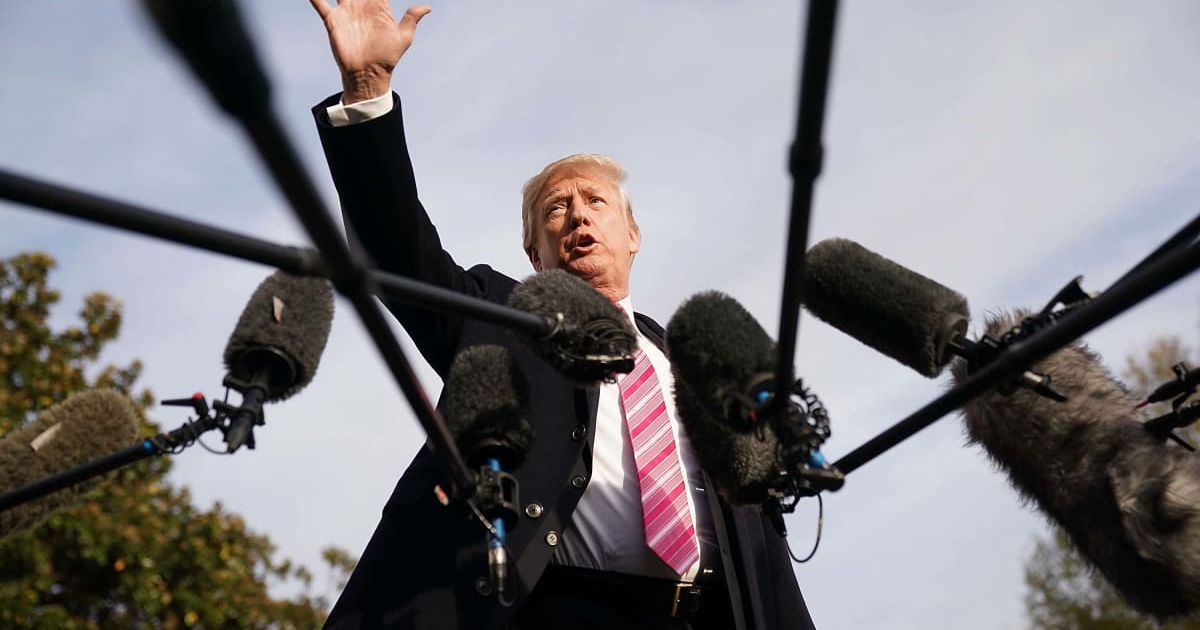
FLORIDA: Donald Trump positioned himself as the potential savior of the United Nations on Sunday, February 1, claiming he could "very easily" resolve the organization’s looming financial crisis by compelling delinquent member nations to pay their dues.
In a brief phone call with POLITICO, Trump highlighted his negotiation skills, likening the effort to his past pressure campaigns on NATO. He stopped short, however, of committing the United States to settle its own multibillion-dollar debt.
Savior role touted for international body
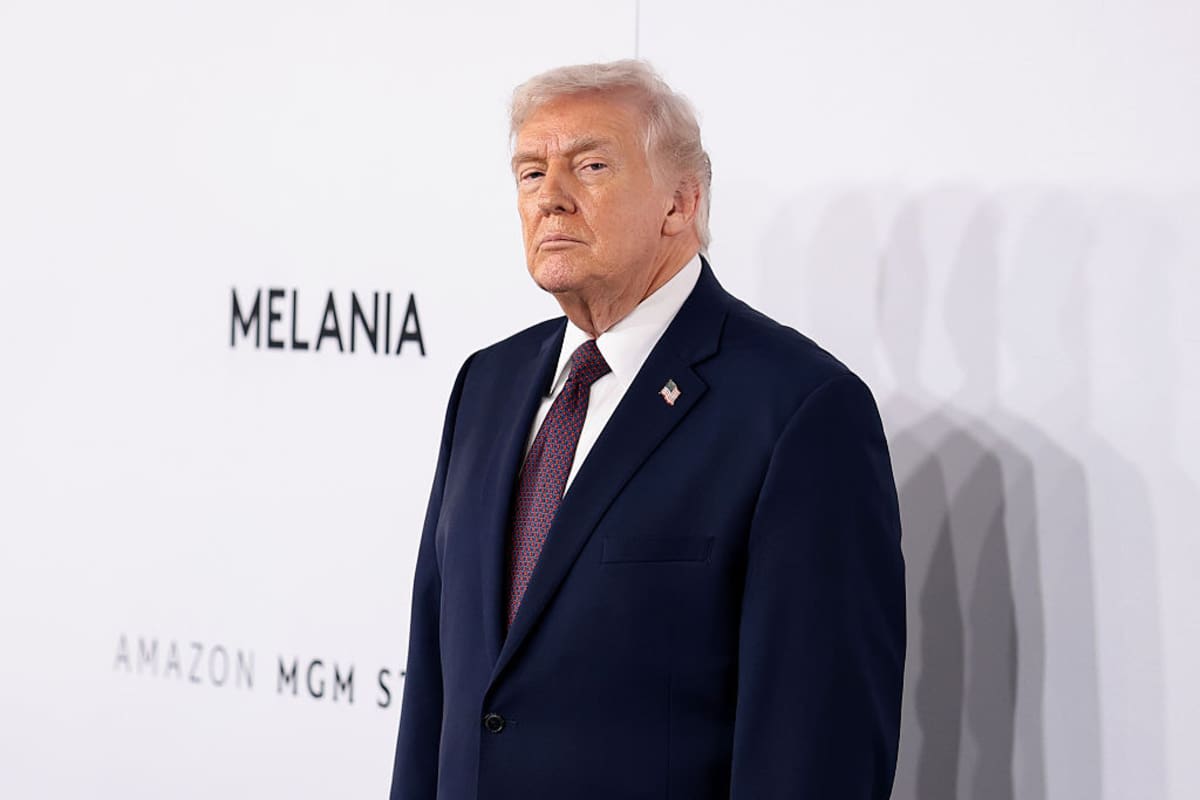
Despite a history of frequent attacks on multilateral institutions, Trump struck a protective tone toward the UN on Sunday. He insisted that the organization has "tremendous potential" and dismissed reports that it might be forced to scale back operations or shutter its New York headquarters.
“If they came to Trump and told him, I’d get everybody to pay up, just like I got NATO to pay up,” he said, referring to himself in the third person. The President claimed that a single phone call from him would result in countries sending checks "within minutes," framing himself as the only figure capable of stabilizing the UN's books.
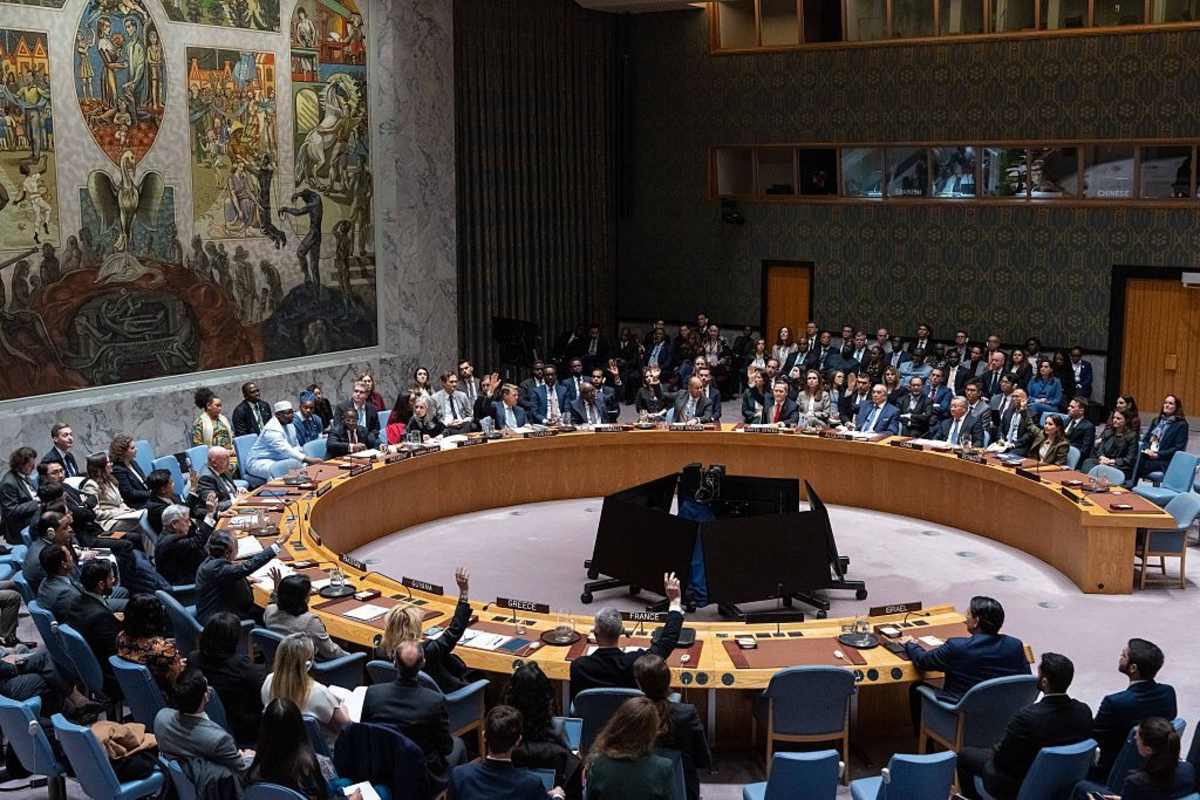
While the UN declined to respond to these comments, senior officials have recently warned that the organization is facing a cash shortage so severe it could threaten its ability to maintain its physical presence in the United States.
US debt remains a sticking point
While Trump expressed confidence in his ability to extract funds from other nations, he appeared unaware of the specific financial obligations the US has failed to meet. When asked if the United States would pay the billions it owes, he declined to provide a definitive answer.
The US remains the UN's largest debtor, a fact that complicates Trump’s "America First" stance on international fairness. Last year, the administration cut hundreds of millions in foreign aid and dismantled USAID, framing such organizations as vehicles for other countries to exploit American taxpayers.
The President's current willingness to intervene financially, at least in principle, marks a sharp departure from his recent actions. In January alone, he signed an executive order withdrawing the US from 66 different international organizations and agencies.
UN potential framed as essential legacy
Trump framed his defense of the UN as a matter of long-term global stability, acknowledging a future where he is no longer the primary arbiter of international disputes. He suggested the organization is indispensable for "settling wars" once his own tenure on the global stage ends.
"When I’m no longer around to settle wars, the U.N. can," Trump remarked, emphasizing that the institution remains a necessary backstop. This "indispensable" framing comes despite his recent withdrawal from the UN treaty establishing international climate negotiations and the UN population agency.
The comments indicate that Trump sees the UN as a flawed institution that has underperformed, but one he believes he can reform through financial pressure and personal diplomacy.
Global doctrine meets financial reality
The offer to "solve the problem" follows a month of aggressive foreign policy maneuvers, including the capture of Nicolás Maduro and threats against Iran. Trump’s "America First" doctrine has typically favored bilateral action over the multilateral cooperation the UN represents.
Whether the UN leadership will "come to Trump" as he requested remains to be seen. For now, the President appears content to use the threat of a headquarters shutdown as a lever to demand financial accountability from other global players.
As the UN considers scaling back its global missions to save cash, Trump’s promise of "checks within minutes" provides a high-stakes alternative to the current trajectory of international insolvency.