Trump's new Executive Order seeks to block State laws from regulating AI companies
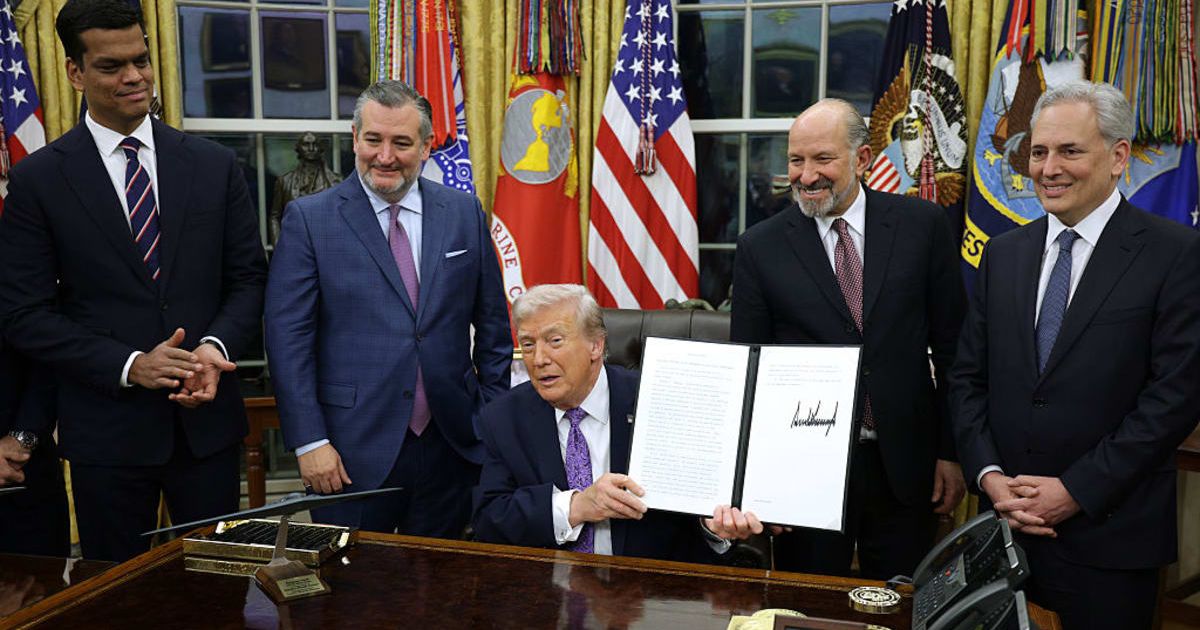
President Donald J. Trump signs an Executive Order to protect American AI innovation from an inconsistent and costly compliance regime resulting from varying state laws.
— Rapid Response 47 (@RapidResponse47) December 11, 2025
"We have to be unified. China is unified..." pic.twitter.com/II9gz5yDx7
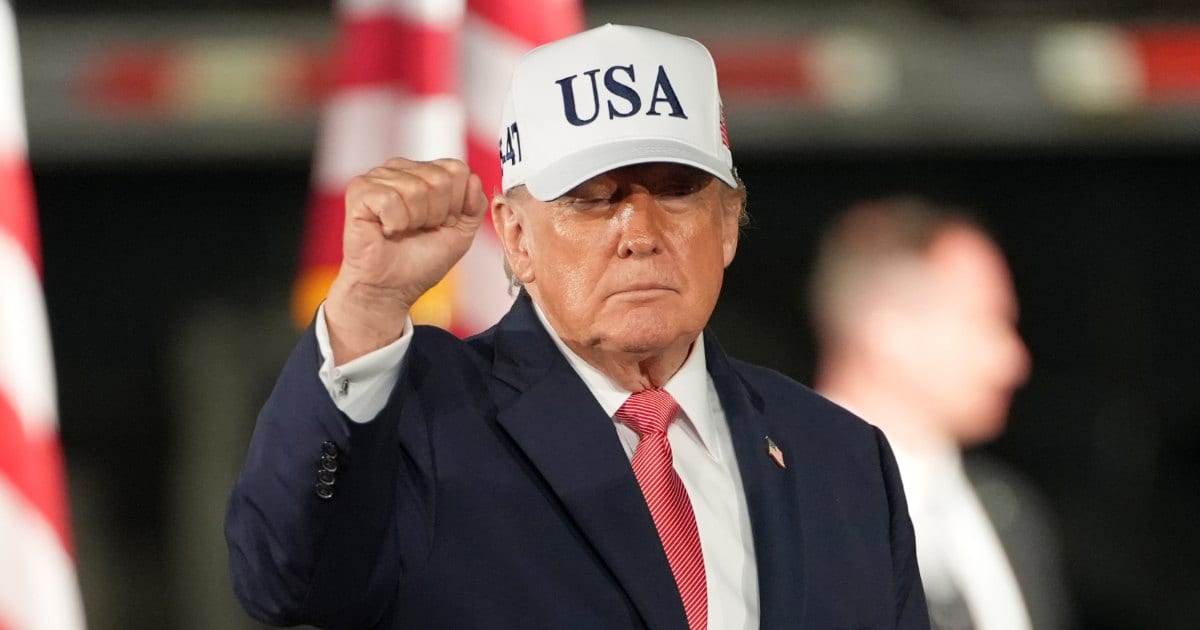
WASHINGTON, DC: Donald Trump signed an executive order seeking to limit the capabilities of the States to regulate AI on Thursday, December 11, 2025.
The order aimed to sustain and enhance the US’ “global AI dominance” through “minimally burdensome” national security, the White House said.
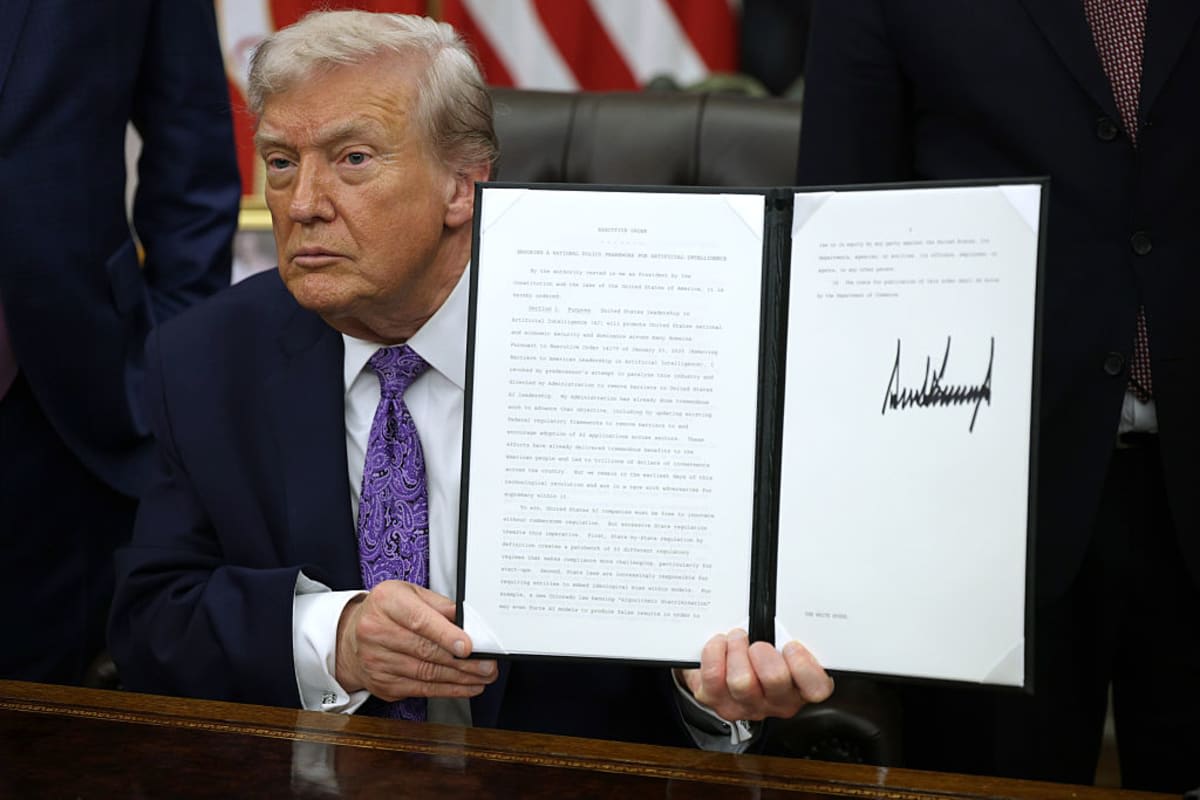
AI will promote ‘national and economic security’: Trump
Under section 1 of the order, the White House stated that the US leadership in AI would promote national and economic security and “dominance across many domains.”
Trump wrote that his administration had already done “tremendous” work to advance that objective, which included updating the existing Federal regulatory frameworks to “remove barriers” to encourage adoption of AI applications.
"These efforts have already delivered tremendous benefits to the American people and led to trillions of dollars of investments,” Trump wrote.
Trump further wrote that to “win,” the AI companies in America needed to be free to innovate without “cumbersome regulation.”
He added that the Trump administration needs to act with Congress to ensure that there is minimal burden nationally and not “50 discordant State ones.”
He added that the framework that would come from the executive order would forbid State laws from interfering with the policy further.
“A carefully crafted national framework can ensure that the United States wins the AI race, as we must,” he added.
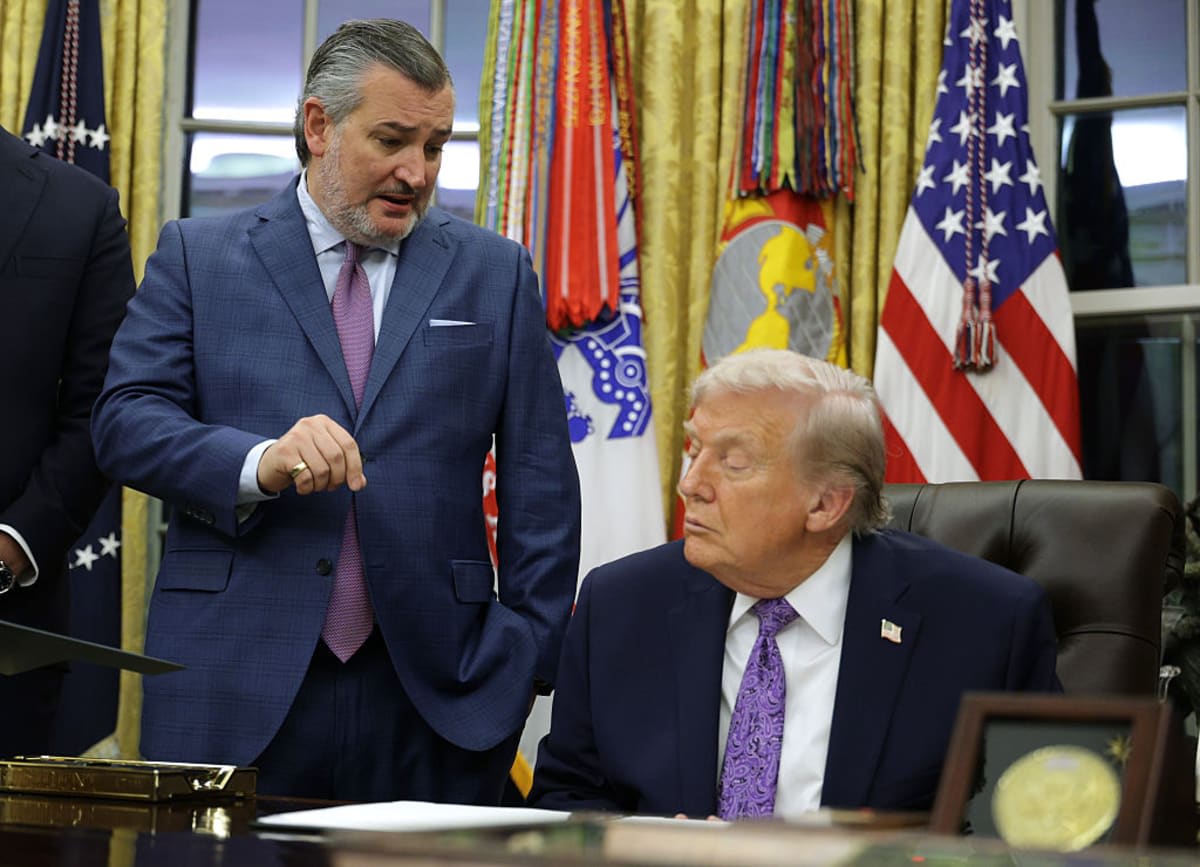
"We want to have one central source of approval," Trump told reporters in the Oval Office while signing the order.
White House AI adviser David Sacks claimed this would enable the Trump administration tools to push back on the most "onerous" state rules.
The government will not oppose AI regulations around children's safety, he added.
The move marks a win for technology giants who have called for US-wide AI legislation as it could have a major impact on America's goal of leading the fast-developing industry.

Pam Bondi tasked with forming an AI Litigation Task Force
In the order, available on the White House’s website, section 3 stated that within 30 days of the order, the Attorney General had to establish an AI Litigation Task Force whose responsibility would be to “challenge State AI laws” that were inconsistent with the order.
The executive order further stated that the Task Force needed to consult with multiple sectors from time to time, including the Special Advisor for AI and Crypto, Assistant to the President for Science and Technology, Assistant to the President for Economic Policy, and the Assistant to the President and Counsel to the President, about the State AI laws that would present as challenges.
The order has a total of 9 sections, talking about the evaluation of State AI Laws, restrictions on State funding, federal reporting and disclosure standards, preemption of State laws mandating deceptive conduct in AI models, legislation, and general provisions.