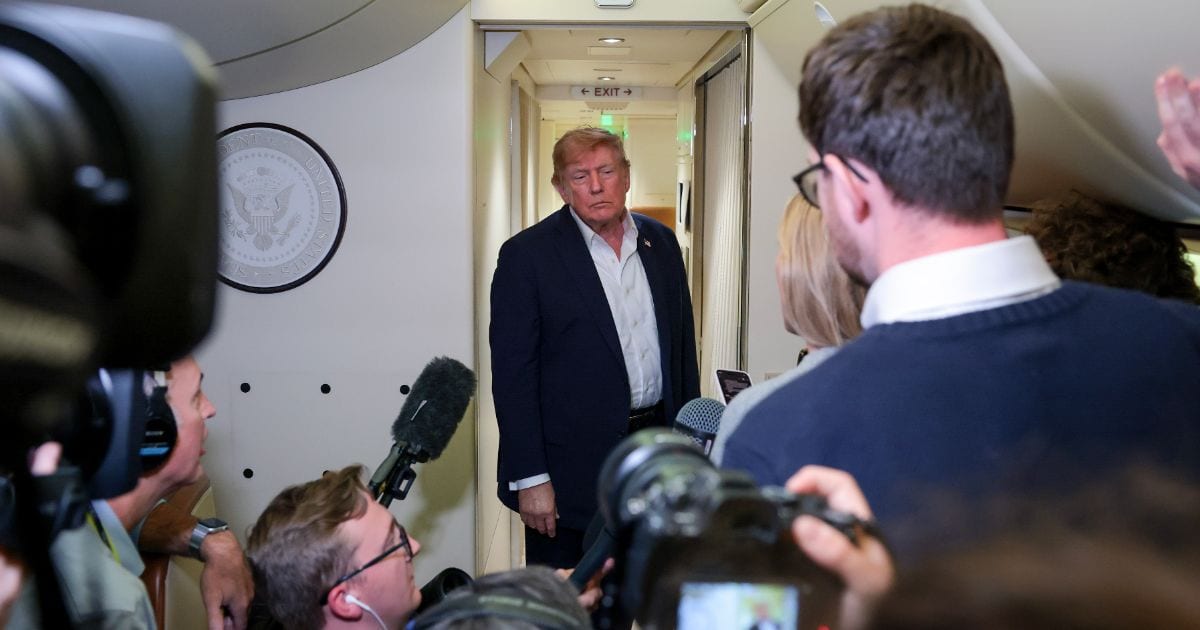
Trump to sign ‘One Rule’ executive order on AI to bypass state approvals, sparking GOP clash
WASHINGTON, DC: President Donald Trump announced on Monday, December 8, that he will sign a sweeping executive order to create a single national "rulebook" for artificial intelligence, a move designed to override state-level regulations.
The declaration, made via his Truth Social account, represented the administration's effort to allegedly centralize control over the booming technology sector. But it also set up a confrontation with members of his own party who champion states' rights.
President Trump says he will sign a "one rule" executive order regarding AI regulation this week:
— The American Conservative (@amconmag) December 8, 2025
“You can’t expect a company to get 50 approvals every time they want to do something." pic.twitter.com/U6eEaXHKcp
Trump warns of fragmented state AI laws
Trump argued that the current patchwork of state laws threatened to derail American dominance in the field.
"There must be only One Rulebook if we are going to continue to lead in AI," Trump wrote.
"We are beating ALL COUNTRIES at this point in the race, but that won’t last long if we are going to have 50 States, many of them bad actors, involved in RULES and the APPROVAL PROCESS," the president added.
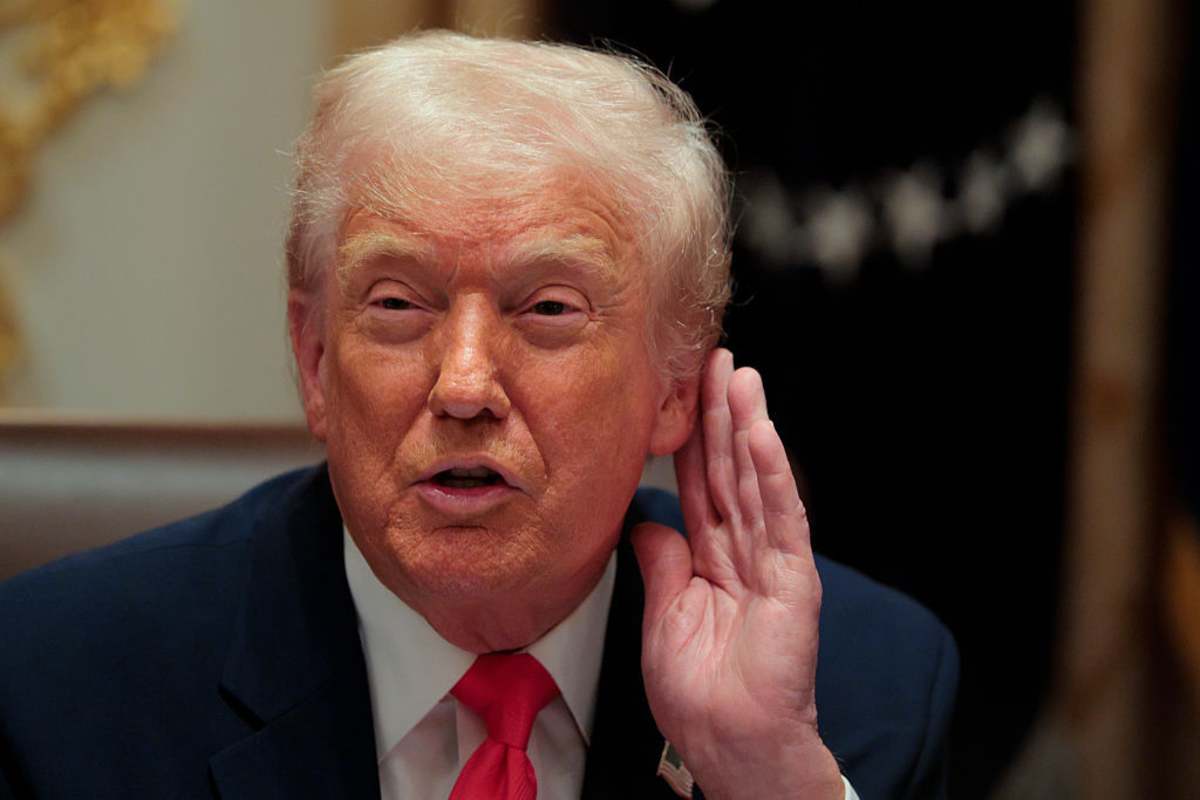
The president issued a dire warning about the consequences of local oversight.
"THERE CAN BE NO DOUBT ABOUT THIS! AI WILL BE DESTROYED IN ITS INFANCY!" Trump added.
The so-called "one rule executive order" would purportedly nullify state-level approvals for AI development, though the legal mechanism for such a broad preemption of state authority remains unclear and likely to face court challenges.

The announcement coincided with a White House push to insert provisions for a federal AI framework into this year’s defense budget, further consolidating regulatory power in Washington.
Republican rift over Federal AI control
The initiative has reportedly fractured the Republican coalition, pitting the administration's "America First" tech ambitions against the party's traditional commitment to federalism.
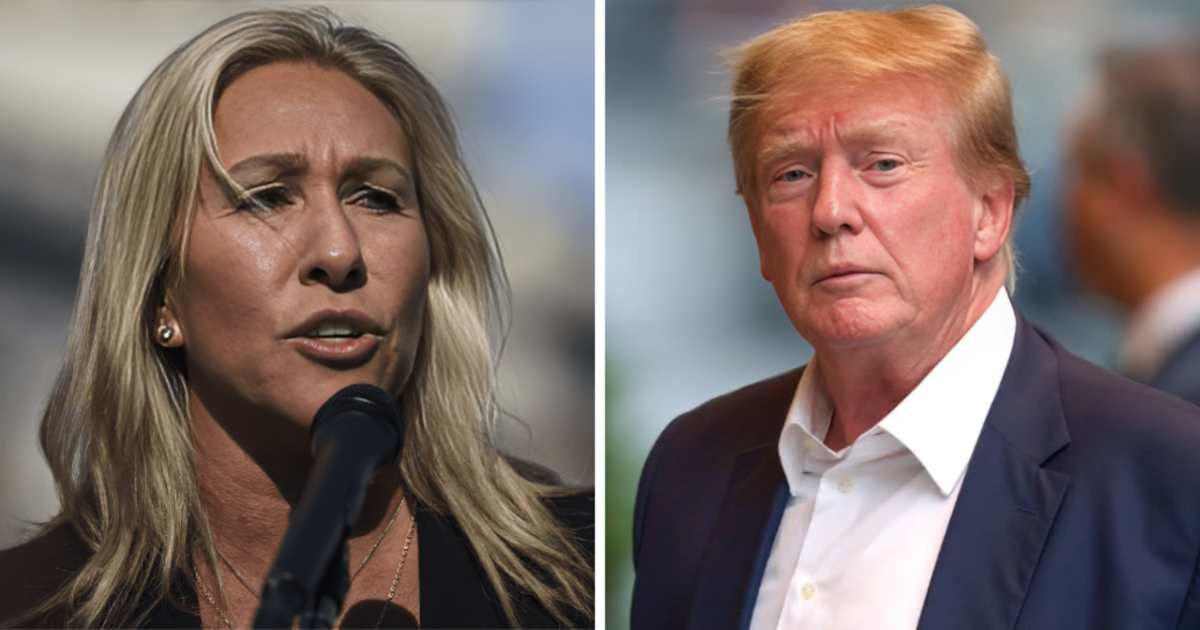
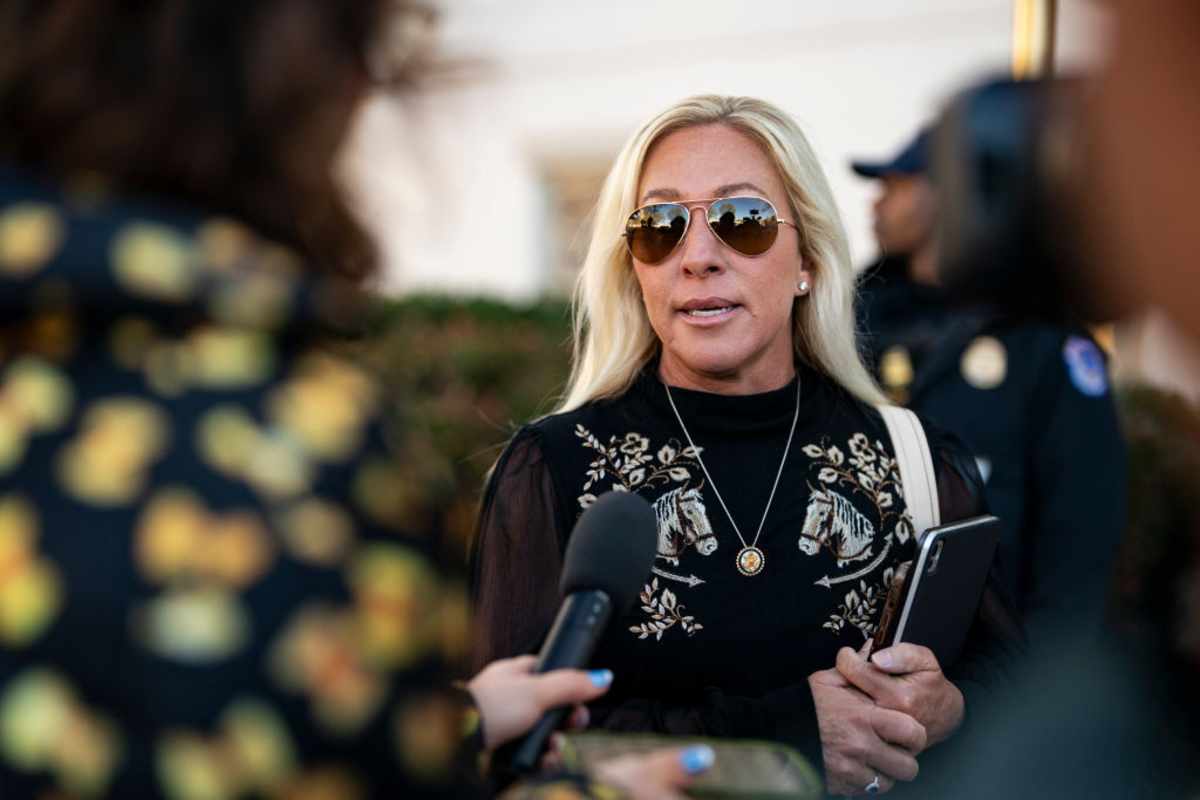
Representative Marjorie Taylor Greene (R-Ga), a once-staunch ally who recently broke with the president on several issues, voiced strong opposition to the plan.
"States must retain the right to regulate and make laws on AI and anything else for the benefit of their state," Greene wrote in November.
State lawmakers from across the political spectrum have also mobilized against the federal takeover.
In a letter to Congress sent in November, a coalition of state legislators warned that a federal override would wipe out essential local safeguards.
"In recent years, legislatures across the country have passed AI-related measures to strengthen consumer transparency... protect patients, and support artists and creators," the lawmakers wrote.
"A federal preemption measure on state AI laws risks sweeping these protections aside and leaving communities exposed," they concluded.
Trump’s push to fast-track AI development
This latest move follows a series of actions by President Trump to accelerate AI development since taking office in January.

He had previously signed an executive order to remove "barriers" to innovation and published an AI action plan.
Most notably, he launched the AI 'Genesis Mission', explicitly comparing the initiative to the 'Manhattan Project' - the World War II program that developed the first nuclear weapons.