Ulysses S Grant's descendant says America's pluralism would thrill the 18th president at 250
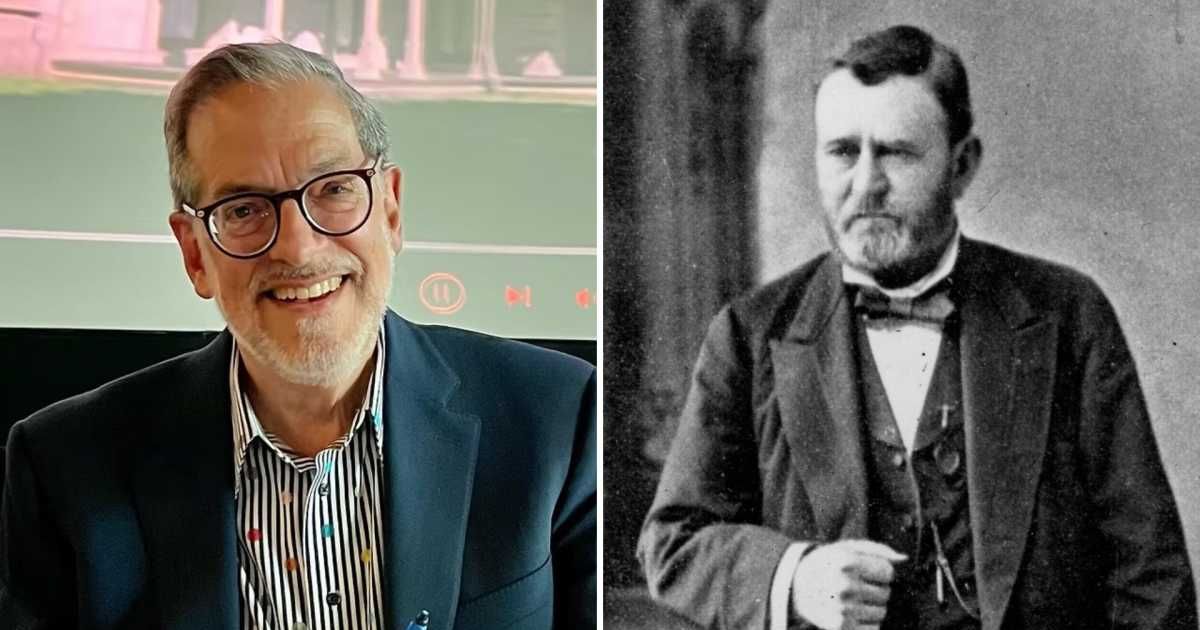
WASHINGTON, DC: As the United States marks its 250th anniversary, the youngest great-great-grandchild of President Ulysses S. Grant said his famous ancestor would have much to celebrate and much to be surprised by looking at the country today.
Ulysses Dietz, 71, a retired decorative arts curator from Maplewood, New Jersey, told The Post that Grant, who presided over the nation's 100th birthday in 1876, called it a "day of reflection and gratitude.”
Grant would be 'thrilled' by strides on diversity, Dietz says
"I think he would see a country that was pluralistic and ethnically diverse and religiously diverse, where people have opportunity, and everybody can go to college, anybody can be president," Dietz said.
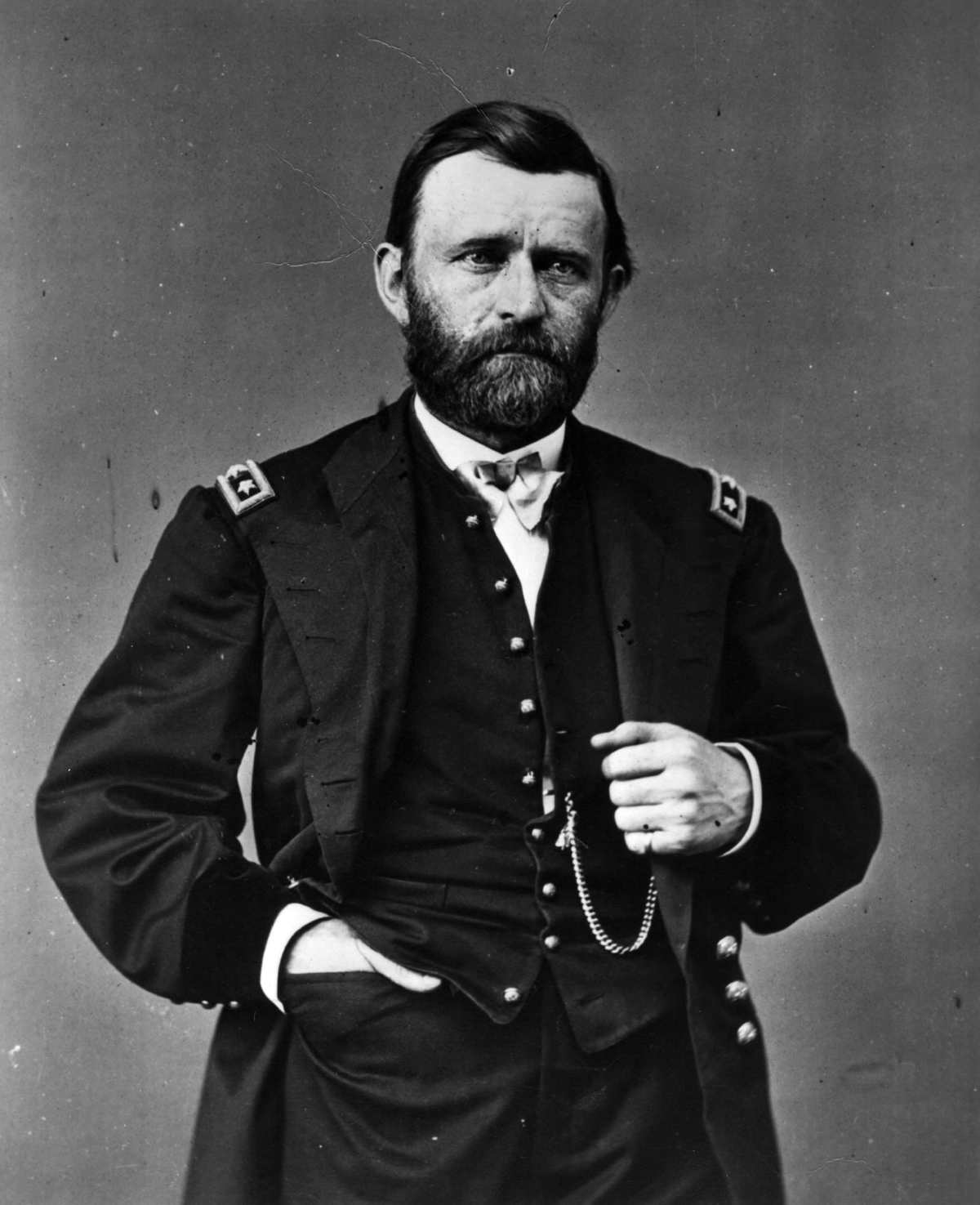
"I think he would be very proud of that."
“I think a lot of great things have been achieved that he would be pleased at because they were part of his vision for what could be,” Dietz said of his great-great-grandfather, who championed civil rights during Reconstruction.
“I think he would also see a lot of bad things that were also bad when he was president and be disappointed that we haven’t overcome that,” he added.
Looking at the country's founding documents, Dietz said he is struck by how visionary the framers were, even given the contradictions of their era.
"It's sort of remarkable looking back that this group of elite, white landowners, many of whom were slaveowners, put together this document that withstood the test of time and then followed it up with the Constitution that has also withstood the test of time," he said.
He won the Civil War, broke the Klan, went bankrupt at 62, got terminal throat cancer, and wrote one of the greatest books in American literature in the final year of his life. He finished it 5 days before he died.
— Echoes of War (@EchoesofWarYT) April 27, 2026
Ulysses S. Grant was born 204 years ago today.
His name wasn't… pic.twitter.com/AeTuTUVNoE
"I think it's remarkable that these men, without understanding where the country would go, came up with ideas that were every bit as important and relevant now as they were 250 years ago."
Ulysses S. Grant's legacy was not always central to family life
Dietz said his famous lineage was not a major part of his upbringing.
His grandfather, also named Ulysses, died when Dietz was 12, and the family rarely discussed their connection to history.
"The family never really talked about it," he said, adding that Grant's reputation was at something of a low point in the 1960s, "mostly through misinformation."
Despite seeing his great-great-grandfather’s face every time he looked at a $50 bill, it wasn’t until decades later that the full weight of his family’s connection with history really hit him.
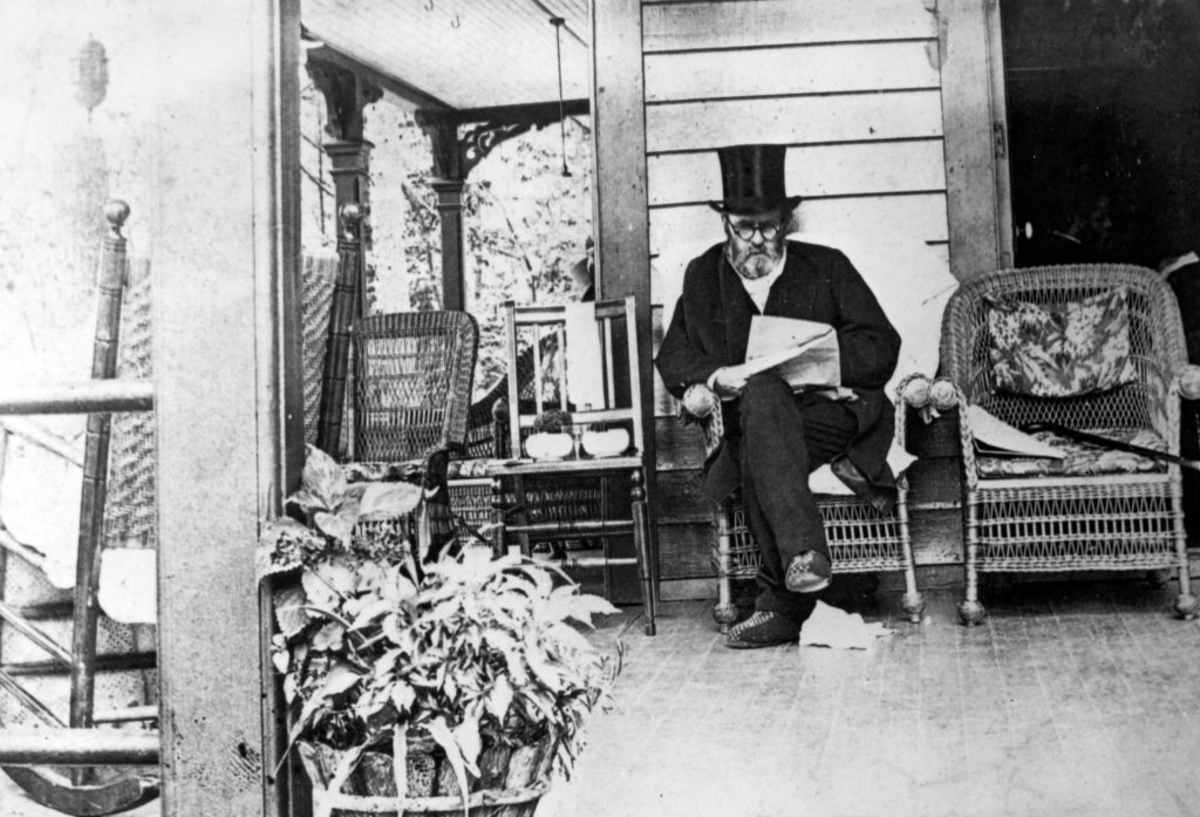
The turning point came in 1987, when Dietz was invited to speak at the General Grant National Memorial in Morningside Heights, better known as Grant's Tomb. He admitted he went in unprepared.
"I went in with no preparation or knowledge; I don't even remember what I talked about. That was sort of a wake-up moment when I thought, if they're gonna ask you to do these things, you better start learning." He has since returned to give a speech at Grant's Tomb every April 27, Grant's birthday, for 40 consecutive years.
Born Grant Ulysses Dietz, he changed his name to Ulysses G. Dietz at 15, and said that by college, everyone simply called him Ulysses.
"It was the '70s and having a weird name was cool," he said. He is the only one among 41 members of his generation in the family to carry the name.