UN Secretary General Antonio Guterres voices 'deep concern' over US military operation in Venezuela
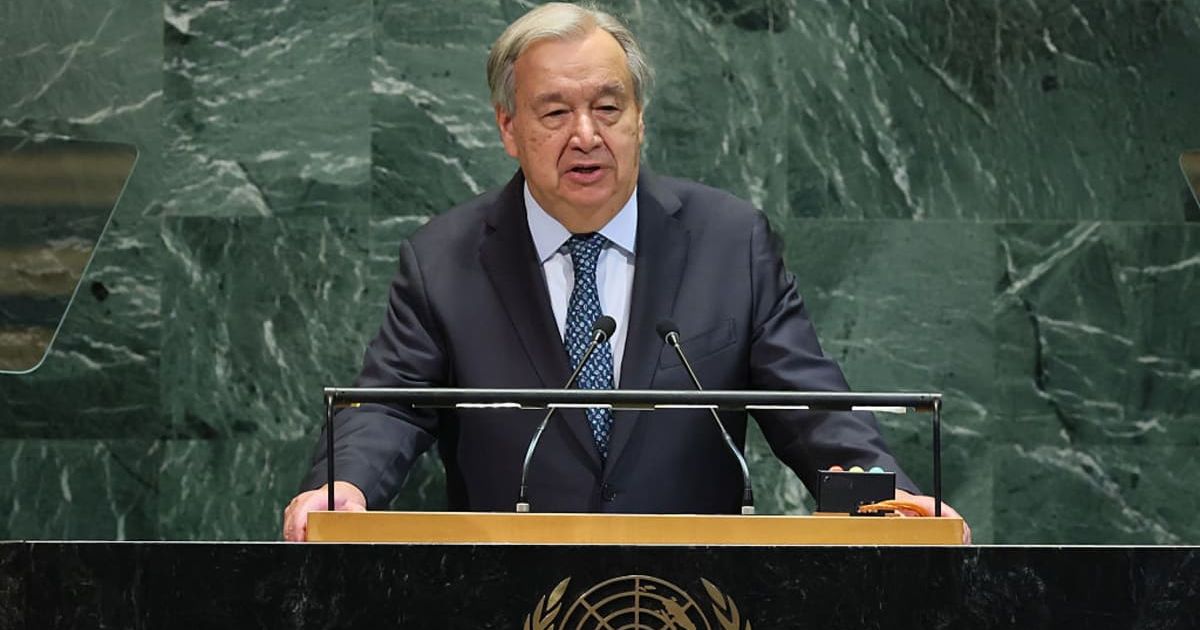
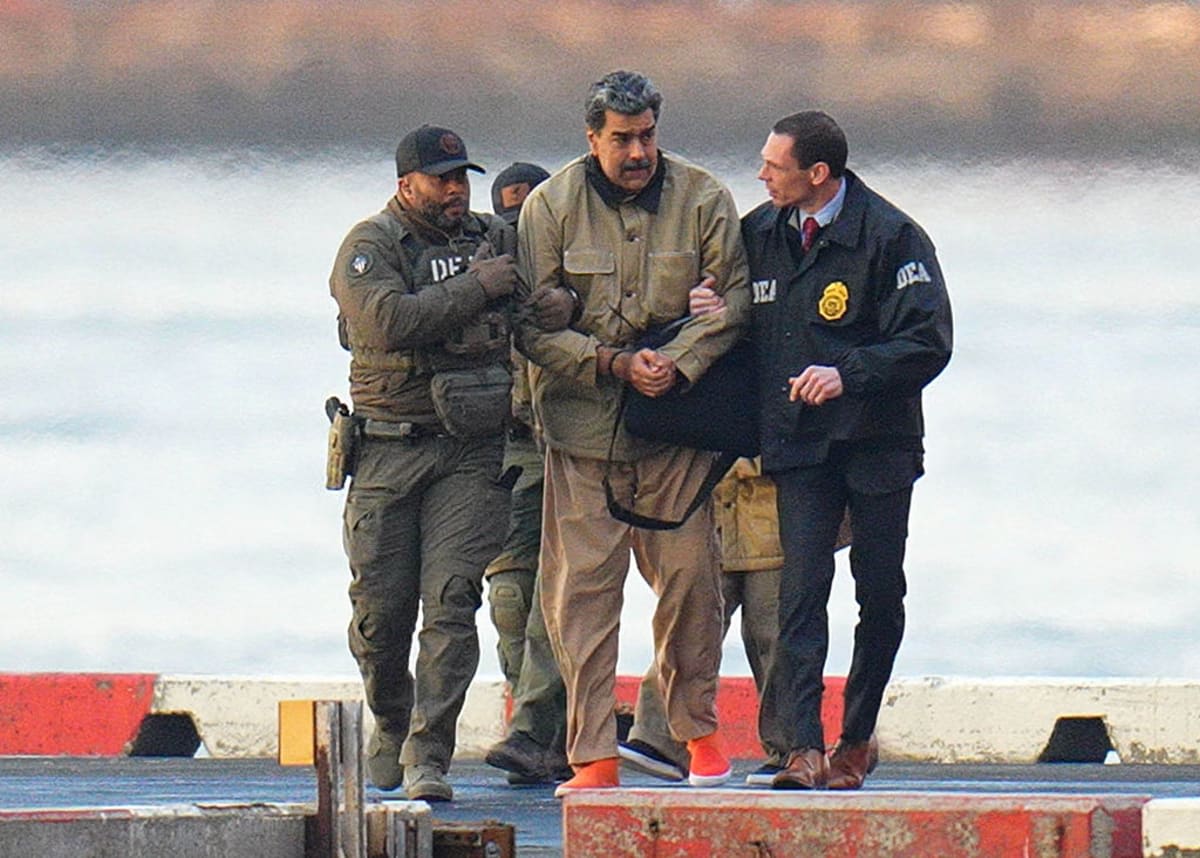
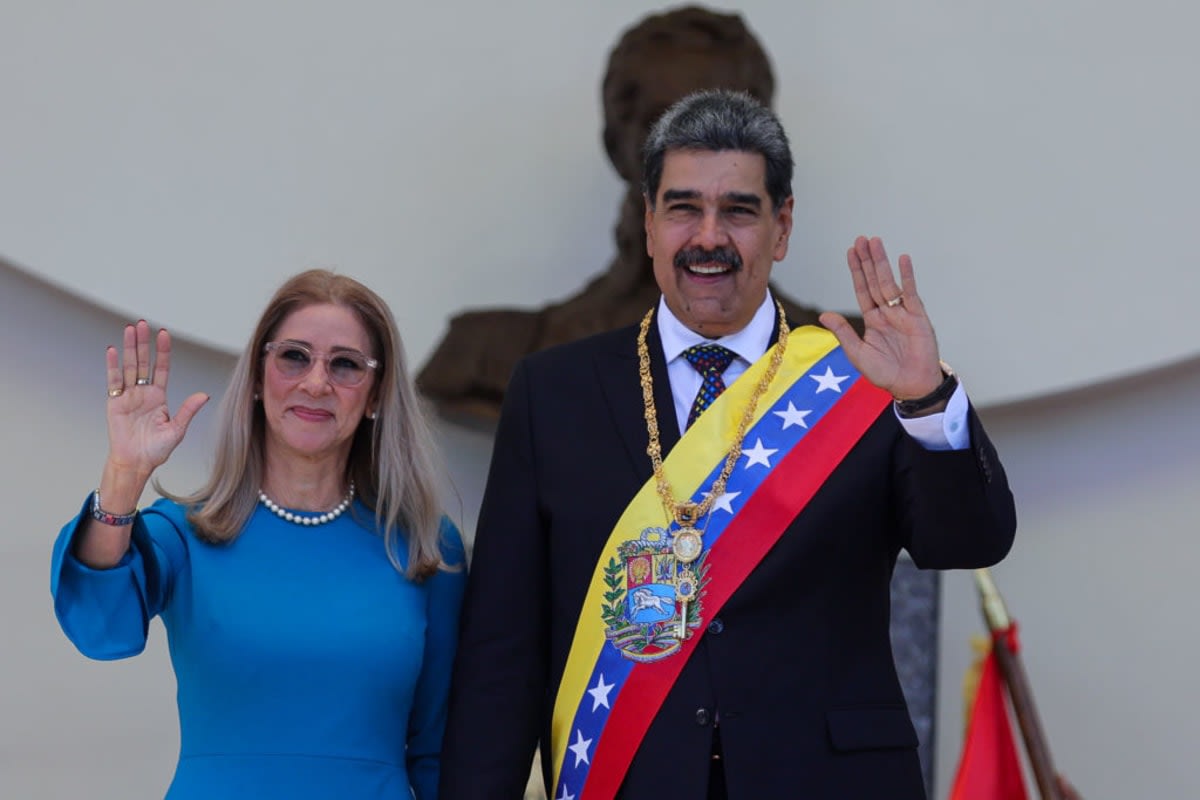
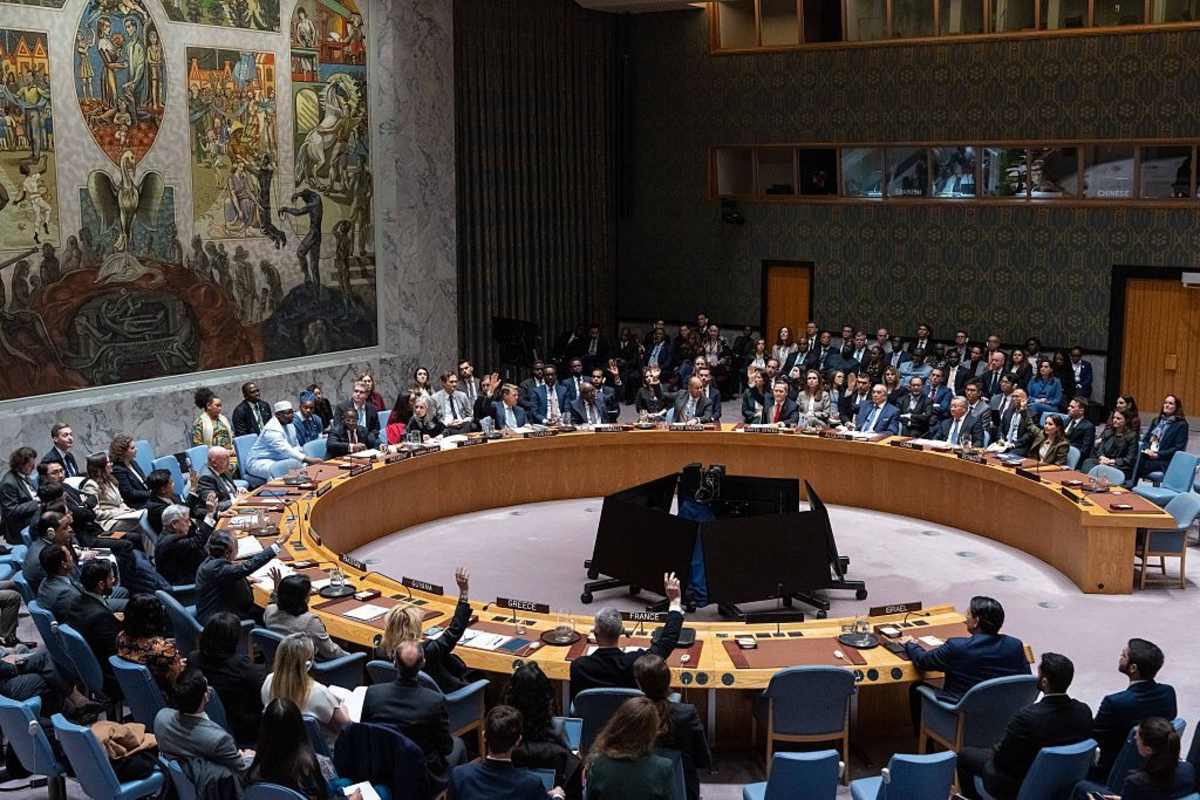
NEW YORK CITY, NEW YORK: The United Nations Security Council convened an emergency meeting on Monday, January 5, to address the consequences of US military action in Venezuela that led to the capture and detention of President Nicolás Maduro and his wife Cilia Flores.
UN Secretary-General Antonio Guterres expressed serious concern about whether international law had been respected.
The meeting occurred just hours before Maduro was due to appear in a federal court in New York. Several countries warned that the operation could destabilize the region and weaken global legal norms.
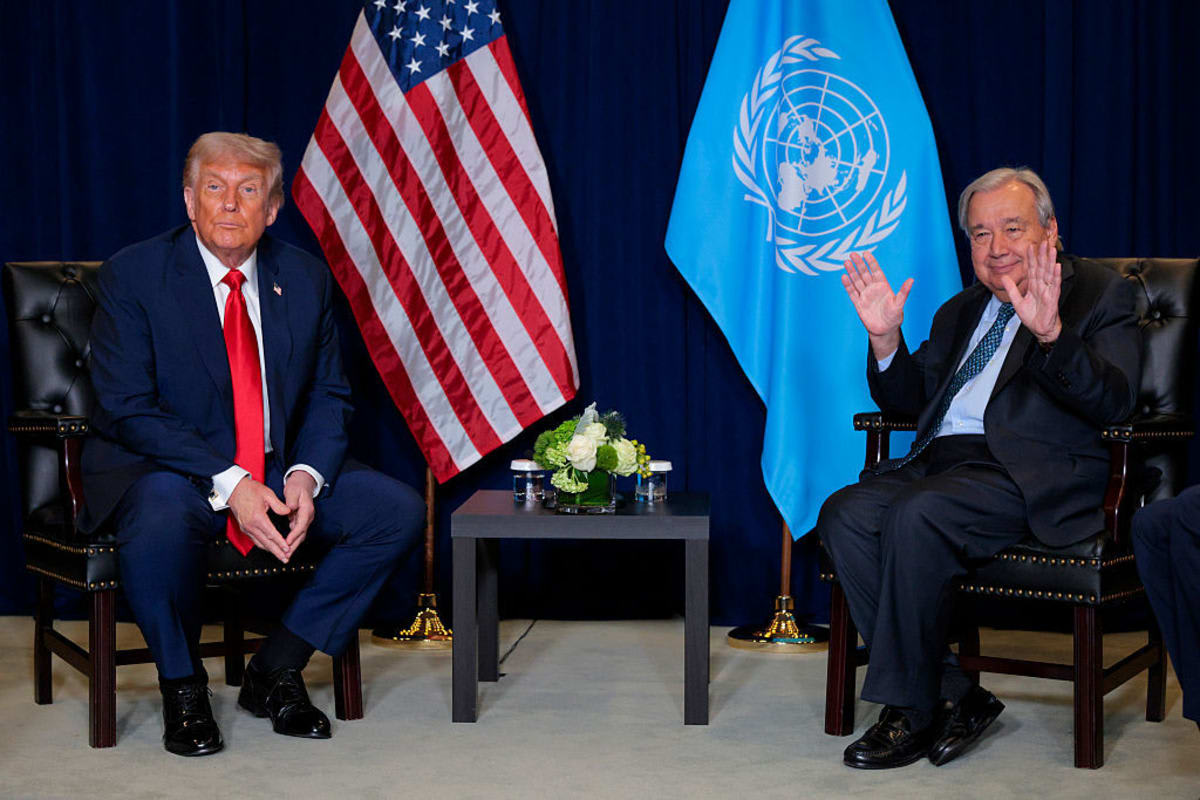
UN chief warns of instability and erosion of international law
Addressing the Security Council, Secretary-General Antonio Guterres said that he was “deeply concerned that rules of international law have not been respected” during the US military operation in Venezuela.
Guterres stressed that international law “provides the foundation for the maintenance of international peace and security,” warning that the precedent set by the operation could have far-reaching consequences.
He highlighted concerns over the detention of Maduro and Flores and the potential ripple effects across the region.
“I am deeply concerned about the possible intensification of instability in the country, the potential impact on the region and the precedent it may set for how relations between and among states are conducted,” Guterres said.
He noted that Venezuela’s prolonged political and humanitarian crisis, saying, “Venezuela has experienced decades of internal instability and social and economic turmoil. Democracy has been undermined. Millions of its people have fled the country.”
Despite the gravity of the situation, Guterres said that escalation was not inevitable.
“The situation is critical, but it is still possible to prevent a wider and more destructive conflagration,” he added.
Calling for restraint and dialogue, Guterres urged Venezuelan actors to pursue a peaceful path forward.
“In situations as confused, as complex, as the one we now face, it is important to stick to principles,” he said, emphasizing that international law offers mechanisms to address issues such as illegal substance transportation, disputes over resources and human rights concerns. “This is the route we need to take.”
Global reactions and warnings over precedent
The UN meeting also featured warnings from economists, diplomats and legal experts.
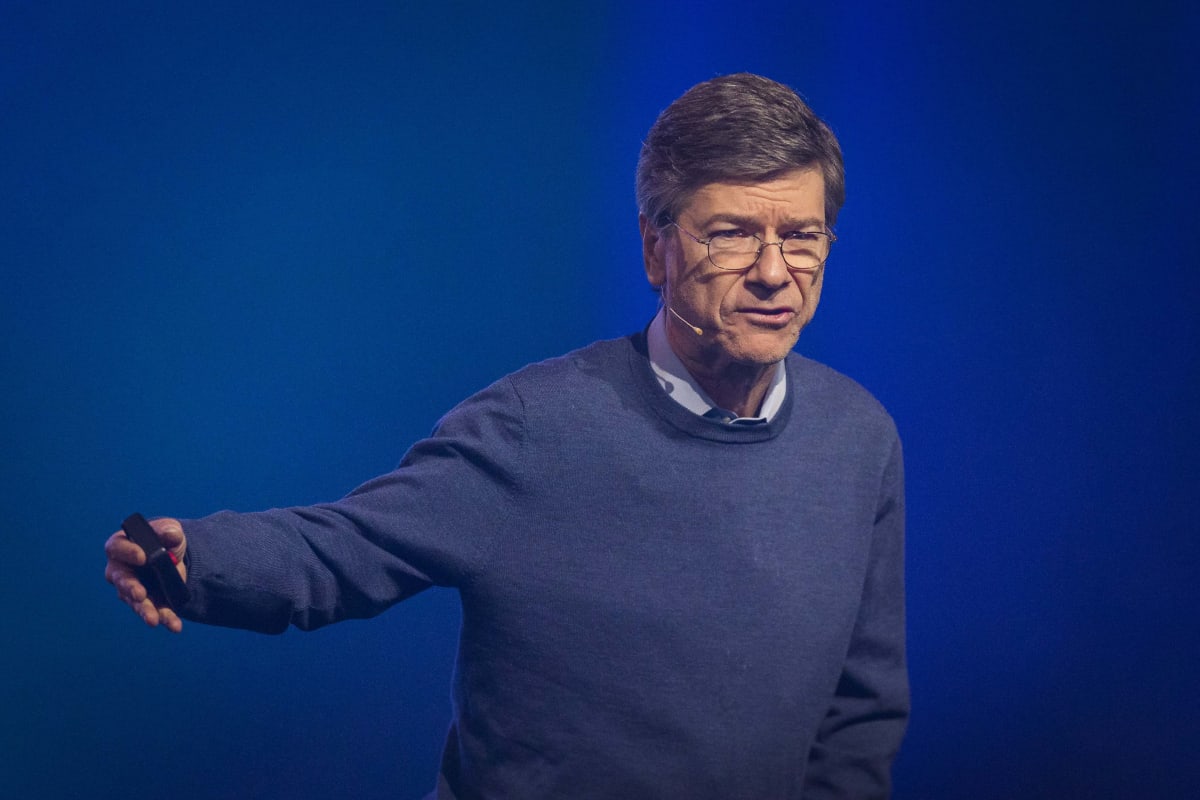
Economist Jeffrey Sachs cautioned that disregarding the UN Charter would have serious consequences.
“The issue before the council today is not the character of the government of Venezuela,” Sachs said. “The issue is whether any member state, by force, coercion or economic strangulation, has the right to determine Venezuela’s political future or to exercise control over its affairs.”
He added that “abandoning it would carry consequences of the gravest kind,” warning that international law could “wither into irrelevance.”
Colombia, which requested the emergency meeting, condemned the US operation.
Colombian UN Ambassador Leonor Zalabata Torres said, “There is no justification whatsoever, under any circumstances, for the unilateral use of force to commit an act of aggression.”
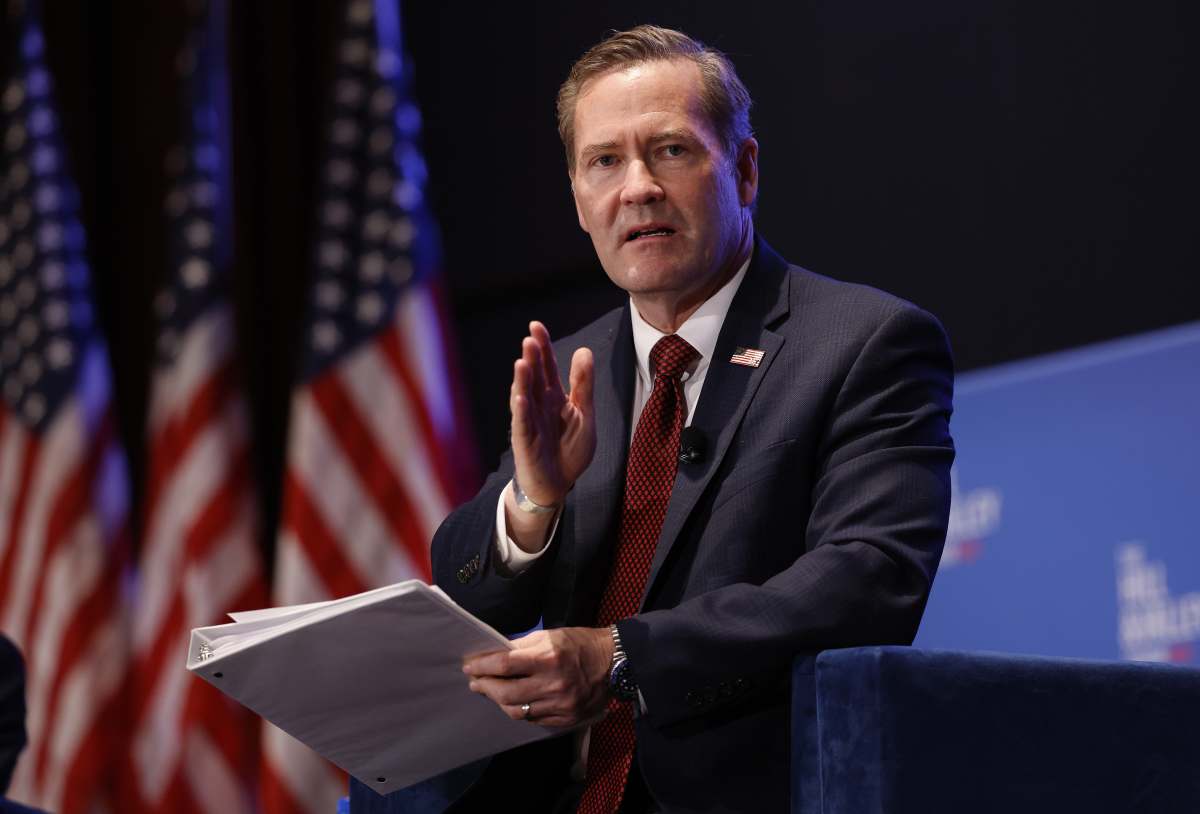
US Ambassador to the UN Mike Waltz defended Washington’s actions, citing Article 51 of the UN Charter, which affirms the inherent right to self-defense following an armed attack.
Meanwhile, international leaders expressed unease. Former UK national security adviser Sir Mark Lyall Grant said US actions were “almost certainly not” legal under international law, noting that US allies faced a “very difficult position.”