US and Iran near deal to reopen Strait of Hormuz, signing expected soon
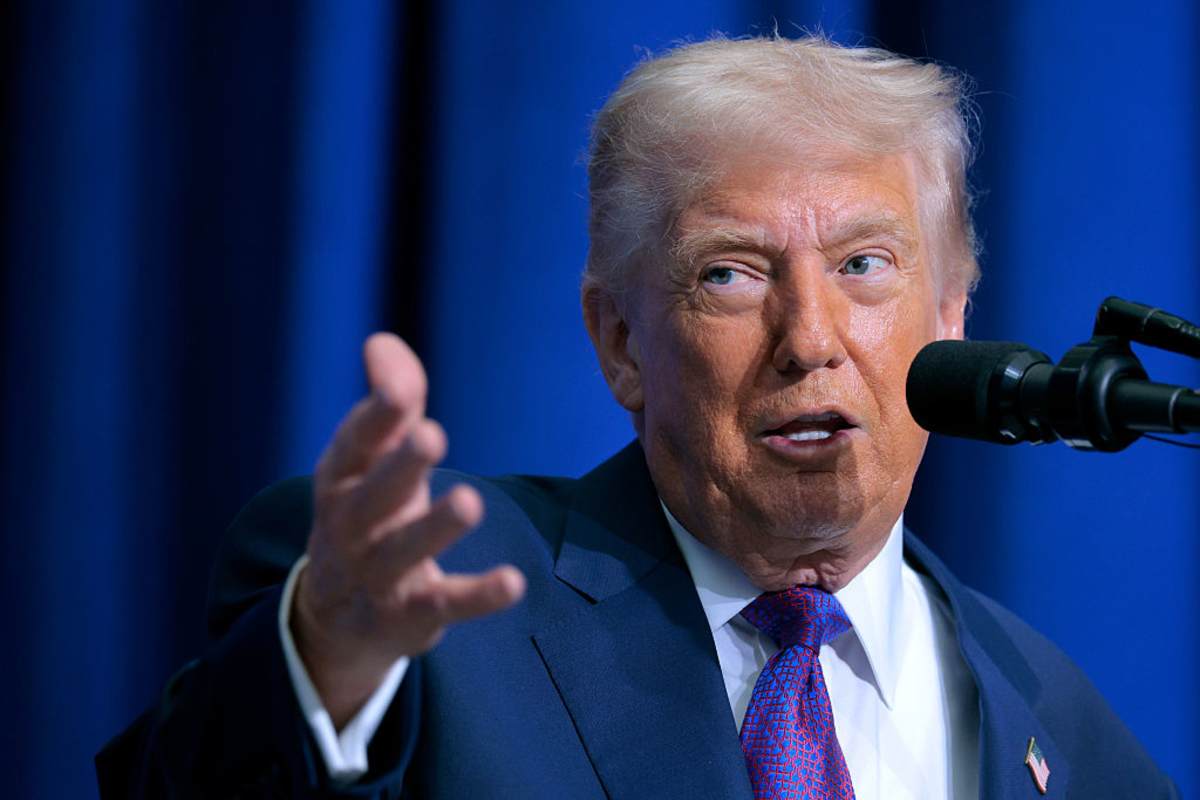
WASHINGTON, DC: A long-awaited agreement between the United States and Iran could be signed within days, reopening the Strait of Hormuz, according to statements from President Donald Trump, Iranian Foreign Minister Abbas Araghchi and Pakistani officials involved in mediation efforts.
Araghchi said that a memorandum of understanding (MoU) could be reached “within the next one or two days, or within the next few days,” expressing optimism that negotiations were nearing completion.
Trump amplified the comments by reposting Araghchi’s remarks on Truth Social and later told Axios he believed a deal could be signed over the weekend or by Monday.
Pakistan, which has played a key mediating role, also projected confidence.
Prime Minister Shehbaz Sharif said on Saturday that a peace agreement was closer than ever and could be finalized within the next 24 hours, paving the way for technical-level talks next week.
Deal hinges on Strait of Hormuz reopening
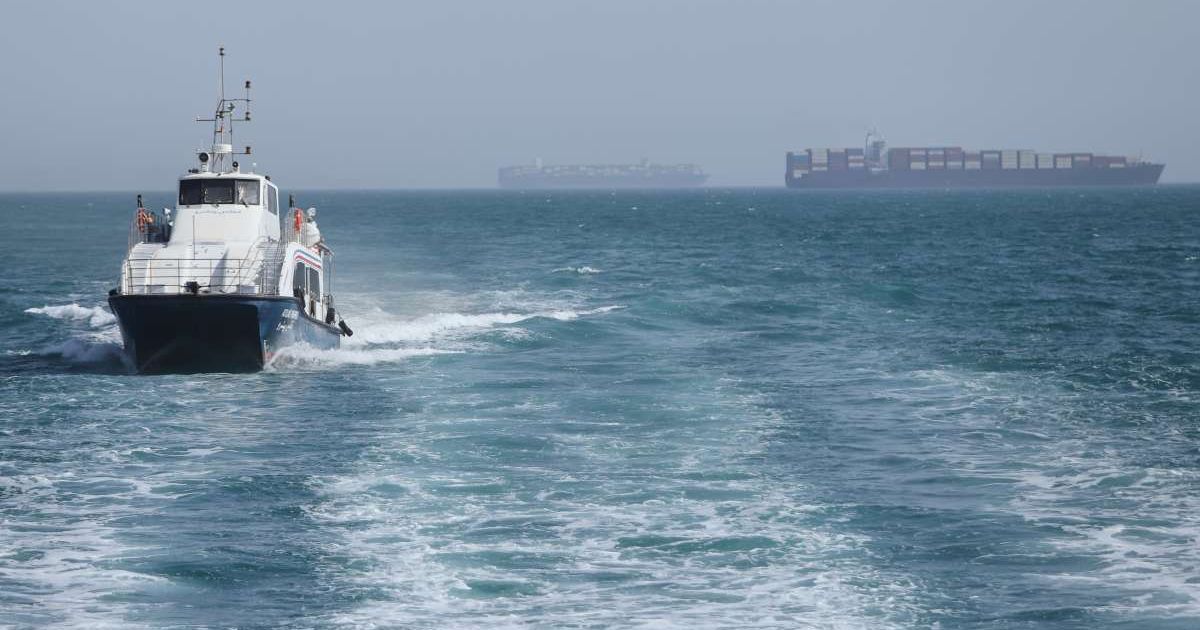
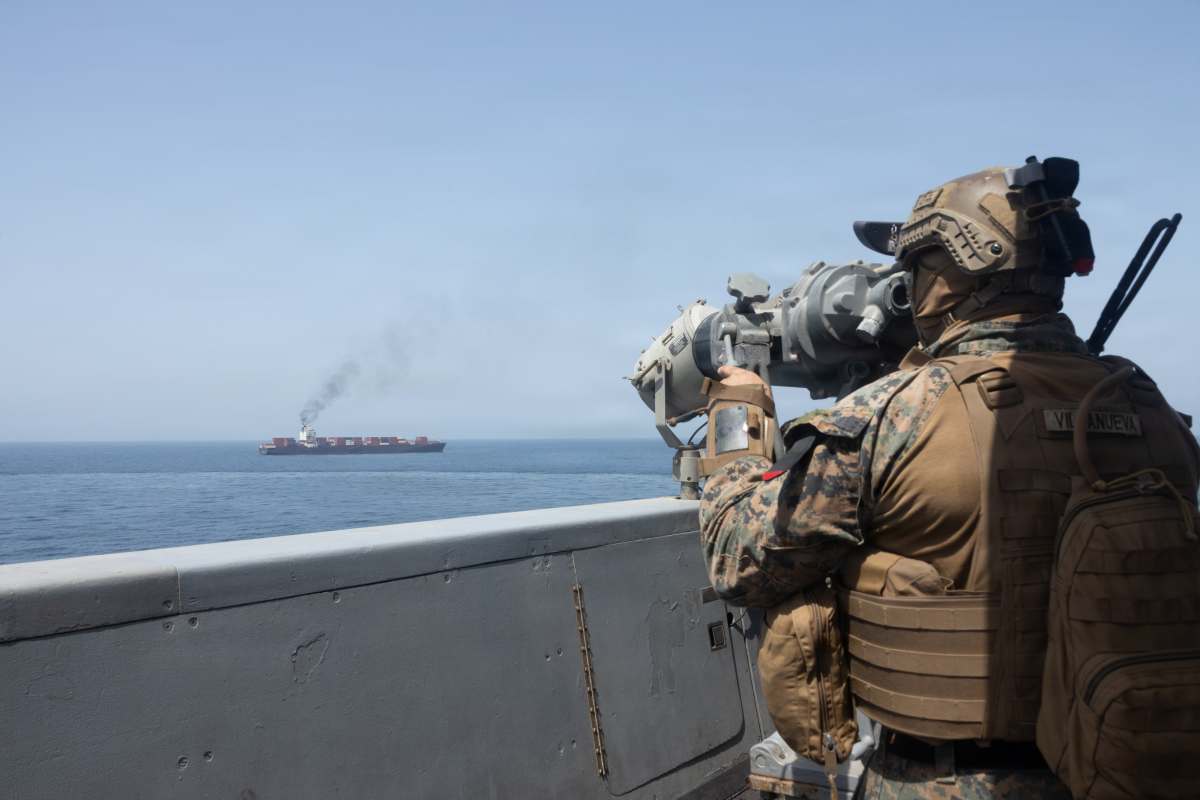
The proposed agreement is expected to focus heavily on restoring normal operations in the Strait of Hormuz, one of the world's most critical energy corridors.
Iran imposed strict controls over the waterway after hostilities erupted earlier this year following US and Israeli military strikes.
Before the conflict, roughly 20 percent of global oil shipments passed through the strait, making disruptions a major concern for international markets.
According to sources familiar with the negotiations, the memorandum would immediately reopen the Strait of Hormuz, restore prewar shipping activity within about 30 days and remove restrictions affecting Iranian ports.
Conflicting signals over final terms
Despite signs of progress, questions remain over several key provisions.
Araghchi said Iran would continue exercising control over the Strait of Hormuz and could charge fees for services provided to vessels using the route. He also stressed that Iran would maintain a strong security posture in the region.
The Iranian foreign minister added that both countries are expected to commit to respecting each other's sovereignty and avoiding interference in internal affairs.
However, major issues, including Iran's nuclear program and the future of US sanctions, remain unresolved and will be addressed in subsequent negotiations.
Even as diplomacy advances, tensions remain high. US Central Command said Iranian drones targeted commercial shipping near the Strait of Hormuz on Friday, though all were intercepted by US forces.