US Homeland Security under fire for using Japanese artist's work without consent
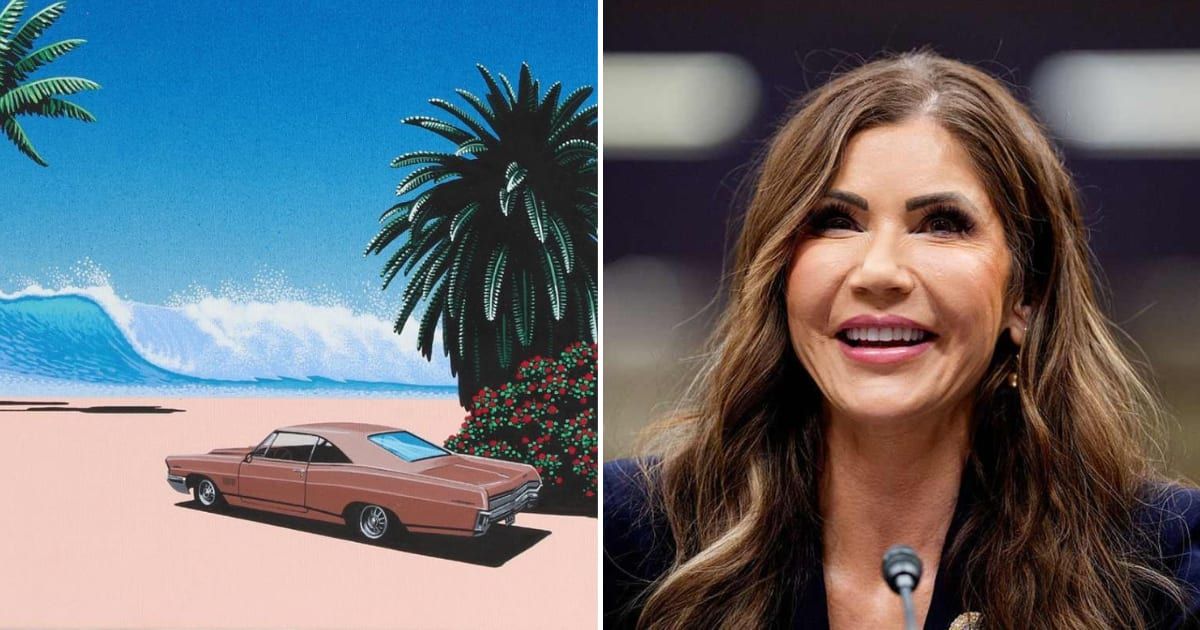
WASHINGTON, DC: The US Department of Homeland Security is facing sharp criticism after using a Japanese artist’s work without permission in a social media post promoting its deportation agenda. The agency posted an image by an acclaimed illustrator, Hiroshi Nagai, on New Year’s Eve, prompting the artist to publicly denounce the act of plagiarism.
US Homeland Security accused of plagiarism
アメリカ国土安全保障省に許可なく絵が使われています🐧💦
— 永井博(Hiroshi Nagai) (@hiroshipj) January 2, 2026
どうしたものか💦 https://t.co/t7GEtGTD3v
On January 1, the official X handle of the department posted a photo featuring a pristine and empty beach with palm trees and a vintage car.
Written across the photo was 'America after 100 million deportations,' along with a separate caption that said: “The peace of a nation no longer besieged by the third world.”
In response, Nagai said on X, “This image is being used without permission from the US department of homeland security. What should I do about this?”
In a statement to the Guardian, a DHS spokesperson said, “DHS will continue using every tool at its disposal to keep the American people informed as our agents work to Make America Safe Again.”
Department of Homeland Security's history of plagiarism
Protect the Homeland.
— Homeland Security (@DHSgov) July 1, 2025
“Morning Pledge” by Thomas Kinkade pic.twitter.com/JLs26R3VlO
The use of Nagai’s work is the latest example of cases where the department has used artists’ creations to promote its immigration agenda, often without permission.
Last July, the department shared a painting by Thomas Kinkade, an American artist known for his idyllic depictions of American life.
The homeland security department posted the image on X with the message 'Protect the homeland,' highlighting Kinkade’s mid-century suburban landscape, complete with schoolchildren, vintage cars, and people gathered around an American flag.
The Kinkade Family Foundation issued a statement in response, condemning the use of the painting, saying, “The use of his artwork was unauthorized, and we have requested that DHS remove the post.”
It added, “At the Kinkade Family Foundation, we strongly condemn the sentiment expressed in the post and the deplorable actions that DHS continues to carry out. Like many of you, we were deeply troubled to see this image used to promote division and xenophobia associated with the ideals of DHS, as this is antithetical to our mission.”
Unauthorized use of songs in immigration posts
this video is evil and disgusting. Do not ever involve me or my music to benefit your inhumane agenda.
— Sabrina Carpenter (@SabrinaAnnLynn) December 2, 2025
The department also drew backlash from pop stars for using popular songs to promote deportation efforts in upbeat TikTok-style videos.
Last November, Olivia Rodrigo criticized the White House for using her song ‘All-American bitch’ in a video encouraging undocumented immigrants to self-deport.
“Don’t ever use my songs to promote your racist, hateful propaganda,” the 22-year-old Filipino-American singer wrote.
In response, the department said, “America is grateful all the time for our federal law enforcement officers who keep us safe. We suggest Ms Rodrigo thank them for their service, not belittle their sacrifice.”
A few weeks later, Sabrina Carpenter condemned the White House for using her song 'Juno' to promote videos of immigration raids on X.
Replying to the since-deleted video, which featured several Immigration and Customs Enforcement officials arresting people, Carpenter wrote, “This video is evil and disgusting. Do not ever involve me or my music to benefit your inhumane agenda.”