US Navy denies reports of poor-quality meals, food shortages on Middle East warships
WASHINGTON, DC: The US Navy rejected claims on Friday, April 17, that warships deployed to the Middle East were facing food shortages, calling reports circulating online “false.” The denial comes amid broader concerns about deteriorating living conditions for American troops stationed in the region during the ongoing Iran conflict.
Reports of inadequate meals and disrupted communication with families have highlighted logistical challenges affecting deployed personnel. These developments come amid a fragile ceasefire following six weeks of intense fighting, as well as a US blockade of the Strait of Hormuz.
US Navy rejects food shortage claims aboard deployed warships
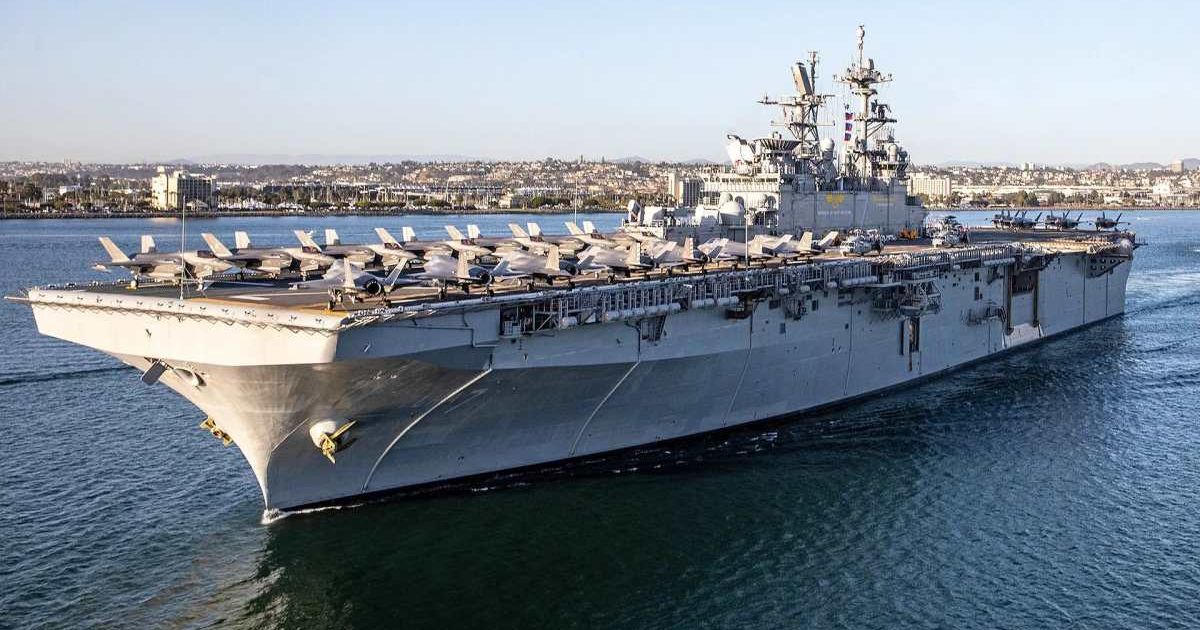
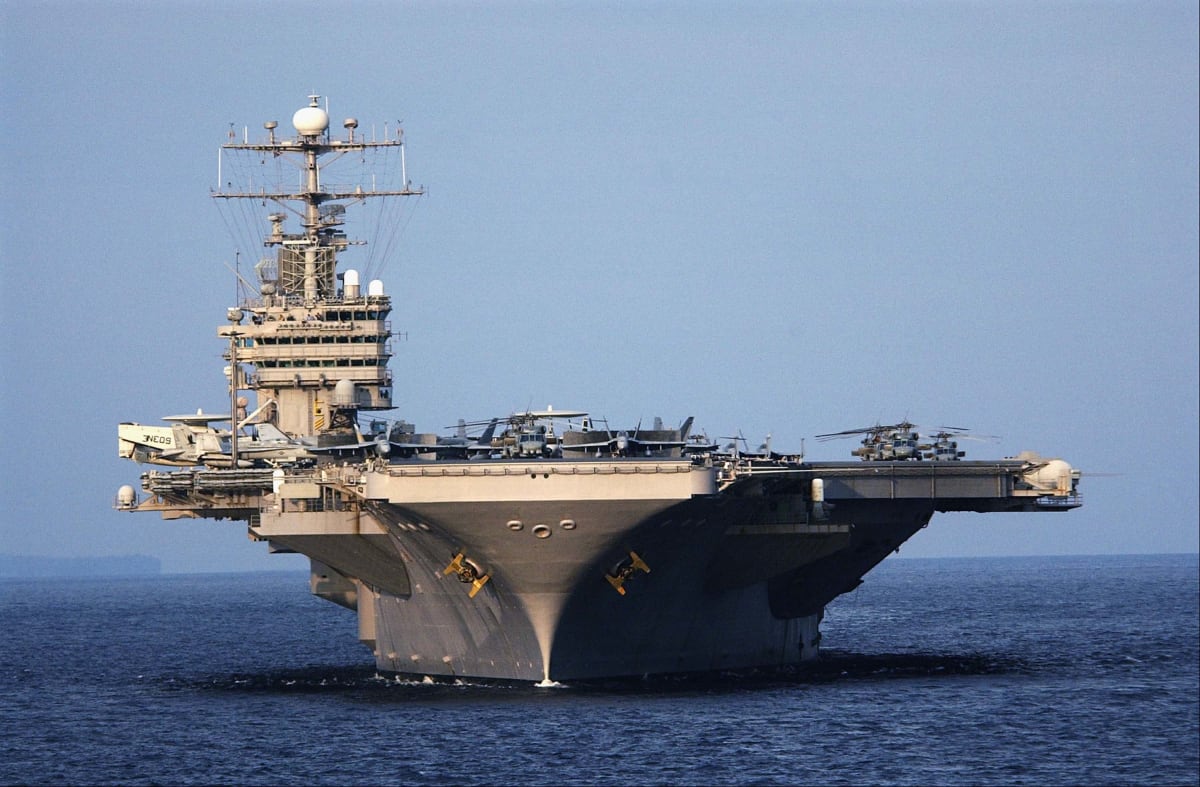
“Recent reports alleging food shortages and poor quality aboard our deployed ships are false,” stated the Office of the Chief of Naval Operations, led by Admiral Daryl Caudle. The statement affirmed that both USS Abraham Lincoln and USS Tripoli have adequate food supplies and that all personnel are receiving “fully portioned, nutritionally balanced meals.”
It added that the health and wellbeing of sailors and Marines remains a top priority. The denial followed a USA Today report featuring images that allegedly showed nearly empty meal trays. One image, reportedly shared by the father of a Marine aboard the Tripoli, showed two trays with only a small portion of shredded meat and a single tortilla.
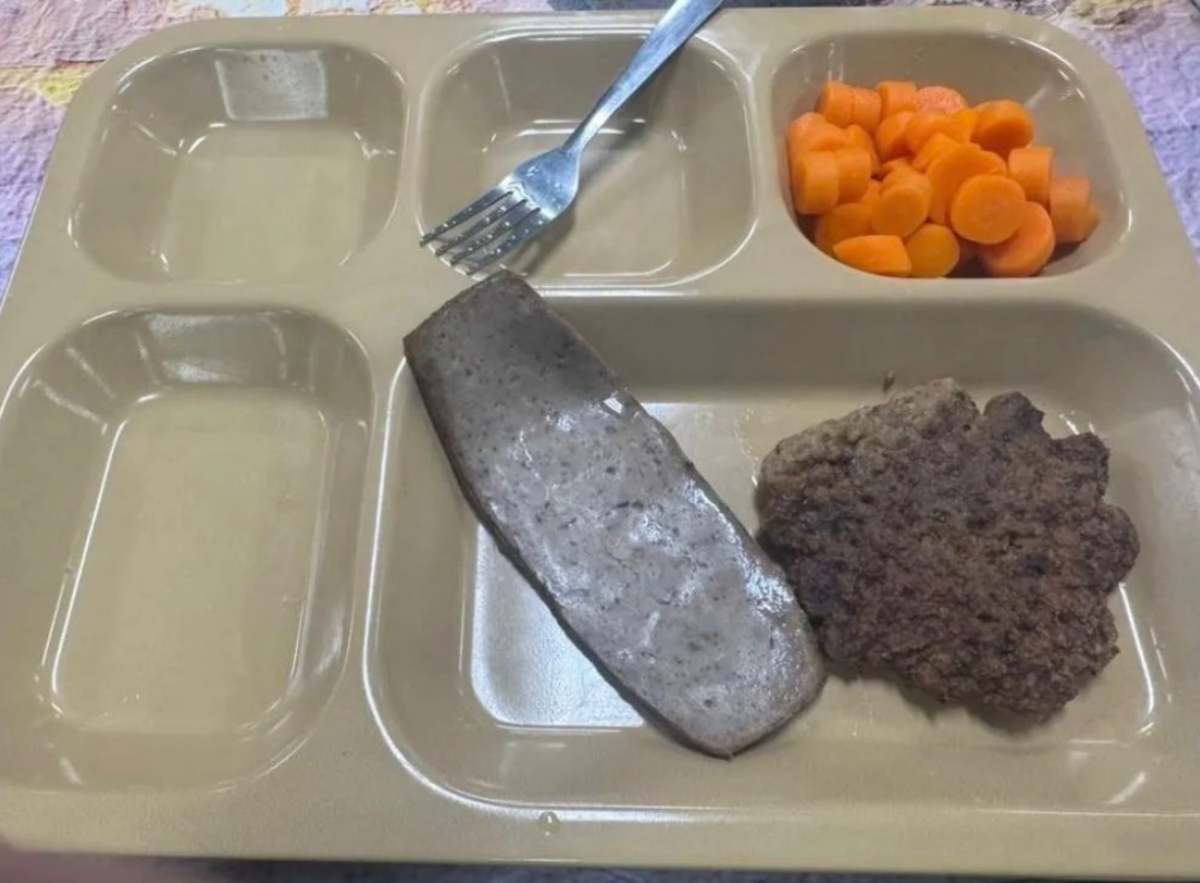
Another image from a service member’s family showed a meal aboard the Lincoln with a small portion of boiled carrots, a dry meat patty, and a slab of processed meat.
“The food is tasteless and there’s not nearly enough and they’re hungry all the time,” Karen Erskine-Valentine, a West Virginia pastor, said based on accounts from a service member’s family. Caudle’s statement did not directly address these images.
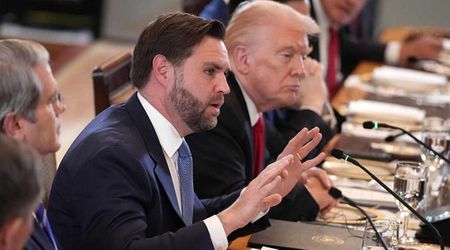
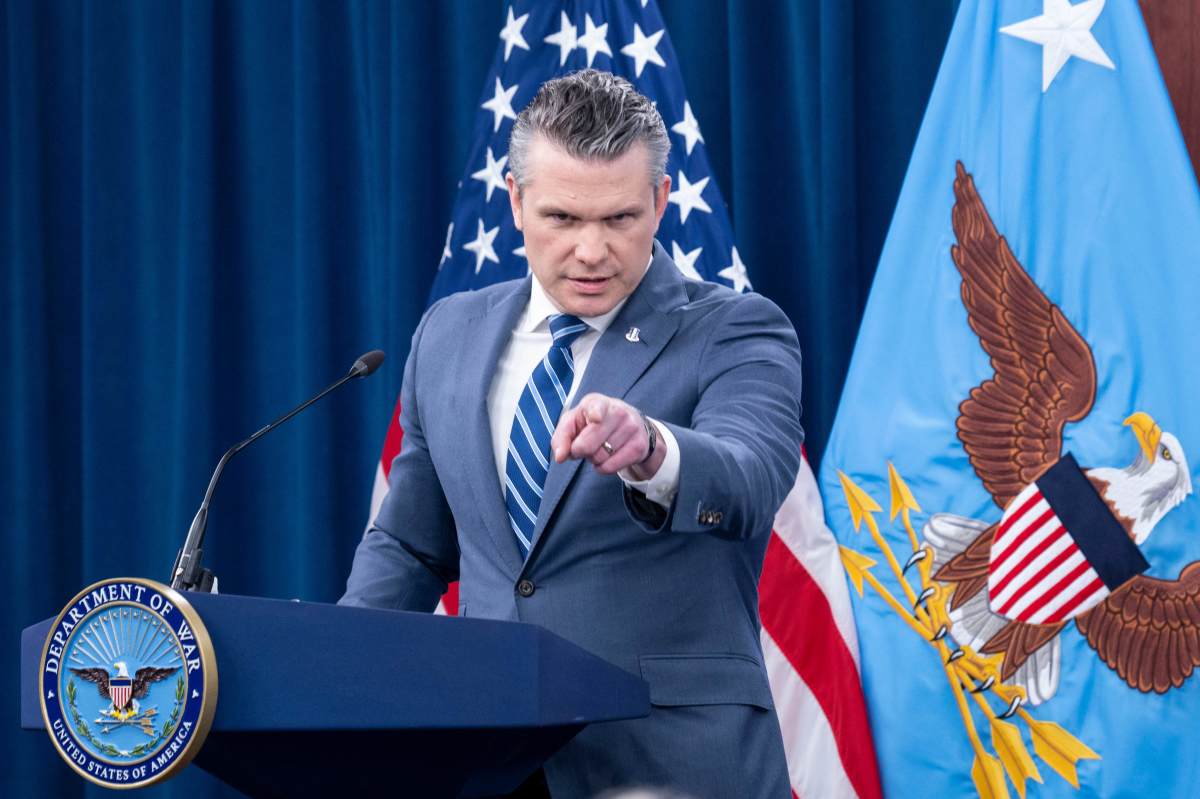
War Secretary Pete Hegseth also dismissed the claims, writing on X that the reports were “FAKE NEWS.” He stated that both ships had more than 30 days of food supplies onboard and that logistics are monitored daily.
Meanwhile, USA Today reported that care packages were delayed because mail deliveries to military ZIP codes in the region were suspended. The Navy confirmed that the temporary hold, implemented due to combat operations, has now been lifted. Caudle noted that the Navy’s logistical network is adaptable and that routine menu adjustments help sustain operations at sea.
Troop conditions and Strait of Hormuz tensions amid Iran war
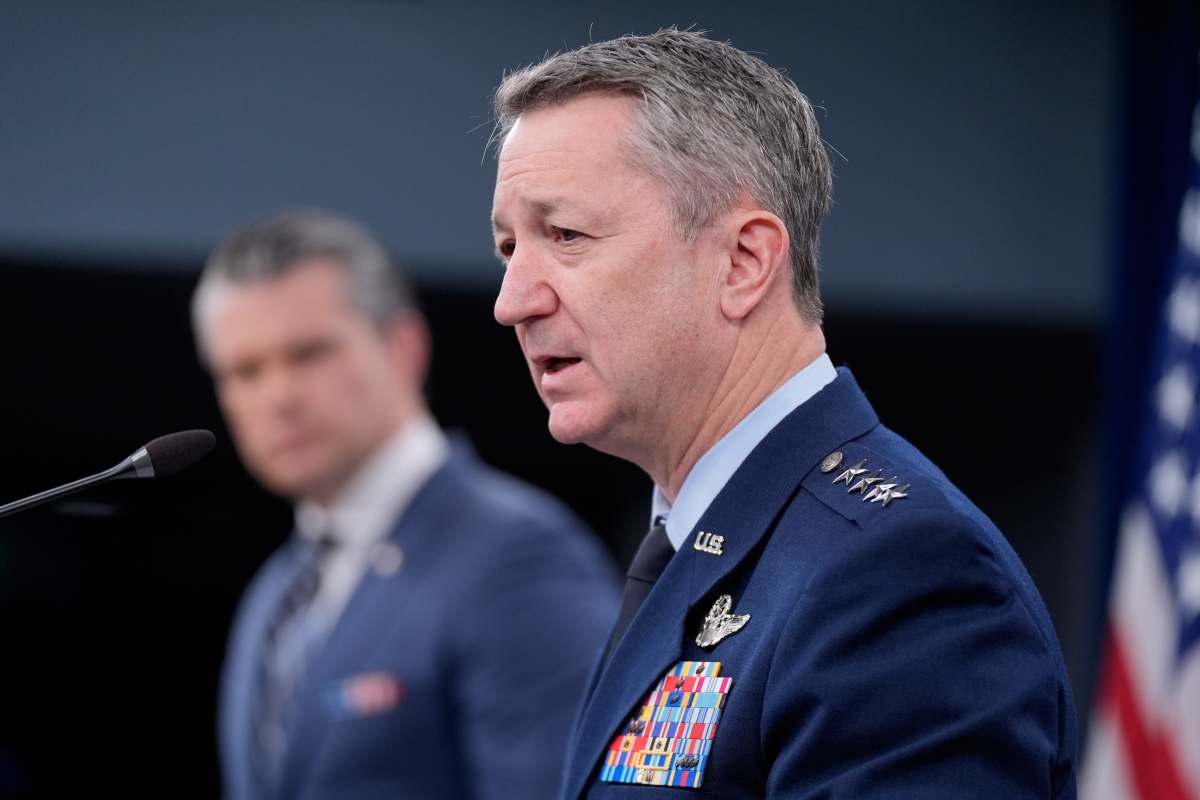
Chairman of the Joint Chiefs of Staff General Dan Caine, stated that US troops involved in the conflict had consumed “more than six million meals, more than 950,000 gallons of coffee, and more than two million energy drinks.”
He also pointed to significant nicotine use among service members, adding with a laugh, “I’m not saying we have a problem.” Despite this, USA Today report cited a sailor aboard the Tripoli who texted his mother, “[Supplies] are going to get really low, Morale is going to be at an all-time low.”
More than 50,000 American personnel are currently stationed in the Middle East, including forces aboard ships patrolling the Strait. Several vessels have not docked since hostilities began in late February since the war began.
Although a two-week ceasefire was announced last Tuesday, negotiations have yet to produce a breakthrough. President Donald Trump said the conflict is “going along swimmingly” and signaled that it “should be ending pretty soon.”
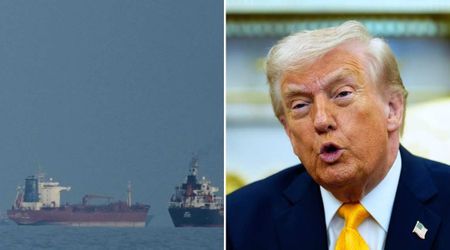
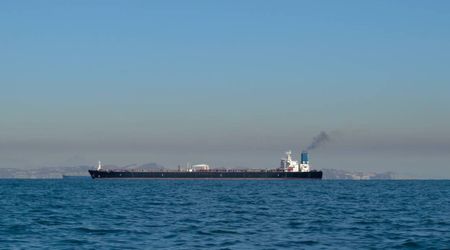
Tensions remain high, with Iran warning it may close the Strait, if the US does not lift its blockade of Iranian ports. Iranian Parliament Speaker Mohammad Bagher Ghalibaf dismissed Trump’s claims as “false,” stating that decisions regarding the strait would be determined “on the ground, not on social media.”
Trump stated that the blockade would end once an agreement is reached and suggested that a peace deal could involve US control over Iran’s nuclear material. On Friday, only a limited number of ships passed through the strait despite assurances that it would remain open to commercial traffic.