United Nations warns 30 million risk poverty as Iran war threatens global economy
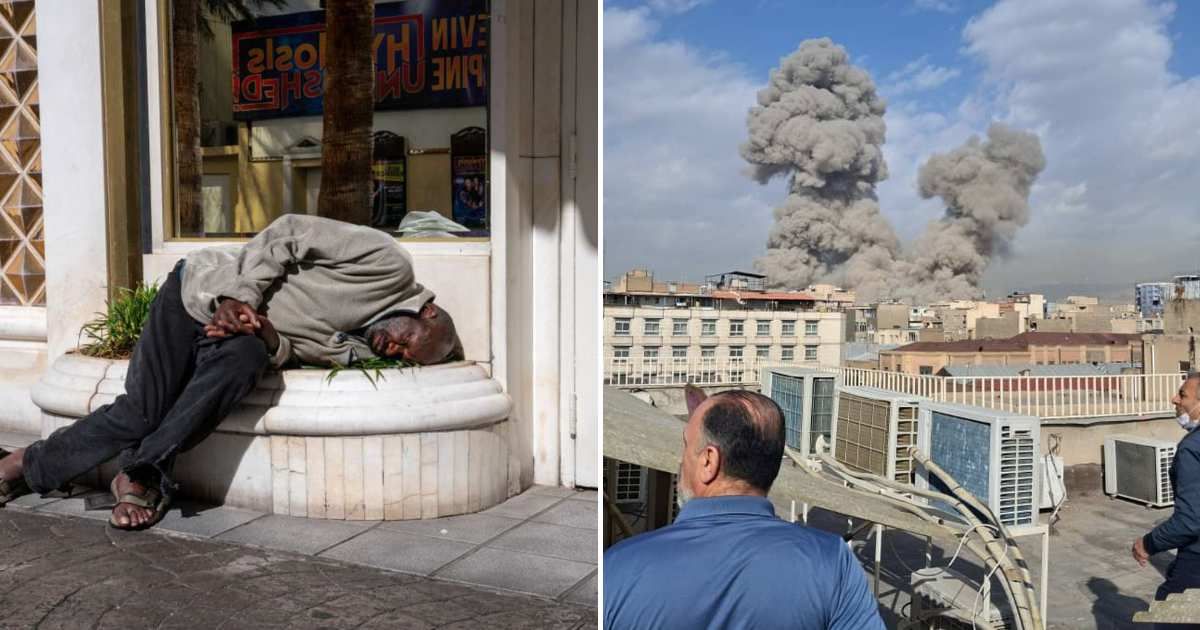
WASHINGTON, DC: The widening conflict involving Iran is no longer just a regional security concern; it is rapidly emerging as a global economic crisis.
A new warning from the United Nations Development Programme suggests that the ripple effects of the war could push more than 30 million people into poverty, as rising energy and food costs strain vulnerable economies worldwide.
The assessment released Tuesday, April 14, highlights how interconnected global systems, particularly fuel supply chains and agricultural markets, are amplifying the economic fallout, turning a geopolitical conflict into a widespread development challenge.
The war in the Middle East has put tens of millions of people in danger of falling into poverty.
— United Nations (@UN) April 13, 2026
While the most devastating impacts are being felt in the region, vulnerable people across 162 countries are at risk.
Latest update from @UNDP: https://t.co/23DqPqSTdo pic.twitter.com/x1piHknQsk
Iran war can drag millions into poverty, UN says
In its policy brief titled 'Military Escalation in the Middle East: Reversals in Global Development, Policy Response Options', as many as 32.5 million people could fall below the poverty line due to disruptions triggered by the conflict.
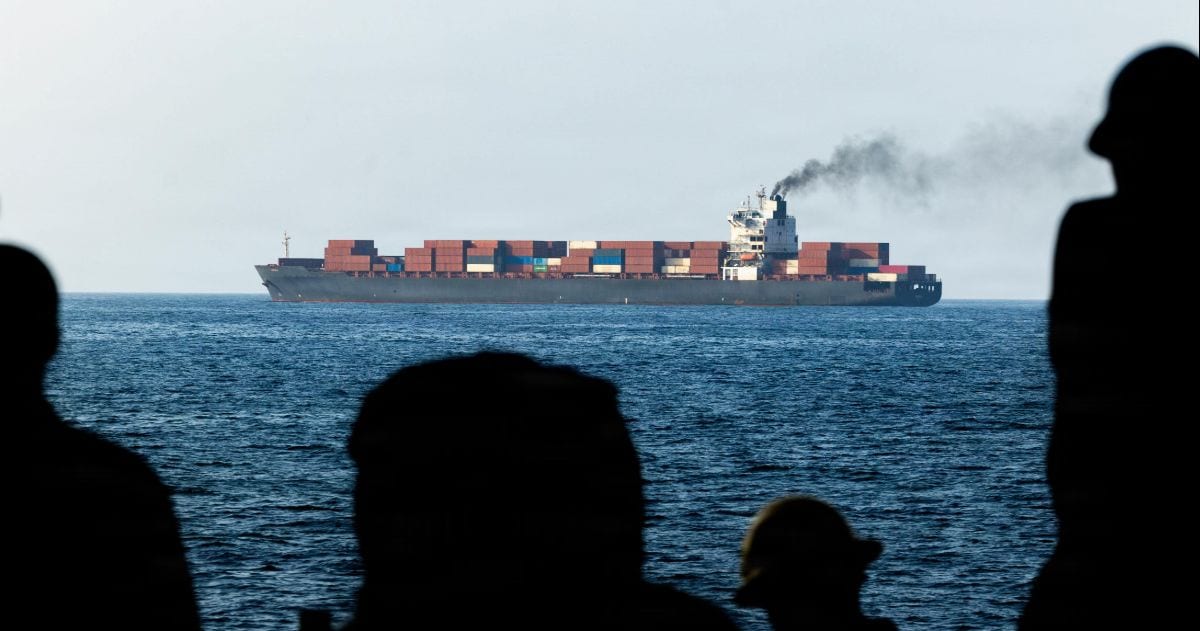
The primary drivers include surging energy prices, reduced fuel availability, rising food costs, and slowing economic growth across multiple regions.
Countries that rely heavily on imported energy are expected to face the most severe consequences.
The military escalation in the Middle East could push over 30 million people into poverty across 162 countries.
— UN Development (@UNDP) April 13, 2026
The effects of the crisis reach far beyond directly affected countries, falling hardest on the poor & most vulnerable.
More in our 🆕 brief: https://t.co/Bq4JXx6cjp pic.twitter.com/pECU6fph51
The report notes that nearly half of the projected increase in poverty is concentrated in 37 nations that are particularly exposed to global energy price volatility.
Regions such as parts of Asia, the Gulf, sub-Saharan Africa, and small island developing states are among the most vulnerable.
In these areas, even modest increases in fuel and food prices can significantly impact household incomes, pushing millions closer to financial instability.
Within Iran itself, the impact has been swift and severe. UNDP projections suggest the country has effectively lost around 18 months of human development progress in just the early phase of the conflict.

UN backs targeted relief to limiting damage
To mitigate the crisis, the UNDP is urging governments to adopt targeted relief strategies rather than broad, sweeping subsidies.
Among its key recommendations is the allocation of up to $6 billion in temporary cash transfers aimed at supporting low-income households most affected by rising costs.
The agency also advocates for limited, targeted subsidies or vouchers for essential energy use, including electricity and cooking fuel.
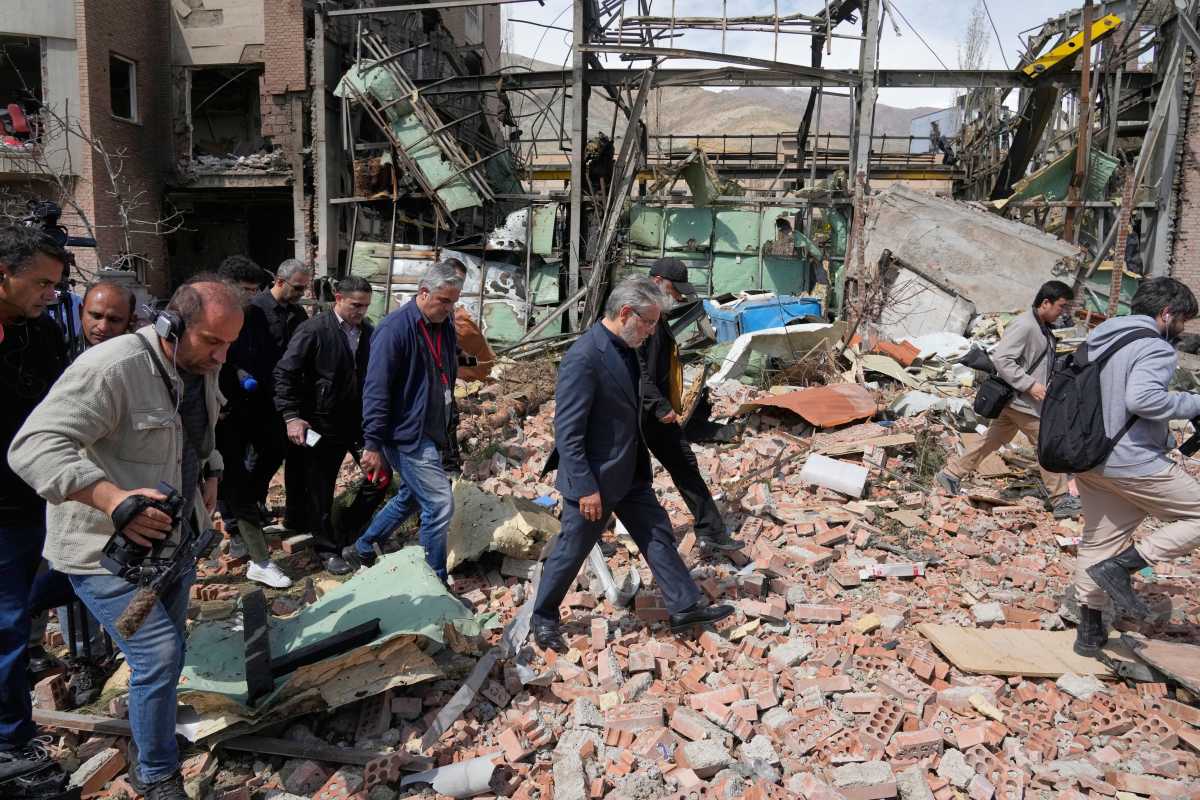
These measures are designed to provide immediate relief without overburdening national budgets.
However, the report cautions against universal energy subsidies, noting that such policies often disproportionately benefit wealthier populations while placing long-term strain on government finances.
Instead, the UNDP argues that carefully targeted assistance can deliver more effective and equitable outcomes, helping governments stabilize their economies while protecting the most vulnerable communities.