US relief effort in Venezuela draws praise, including from earthquake-hit nation's government
WASHINGTON, DC: The United States has mounted a swift, large-scale disaster response to twin earthquakes that struck Venezuela on Wednesday, deploying search-and-rescue teams, military aircraft, and $150 million in aid despite the absence of the US Agency for International Development, which the Trump administration dismantled last year.
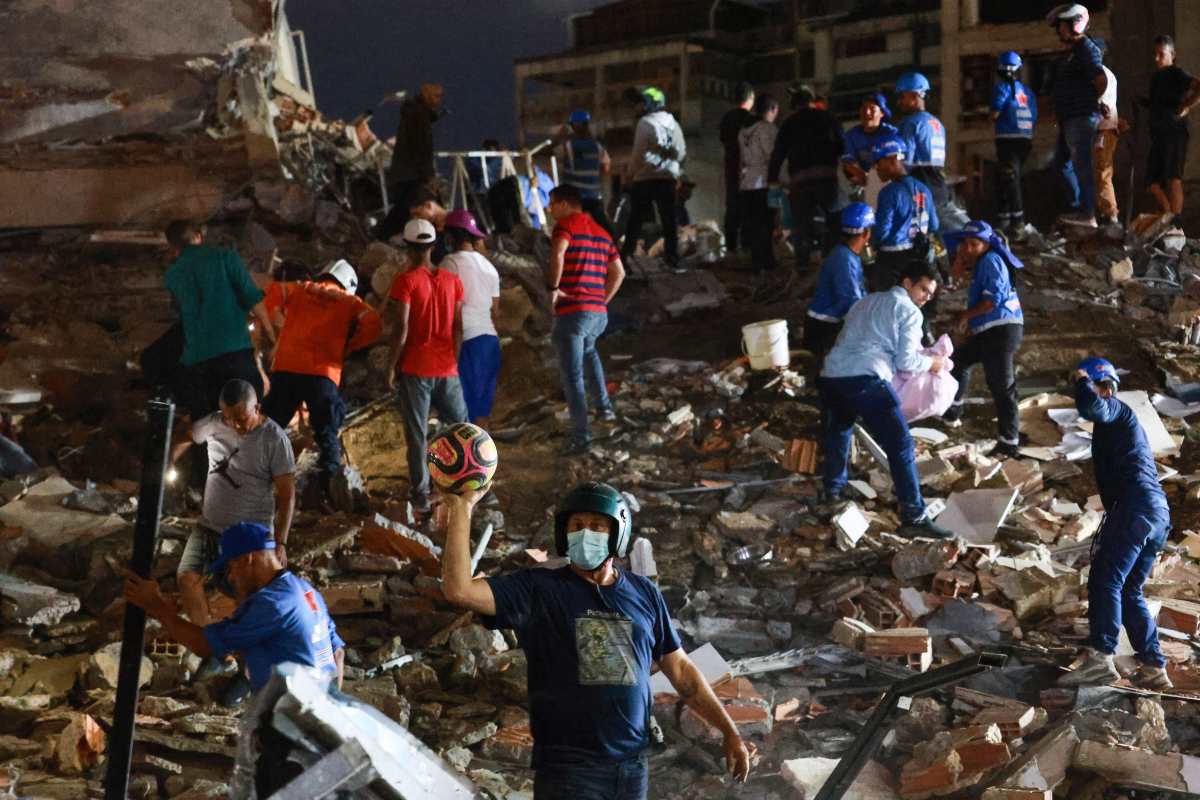
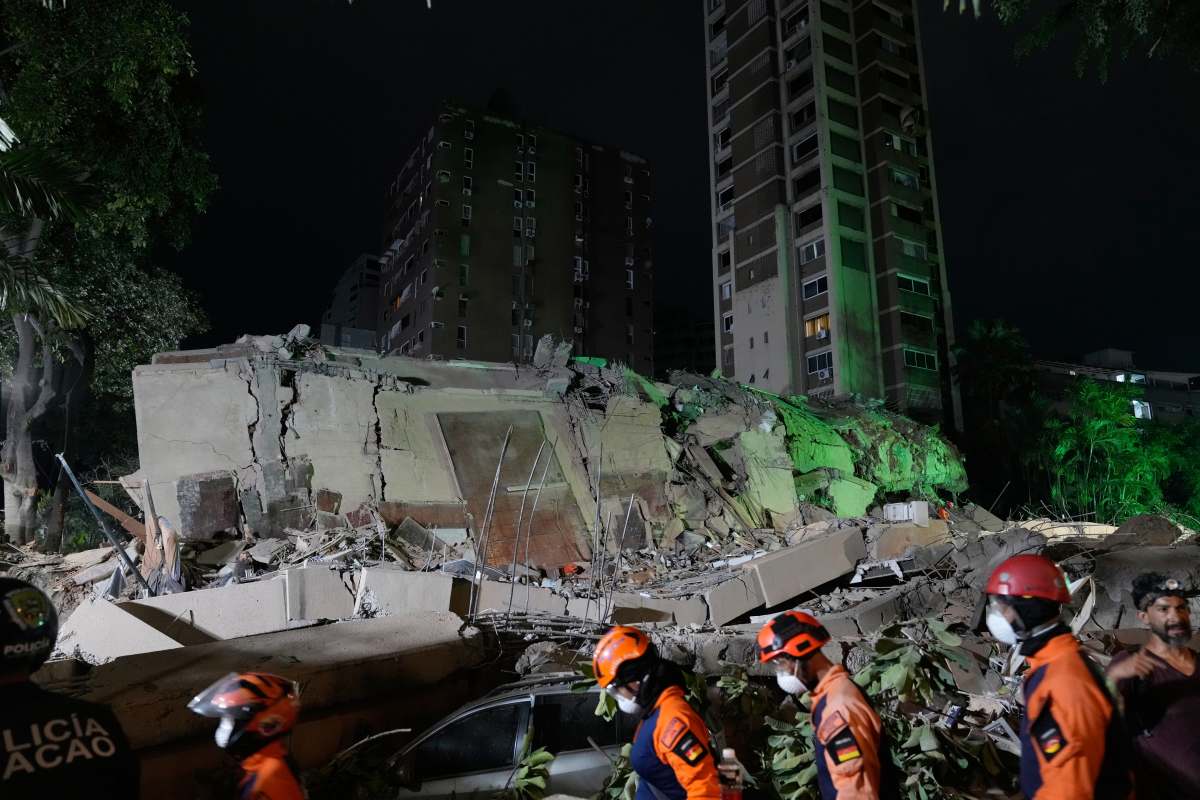
The earthquakes, both above magnitude 7, struck the state of La Guaira and the capital, Caracas. As of Friday morning, Venezuela's socialist government had recorded 589 deaths and more than 2,000 injuries, with an unknown number still missing under collapsed buildings.
State Department, Pentagon moved fast to deploy aid
The State Department announced a $150 million commitment to the response, including $50 million in new bilateral awards to aid groups working in Venezuela, such as World Vision, Samaritan’s Purse, Catholic Relief Services, International Medical Corps, the International Organization for Migration, and the World Food Programme, and a $100 million contribution to a United Nations humanitarian pooled fund.
RELEASE: SOUTHCOM Leadership Arrives in Venezuela to Coordinate Earthquake Relief Support
— U.S. Southern Command (@Southcom) June 26, 2026
U.S. Marine Corps Maj. Gen. Kevin J. Jarrard arrived in Caracas, Venezuela, today, to oversee Department of War support to Venezuela earthquake relief efforts.
Maj. Gen. Jarrard is serving… pic.twitter.com/sCIhyuI63L
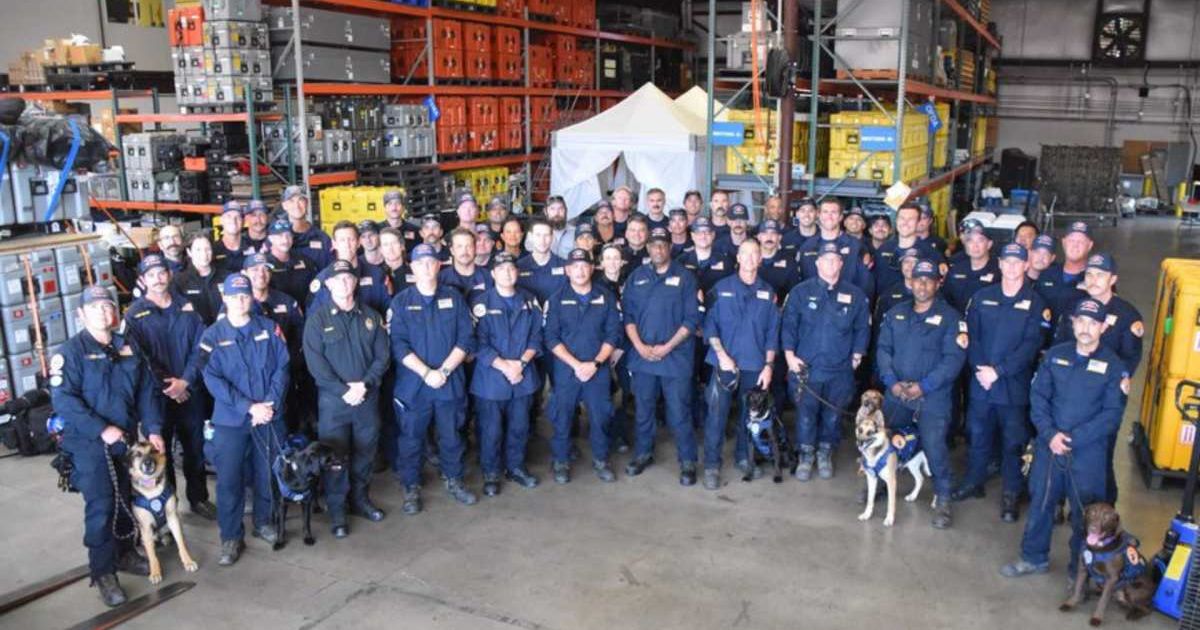
The department also sent a regional Disaster Assistance Response Team and two specialized urban search-and-rescue teams, one from Fairfax, Va., and one from Los Angeles, to help find survivors.
US Southern Command confirmed that Marine Corps Maj. Gen. Kevin J. Jarrard landed in Caracas to lead Pentagon support efforts, with military aircraft assisting in moving personnel and supplies after the earthquakes destroyed Simón Bolívar International Airport, the closest airport to the disaster zone.
“Assigned US military forces will utilize fixed and rotor wing aircraft to provide specialized mobility services and assist US Government personnel, search and rescue teams, and partners assessing damage and delivering critical life-saving assistance,” SOUTHCOM explained.
NPR reported that the response marks a notable shift from the administration's handling of last year's Myanmar earthquake, when the US sent no search-and-rescue teams and contributed only $9 million in aid.
USA-01 is mobilizing an 80-person, 6-dog heavy urban search and rescue team for the @StateDept response to the Venezuelan earthquakes.@ffxfirerescue pic.twitter.com/bzOZ6ngOHS
— VA-TF1 / USA-01 - Urban Search and Rescue (@VATF1) June 25, 2026
Jeremy Konyndyk, who led disaster response under the Obama administration, told NPR the shift may reflect lessons learned from that earlier response, noting that breakdowns in the critical early window of a search-and-rescue mission tend to draw significant public attention.
Venezuelan official thanks Trump administration
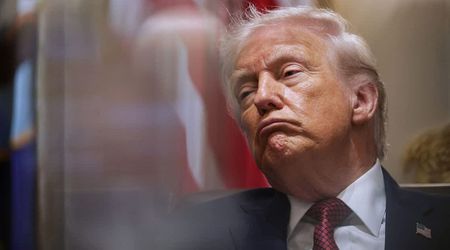
Venezuela's interim "president" Delcy Rodríguez publicly thanked the US for its support.
"We thank US President Donald Trump and his administration, who have been in constant contact with Venezuelan authorities, offering support and solidarity to the people of Venezuela in the face of this tragedy that has plunged us into mourning," she said in a written statement, adding that she had spoken directly with Secretary of State Marco Rubio to coordinate relief efforts.
Agradecemos esta expresión de solidaridad hacia Venezuela en una etapa tan compleja, marcada por el impacto de la catástrofe natural que ha afectado a varias regiones del territorio nacional.
— Delcy Rodríguez (@delcyrodriguezv) June 25, 2026
The State Department has also stood up a Bureau of Disaster and Humanitarian Response and brought back some former USAID staff over the past several months as part of a broader restructuring of how the US delivers foreign aid.
Rubio said last year that USAID had been reaching recipients with only about 12 cents of every dollar spent, citing inefficiencies in the agency's structure, and pledged a more direct, regionally coordinated approach to delivering assistance going forward.
The “interim president” publicly thanking the United States for humanitarian support is particularly notable given that, while she served as vice president for dictator Maduro, she went out of her way to discourage starving Venezuelans from accessing American humanitarian aid, accusing the first Trump administration of injecting food aid with “carcinogens” to kill Venezuelans.