US ties $2B UN aid pledge to reforms, warns agencies to 'adapt, shrink or die'
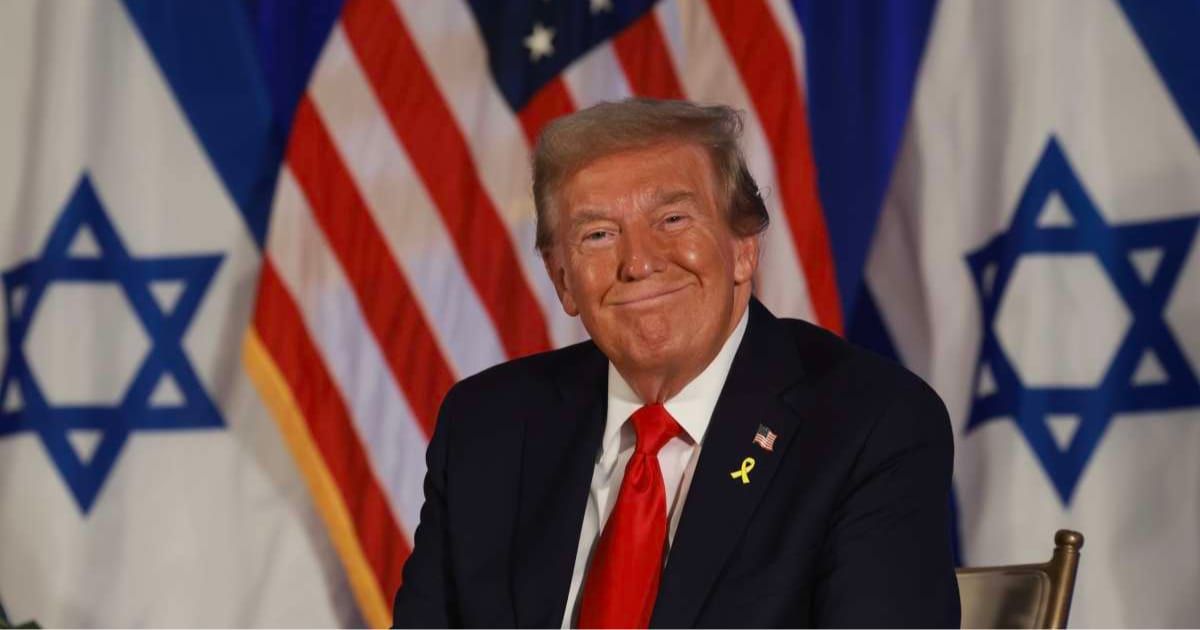
GENEVA, SWITZERLAND: The United States of America, under the Trump administration, announced a $2 billion pledge for the United Nations humanitarian aid on Monday, December 29.
However, the pledge came with conditions, as the US Ambassador Michael Waltz said. He stated that the $2 billion pledge was a “first outlay” to help fund the United Nations Office for the Coordination of Humanitarian Affairs (OCHA).
Waltz also noted that the agreement required the UN to consolidate humanitarian functions to “reduce bureaucratic overhead, unnecessary duplication, and ideological creep.”
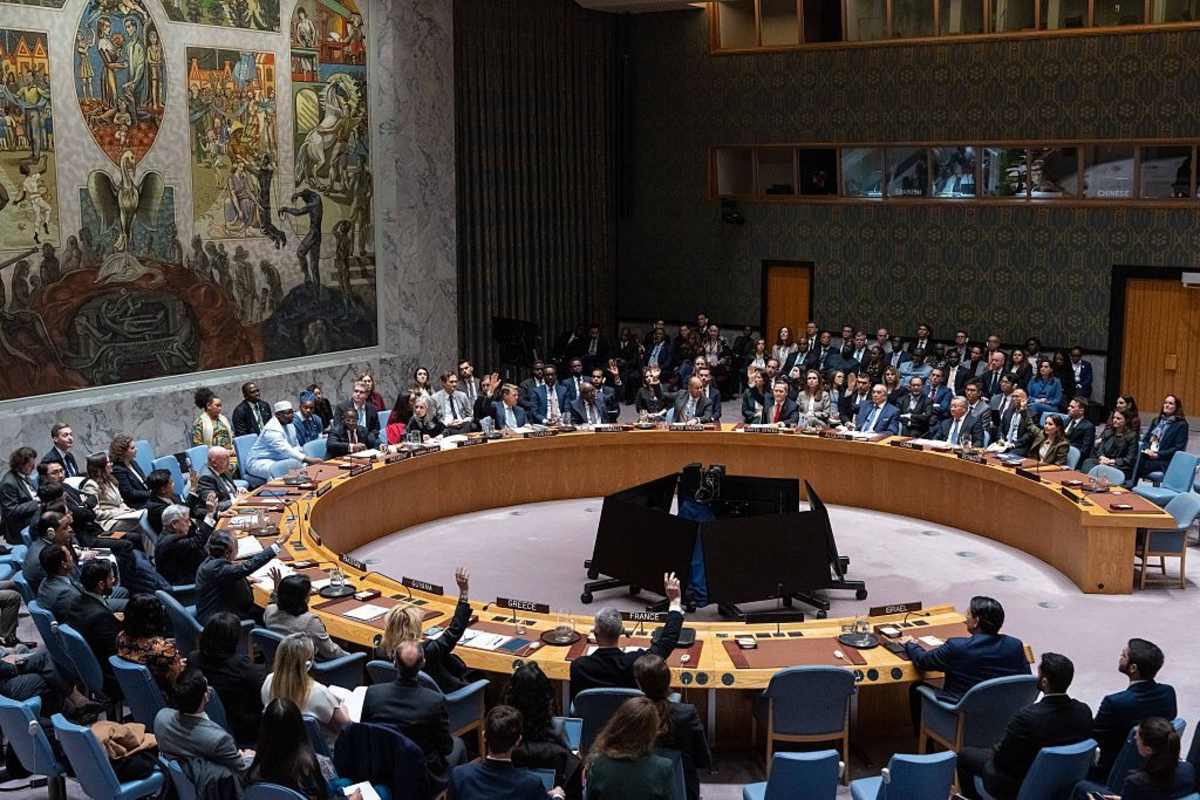
Official claims UN agencies will have to adapt or die
As reported by The Associated Press, America’s pledge took place in a preliminary deal with OCHA, headed by Tom Fletcher.
OCHA wants to set a humanitarian “reset” in motion to increase efficiency, accountability, and effectiveness of the money spent, which would be a funnel for American and any other money aid.
Fletcher commented on the agreement in a statement, noting that they were at a moment of “immense global strain,” and praised America for demonstrating that it was a “humanitarian superpower,” and for offering hope to people who had “lost everything.”
However, America wants to have more of a “consolidated leadership” role in the United Nations delivery systems, and that, under Fletcher’s plan, his office was going to “control the spigot” on how money would be spent, a State Department official said.
He also stated that the $2 billion pledge required the UN to listen to America’s requests and that “individual UN agencies will need to adapt, shrink, or die,” he added.
Michael Waltz also commented on the proposed reset, noting that it would deliver more aid with “fewer tax dollars.”
“Providing more focused, results-driven assistance aligned with the US foreign policy,” he added.
US-UN agreement seen as 'critical step' for reform
The Associated Press further reported that the anonymous department head said that the UN’s humanitarian agencies were some of the organization’s “most critical work.”
He added that the agreement between the UN and America was “a critical step” for those reform efforts.
The source also stated that they needed to balance Donald Trump’s commitment to remain the “world’s most generous” nation with the urgency to “bring reform” in the way they wanted to fund, oversee, and “integrate with UN humanitarian efforts.”