Vance says Iran would need 'billions' to rebuild nuclear program, warns US won't ease pressure
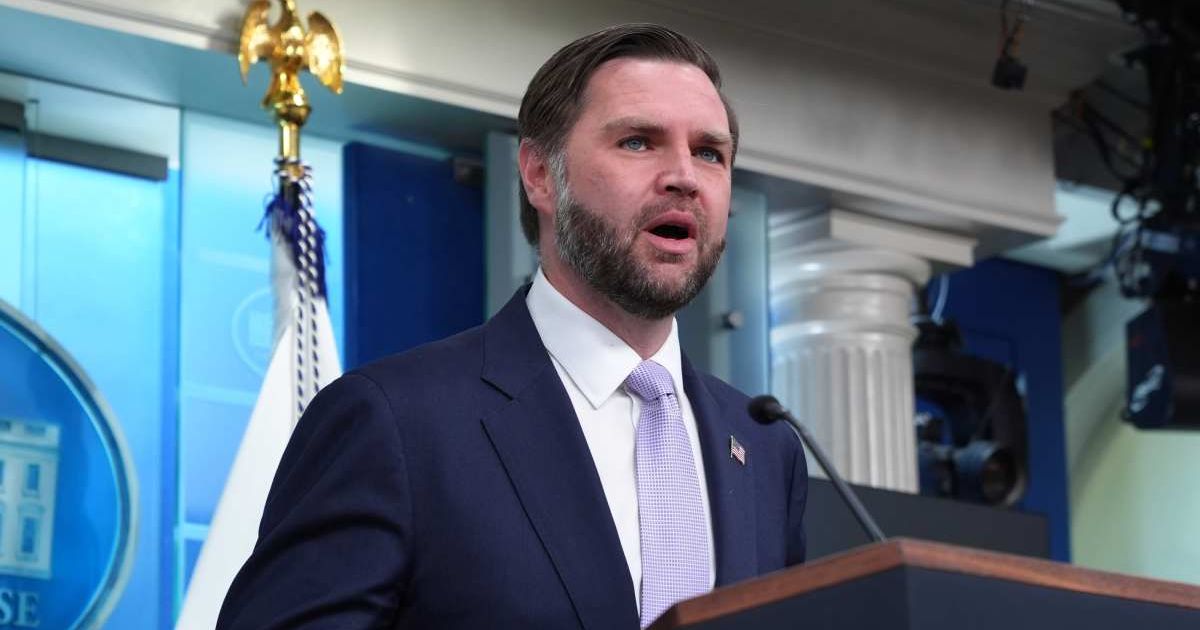
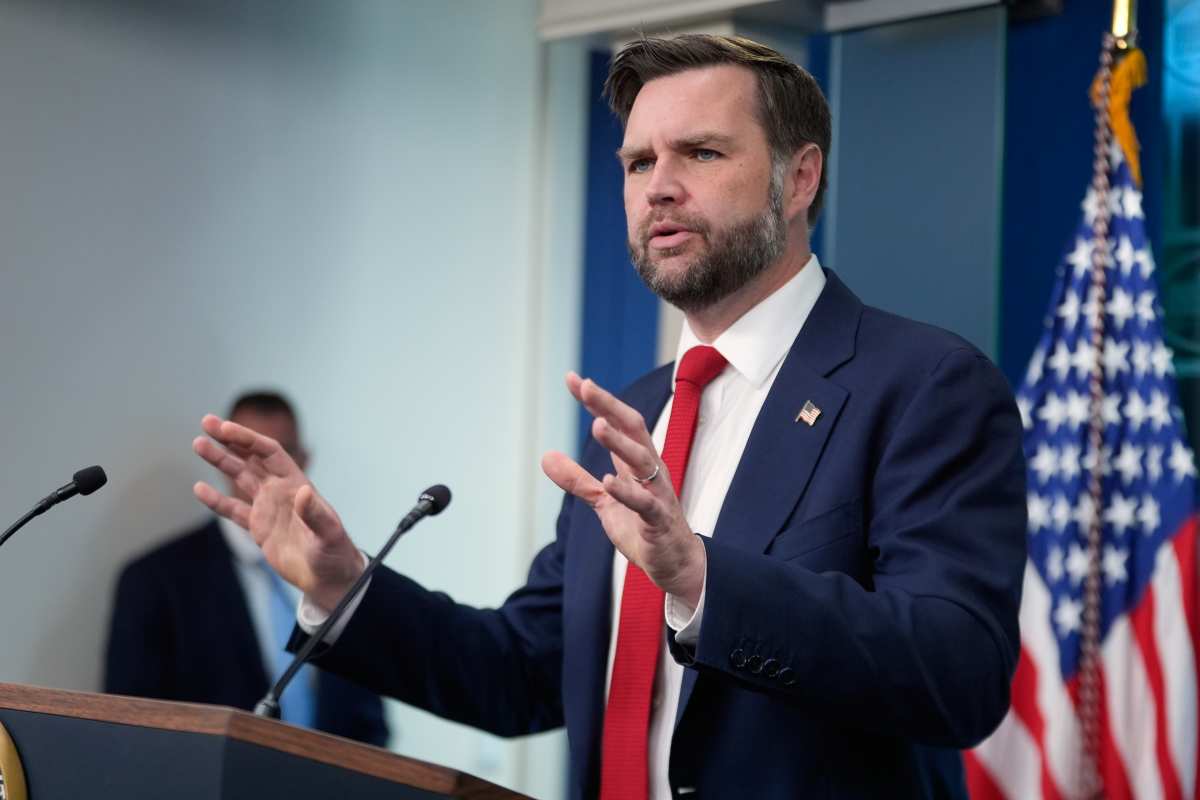
WASHINGTON, DC: Vice President JD Vance on Thursday, June 18, sought to reassure skeptics of the Trump administration's new Iran agreement, arguing that Tehran is in no position to rapidly revive its nuclear program even if it wanted to.
As questions mount over whether the recently signed Memorandum of Understanding does enough to permanently prevent Iran from pursuing nuclear weapons, Vance insisted that the Islamic Republic now faces enormous financial, technical and political obstacles before it could even consider rebuilding what was destroyed during the conflict.
REPORTER: “You were just saying that you’re hoping to steal would prevent Iran in the future from getting a nuclear weapon.”
— Overton (@overton_news) June 18, 2026
“But from what put out there of the MOU, I’m curious, how does the MOU reflect that in the the future Iran will not in fact get nuclear...what’s stopping… pic.twitter.com/x5C3MtdgcA
JD Vance dismisses fears of Iran's nuclear comeback
The vice president's comments came after a reporter pressed him on one of the biggest criticisms surrounding the administration's agreement with Tehran: what prevents Iran from simply rebuilding its nuclear infrastructure once tensions ease?
Rather than pointing solely to the text of the agreement, Vance argued that reality on the ground has fundamentally changed.
“Well, number one, they would have to get a lot of money in order to rebuild the nuclear program,” Vance said.

He emphasized the scale of the damage inflicted during the conflict, claiming Iran's nuclear infrastructure suffered losses worth billions of dollars.
“You’re talking about billions and billions of nuclear infrastructure that the United States destroyed,” he added.
According to Vance, the issue is no longer simply whether Iran wants to restart its program, but whether it has the financial capacity to do so under continued economic restrictions.
'Economic chokehold' remains in place
Vance made it clear that the administration has no intention of offering sanctions relief simply because a preliminary agreement has been reached.
Instead, he said the United States plans to maintain intense economic pressure until Iran demonstrates lasting changes in behavior.
“In order for them to rebuild that program, they would have to get a lot of money and we have them in an economic chokehold right now that we’re not gonna release until they fundamentally change their behavior,” he said.
The remarks suggest the White House views sanctions as one of its most powerful tools for enforcing compliance long after military operations have ended.
While critics argue that Tehran could eventually find alternative funding sources or rebuild over time, Vance portrayed Iran's current economic position as far weaker than many observers assume.
The vice president also outlined what the administration expects to see before any meaningful easing of pressure occurs.
According to Vance, Iran would need to accept a robust international inspection system, submit to enforcement mechanisms and address its stockpile of enriched nuclear material.
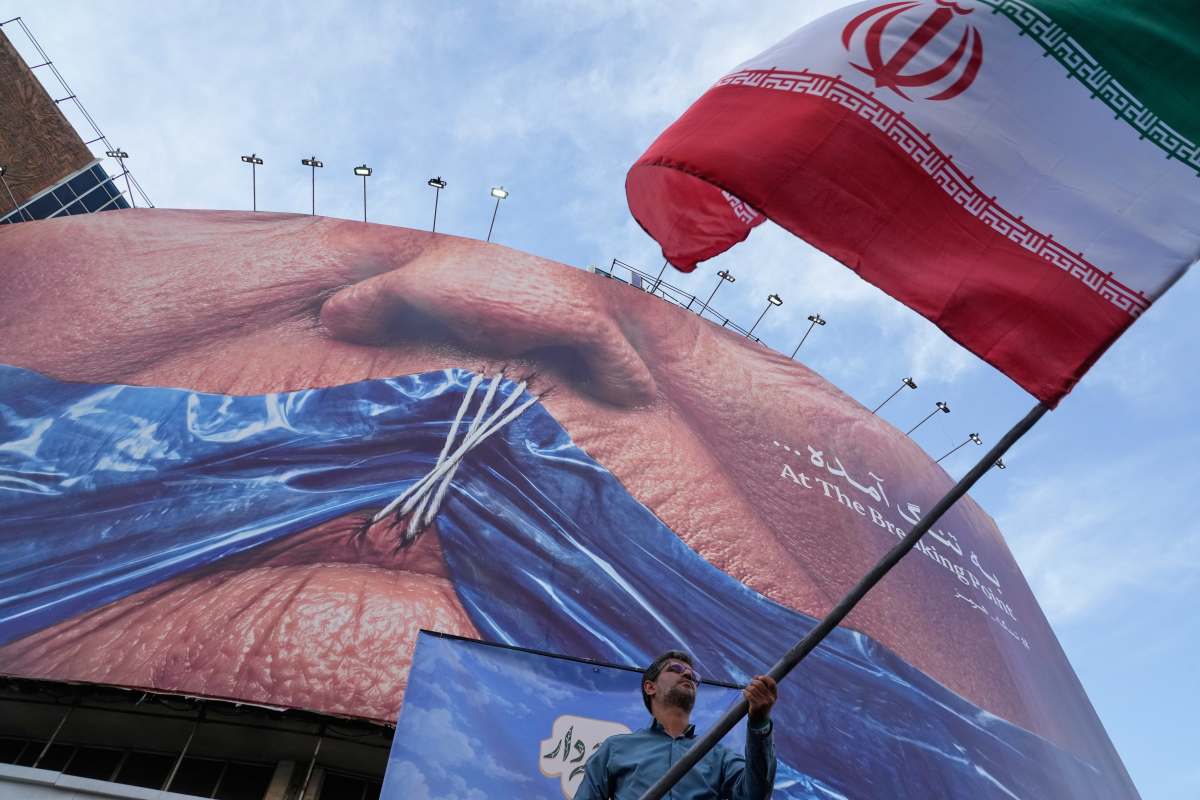
The reassurance comes after Washington and Tehran announced a Memorandum of Understanding intended to halt hostilities and launch a 60-day negotiating process focused on Iran's nuclear activities and broader regional disputes.
According to provisions, Iran reaffirmed that it will not seek or develop nuclear weapons, while both sides agreed to negotiate a framework governing enriched nuclear material and future nuclear activities.