Vance swears in AAG Colin McDonald, says Trump administration targeting fraud
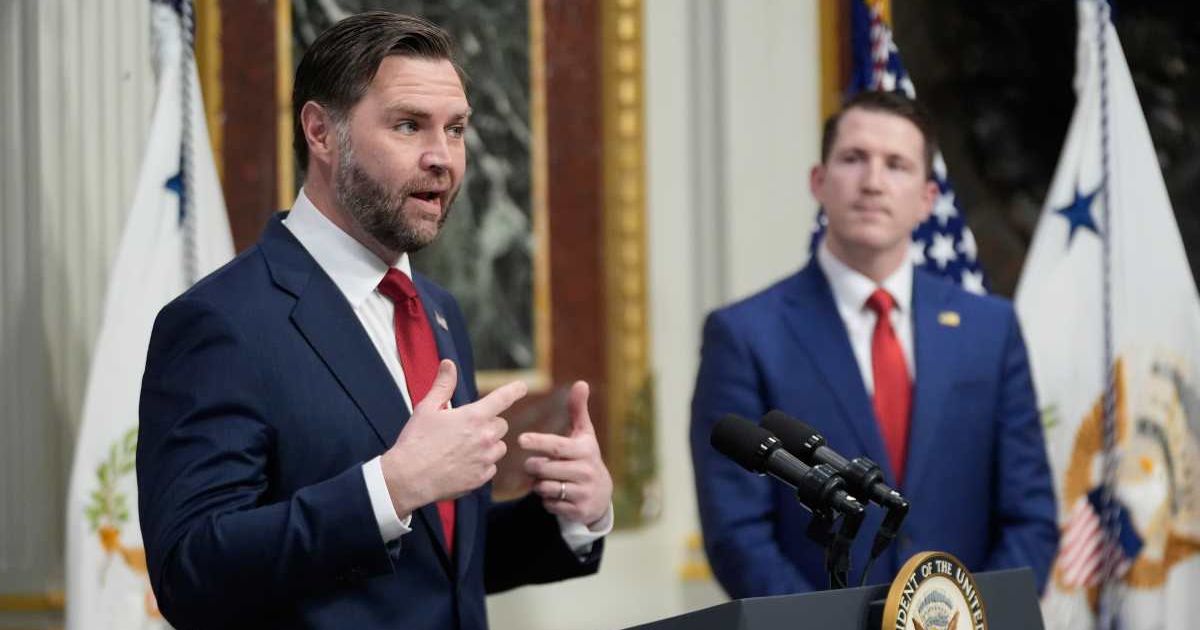
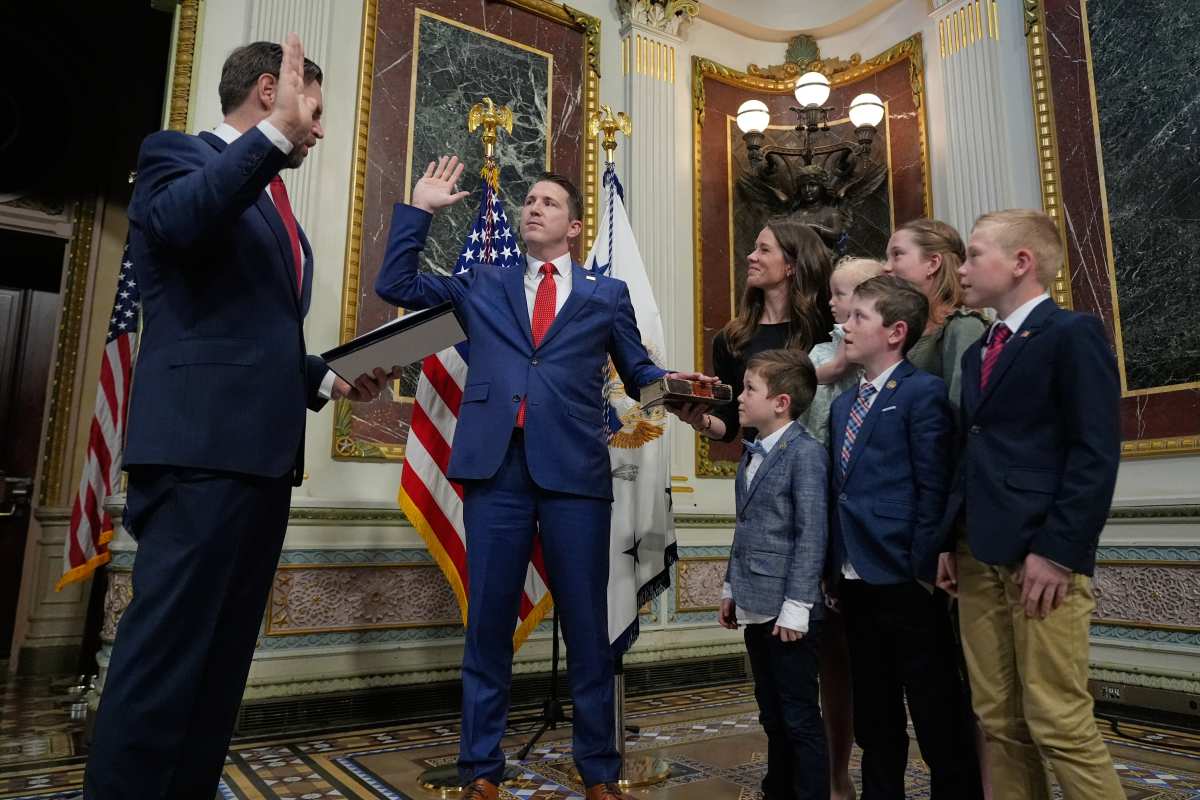
WASHINGTON, DC: Vice President JD Vance on Wednesday, April 1, swore in Colin McDonald as Assistant Attorney General for National Fraud Enforcement, marking the launch of a new Justice Department division focused on combating fraud.
During the ceremony, Vance said the administration aims to expand enforcement efforts to address fraud at all levels.
Officials described the initiative as part of a broader effort to strengthen oversight of taxpayer-funded programs. The appointment comes as the administration outlines a more comprehensive approach to fraud prevention and prosecution.
New DOJ division to target fraud of all scales
Speaking at the swearing-in ceremony, Vance said the creation of the new division reflects a shift toward a more comprehensive enforcement strategy.
He noted that previous approaches had not fully addressed the scope of fraud affecting government programs.
“One of the things that we realized as we started to get into this job of combating fraud is that because the government had never really focused in such a holistic way on eliminating the fraud that's being committed against American taxpayers, we actually needed a new division within the Department of Justice,” Vance said.
.@VP introduces Colin McDonald prior to his swearing-in as Assistant Attorney General for National Fraud Enforcement:
— Rapid Response 47 (@RapidResponse47) April 1, 2026
"One of the things Colin is going to do is make sure that... no fraud is small enough or big enough to look away from." pic.twitter.com/fspyIFmEOV
He emphasized that the division, led by McDonald, will pursue cases regardless of their financial scale. “One of the things Colin is going to do is make sure that no fraud, no matter how big or how small it is, no fraud is small enough or big enough to look away from,” Vance said.
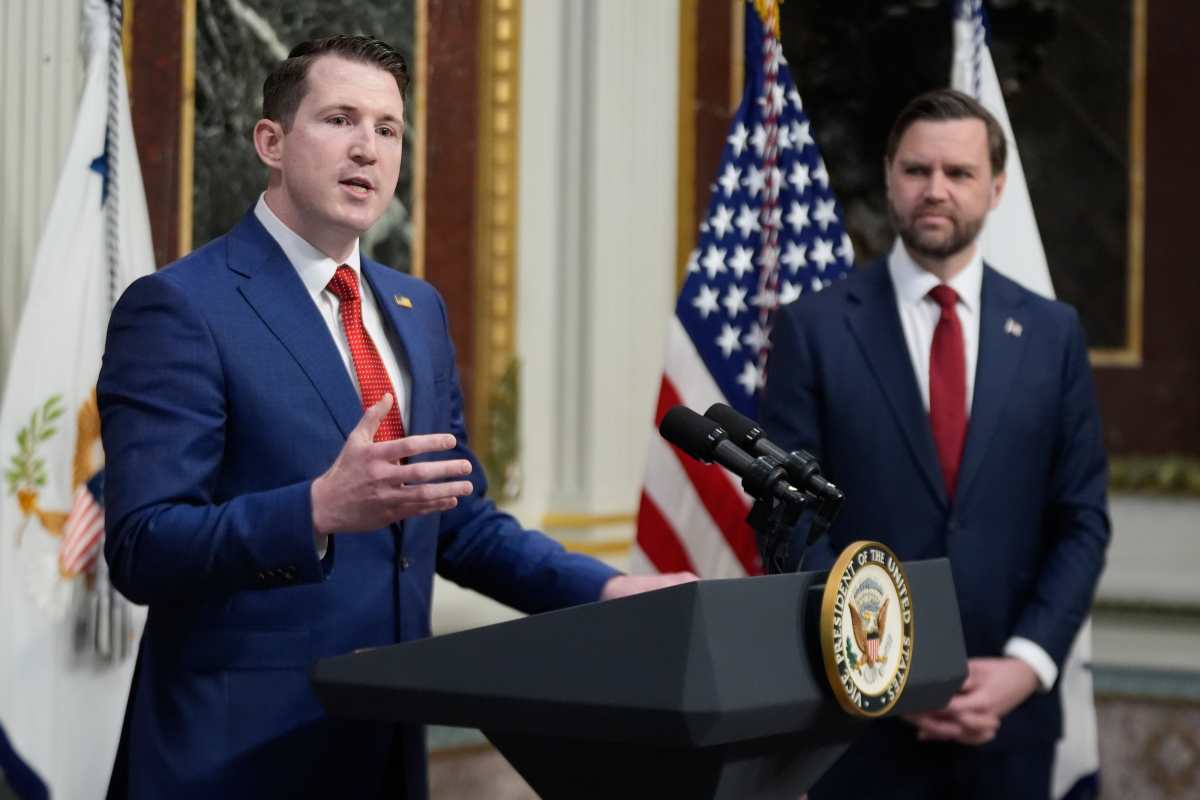
Vance also said the effort is intended to reinforce public confidence in government programs.
He described fraud as a factor that can undermine trust in systems designed to support communities, adding that enforcement is necessary to ensure benefits reach eligible recipients.
.@AFergusonFTC delivers remarks prior to the swearing-in of Colin McDonald as Assistant Attorney General for National Fraud Enforcement:
— Rapid Response 47 (@RapidResponse47) April 1, 2026
"Today we're here to swear in a brilliant prosecutor to restore deterrence, to make sure people are afraid to commit fraud...and to make sure… pic.twitter.com/NRUc9lbDl0
Chair of the Federal Trade Commission, Andrew Ferguson, who also spoke at the event, framed the initiative as a step toward increasing accountability. “Today we're here to swear in a brilliant prosecutor to restore deterrence, to make sure people are afraid to commit fraud...and to make sure that people who do commit fraud go to jail, where they belong,” he said.
Officials outline enforcement priorities and deterrence
McDonald, in his remarks following the swearing-in, said his focus would be on consistent enforcement across all fraud cases. “I will work tirelessly, day after day, to ensure that if someone out there dares to steal your taxpayer dollars, that there might just be a federal prosecutor on the end of that bad decision,” he said.
Colin McDonald, Assistant Attorney General for National Fraud Enforcement:
— Rapid Response 47 (@RapidResponse47) April 1, 2026
"I will work tirelessly, day after day, to ensure that if someone out there dares to steal your taxpayer dollars, that there might just be a federal prosecutor on the end of that bad decision." pic.twitter.com/t16lK1rql6
Vance also indicated that the administration is moving away from what he described as previous thresholds that limited the enforcement of smaller fraud cases.
While he did not provide specific policy details, he suggested that the new approach eliminates distinctions based on the size of the offense.
The vice president said the goal is to increase deterrence by ensuring that individuals committing fraud face consequences regardless of the amount involved.
He added that such measures are intended to protect the integrity of public programs and maintain confidence among taxpayers.