Vance's fraud crackdown blocks $1.4B from hospice and home-care providers
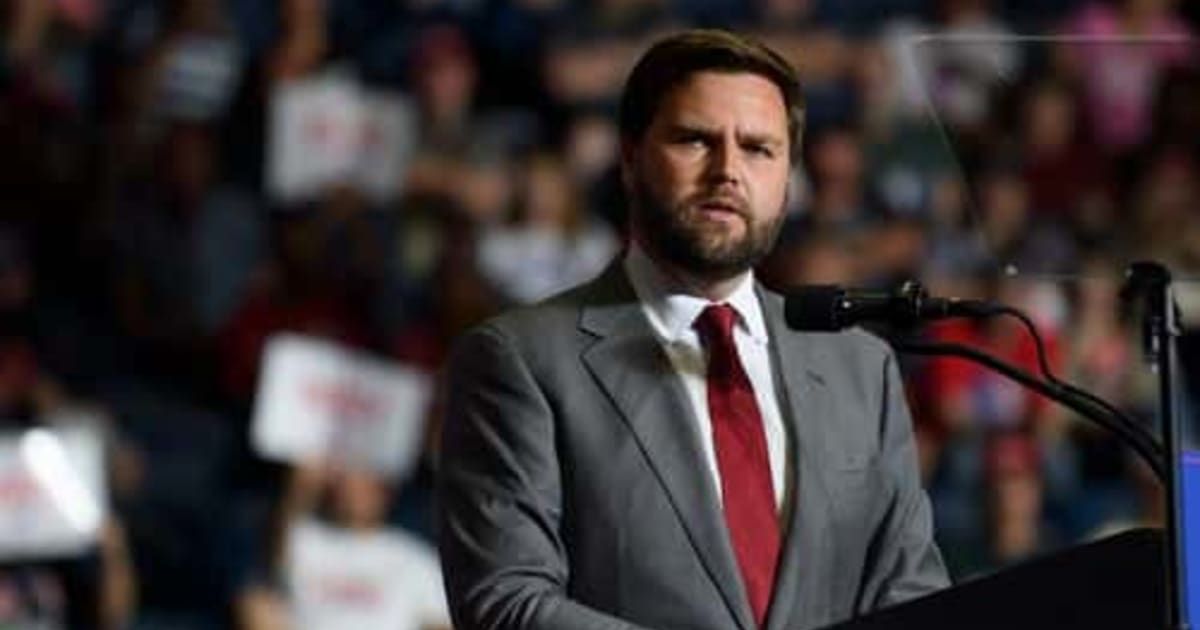
WASHINGTON, DC: A quiet but aggressive fraud sweep inside the Trump administration is now reshaping America’s healthcare payment system, with Vice President JD Vance at the center of a task force that has already stopped more than $1.4 billion in federal healthcare payments.
According to a report by Fox News, the suspended money was headed to hospice centers and home healthcare agencies across the country, providers that investigators now believe may have been billing the government while offering little, questionable, or in some cases no real patient care at all.
.@VP-led task force cuts off $1.4B from home health, hospice providers suspected of fraudhttps://t.co/CPvDVRAhgi
— Rapid Response 47 (@RapidResponse47) May 13, 2026
Payment freeze triggers silence
The latest action grew out of an anti-fraud review involving the Centers for Medicare & Medicaid Services, where analysts reportedly began flagging unusual payment patterns, licensing irregularities, duplicate addresses, and providers that appeared active on paper but difficult to verify in reality.
Once payments were halted, officials expected appeals, documentation requests, or legal pushback.
Instead, many providers simply disappeared.

Administration officials say nearly nine out of 10 suspended providers never contacted CMS after their Medicare payments were frozen, something investigators now view as one of the strongest indicators that many of these businesses may never have been functioning healthcare operations.
A spokesperson for Vance’s office told Fox News that the task force’s mission is to stop taxpayer dollars from flowing into fraudulent systems before the money is gone for good.
California serves as an early warning sign
Federal investigators first began seeing unusually dense clusters of hospice registrations in parts of California, particularly around Los Angeles.
Some addresses reportedly led to strip malls, office parks, retail spaces or buildings that showed no signs of active medical operations.
One healthcare advocate later told lawmakers that in some cases, investigators found mail piling up outside facilities that were supposedly caring for terminally ill patients.

Others, according to officials, existed largely in government paperwork and reimbursement records.
That discovery helped trigger a wider review that eventually expanded into multiple states, including Minnesota, where earlier fraud investigations had already raised concerns about oversight failures in federally funded programs.
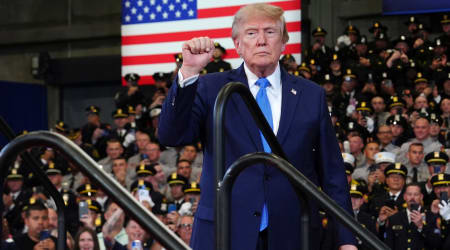
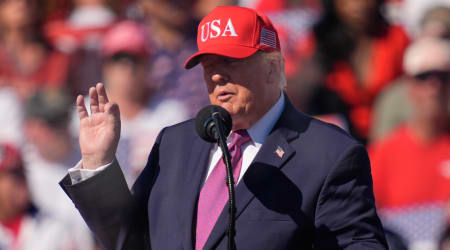
President Donald Trump has repeatedly made fraud prevention a signature message of his second term, framing it as a direct fight to protect taxpayer money.

Within that effort, Vance has increasingly taken on a visible role, particularly in healthcare, where federal officials believe fraudulent operators have exploited weak licensing systems, overwhelmed state regulators, and moved money through shell companies.
For now, the $1.4 billion remains frozen while investigators review provider records, ownership structures, licensing files, and patient documentation.