'We will seize more': Hegseth takes Trump's Iran blockade strategy global as nuclear talks continue
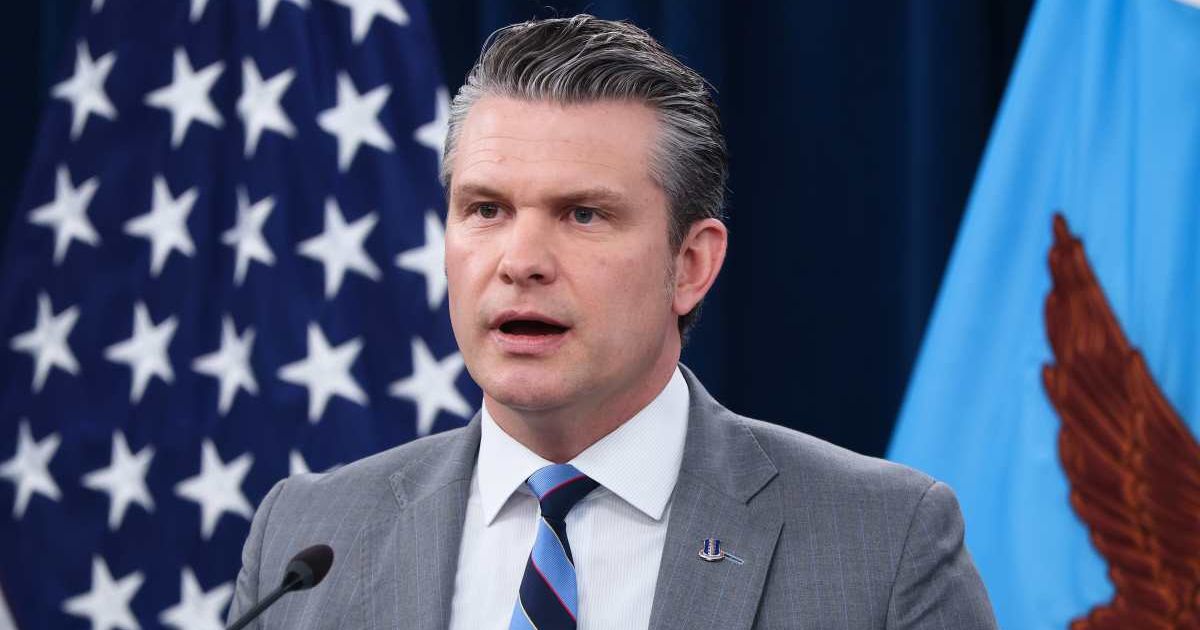
WASHINGTON, DC: President Donald Trump’s pressure campaign on Iran has expanded, with Defense Secretary Pete Hegseth on Friday, April 24, saying a US-led blockade targeting Iranian shipping is now global in scope.
The development comes as Washington continues negotiations with Tehran while maintaining military and economic pressure.
US officials say the strategy aims to limit Iran’s ability to operate commercially at sea. The measures have also prompted renewed debate over the role of US allies in the conflict.
US expands blockade as Pete Hegseth echoes Trump's strategy
Hegseth said the US blockade of Iranian ports and vessels has broadened beyond the Middle East, reflecting an escalation in efforts tied to President Trump’s strategy.
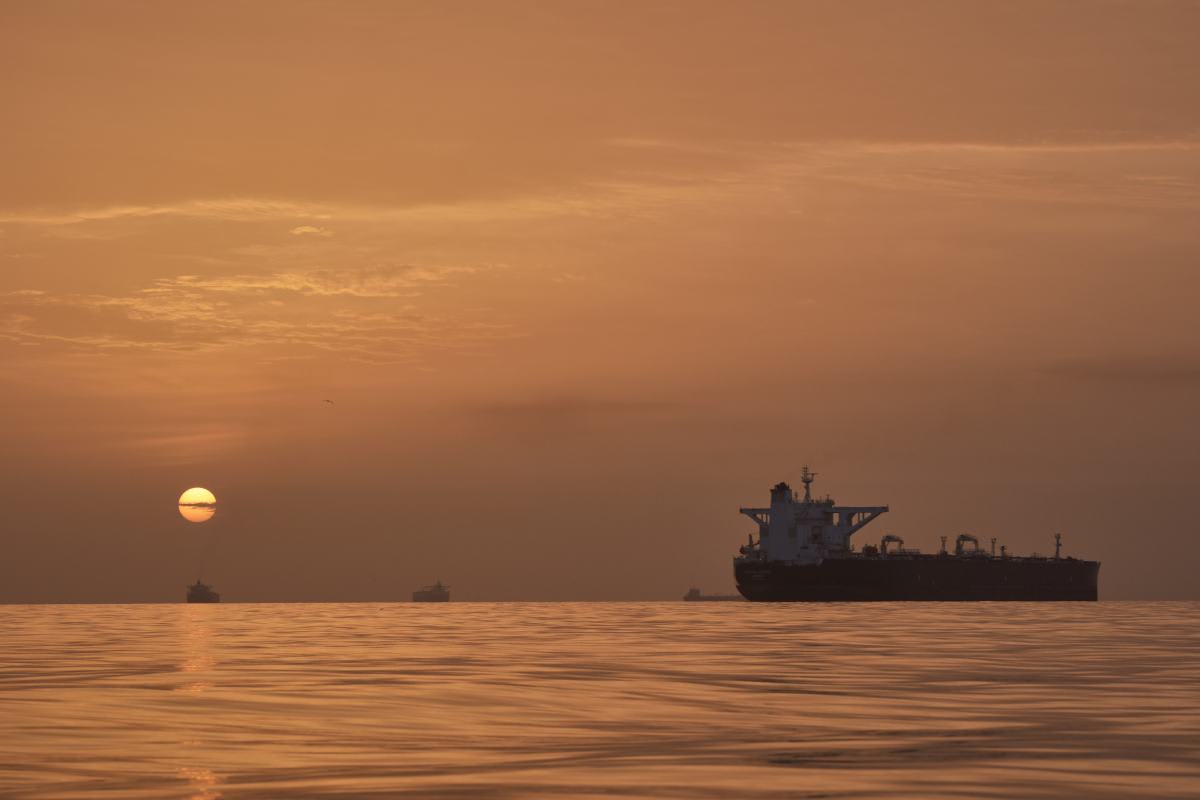
“This growing blockade has also gone global. Just this week, we seized two Iranian dark fleet ships in the Indo-Pacific region that had left Iranian ports before the blockade went into effect,” Hegseth said.
“They thought they'd made it out just in time. They did not. We seized their sanctioned ships, and we will seize more. Our blockade is growing and going global,” he added.
.@SecWar: "Our blockade is only growing and growing global, and as @POTUS said, we have all the time in the world. Iran has a historic chance to make a serious deal, and the ball is in their court. Either way, @DeptofWar stands ready for what comes next, locked and loaded." pic.twitter.com/w8iALf7YUt
— Rapid Response 47 (@RapidResponse47) April 24, 2026
Hegseth added that the number of Iranian ships prevented from exiting the Strait of Hormuz had increased to 34. US officials say the blockade is part of a broader effort to pressure Tehran into negotiations over its nuclear program and regional actions.
The defense secretary reiterated Trump’s position that there is no immediate deadline for a deal.
“Iran knows that they still have an open window to choose wisely. As we said previously, choose wisely at the negotiating table,” he said.
SECWAR Hegseth confirms Iran will never have nukes:
— Paul A. Szypula 🇺🇸 (@Bubblebathgirl) April 24, 2026
“Iran knows that they still have an open window to choose wisely. As we said previously, choose wisely at the negotiating table. All they have to do is abandon a nuclear weapon in meaningful and verifiable ways. Or instead they… pic.twitter.com/9k84tmZIjx
“All they have to do is abandon a nuclear weapon, and in meaningful and verifiable ways. Or instead, they can watch their regime's fragile economic state collapse under the unrelenting pressure of American power. A blockade as long as it takes. Whatever President Trump decides,” Hegseth added.
US urges allies to share burden as Hormuz tensions rise
Hegseth also called on US allies, particularly in Europe and Asia, to take a more active role in securing maritime routes affected by the conflict.
“This should not be America's fight alone. We barely use the Strait of Hormuz as a country. Our energy doesn't flow through there, and we have plenty of energy,” he said. “Europe and Asia have benefited from our protection for decades, but the time for free riding is over.”
BREAKING: Secretary of War Pete Hegseth calls out America's allies: "The time for free riding is over."
— Fox News (@FoxNews) April 24, 2026
"America and the free world deserve allies who are capable, who are loyal, and who understand that being an ally is not a one way street."
"We barely use the Strait of Hormuz… pic.twitter.com/o2fCGDq6kP
He added that allies should contribute more directly to efforts in the region. “America and the free world deserve allies who are capable, who are loyal, and who understand that being an ally is not a one-way street. It's a two-way street,” Hegseth said.
“We are not counting on Europe, but they need the Strait of Hormuz much more than we do and might want to start doing less talking and having less fancy conferences in Europe and getting on a boat. This is much more their fight than ours.”
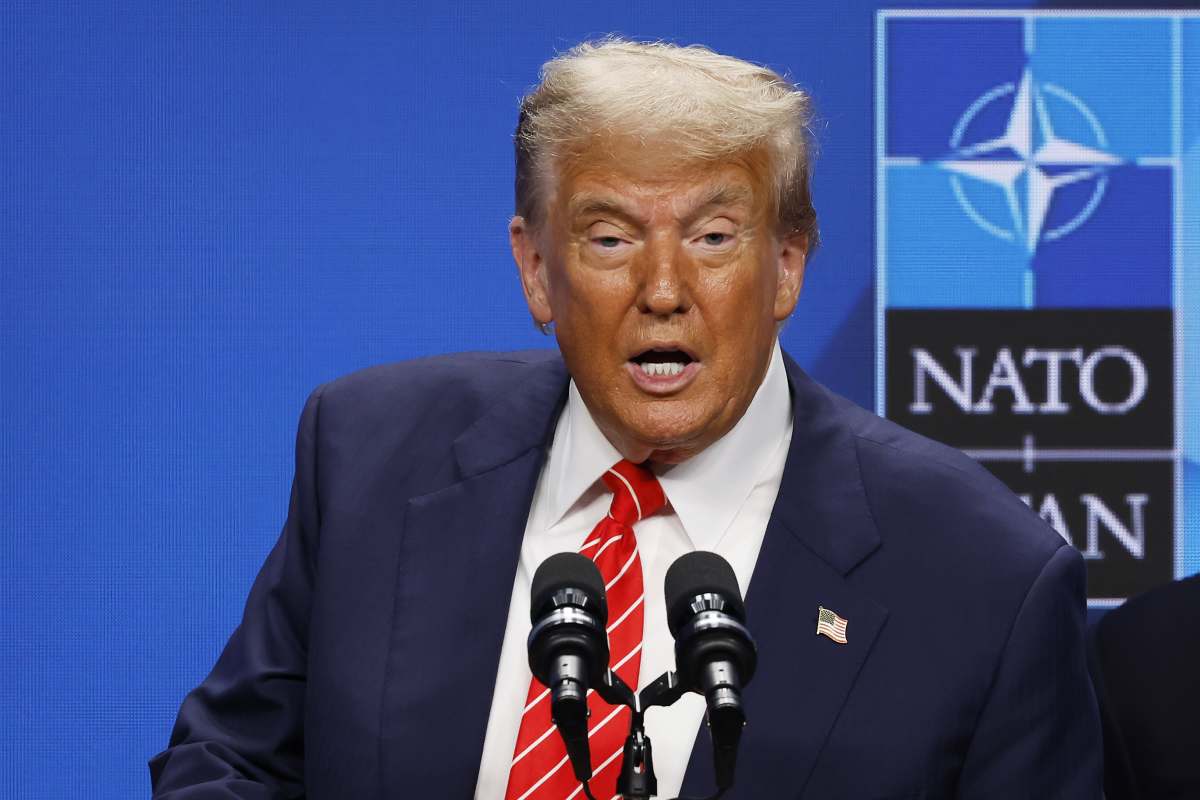
The comments reflect broader criticism from the Trump administration regarding allied burden-sharing, particularly within NATO.
Trump has previously said the United States does not “need any help actually,” while also urging other countries to contribute naval assets to protect shipping lanes.