What are Americans searching ahead of 2026 midterms? Google Trends reveals key questions
WASHINGTON, DC: Americans are turning to Google to find answers about the 2026 midterm elections, with search trends offering a glimpse into the questions catching voters' attention. Senate races, voter registration and voting boundaries are among the topics emerging in the search data.
With Election Day scheduled for November 3, the trends offer a different way to look at the political contest, showing what people want to know rather than focusing only on candidates and campaign messages.
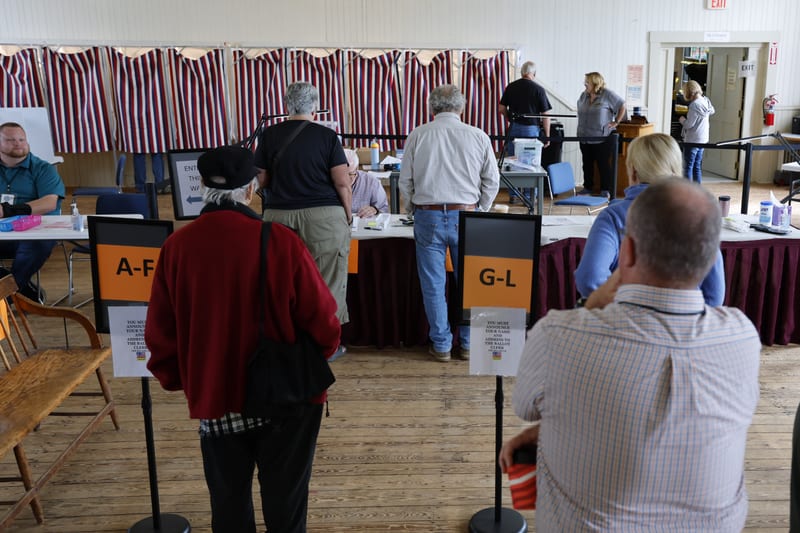
Google Trends shows growing interest in the 2026 US midterm elections
The 2026 midterms are already among the three most-searched midterm elections in Google Trends history, according to the election search data discussed in the Google Trends report.
The level of interest offers a timely snapshot of the questions surrounding this year's election. Instead of looking only at campaign coverage, search trends allow readers to see which parts of the electoral process are drawing attention from people seeking information online.
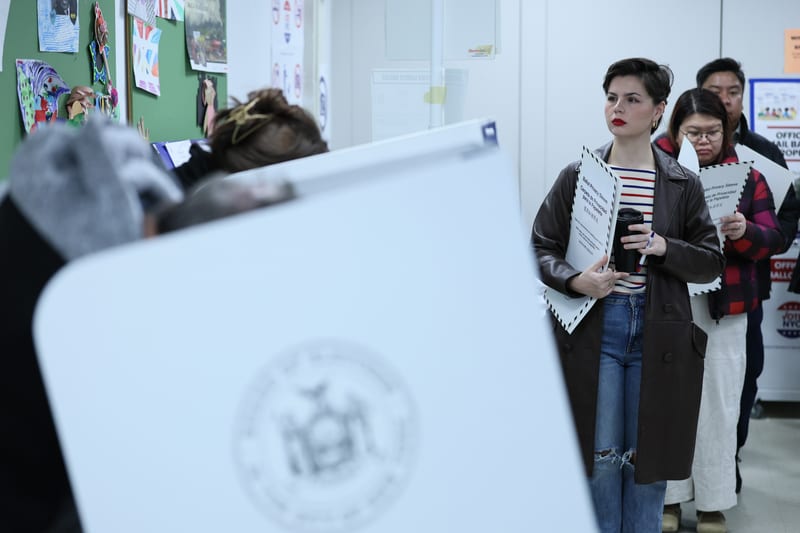
One notable finding concerns the difference between searches for Senate and House elections. Over the past month, searches for Senate elections have been four times higher than searches for House elections.
Both chambers of Congress are part of the midterm election, but the search figures suggest that Senate races are attracting greater online attention during the period measured.
The figures do not explain why people are searching for one type of race more than another. They do, however, provide a useful starting point for examining how Americans are following the election and which parts of the contest have caught their interest.
Voter registration searches highlight practical questions ahead of Election Day
While the Senate figures offer a political angle, voter registration searches point to a more practical concern. The query "How do I register to vote?" has emerged as a breakout search, placing attention on a basic question that could matter to people preparing to participate in the election.
For potential voters, knowing how to register can be an important first step. Observing the search trend gives an opportunity to look beyond the candidates and explain why access to clear voting information matters in the lead-up to Election Day.
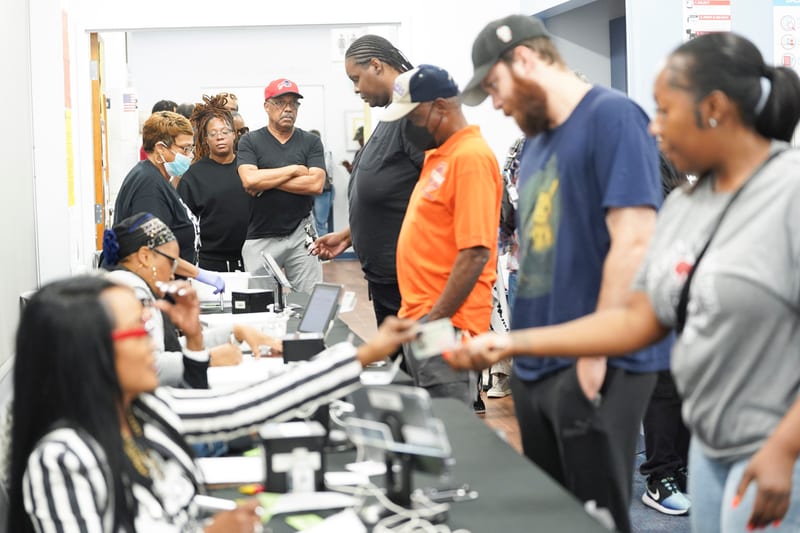
It also makes the topic relevant to readers who may not follow congressional races closely. Someone trying to understand the election might first need answers about the voting process before deciding which candidates or issues to follow.
Missouri voting boundaries emerge among the election-related searches
Voting boundaries are another area appearing in the search trends. The phrase "Missouri voting boundaries" is one example of a specific query attracting attention.
Unlike a general search about the midterms, this query points to an interest in understanding how voting areas are defined. It adds a local dimension to a national election story and helps show that people are not necessarily looking for the same information everywhere.
The search also creates an opportunity to explain how interest in election rules can form part of the wider conversation before Election Day. Some people may be focused on Senate races, while others are trying to understand the practical details of voting in a particular place.
Still, the available trend alone does not establish why people are searching for Missouri voting boundaries or what they think about them.
What US midterm election search trends can and cannot tell us
The search trends provide a fresh way to examine the 2026 midterms, but they need to be understood in context. Google searches reflect the subjects people are looking up online. They do not necessarily show which candidates those people support, how they will vote or whether they will vote at all.
The difference matters because online curiosity and political choices are not the same thing. Someone searching for Senate elections may be following a particular race, trying to understand the role of the Senate or simply looking for general election information. The search figure by itself cannot tell us which explanation applies.
The same caution applies to searches about voter registration and voting boundaries. These queries identify subjects people want to know more about, but they cannot independently establish what action a person will take or what political views they hold.
Even with those limits, the findings offer a useful lens through which to examine the election. The gap between searches for Senate and House races gives readers a clear numerical comparison, while voter registration and Missouri voting boundaries provide examples of the practical questions appearing alongside larger political interest.