White House usher claims every president, Trump included, sought larger areas for hosting events

WASHINGTON, DC: President Donald Trump is not the first occupant of the White House to want more room for hosting official events, according to Gary Walters, the longest-serving chief usher in the executive residence’s history.
Walters discussed the issue in an interview with The Associated Press, published on Wednesday, December 31, tied to the release of his recent memoir, 'White House Memories 1970-2007: Recollections of the Longest-Serving Chief Usher'
Walters, who served presidents from Ronald Reagan through George W Bush, said that concerns about limited entertaining space had been raised by multiple administrations.
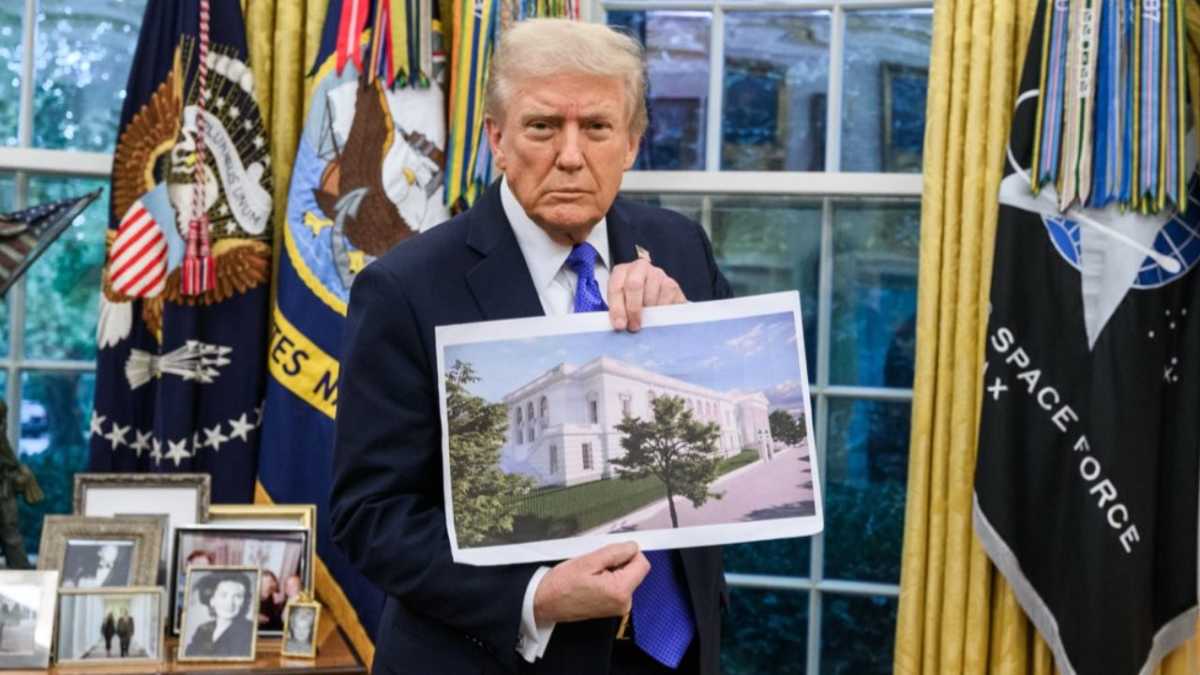
His comments come as Trump moves forward with plans to construct a large ballroom on the White House grounds.
Trump: I'm doing a magnificent, big, beautiful ballroom… we're under budget and ahead of schedule. Now. It's bigger than I told you…after realizing we're going to do the inauguration in that building pic.twitter.com/IMrQONqJM9
— Acyn (@Acyn) December 29, 2025
Presidents long frustrated by White House limits
Walters, who spent more than two decades as the White House chief usher, said space constraints were a recurring issue during presidential transitions.
The role of chief usher functions as a general manager of the executive residence, overseeing operations, maintenance and major projects.
According to Walters, discussions about entertaining capacity were among the first topics raised with incoming presidents, first ladies and their social secretaries.
"All the presidents that I had an opportunity to serve always talked about some possibility of an enlarged area for entertaining," Walters said.

Trump has cited similar concerns in justifying his long-standing proposal to build a White House ballroom.
In July, the White House announced plans for a 90,000-square-foot structure on the east side of the complex that would seat 650 guests at an estimated cost of $200 million.
Trump said that the project would be funded through private donations, including his own. The proposed capacity was later increased to 999 people, and by October, the two-story East Wing was demolished to make way for the construction.
In December, the projected cost reportedly rose to $400 million.
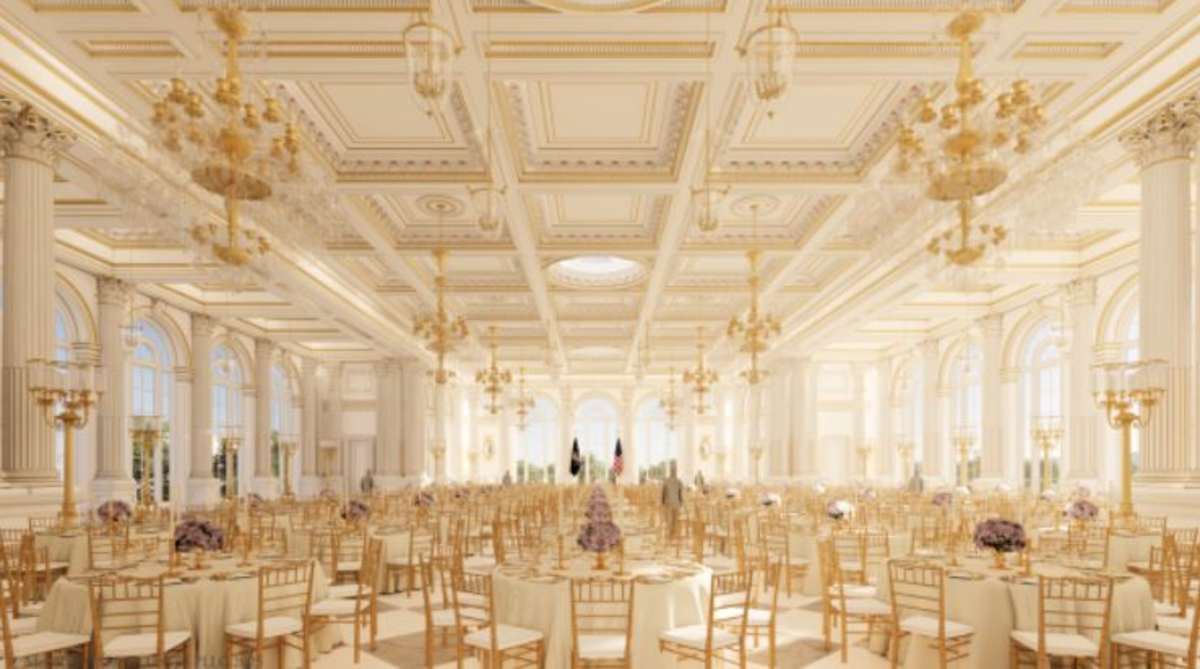
Trump has frequently complained that existing spaces are inadequate for large-scale events.
Walters explained that when set up for a state dinner, the State Dining Room can seat about 130 guests, while the East Room can accommodate roughly 300 chairs, fewer if television equipment is required.
Large outdoor tents have often been used as a workaround, but Walters said that those posed challenges.
“When it rained, the water flows downhill and the grass became soggy, no matter what we tried to do,” Walters said.
A long history of renovations at the White House
While images of the East Wing’s demolition sparked criticism from historians and preservationists, Walters said that construction has long been part of the White House’s evolution.
He pointed to earlier changes, including the removal of conservatories, greenhouses and stables to build the West Wing in 1902, the addition of a third floor to the residence, and the construction of the East Wing during World War II.
“So there's always been construction going on around the White House,” Walters said.

Walters acknowledged that the demolition was personally difficult, noting that he met his wife, Barbara, while working in the East Wing.
“I met my wife at the White House and she worked in the East Wing, so that was a joy for me,” he said. The couple recently celebrated 48 years of marriage.