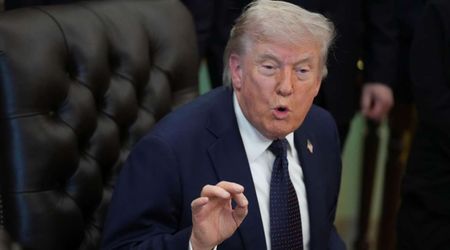
Why Iran chose to strike first after Trump paused US attacks, risking a fresh Middle East escalation
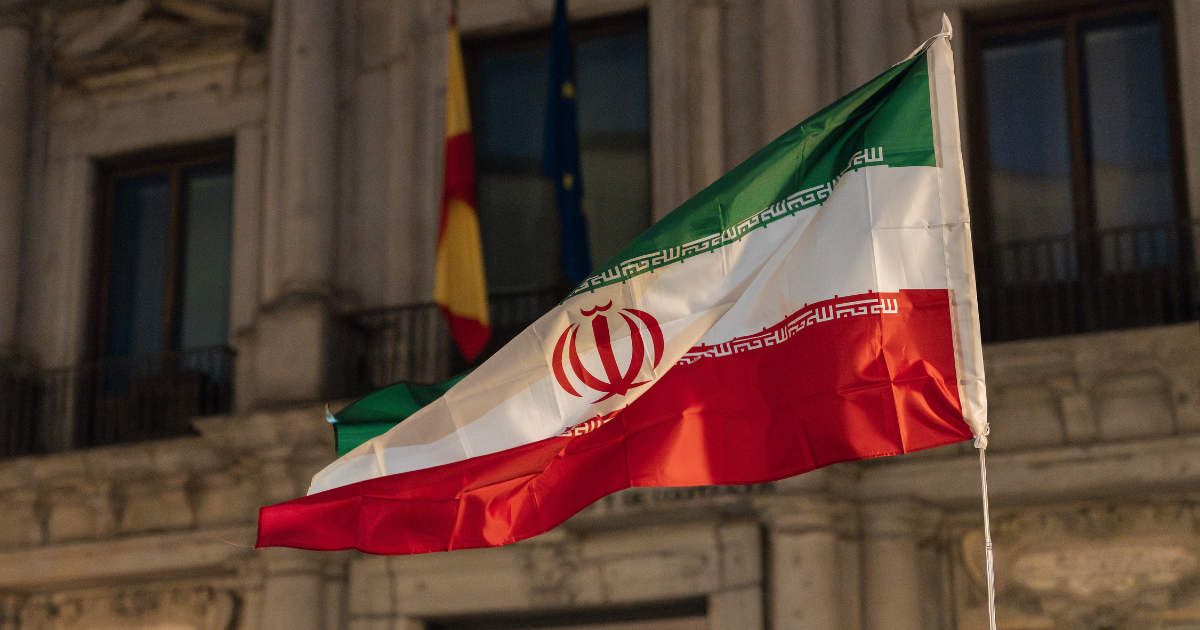
WASHINGTON, DC: A brief pause in fighting between the United States and Iran has come to an abrupt end after Tehran launched what American officials described as a "surprise" attack on US military installations in Jordan, raising fresh fears of a wider conflict in the Middle East.
On Wednesday, July 29, President Donald Trump responded with a sharp warning, promising a strong military response, while analysts suggested Iran's decision reflected a major shift in how it plans to fight the war.
This is the first time #Iran has initiated an attack without a preceding strike by the United States or Israel. In that sense, the attack appears to have been a signal related to Netanyahu’s visit to the White House earlier in the day.
— Hamidreza Azizi (@HamidRezaAz) July 28, 2026
It suggests that Iran’s military strategy… https://t.co/WAv9IcVooB
Iran appears to have changed its military strategy
The renewed fighting came after days of relative calm, during which Trump said Iran had requested a pause because "they asked us very nicely" and wanted negotiations.
Although a senior Iranian official later said the country's armed forces had also decided not to take military action, Tehran never publicly committed to a ceasefire. Hours after signaling restraint, Iran targeted American forces, ending the lull.
"Something appears to have changed fundamentally in Iran's approach, particularly regarding its willingness to initiate a strike if it considers that to be the only viable option," Hamid Reza Azizi, a researcher at the German Institute for International and Security Affairs, wrote on X (formerly Twitter).
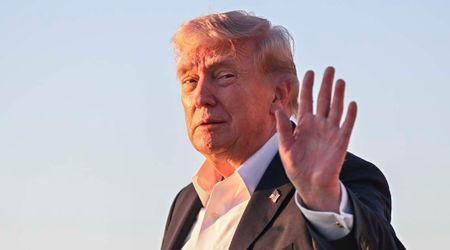
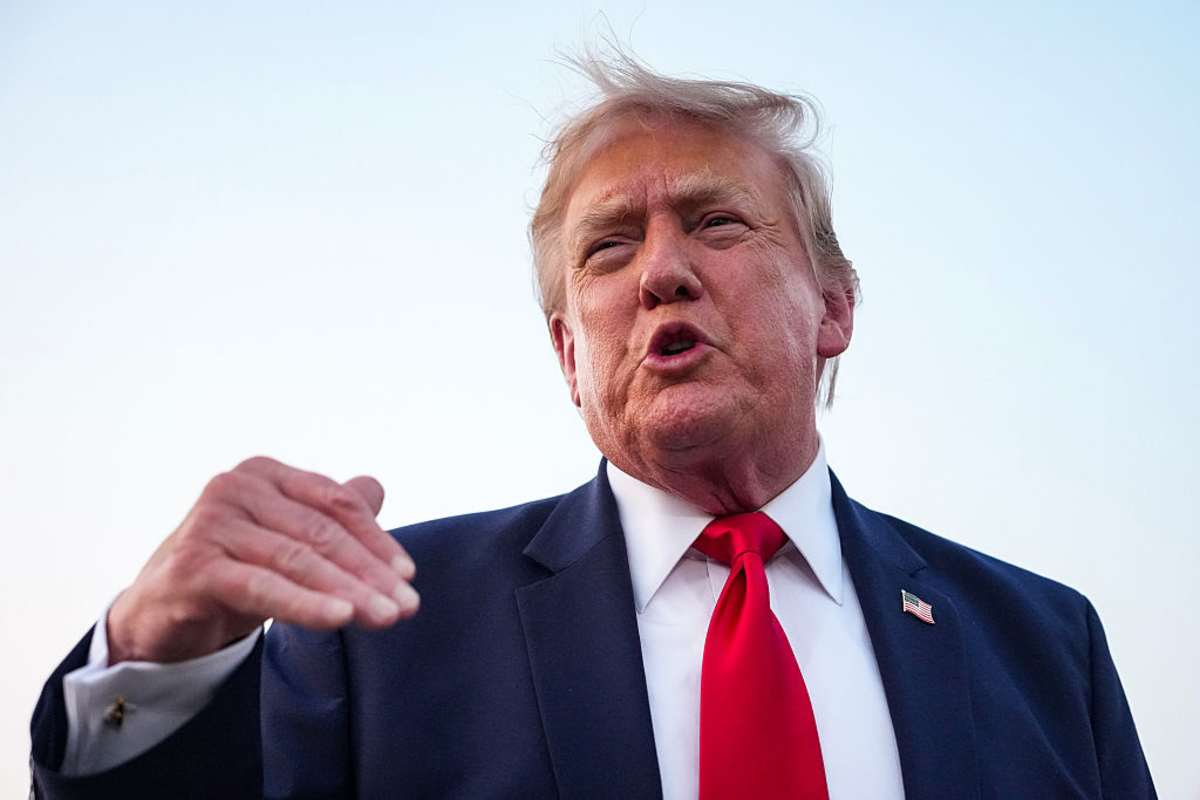
Trump reacted with an explicit warning during an interview with Fox News.
"We are going to beat the f**king sh*t out of them," he said. "We'll be hitting them hard. They're going to get a beating."
Fox correspondent: "President Trump tells Fox News about Iran, 'We are going to beat the f**king s**t out of them.' He went on to say, 'We'll be hitting them hard. They're going to get a beating.'" pic.twitter.com/IPX0VgP9dj
— Aaron Rupar (@atrupar) July 29, 2026
Netanyahu meeting and Strait of Hormuz emerge as key factors
According to Azizi, the timing of Iran's attack may not have been accidental.
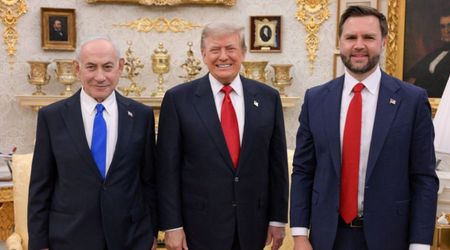
The strike came shortly after Israeli Prime Minister Benjamin Netanyahu met Trump in Washington, with Netanyahu describing it as "one of the best conversations" the two leaders had shared despite recent tensions.
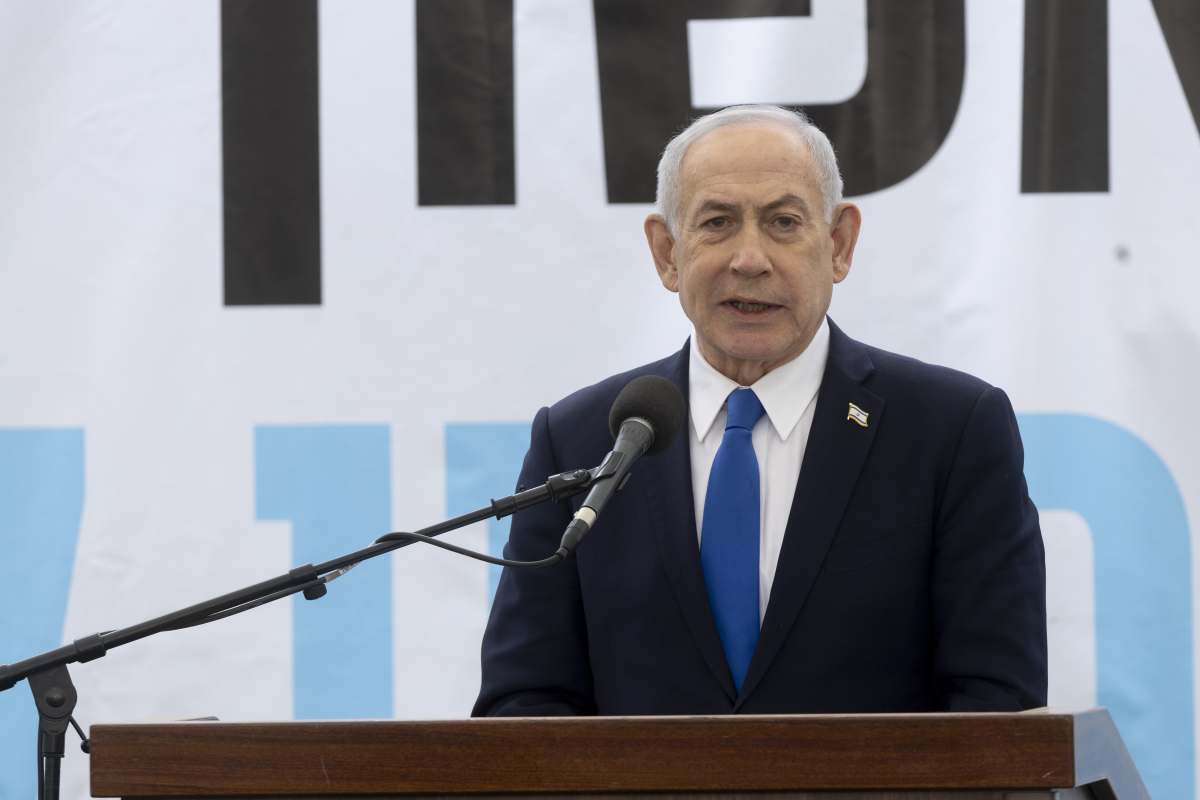
Earlier that day, Israeli Defense Minister Israel Katz said Israel had wanted to strike Iranian energy infrastructure but had been held back by the Trump administration.
Azizi suggested the attack may have been intended as a signal following the White House meeting and reflected Tehran's growing willingness to launch preemptive strikes if it believed a larger attack was coming.
Iranian Deputy Foreign Minister Kazem Gharibabadi also pointed to another reason behind Tehran's decision.
In an interview with Iranian state television, he said Iran would not hesitate to resume hostilities if its claim over the Strait of Hormuz was challenged.
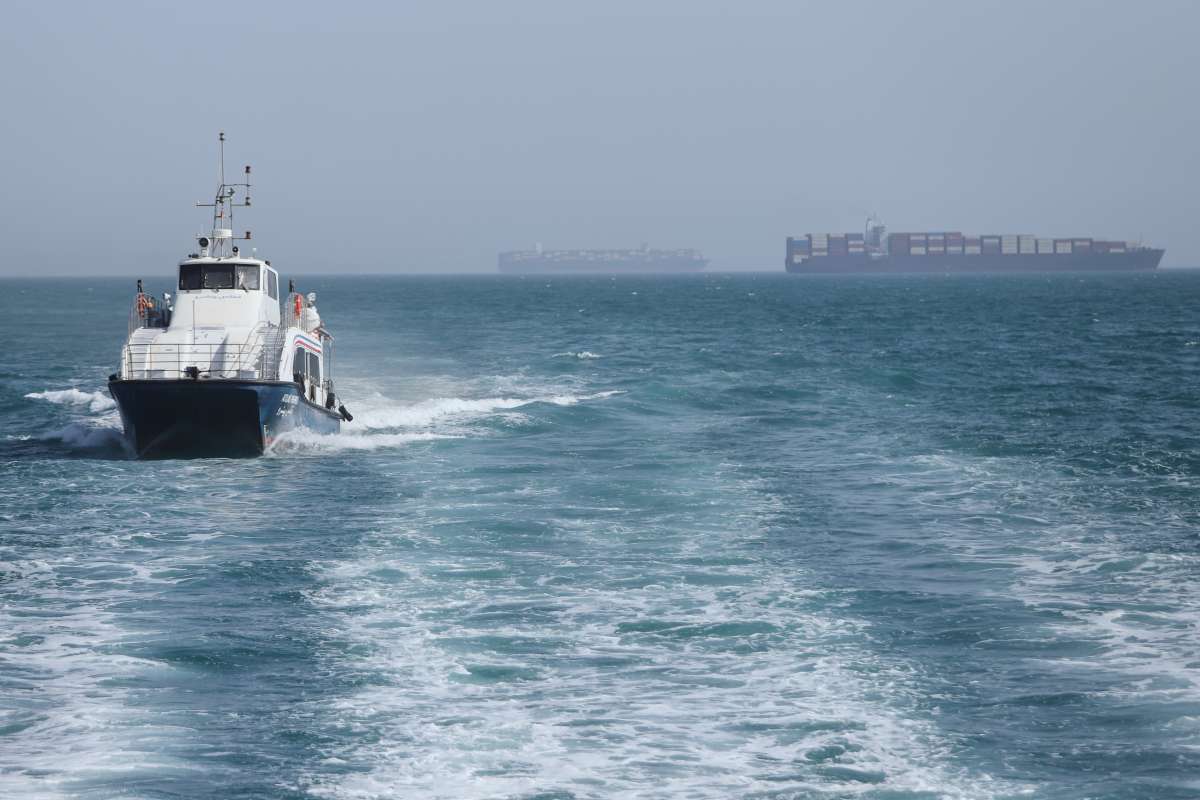
He argued that proposed shipping arrangements backed by Oman and the United States crossed one of Tehran's red lines because they could weaken Iran's control over the strategic waterway.
Conflict widens as regional tensions deepen
The escalation quickly spread beyond Iran and the US.
Shortly after the attack in Jordan, US and Saudi forces struck Iran-backed militias in Iraq.
US Central Command (CENTCOM) said the operation was linked to more than 30 drone attacks targeting American forces and Saudi energy infrastructure over the previous 72 hours.
Danny Citrinowicz, a senior researcher at Israel's Institute for National Security Studies, argued that Tehran now views Washington's earlier pause as "strategic weakness rather than restraint," increasing the risk that both sides will continue escalating rather than back down.
He warned that the US and its regional partners now face a difficult choice: accommodate some of Iran's demands or prepare for a longer conflict marked by continued attacks on shipping routes, energy infrastructure and regional trade.