‘Alive to negotiate’ Trump warns ‘cardless’ Iran as Pakistan talks begin
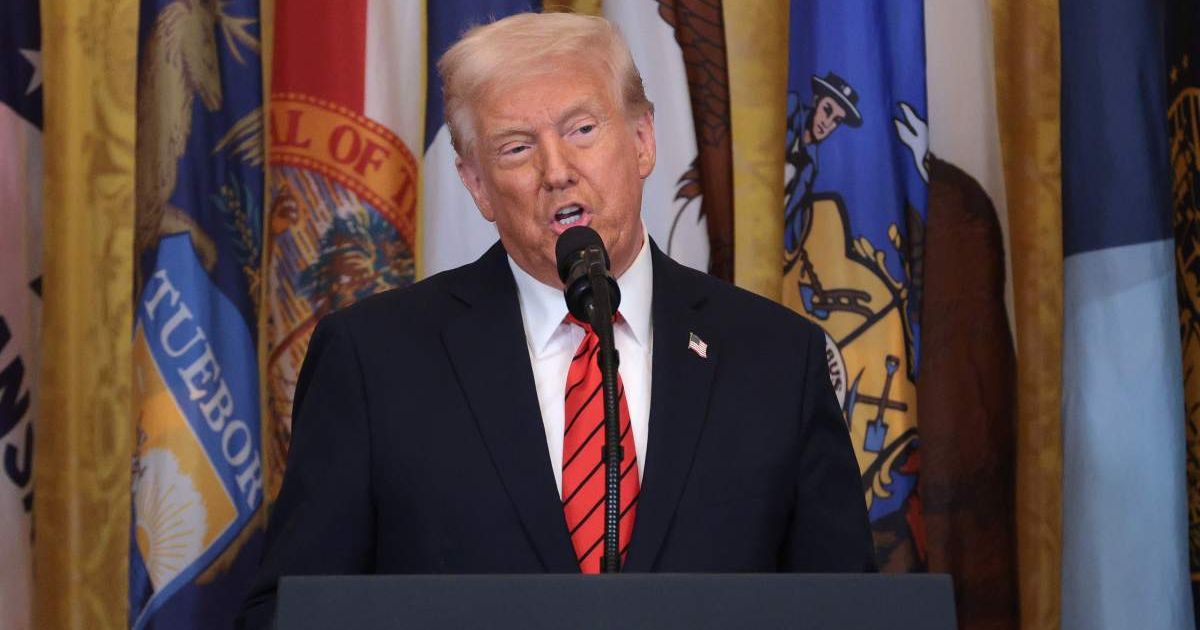
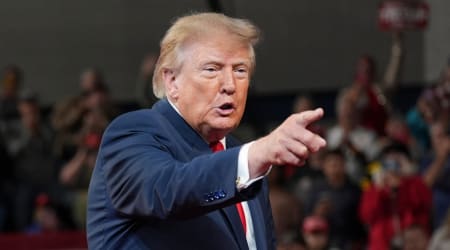
WASHINGTON, DC: President Donald J. Trump on Friday, April 10, delivered a sharp warning to Iran’s leadership, stating that ongoing diplomatic engagement is the reason the regime remains “alive today,” as preparations continue for Pakistan-mediated talks in Islamabad on Saturday, April 11.
The remarks come as a fragile two-week ceasefire holds following more than a month of conflict under “Operation Epic Fury.”
"The Iranians don’t seem to realize they have no cards..." - President Donald J. Trump pic.twitter.com/6he3qjeN1N
— The White House (@WhiteHouse) April 10, 2026
In a Truth Social post, Trump said Iran “has no cards,” signaling a hardened stance ahead of negotiations.
While confirming that military operations are currently paused, the President indicated that US forces remain on standby, with additional deployments and preparations underway should talks collapse.
The administration has tied the ceasefire to progress on a broader “15-point” framework under discussion through backchannel diplomacy.
Extortion of international waterways and global energy
A central focus of the standoff remains the Strait of Hormuz, a critical maritime route through which roughly one-fifth of global oil supply passes.
During the conflict, Iran imposed restrictions on vessel movement in the region, contributing to volatility in global energy markets.

Trump characterized those actions as “extortion,” reiterating that any agreement must include the “complete, immediate, and safe opening” of the waterway.
US officials have maintained that freedom of navigation is a non-negotiable condition in the ongoing talks
Military assessments cited by the administration suggest that Iranian naval and air capabilities have been significantly degraded during the conflict.
However, independent verification of those claims remains limited.
The White House has made clear that any renewed disruption in Hormuz during the ceasefire window would prompt a swift response.
Trump slams ‘Fraudsters’ and Iranian public relations
Alongside military messaging, Trump also criticized Iranian public communications, accusing Tehran of promoting narratives that do not align with the ongoing negotiations.
In his post, he described some publicly circulated proposals as “fake” and dismissed them as inconsistent with what US officials are discussing through diplomatic channels.
Iranian state media has published elements of a proposed framework that includes conditions such as sanctions relief and recognition of nuclear rights.
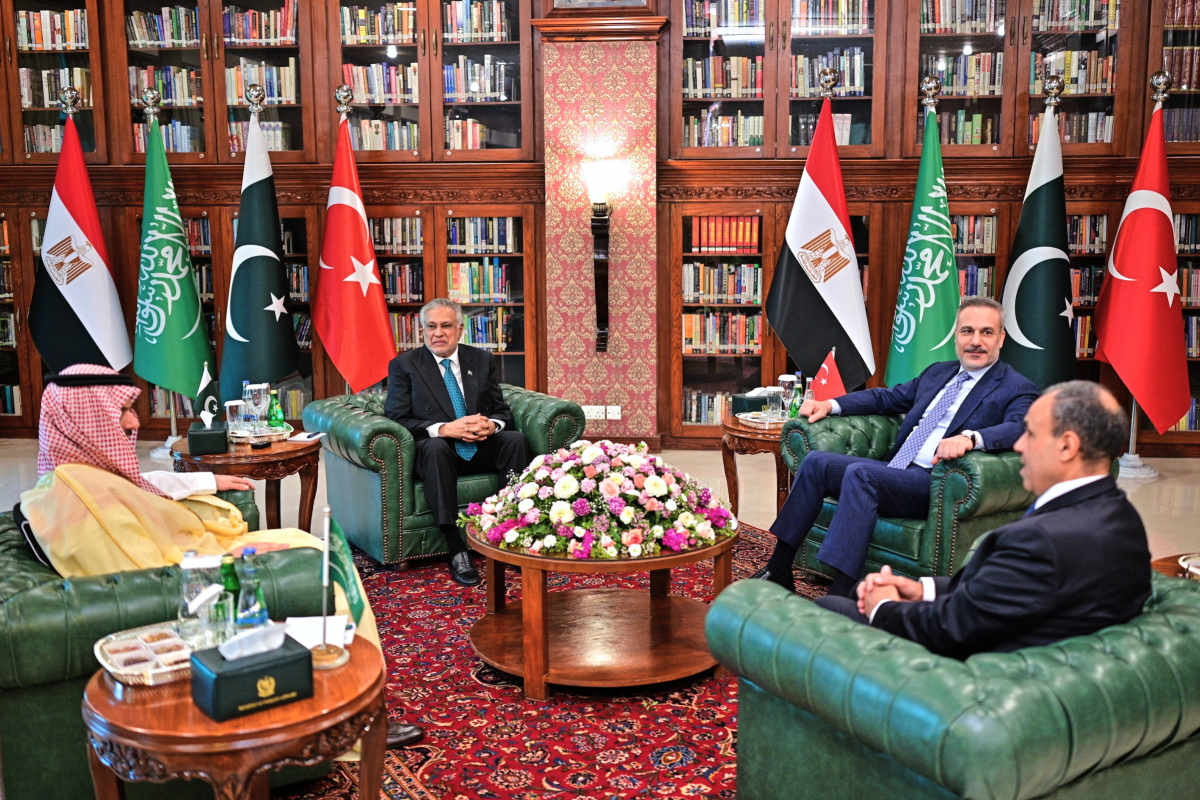
US officials have not confirmed those details and have instead pointed to ongoing negotiations led by intermediaries in Pakistan, Turkey, and Egypt.
The administration has also raised concerns about what it describes as misinformation surrounding the talks, suggesting that multiple versions of proposals are being presented in public without alignment to the closed-door discussions.
Warships loaded with ‘The Best Ammunition’
As diplomacy moves forward, the US military posture in the region remains active. Trump told The New York Post that American warships are being equipped with what he called “the best ammunition,” underscoring that the ceasefire does not signal a de-escalation in readiness.

Vice President JD Vance and Special Envoy Steve Witkoff are expected to play key roles in the Islamabad talks, though final participation details remain subject to security considerations.
The negotiations are being viewed as a critical test of whether the temporary ceasefire can translate into a longer-term agreement.
The administration has framed the current phase as a narrow window for resolution, with both diplomatic and military tracks moving in parallel.
While the ceasefire has paused direct strikes, officials indicate that timelines remain tight, and outcomes from the upcoming talks could determine the next phase of the conflict.