Benjamin Netanyahu responds to Iranian strikes on southern Israel: 'A very difficult evening'
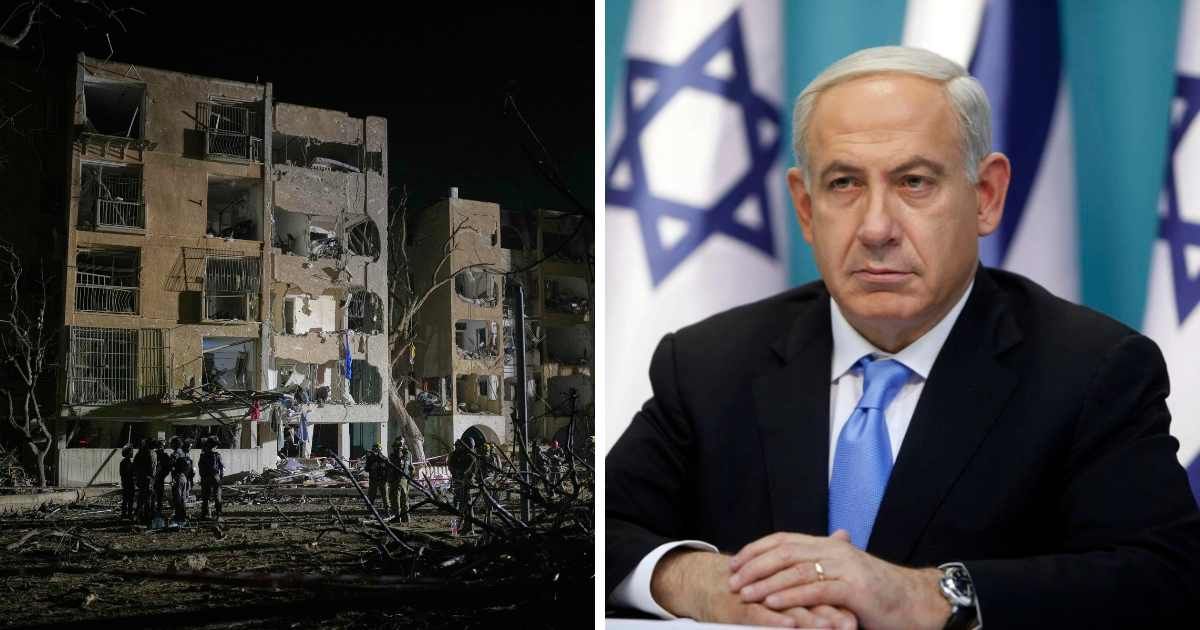
TEL AVIV, ISRAEL: Prime Minister Benjamin Netanyahu commented on the recent Iranian missile strikes targeting southern Israel on Saturday, March 21, which caused significant civilian casualties and damage.
The escalation comes amid ongoing hostilities between the two nations, following a US-Israel joint operation against Iran’s nuclear and military infrastructure on February 28. The conflict, now in its fourth week, has intensified into direct reciprocal strikes targeting critical infrastructure and strategic sites.
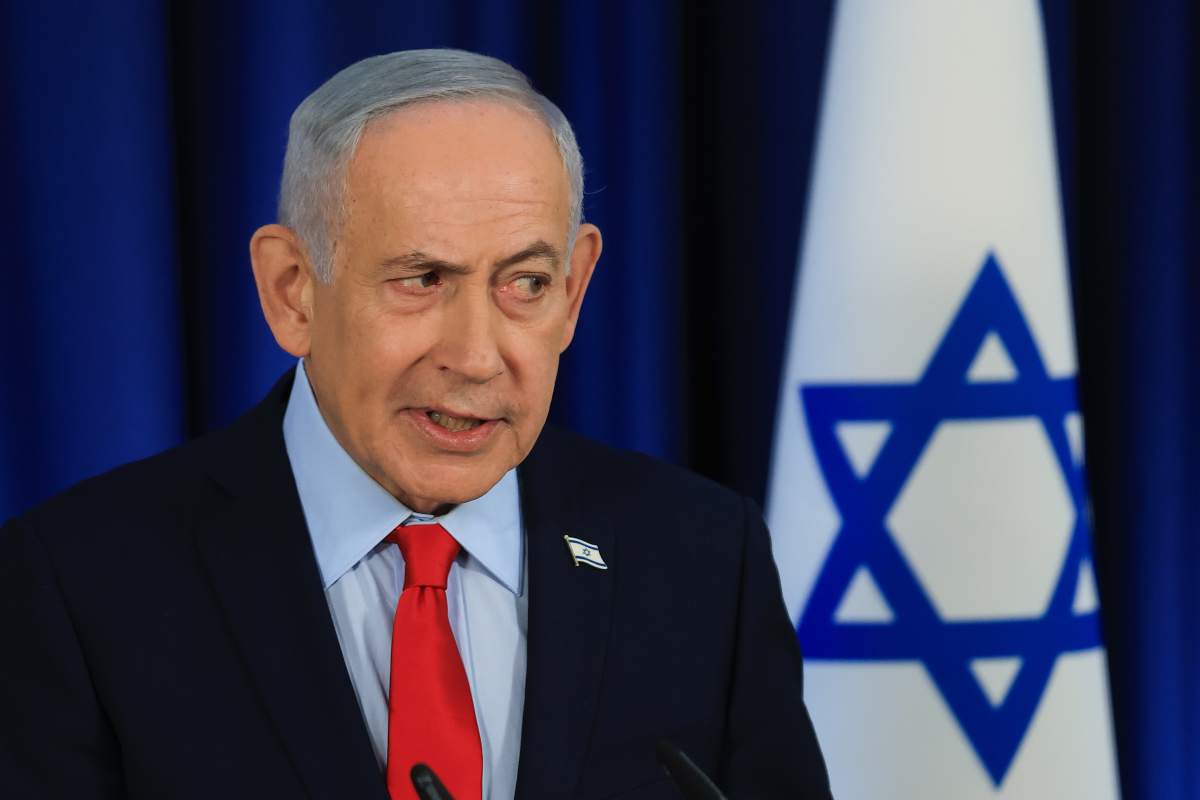
Benjamin Netanyahu calls evening ‘very difficult’ as Iranian missile attacks southern Israel
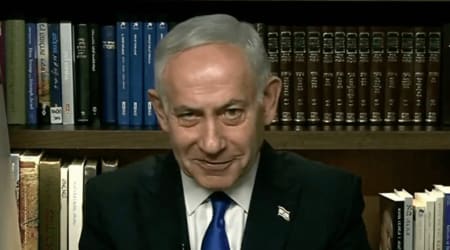
In a post on X, Netanyahu described the situation as “a very difficult evening in the campaign for our future.” The Israeli PM said he had spoken with Yair Maayan, Mayor of Arad, asking "him to convey prayers for the injured."
Netanyahu added that he had instructed his office to coordinate with government ministries to "provide necessary assistance" and praised emergency and rescue forces. He further said, "I strengthen the emergency and rescue forces operating in the field right now, and I call on everyone to heed the instructions of the Home Front Command."
Netanyahu concluded his remarks emphasizing Israel’s determination, "We are determined to continue to strike our enemies on all fronts."
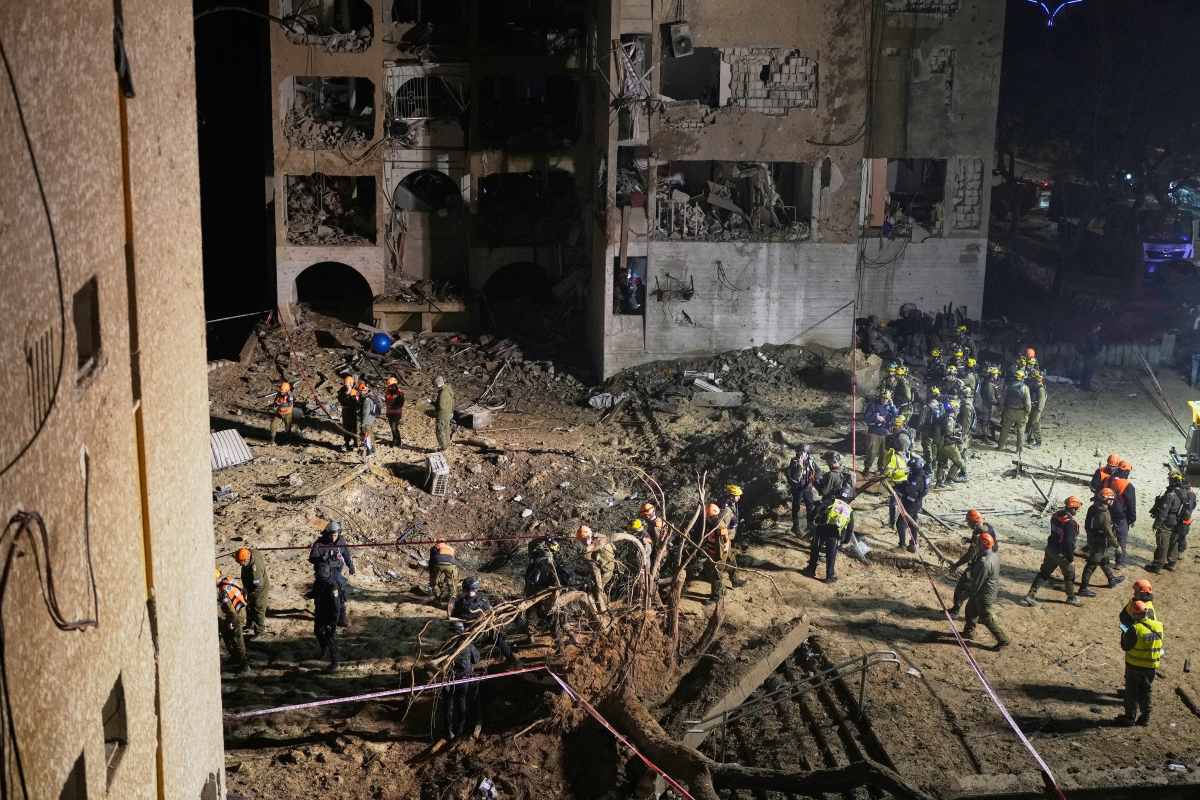
The attacks targeted Dimona and Arad, with Israeli rescuers reporting more than 100 wounded. In Arad, at least 88 people were injured, 10 of them seriously, with extensive damage in the city center. In Dimona, 39 people were wounded, including a 10-year-old boy, who was critically injured with multiple shrapnel wounds after residential buildings were destroyed.
Israeli officials said air defense systems were activated but failed to intercept some missiles. Firefighters reported that interceptors missed incoming threats, resulting in two direct hits by ballistic missiles carrying warheads weighing hundreds of kilograms.
Despite the strikes, the International Atomic Energy Agency confirmed no damage to the Shimon Peres Negev Nuclear Research Center and no abnormal radiation levels. IAEA Director General Rafael Grossi urged maximum military restraint, especially near nuclear facilities.
Dimona has been at the heart of Israel’s nuclear programme since its research center, built in secret with French assistance, opened there in 1958.
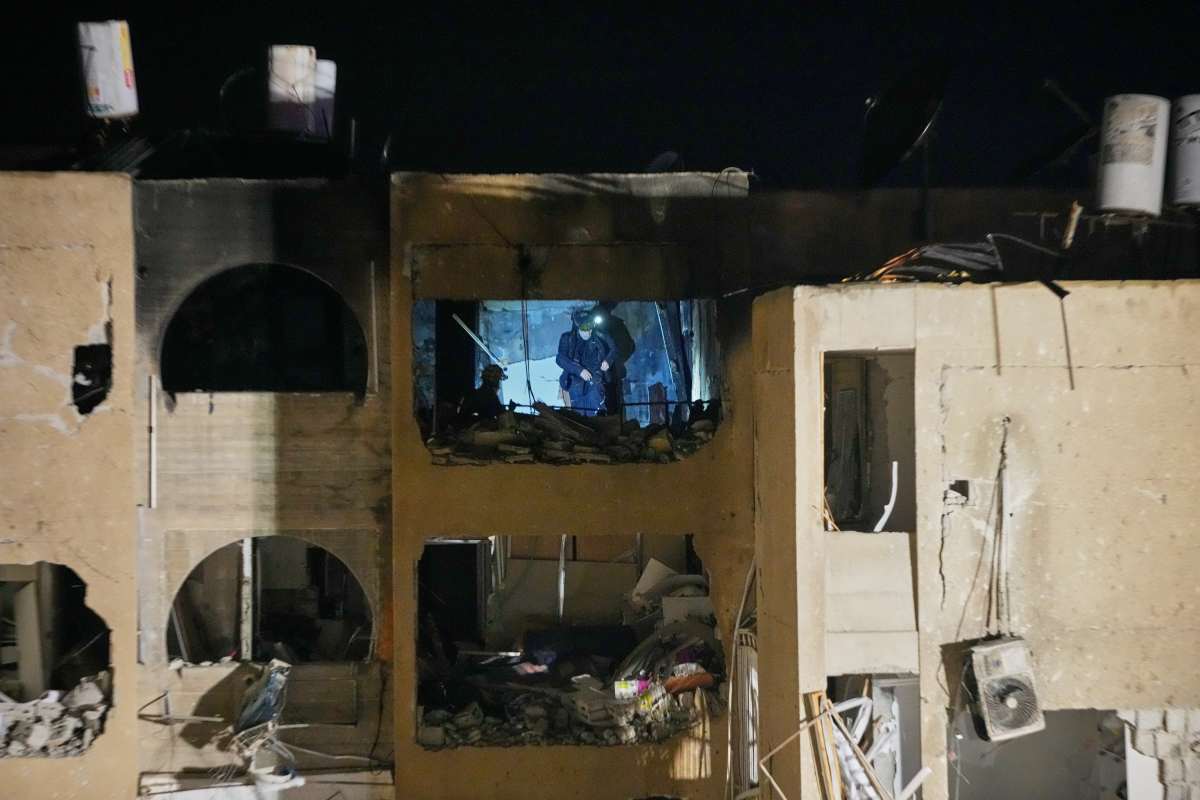
US-Israel strikes escalate conflict with Iran
Iranian state television described the strikes as a response to an earlier attack on its Natanz enrichment complex. Meanwhile, Israel claimed that it had conducted a strike on a research facility at Malek Ashtar University in Tehran as part of its Operation Roaring Lion.
Israel stated that it had targeted the site over its alleged role in developing nuclear weapons components and ballistic missile technologies, reiterating its longstanding position that it will not permit Iran to acquire nuclear weapons.
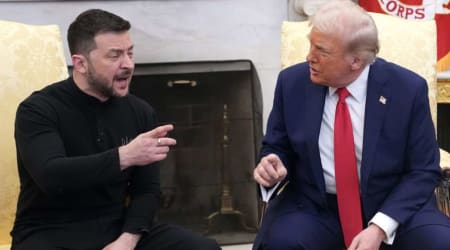
President Donald Trump, claimed that American operations had achieved their objectives “weeks ahead of schedule.”
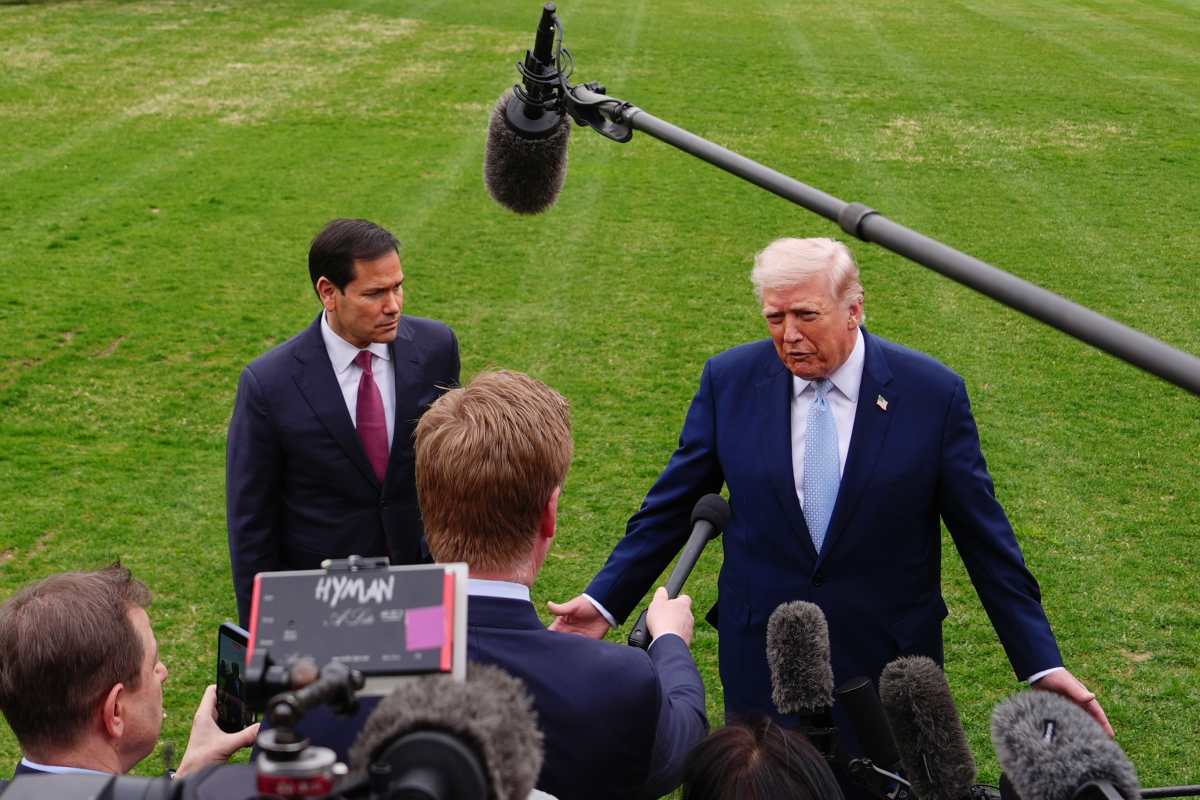
Writing on Truth Social, he asserted that Iran’s leadership and military capabilities had been effectively dismantled, stating its navy and air force were “dead,” and that the country had “absolutely no defense.”
He also suggested Iran was seeking negotiations but dismissed the idea of making a deal. The US military, through US Central Command, released video footage showing strikes on Iranian targets as part of ongoing operations.
According to CENTCOM, the mission remains focused on eliminating Iran’s ability to project power against the UA and its regional neighbors, targeting missile systems, naval assets, and drone capabilities as part of a broader strategic campaign.