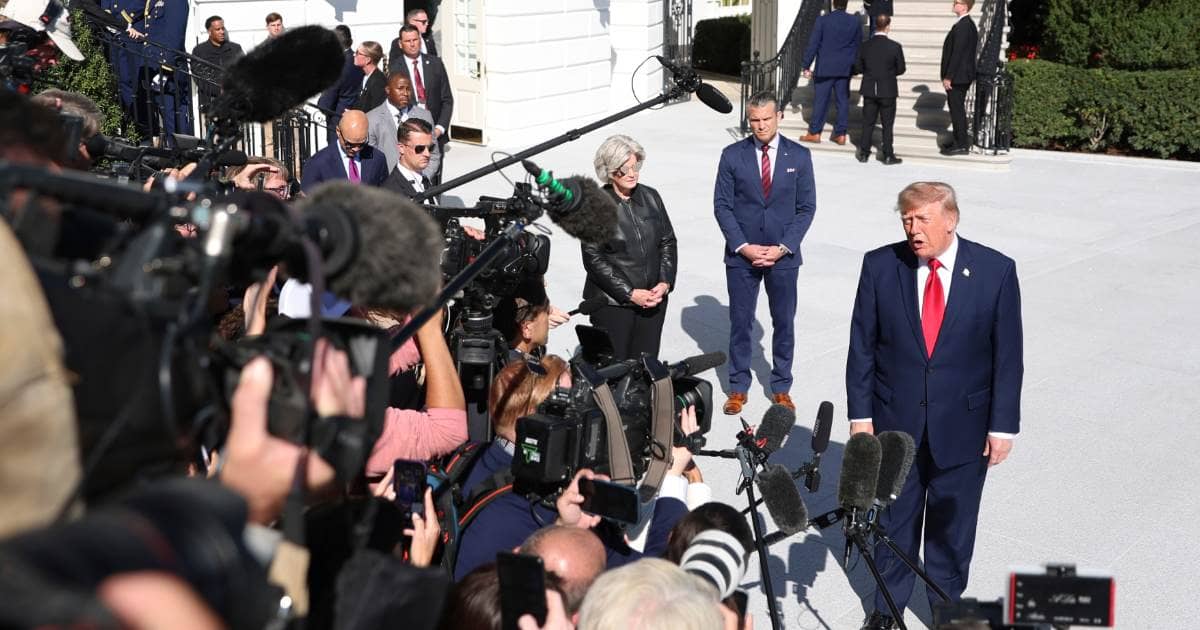
Bipartisan bill seeks to move Secret Service under WH after third Trump assassination attempt
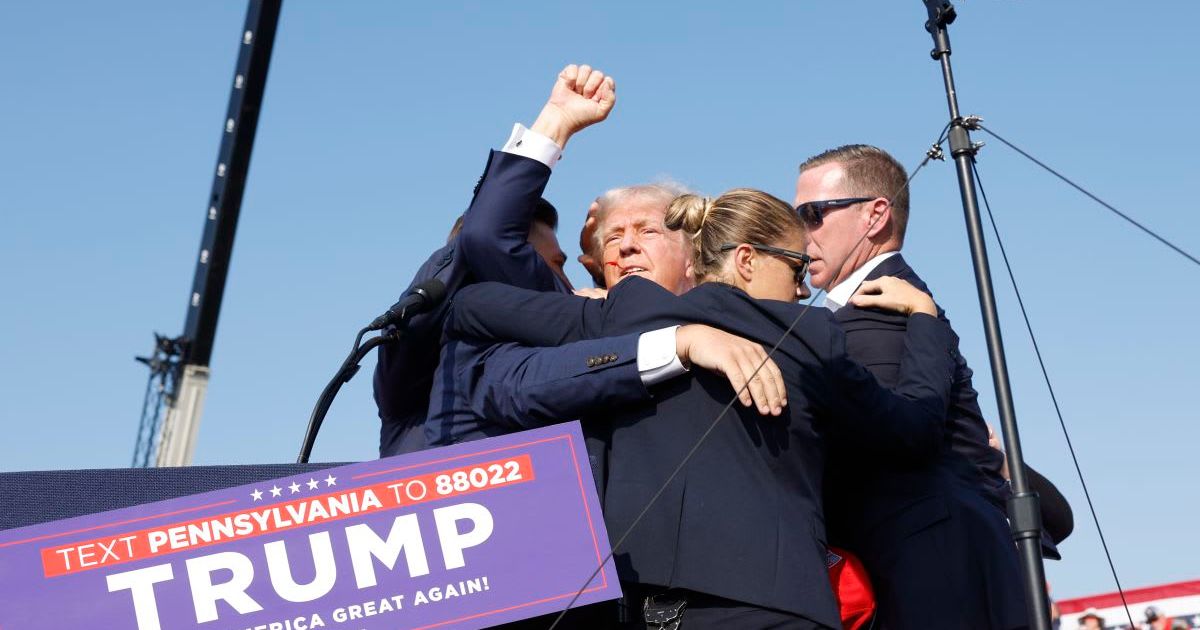
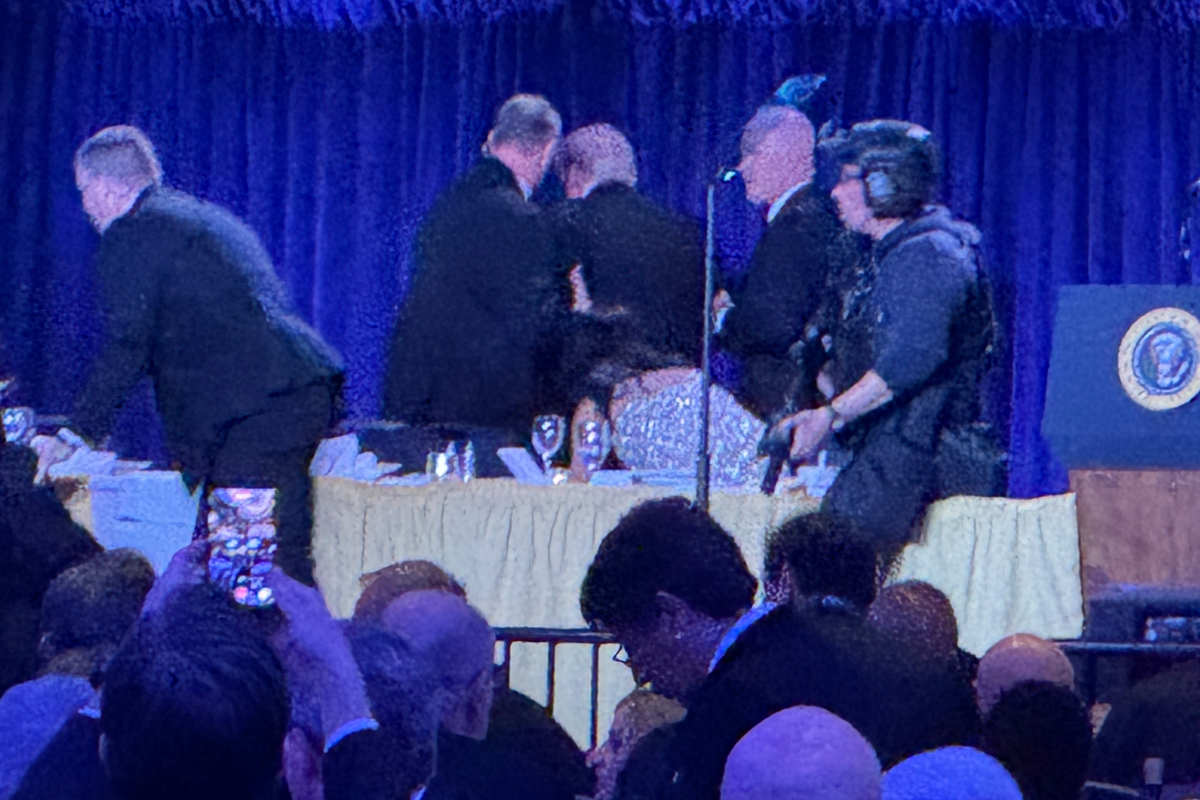
WASHINGTON, DC: The shooting scare at the White House Correspondents’ Dinner has renewed scrutiny of the United States Secret Service, with lawmakers pushing for a major overhaul of the agency’s structure and oversight.
After the third assassination attempt against Donald Trump in April, a bipartisan group in Congress moved to pull the Secret Service out of the Department of Homeland Security (DHS) and place it under direct White House authority, arguing that the current system slows decision-making and limits access to resources.
Bipartisan bill aims to remove Secret Service from DHS
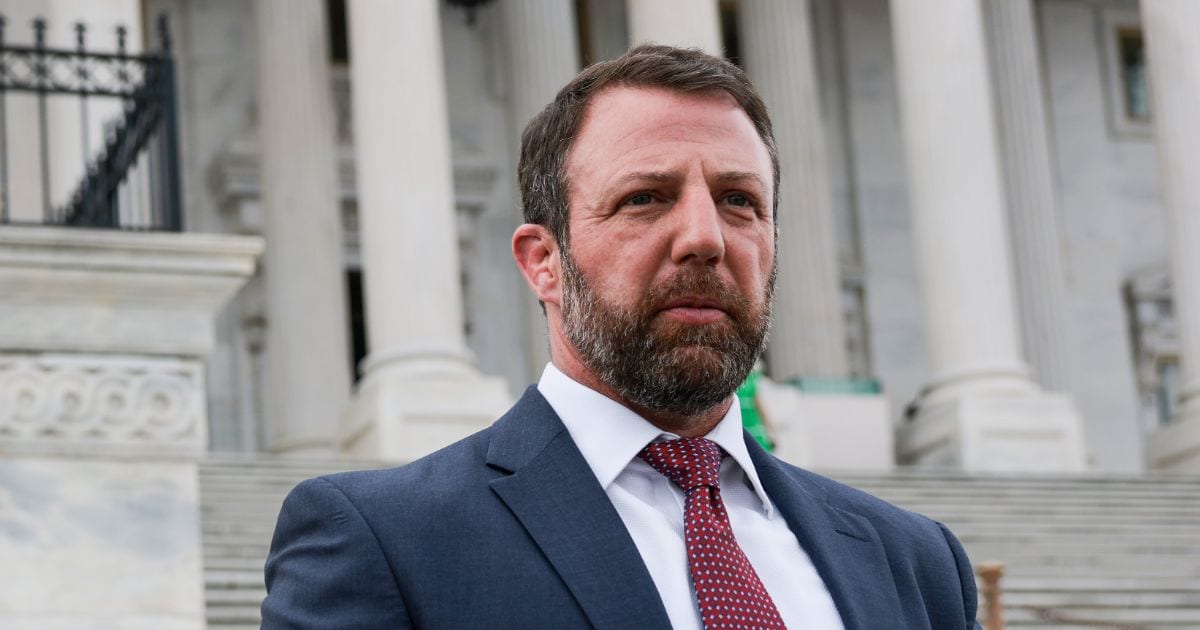
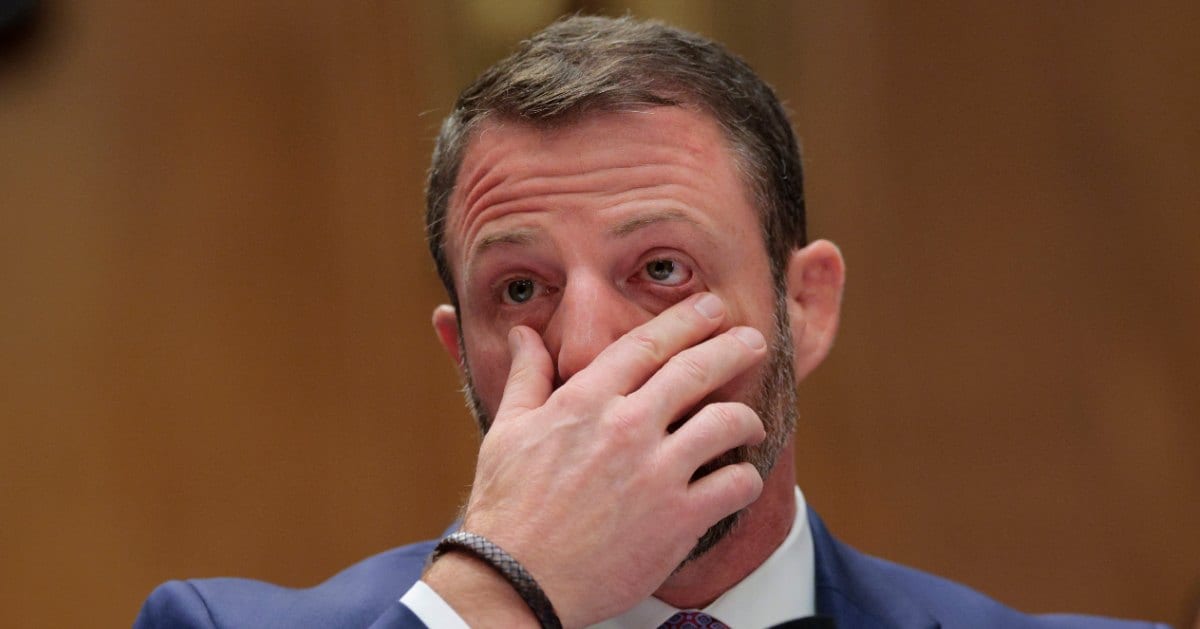
Representatives Jared Moskowitz and Russell Fry introduced legislation aimed at restructuring the agency following growing concerns over presidential security.
Moskowitz, who previously investigated the Butler, Pennsylvania, security failure tied to the first attempt on Trump, argued that the Secret Service has struggled within the larger DHS framework. “Because they were such a small agency, they couldn't get the resources they needed. They couldn't get decisions being made,” Moskowitz said.
Under the proposal, the Secret Service would report directly to the president instead of operating through multiple layers of DHS leadership.

Lawmakers target DHS bureaucracy
The legislation is also part of a wider effort to reduce what lawmakers described as bureaucratic dysfunction inside DHS.
Moskowitz’s broader reform package would make FEMA an independent cabinet-level agency and move the Transportation Security Administration (TSA) back under the Department of Transportation.
“These pieces of legislation would streamline all three of those agencies. It would cut a lot of the bureaucracy we're getting at DHS,” Moskowitz said.
He also argued that airport security responsibilities should be consolidated under one department.
“The idea that the Department of Transportation, they have the FAA that keeps our skies safe, but then Homeland keeps the people safe in the airport … we should put things under one roof,” he added.
Lawmakers say changes would strengthen presidential security
Backers of the proposal said the restructuring would help insulate the Secret Service and other security agencies from political battles and funding disruptions that have previously affected DHS operations.
The department recently faced a 76-day funding lapse, raising concerns over staffing shortages, operational delays, and morale issues across multiple agencies.
Fry said the Secret Service should be focused entirely on protecting national leaders instead of dealing with administrative obstacles.
“In a time where political attacks are becoming increasingly rampant, the Secret Service should be able to focus solely on its mission of protecting top US officials, not dealing with bureaucratic tape that ultimately serves as a distraction to keeping the president safe,” Fry said.
Supporters of the legislation argued that removing the agency from DHS would ultimately provide the Secret Service with “more resources, not less,” while creating a faster and more responsive security system around the presidency.